- Our Products
-
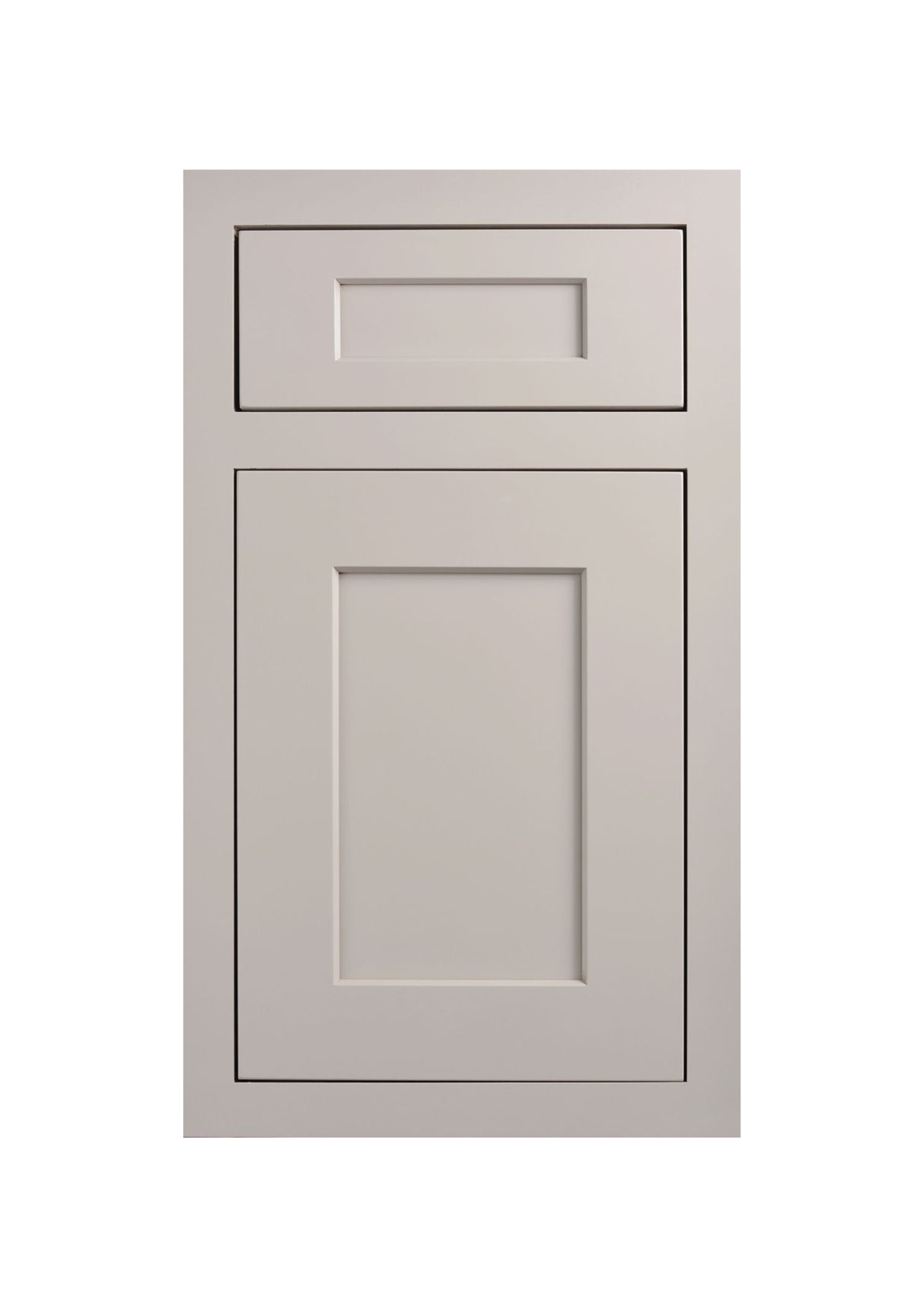
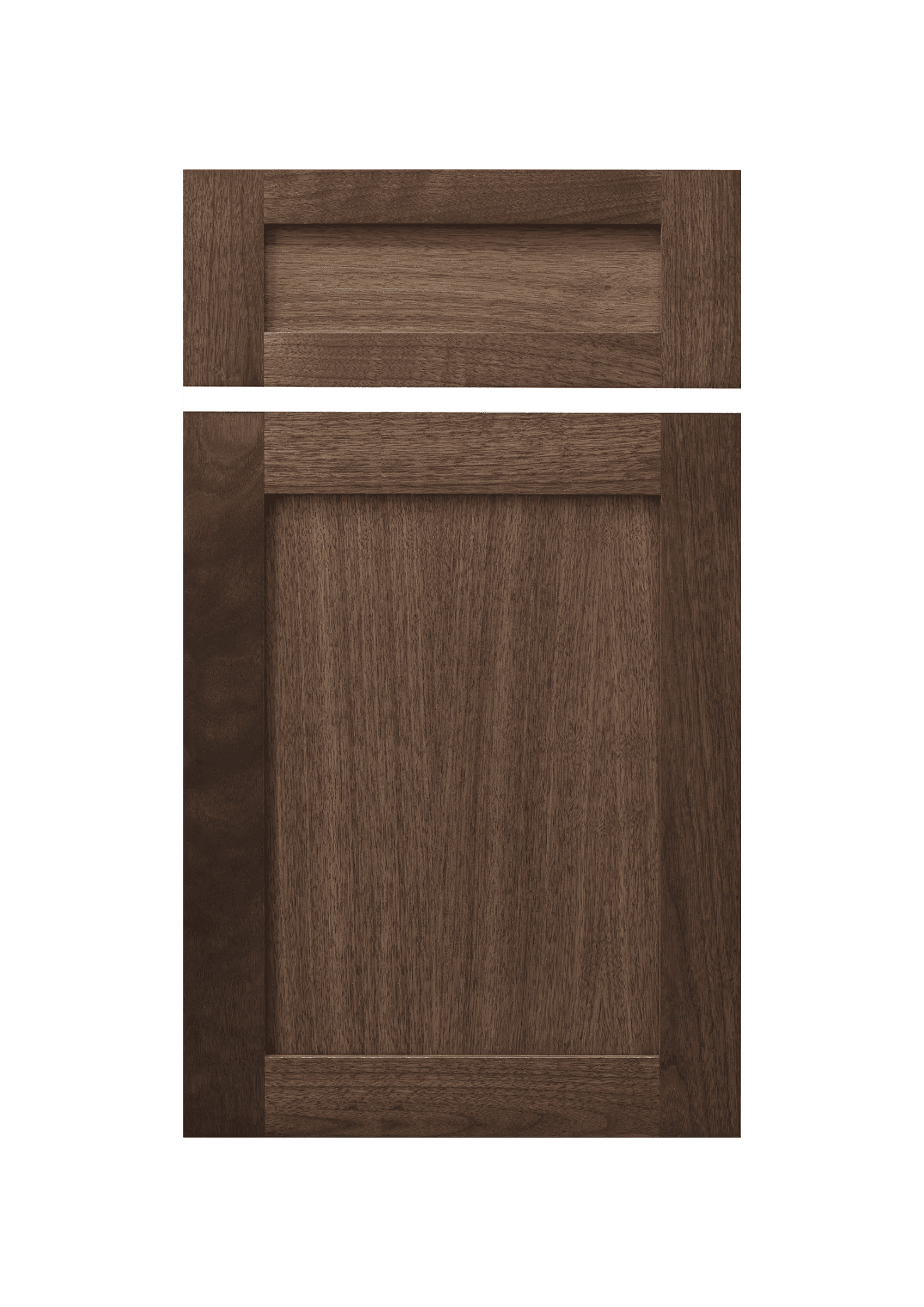
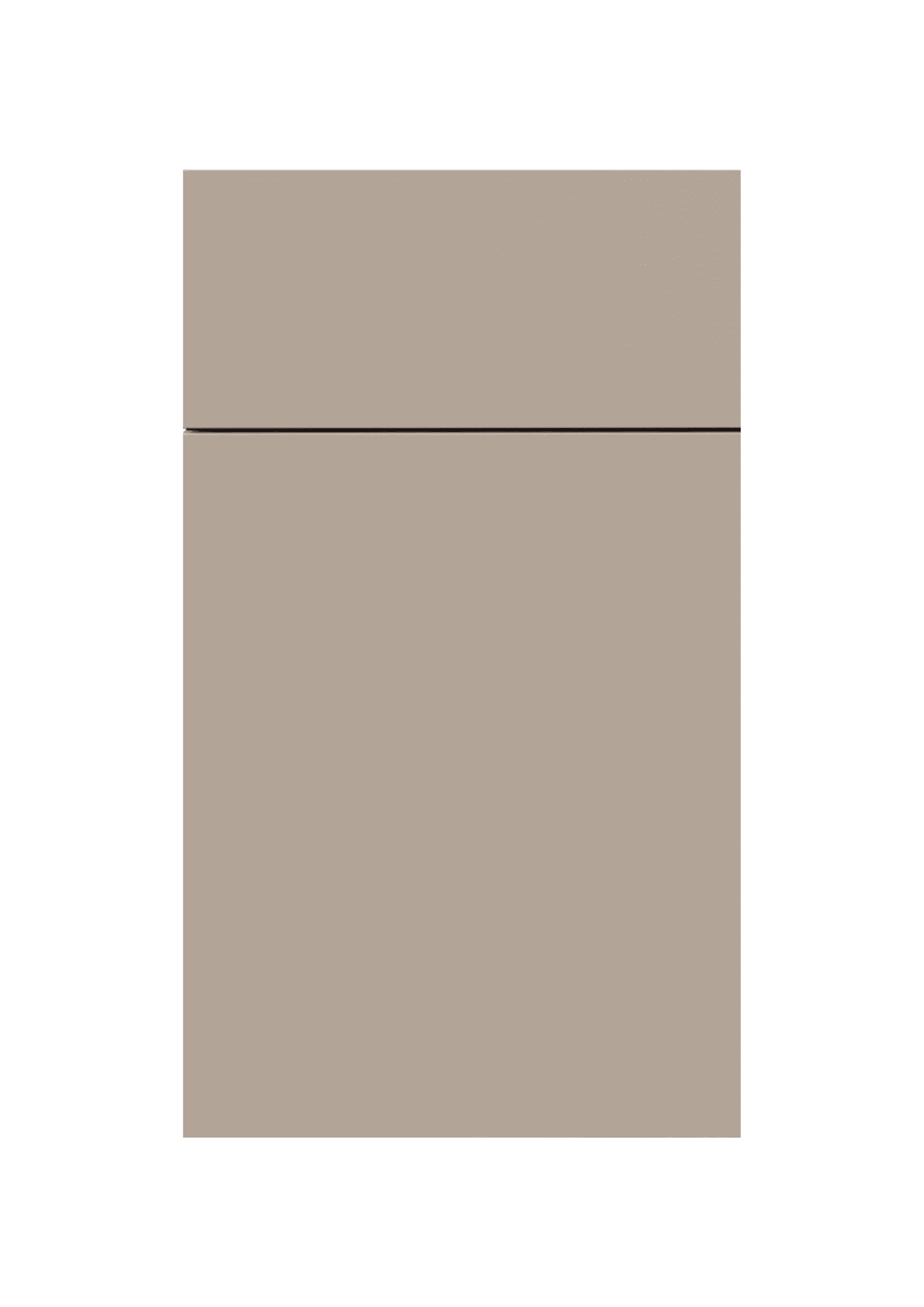
Choose your Cabinet Style
-

Getting kitchen cabinet finish durability wholesale OEM specifications right means asking for test results, not adjectives. “Durable finish” on a spec sheet means nothing until it is checked against a published standard — heat exposure, freeze-thaw cycling, household chemical contact, and water contact all have specific pass criteria a factory can be held to, and KCMA A161.1 defines six of them in exact numeric terms.
KCMA A161.1, the Kitchen Cabinet Manufacturers Association’s performance certification standard, sets six distinct finish durability tests under Section 9, each with a specific exposure condition and a pass or fail outcome — no discoloration, blistering, checking, delamination, or whitening. A kitchen cabinet finish durability wholesale OEM factory that references A161.1 test numbers directly is giving buyers a verifiable claim; one that simply states “scratch-resistant” or “long-lasting finish” is not.
All six tests are run under controlled lighting — 1075 to 2155 lux, viewed from 30 to 36 inches at a 40 to 50 degree angle — so the visual pass/fail call itself follows a defined inspection protocol, not a subjective glance.
The heat resistance test (Section 9.2) stabilizes the door at room conditions for 24 hours, then places it in a hotbox at 49°C ±3°C (120°F ±5°F) and 70% ±5% relative humidity for a full 24 hours. A pass requires no discoloration, blistering, or checking after exposure — a direct proxy for how a finish holds up near a range, oven, or dishwasher vent where ambient heat runs well above room temperature for extended periods.
A kitchen cabinet finish durability wholesale OEM factory that cannot produce a passing 9.2 test result is asking a buyer to trust that their finish tolerates sustained kitchen heat without any evidence beyond the sample door in the showroom.
Section 9.3 repeats five full cycles of 49°C (120°F) at 70% humidity for one hour, 30 minutes at room temperature, then -21°C (-5°F) for one hour, before returning to room conditions — a thermal swing of roughly 70°C within each cycle. This test matters directly for cabinets exported from Vietnam through variable ocean-freight humidity and into US climates ranging from arid to coastal, the same exposure risk covered in our core material comparison.
A finish that cracks or checks under five freeze-thaw cycles in a lab is a finish likely to show the same failure on a real cabinet that sees a hot, humid shipping container followed by a dry winter kitchen within its first year in service.
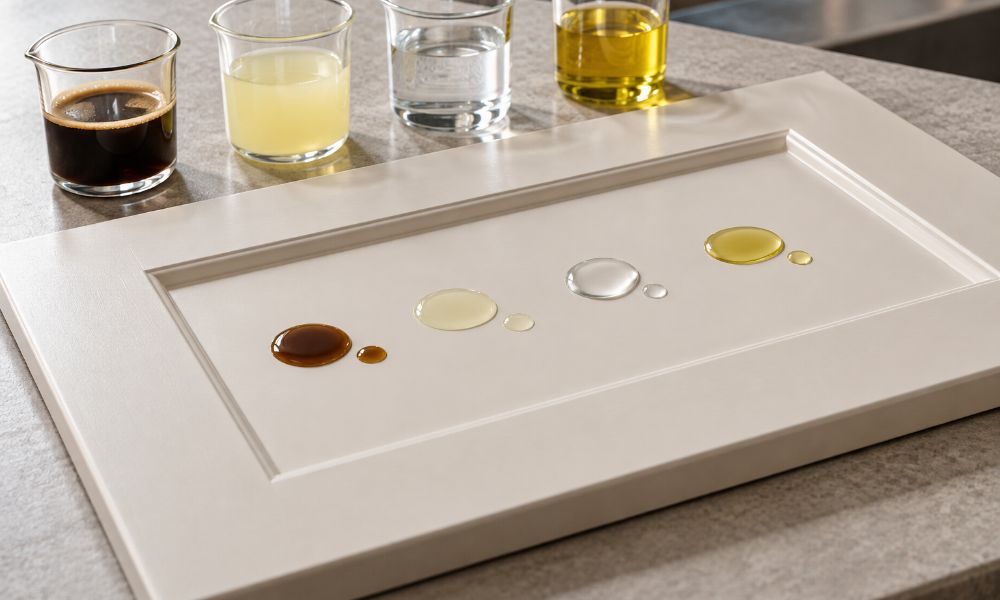
Chemical resistance testing assesses how cabinet coatings respond to common kitchen substances, including coffee, vinegar, citrus juice, and oil.
Section 9.4 applies small measured amounts — roughly 1 cc each — of lemon juice, orange juice, grape juice, tomato ketchup, coffee at 46°C (115°F), vinegar, olive oil, 100-proof alcohol, and a detergent solution directly onto the finish, left to dwell for 24 hours before being sponged with clear water. A pass means no discoloration, staining, or whitening that doesn’t disperse with ordinary polishing — a realistic simulation of the spills a kitchen cabinet finish actually encounters.
A kitchen cabinet finish durability wholesale OEM factory testing against all nine substances, rather than a generic “stain resistant” claim, is addressing the specific chemical exposures — citrus acid, alcohol, oil, detergent — that differ meaningfully in how they attack a finish layer.
Section 9.5 tests the door edge with a 0.5% dishwashing detergent solution held against the surface with a cellulose sponge. Solid wood or painted doors with no splices or seams must withstand 24 hours of dwell time, while doors with splices or seams — including edgebanded and rigid thermofoil doors — are tested for only 4 hours, reflecting the industry’s own recognition that a seam or edge joint is the more vulnerable point for water ingress.
This is the exact failure point covered in our edge banding guide: a door’s edge seam, not its flat face, is where a finish most commonly fails first, and A161.1’s shorter 4-hour threshold for seamed doors reflects that reality rather than treating every door surface as equally at risk.
A161.1 allows a part that shows a minor defect on initial inspection for the heat, hot-and-cold check, chemical, detergent, or water holdout tests to stand for 14 days before re-examination against the same pass criteria. This matters for buyers interpreting a factory’s internal test records: a finish noted as borderline on day one but passing on re-inspection at day 14 is a different quality signal than one that fails outright and stays failed.
A kitchen cabinet finish durability wholesale OEM factory sharing both the initial and 14-day retest results, rather than only the final passing number, is giving buyers a fuller picture of how close to the pass threshold a given finish actually sits.
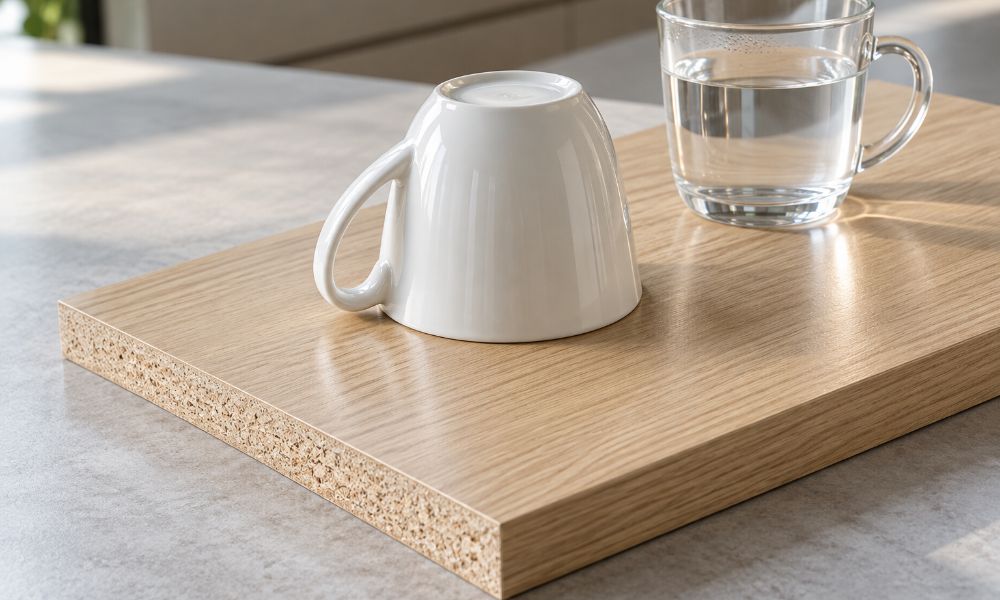
The water holdout test evaluates interior cabinet shelf surfaces for moisture-related swelling, discoloration, blistering, and delamination.
Section 9.7 tests interior shelf surfaces by briefly dipping an inverted ceramic mug into just-boiled water for 2 seconds, then setting it upside down on the shelf and checking for delamination, swelling, discoloration, or blistering after 24 hours. This test targets a specific, common real-world event — a hot mug or pan set directly on an unprotected interior shelf — rather than a generic water-resistance claim.
A kitchen cabinet finish durability wholesale OEM factory should be able to produce a passing 9.7 result specifically for interior shelf material, since shelf surfaces often use a different coating or substrate than visible door faces and are tested separately for exactly this reason.
Separate from KCMA’s pass/fail testing, coating hardness is commonly rated on the pencil hardness scale, where catalyzed polyester and catalyzed polyurethane finishes rate at 9H — the hardest common rating — while conversion varnish and catalyzed modified acrylic polyurethane rate at 4H, and water-based polyurethane or low-VOC lacquer typically rate 2H to 3H, according to testing summarized by Woodworking Network. Softer finishes in the HB to 3B range, such as shellac and some nitrocellulose lacquers, scuff and scratch more easily but can flex more readily with wood movement.
This hardness gradient is a useful cross-check against the finish type comparisons in our lacquer finish guide: a higher pencil hardness generally means better scratch resistance, but buyers should confirm hardness rating alongside KCMA test results rather than relying on either number alone.
Buyers sourcing cabinets for humid coastal markets should weight the hot-and-cold check and water holdout results most heavily, since these simulate the moisture and temperature swings those cabinets will actually see. Buyers sourcing for commercial or multifamily kitchens, where chemical spills and heavy daily use are more frequent, should weight the chemical resistance and detergent test results more heavily.
This use-case-specific weighting matters more at scale: on a multifamily order, a finish that narrowly passes one test but fails a related one under slightly different real-world conditions becomes a pattern of complaints across dozens of units rather than a single isolated issue.
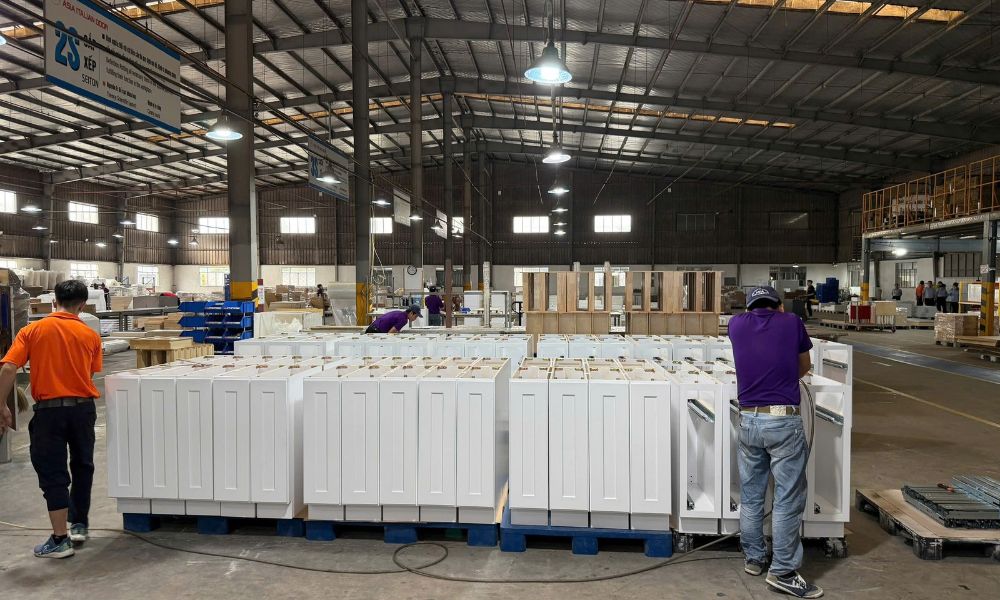
Finish quality verification before mass production helps buyers confirm that approved samples match their specified coating system.
Request actual A161.1 Section 9 test results — not a general certification claim — for the specific finish and substrate combination in your order, since results can vary between a factory’s certified product line and a custom color or sheen requested for a specific project. This is the same verification discipline applied during a quality control audit: confirm the documented test result for your exact specification, not a general assurance that the factory “meets KCMA standards.”
Ask for a dated test report covering each of the six Section 9 criteria for the exact finish, substrate, and door style in your order — not a general KCMA certification summary covering the factory’s product line as a whole. A factory that tests a flagship door style but ships a buyer a different profile or substrate under the same finish name is not giving that buyer the coverage the certification implies.
This documentation discipline matches the bill-of-materials approach covered in our box construction guide: specify and verify by the actual component and finish combination shipped, not by a general product category description that may span several underlying specifications.
Is KCMA A161.1 certification required to sell kitchen cabinets in the US? No, it is a voluntary industry certification, but it gives buyers a verifiable, standardized basis for comparing finish durability claims across suppliers rather than relying on marketing language alone.
Why does the detergent test use a shorter dwell time for edgebanded and thermofoil doors? Because the seam or edge joint on these door types is a more vulnerable water-entry point than a solid, unseamed surface, so the standard sets a correspondingly shorter 4-hour threshold rather than applying the 24-hour solid-door standard uniformly.
Does a high pencil hardness rating guarantee a durable finish? Not on its own — pencil hardness measures scratch resistance specifically, while KCMA’s heat, chemical, and water tests measure different failure modes; a complete durability picture needs both.
Should I weight different finish tests differently depending on my market? Yes — a humid coastal market benefits from prioritizing hot-and-cold check and water holdout results, while a heavy-use commercial kitchen benefits from prioritizing chemical and detergent resistance results.
Can the same cabinet line have different finish durability results for different colors? Yes — pigments, sheen level, and topcoat formulation can shift hardness and chemical resistance even within the same base finish system, so test results for one color should not be assumed to apply to every color option.
How do I confirm a supplier’s A161.1 results are current and apply to my actual order? Request the dated test report referencing the specific finish, substrate, and door style in your purchase order, not a general certification logo or a result from a different product line.
Starvia tests kitchen cabinet finish durability wholesale OEM finishes against KCMA A161.1 Section 9 criteria — heat, freeze-thaw cycling, chemical contact, detergent and water resistance, and shelf water holdout — with documented results available for buyer review before production starts. If your next order needs finish durability confirmed against these specific thresholds, talk to our production team before you approve samples and release your deposit.
 View collection
 View collection
 View collection
 View collection