- Our Products
-
Choose your Cabinet Style
-
For US kitchen cabinet importers, distributors, and private-label brands, the choice between Vietnam vs China kitchen cabinet manufacturing has never been more consequential. Tariff volatility, rising labor costs in China, tightening CARB compliance requirements, and shifting buyer expectations around quality and lead times have reshaped the sourcing landscape since 2018. This guide breaks down the real differences across pricing, quality, compliance, lead times, and supply chain risk — so you can make a data-driven decision for your next container order.
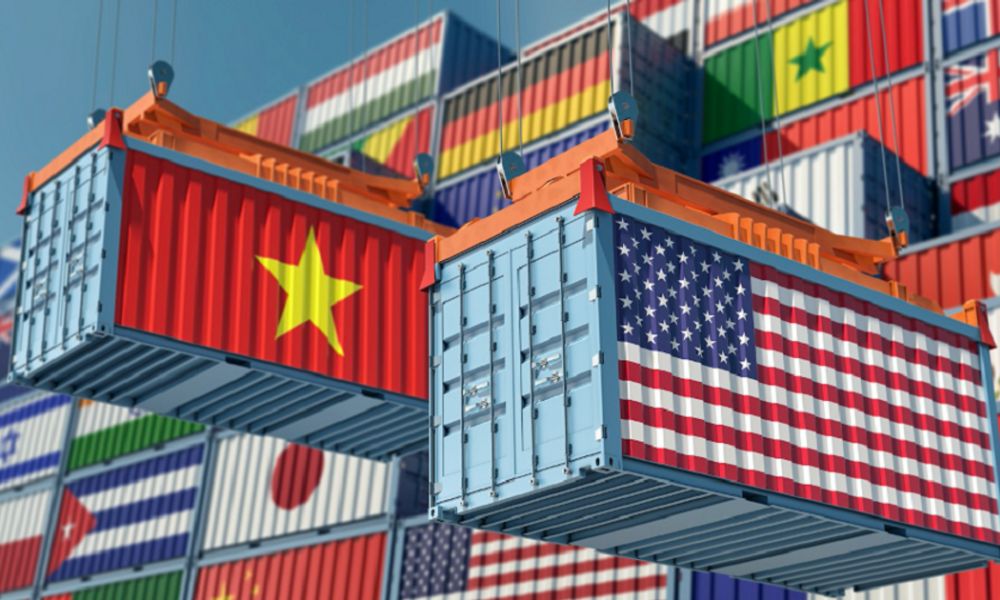
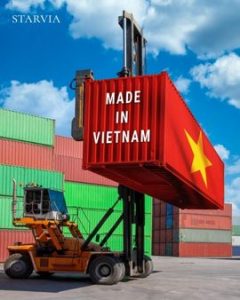
Tariffs and supply chain diversification continue to drive cabinet sourcing toward Vietnam.
The US–China trade war introduced Section 301 tariffs of 25% on imported Chinese cabinets (HTS 9403.40 and related codes), adding a significant cost burden that eroded China’s pricing advantage almost overnight. Meanwhile, Vietnam quickly emerged as the dominant alternative, accounting for the largest share of US kitchen cabinet imports from Southeast Asia by 2022 and continuing to gain ground through 2025 and 2026.
Vietnam cabinets enter the US under standard MFN duty rates with no Section 301 tariff surcharge, making FOB pricing from Vietnam substantially more competitive on a landed-cost basis. For a 40ft container, the tariff savings alone can represent $8,000–$15,000 depending on cabinet specification — a gap that is difficult for Chinese suppliers to overcome through any other means.
Beyond tariffs, US buyers are finding that Vietnamese manufacturers have steadily closed the quality and capability gap with China, while maintaining lower base production costs. Many of the largest Vietnam cabinet factories were established or expanded specifically to serve the US market, with equipment, certifications, and SKU ranges built around US buyer requirements from day one.
China was long considered the lowest-cost source for kitchen cabinets, but that calculus has changed materially. Here is a realistic comparison for a standard 40ft container of RTA Shaker cabinets meeting US spec (all-plywood box, soft-close hardware, CARB 2 compliant):
| Cost Factor | China (FOB) | Vietnam (FOB) |
|---|---|---|
| FOB cabinet price per container | ~$32,000–$40,000 | ~$38,000–$48,000 |
| Section 301 tariff (25%) | +$8,000–$10,000 | $0 |
| Effective landed cost (pre-freight) | ~$40,000–$50,000 | ~$38,000–$48,000 |
| CARB 2 certification availability | Variable; verify per factory | Standard at reputable factories |
| Private label / OEM flexibility | Yes (high MOQ at top factories) | Yes (lower MOQ, flexible) |
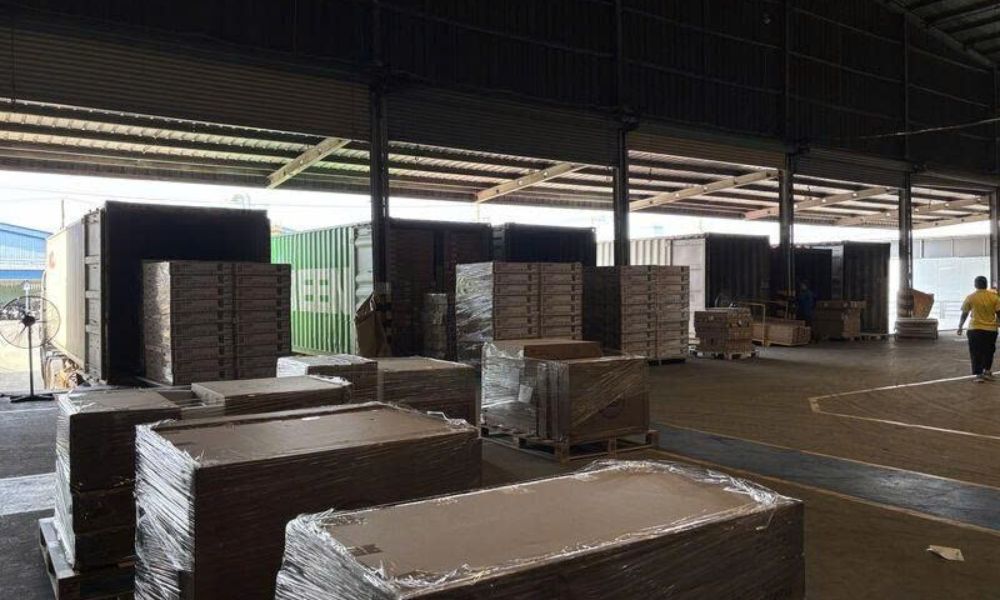
Vietnam cabinets often offer lower landed costs after tariffs are considered.
The conclusion is clear: once tariffs are factored in, Vietnam-sourced cabinets are cost-competitive or cheaper on a landed basis for US buyers, with equivalent or superior quality at the top-tier factories. For Starvia, FOB pricing runs approximately $42,000 per 40ft container, with final pricing varying by specification and finish — a figure that sits comfortably within or below the effective landed cost of comparable Chinese cabinets after tariffs.
A persistent myth is that Chinese factories produce higher-quality cabinets than their Vietnamese counterparts. For mass-market or commodity-grade product, this was arguably true a decade ago. In 2026, it is not an accurate generalization. The key variables are factory-specific, not country-specific.
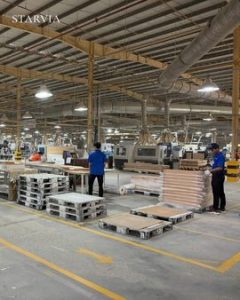
Top-tier Vietnamese cabinet manufacturers now operate with CNC machining centers, automatic edge banding lines, precision drilling, and Italian-brand automatic spraying equipment (Cefla is the industry benchmark for premium finishing). These are the same equipment standards used at the best Chinese factories — and in many cases, the same equipment brands.
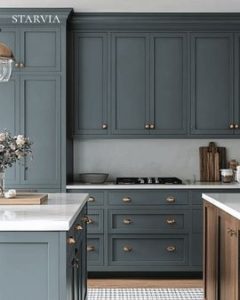
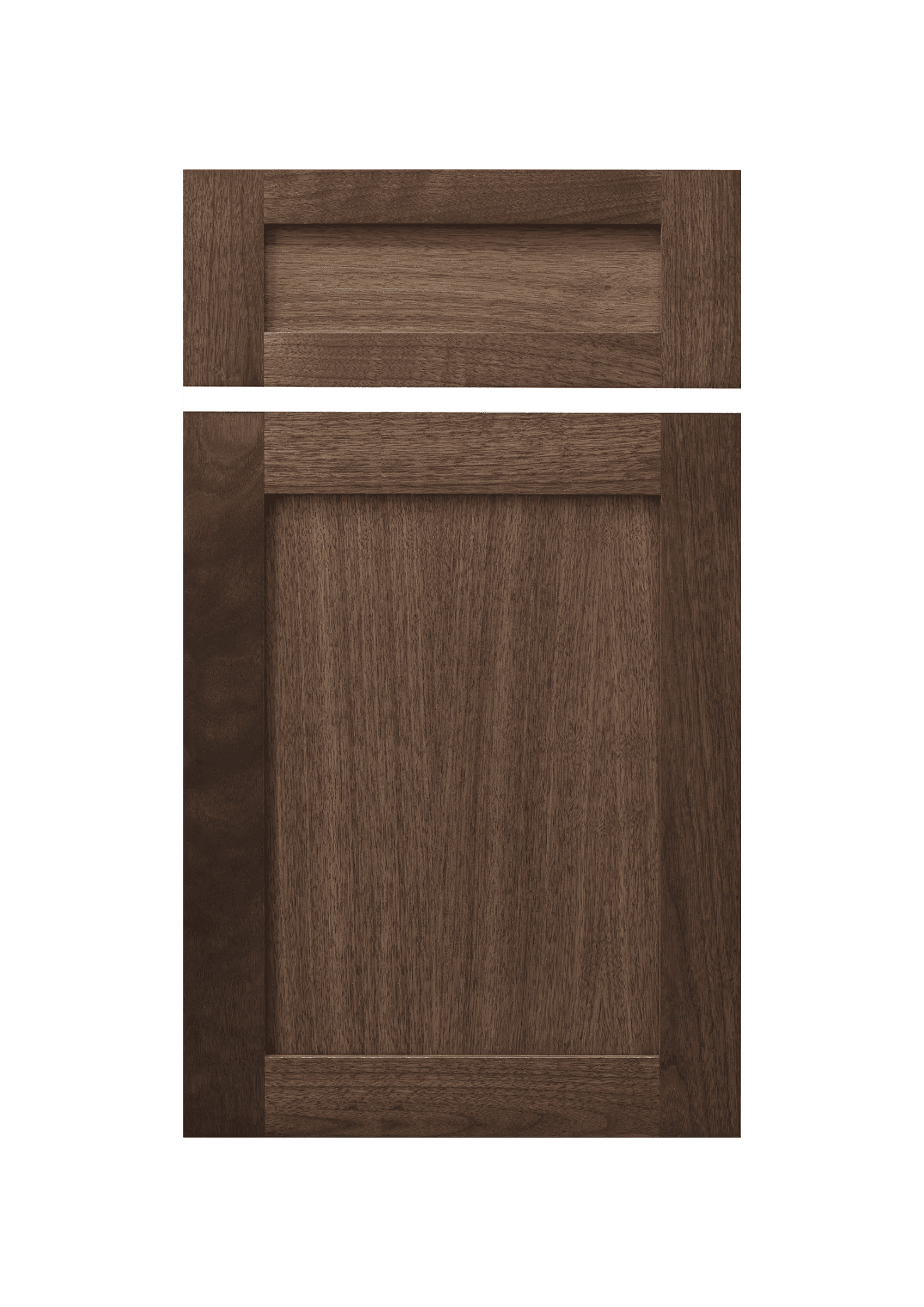
Among imported cabinet styles, modern shaker cabinets remain the preferred choice for US homeowners, builders, and distributors due to their timeless design and versatility.
For all-plywood box construction — the specification most demanded by US buyers, remodelers, and building inspectors — Vietnam has a clear supply chain advantage. Northern Vietnam’s proximity to FSC-certified hardwood forests and established plywood mills means consistent access to quality substrate materials. Leading Vietnam OEM factories build exclusively with 1/2″, 5/8″, and 3/4″ plywood panels, and can certify the full supply chain from raw material to finished cabinet.
Many manufacturers further strengthen supply chain transparency by maintaining certifications that can be verified through the FSC Public Certificate Search, giving US buyers greater confidence in responsible sourcing practices.
In China, the shift toward MDF and particleboard box construction in the low-to-mid market has been accelerated by cost pressure, meaning buyers must vet carefully to ensure they receive all-plywood construction at the price point they expect. With a reputable Vietnam OEM partner, all-plywood construction is typically standard — not an upcharge.
CARB (California Air Resources Board) Phase 2 / EPA TSCA Title VI formaldehyde emission standards are effectively mandatory for any cabinet sold in the US market — not just California. Any cabinet entering the US supply chain through major distributors, home improvement retailers, or GC procurement programs must carry current third-party CARB 2 certification.
Chinese factories have historically had compliance issues in this area, with some factories presenting outdated or fraudulent certificates. US Customs and Border Protection has increased enforcement, and buyers caught importing non-compliant product face significant liability. When sourcing from China, verifying the TPC (Third-Party Certifier) number, certificate number, and current validity is essential.
At reputable Vietnamese factories, CARB 2 certification through accredited TPC bodies is standard operating procedure. Starvia holds Cert No. CARB/EPA23072, certified by ICTT Corporation (TPC-43), valid through December 7, 2026 — covering HWPW-VC plywood panels in the full range of thicknesses and ply configurations used in production. Full documentation is available to buyers on request. This level of certification transparency is what US importers should demand from any offshore cabinet factory, regardless of country.
Lead time is one of the most important operational factors for US importers, particularly those managing project-based procurement for multi-family residential or large retail replenishment programs. Here is how Vietnam and China compare in practice:
For repeat orders with an established Vietnam OEM partner, the 5-week production lead time is highly consistent — a critical factor for importers managing inventory turns and project timelines. Starvia has delivered on 22+ completed multi-family projects in the US market, supplying approximately 5,890 residential units in 2026 — a track record that speaks directly to the lead time reliability US buyers require.
Chinese factories at the mid-to-large tier often require higher minimum order quantities for private label and custom specification work, particularly as top factories have become more selective about their customer mix following consolidation in the industry. MOQs of 3–5 containers are common for custom work at established Chinese manufacturers.
Vietnam OEM factories, particularly those purpose-built for US market export, have structured their business around more flexible minimums. Starvia’s MOQ is 1 × 40ft container, with flexibility based on project needs — an important factor for importers testing a new SKU, launching a private label line, or managing a specific project quantity. Full OEM customization including custom dimensions, door styles, finishes, and private label packaging is available from container one.
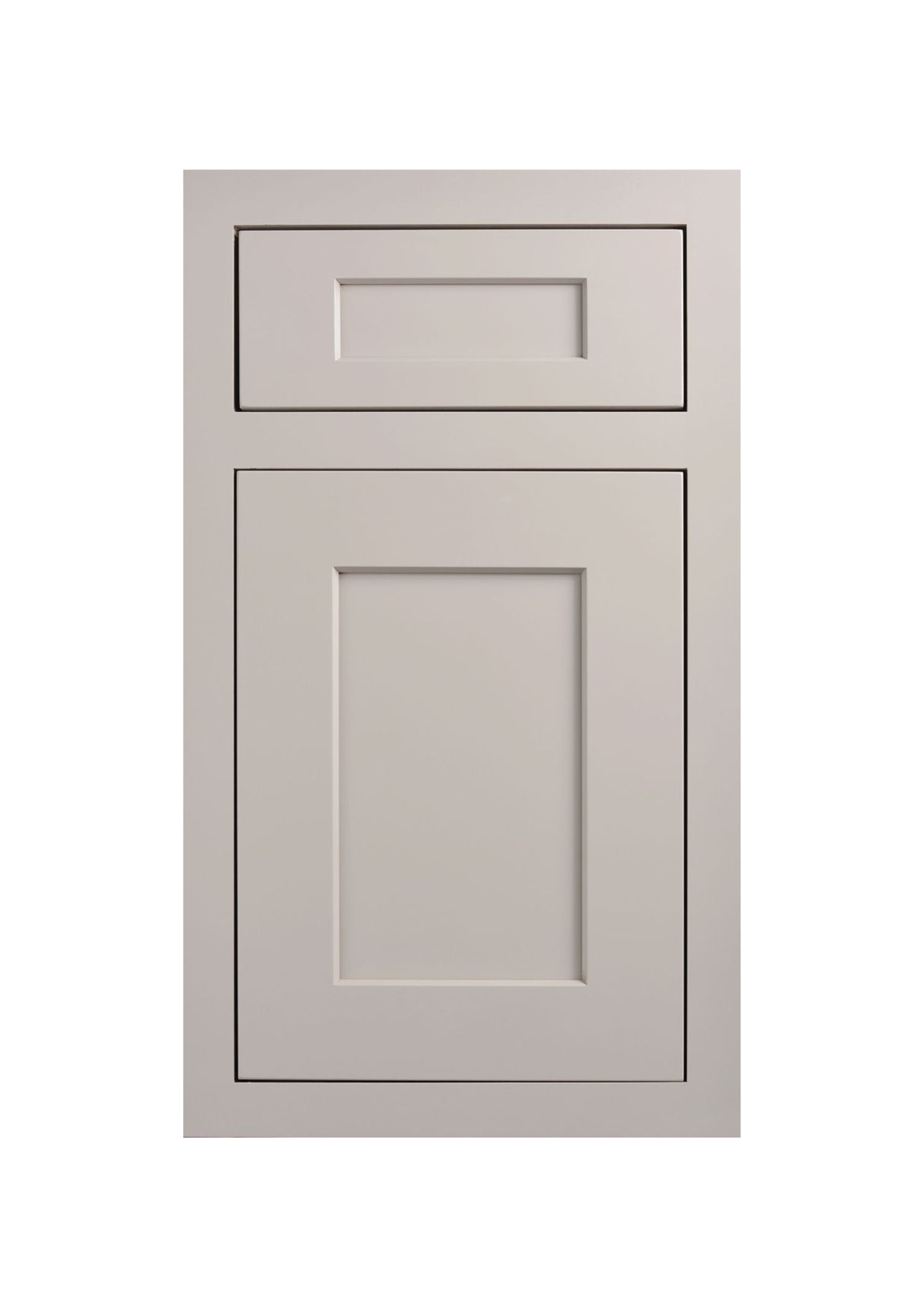
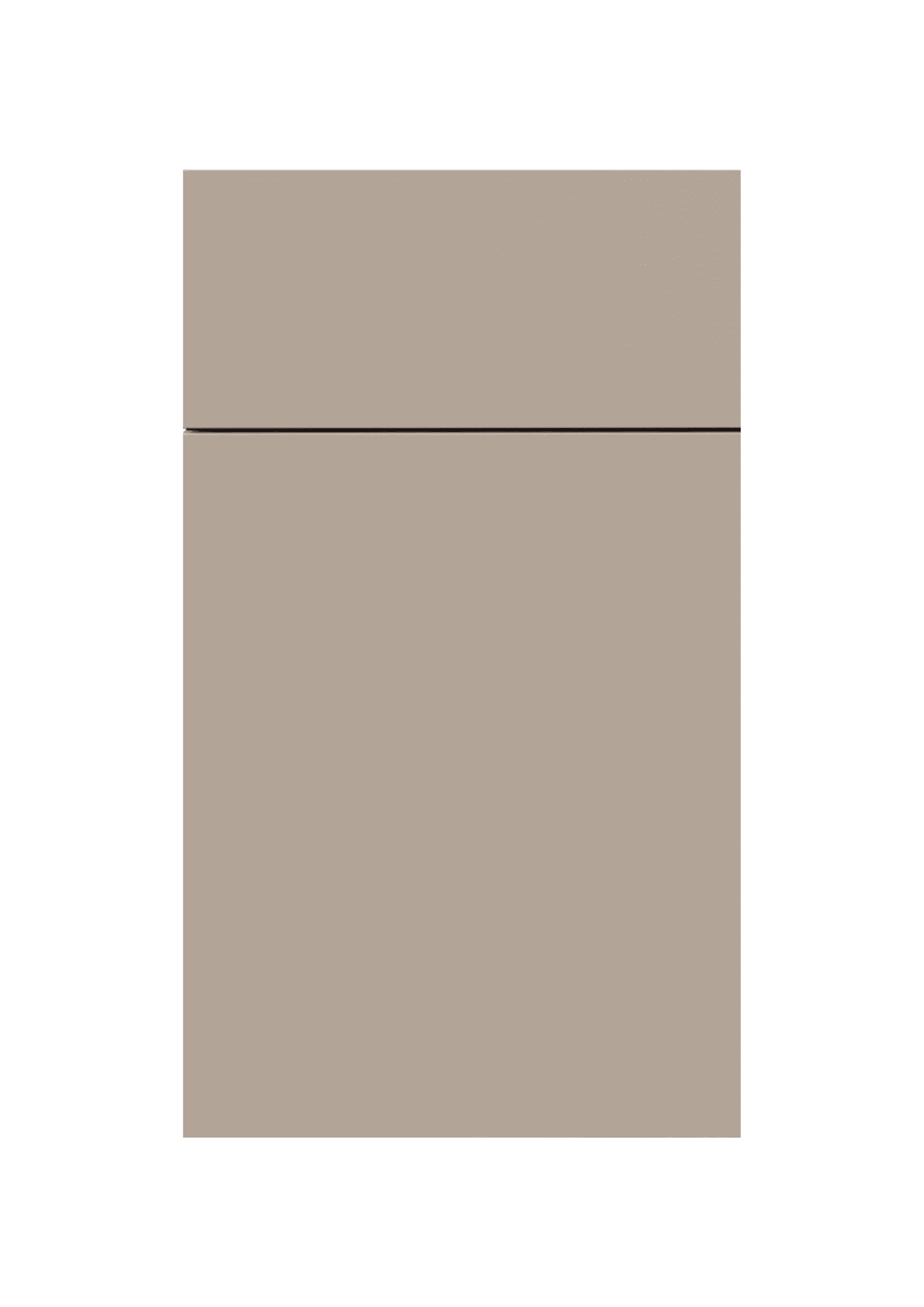
Demand for contemporary designs has also fueled the growth of slim shaker cabinets, especially in premium residential and multi-family projects.
For buyers comparing the total value proposition — pricing, compliance, quality consistency, lead times, and OEM flexibility — the case for Vietnam in 2026 is strong across nearly every dimension.
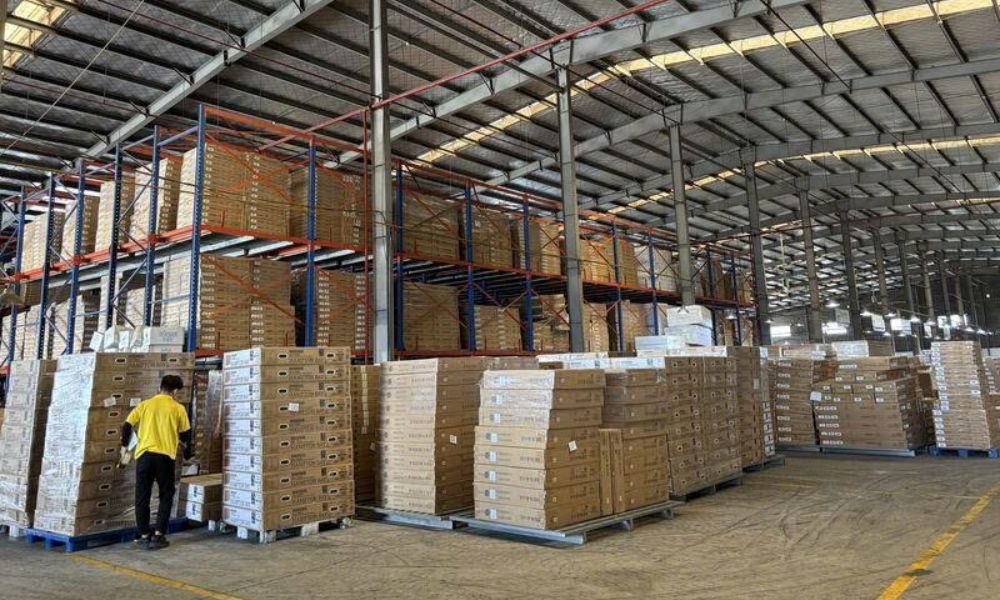
Vietnam factories offer flexible OEM services and lower MOQs for US buyers.
Whether sourcing from Vietnam or China, quality control infrastructure is the single most important differentiator between a reliable factory partner and a costly mistake. The minimum QC standard for a credible offshore cabinet manufacturer should include:
This 5-stage QC process is Starvia’s documented standard, supported by ISO 9001 (Quality Management), ISO 14001 (Environmental Management), ISO 45001 (Occupational Health and Safety), and FSC certification. Buyers should request documented QC procedures and third-party audit reports from any factory under consideration — not just a certificate copy.
The Vietnam vs China kitchen cabinet manufacturing comparison in 2026 is not particularly close for US importers who are buying on total landed cost, compliance certainty, quality consistency, and supply chain resilience. Vietnam’s tariff advantage, combined with the capability upgrade at top-tier OEM factories, has shifted the calculus decisively for most categories of US cabinet sourcing.
The critical variable is factory selection. Not all Vietnamese factories meet US market standards, and due diligence — visiting factories, reviewing certifications, ordering samples, and verifying QC procedures — remains essential regardless of country of origin. For buyers who have completed that process with a qualified Vietnam partner, the operational and financial benefits are substantial.
Explore Starvia’s collections at starvia.com.vn or contact us for OEM pricing, sample orders, and CARB certification documentation.

 View collection
 View collection
 View collection
 View collection