- Our Products
-
Choose your Cabinet Style
-

For importers, wholesale buyers, and distributors sourcing kitchen cabinets at scale, understanding the structural differences between frameless vs framed kitchen cabinets is not just a design question — it directly affects manufacturing cost, lead times, shipping efficiency, and what your customers will pay. With the global kitchen cabinet market projected to reach USD 95.95 billion in 2026 (up from USD 91.07 billion in 2025, according to Mordor Intelligence), knowing which construction type to stock and source is becoming a genuine competitive advantage.
This guide breaks down both construction methods from a procurement and B2B sourcing perspective, covering materials, manufacturing complexity, market demand, and the considerations that matter most when placing large-volume orders from an OEM factory.
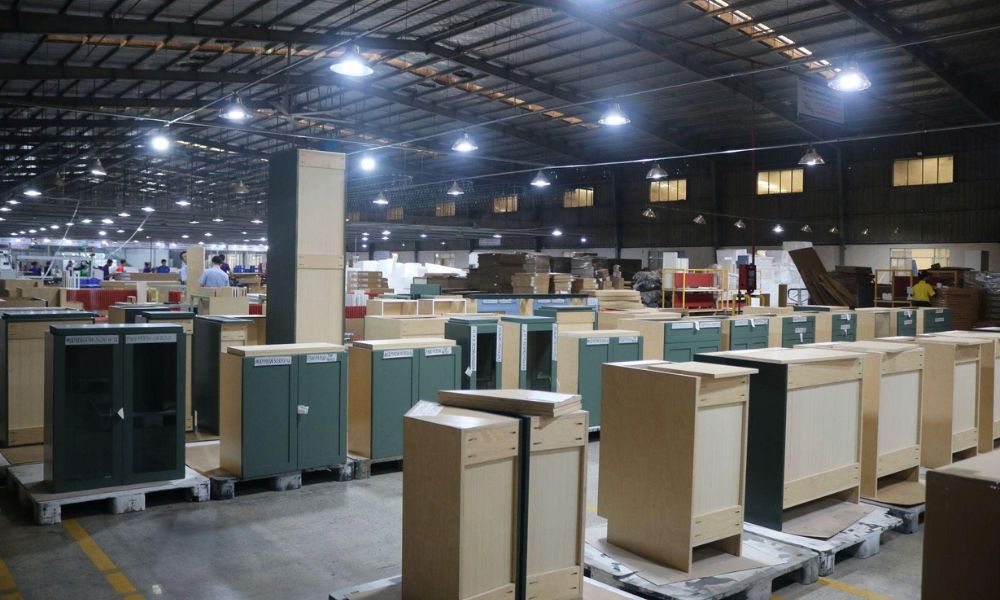
Starvia supplies both framed and frameless kitchen cabinets for wholesale projects.
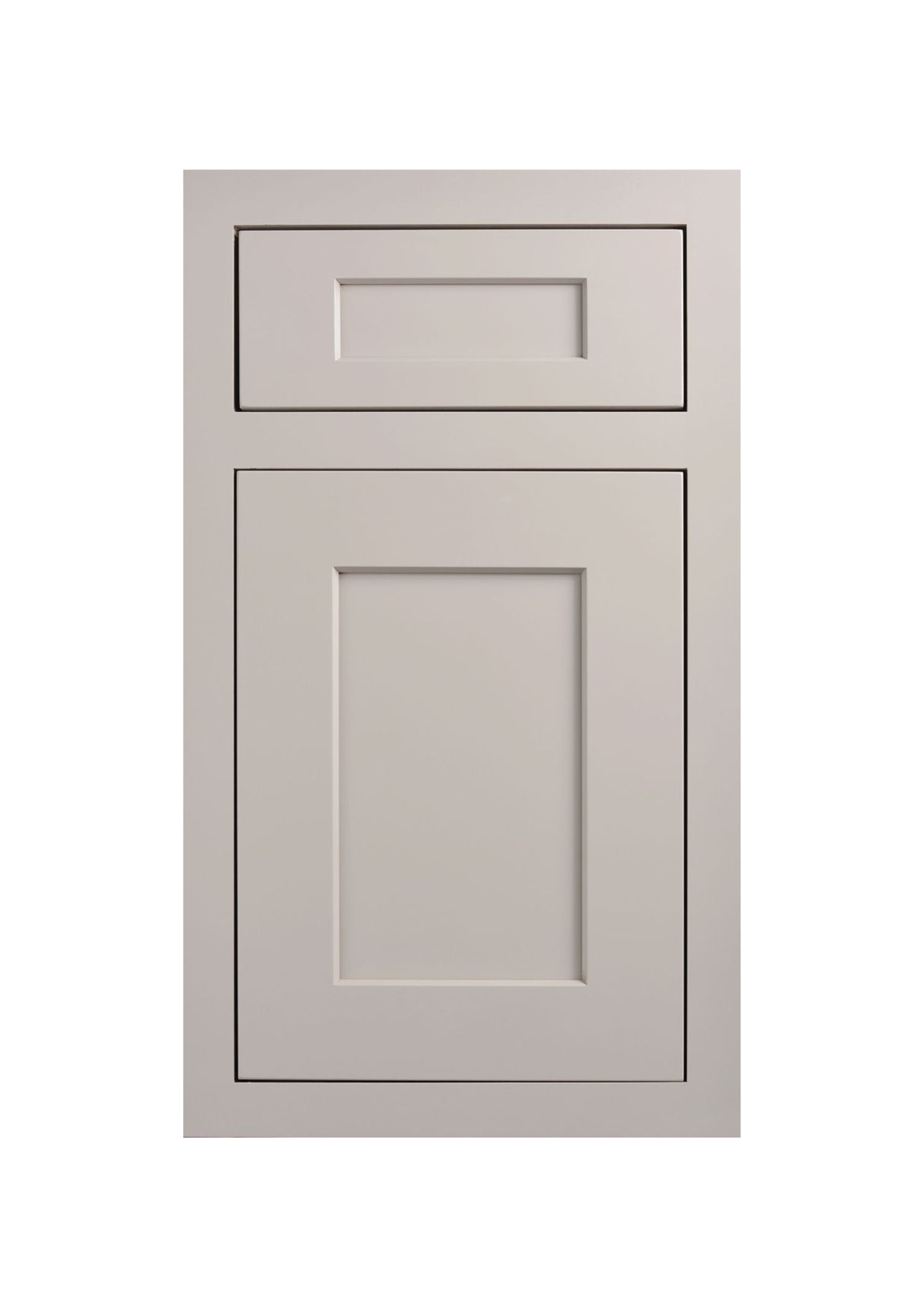
Framed cabinets — also called face-frame cabinets — feature a rectangular hardwood or plywood frame attached to the front of the cabinet box. This face frame covers the raw edges of the box and provides structural support. Doors and drawers are then mounted to the face frame, either partially overlaying it (partial overlay), fully overlaying it (full overlay), or sitting flush within it (inset).
The face frame is typically made from solid wood — poplar, maple, or alder are common — and is joined to the cabinet box with glue and pocket screws or staples. When cabinets are installed in a run, they are attached through the width of the face frame using longer screws (usually 2.5 inches), which allows for a more rigid cabinet-to-cabinet connection.
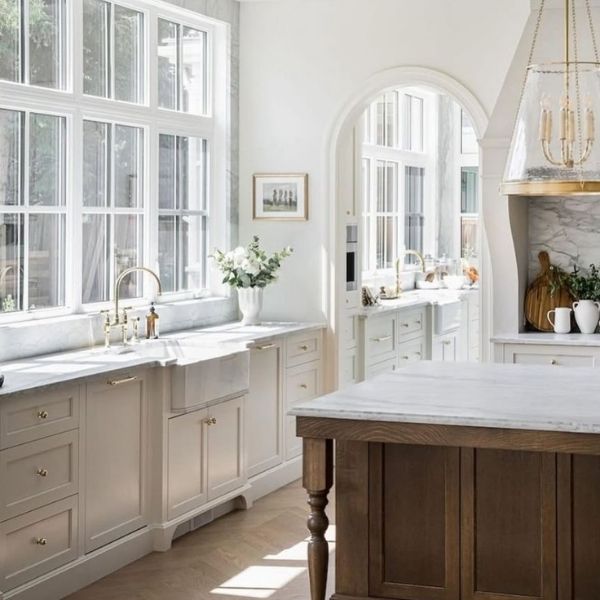
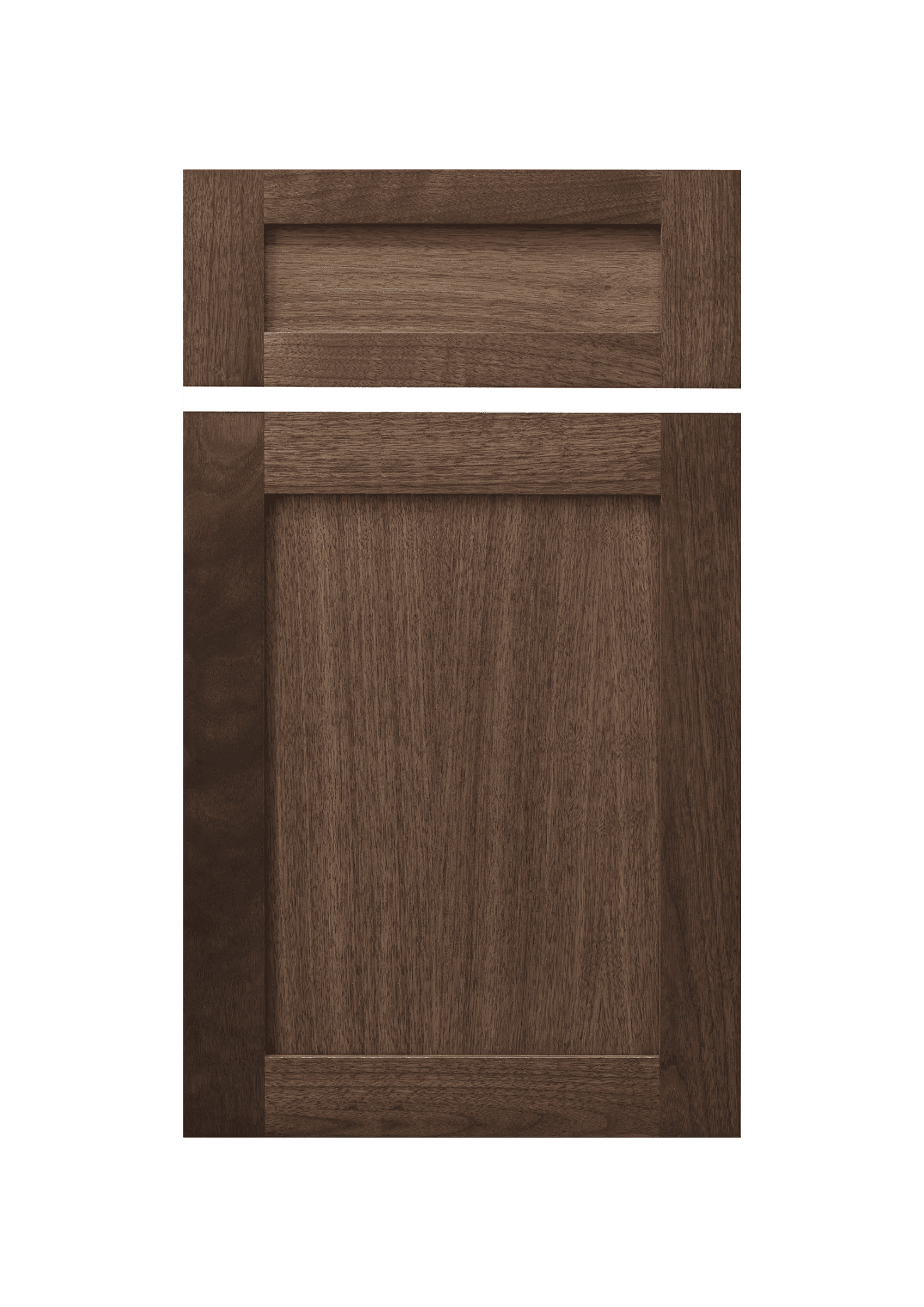
Face-frame construction provides additional rigidity and supports traditional door styles.
Common applications: Traditional and transitional kitchens, shaker-style cabinetry, American-market residential projects, projects where inset door styles are specified.
Framed cabinets are especially popular for shaker-style kitchens, where timeless aesthetics meet modern functionality. Learn more about the growing demand for modern shaker cabinets in today’s residential market
Frameless cabinets — often called European-style or full-access cabinets — eliminate the face frame entirely. The door and drawer fronts mount directly to the cabinet box sides using concealed hinges (typically 35mm cup hinges) and undermount or side-mount drawer slides. Because there is no frame creating a lip around the opening, the interior of the cabinet is fully accessible.
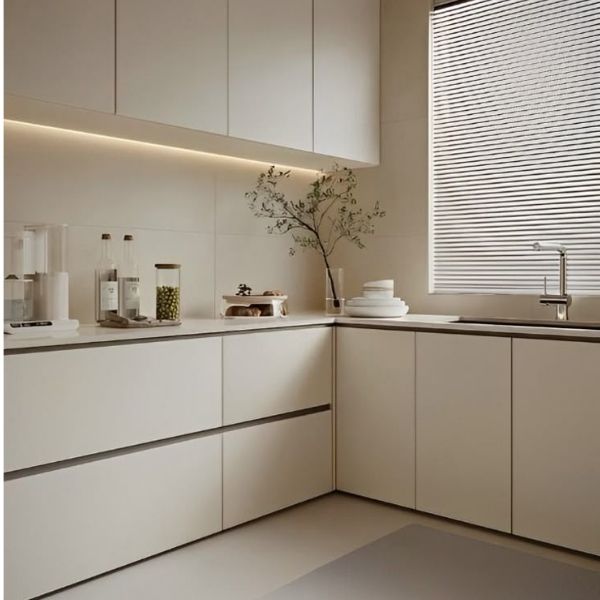
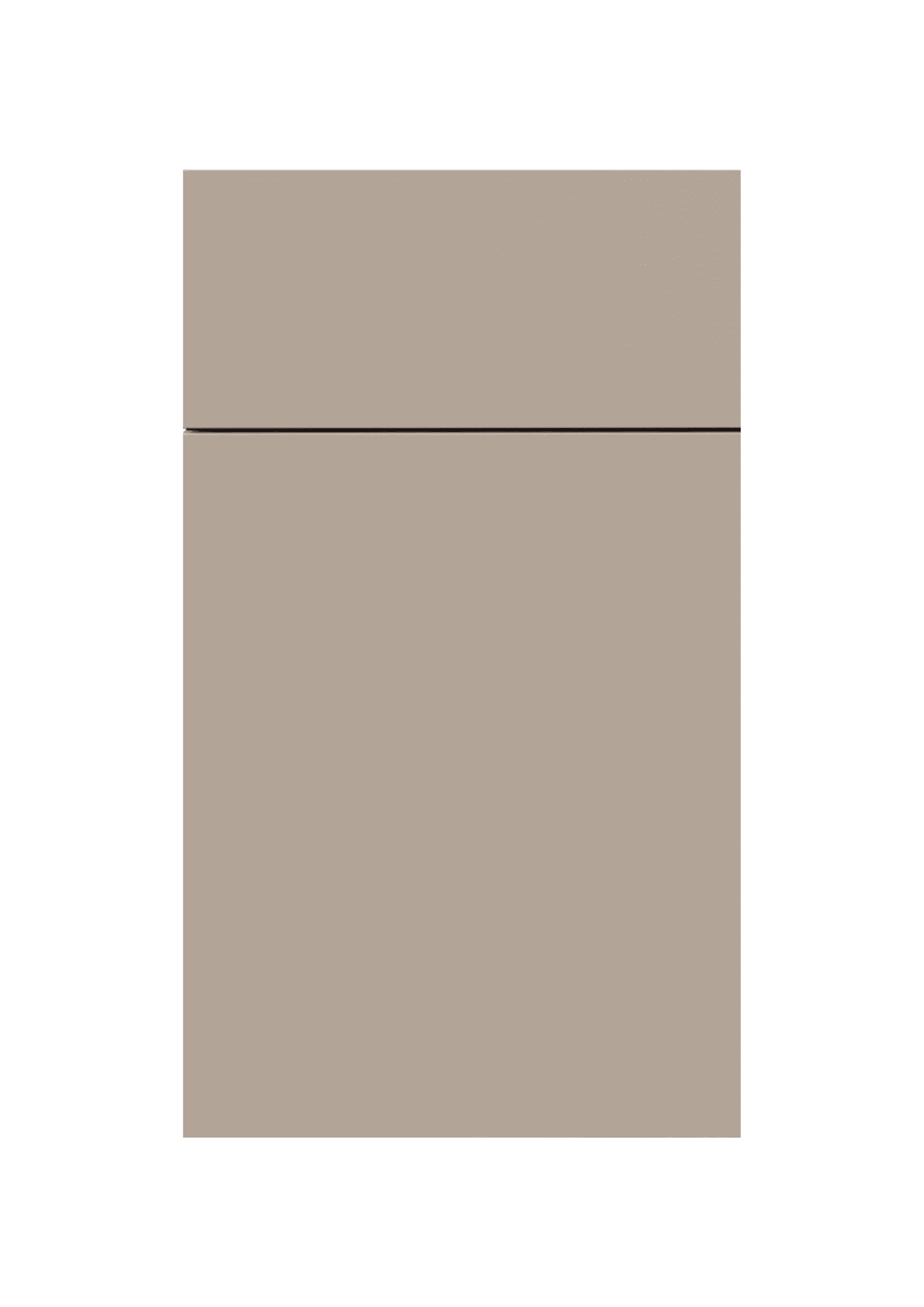
Frameless cabinets maximize interior storage space through full-access construction.
Without the face frame providing structural rigidity, the cabinet box itself must bear more load. This means frameless construction typically requires thicker side panels (18mm or 19mm is standard vs. 12–15mm common in framed boxes) and high-quality edge banding on all exposed panels. Materials like 18mm melamine-faced particleboard, MDF, or plywood are widely used.
Common applications: Contemporary and minimalist kitchens, European export markets, urban multifamily and hospitality projects, full-overlay flat-panel (slab) door styles.
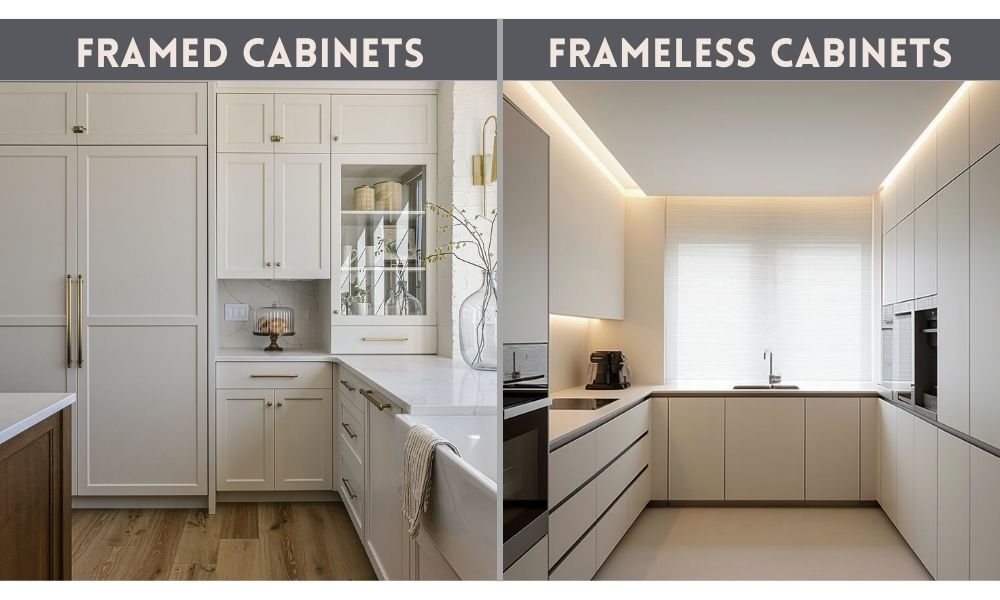
Structural comparison of face-frame and frameless cabinet systems.
| Feature | Framed Cabinets | Frameless Cabinets |
|---|---|---|
| Face frame | Yes (solid wood or plywood) | No |
| Door mounting | Mounted to face frame | Mounted to cabinet side panels |
| Cabinet-to-cabinet connection | Through face frame (longer screws) | Through side panels (shorter screws) |
| Box panel thickness (typical) | 12–15mm | 18–19mm |
| Interior access | Reduced by frame overlap (1.5–2 inch per side) | Full-width access |
| Storage yield | Standard | 10–15% more usable interior space |
| Hinge type | European concealed or face-frame specific | European concealed (35mm cup) |
| Common door styles | Shaker, raised panel, inset, overlay | Slab, flat panel, full overlay |
| Manufacturing complexity | Higher (face frame assembly adds steps) | Lower (fewer components, faster CNC output) |
| Primary markets | USA, Canada, Australia | Europe, Scandinavia, urban USA |
Framed cabinets still hold the majority position in the United States. Approximately two-thirds of kitchen cabinet installations by professionals are framed construction, while one-third are frameless. However, the growth trajectory favors frameless: industry data indicates frameless cabinet demand is growing at more than double the rate of framed, driven by the expansion of flat-panel door styles, open-plan contemporary kitchens, and urban multifamily housing projects where storage maximization matters.
For distributors, this split matters for inventory planning. A portfolio that covers both construction types is increasingly important for serving contractors who work across different design segments. A dealer focused exclusively on traditional residential remodeling can concentrate on framed stock; one serving developers, hospitality, or urban markets will see stronger frameless pull.
From a manufacturing cost perspective, the dynamics are nuanced. Framed cabinets require additional solid wood or plywood for the face frame, plus the labor to cut, join, and attach it. That said, framed construction allows thinner box panels, which can offset some of the face frame material cost. At the retail level, complete framed kitchen packages tend to price approximately USD 1,000 lower than equivalent frameless kitchens (Cabinet Corp, 2025) — though this varies significantly by brand positioning and material grade.
At the factory level, frameless cabinets are generally faster to produce once the CNC panel processing is set up. The absence of face frame assembly reduces labor time per unit and simplifies nesting (the process of cutting multiple panels from a single sheet). This matters when you’re placing orders of 50, 100, or 500 sets — even small per-unit time savings translate to meaningful cost and lead time differences.
Frameless cabinets do require thicker panels and high-quality edge banding, which adds material cost per box. Buyers should request detailed Bill of Materials (BOM) breakdowns from their manufacturer to understand where cost differences actually lie for their specific specifications.
Hardware selection differs significantly between construction types and affects both unit cost and the end-user installation experience.
For framed cabinets, hinges must be compatible with face frame mounting — either face-frame specific cup hinges or surface-mount hinges. Drawer slides in framed cabinets typically run on a side-mount system inside the narrowed opening. For frameless, European concealed hinges (35mm cup) are universal, and undermount soft-close drawer slides are standard. Frameless construction is widely compatible with the full range of European hardware from Hettich, Blum, and Grass — which can be an advantage when sourcing from Vietnamese OEM factories already equipped with these systems.
When reviewing factory quotes, confirm whether hardware is included in the FOB price or quoted separately. Soft-close hinges and undermount slides add cost but are increasingly expected by end-buyers in both construction types.
Whether you’re ordering framed or frameless cabinets, precision in your specifications prevents costly production errors. Below are the minimum technical details to confirm before placing an OEM order:
Construction type also affects logistics, particularly for RTA products. Frameless RTA cabinets, with their flat panel construction and absence of the face frame assembly, are highly compact when flat-packed. A 40-foot container can typically carry more frameless RTA cabinet sets than an equivalent load of framed cabinets, which include the face frame as an additional component that can create irregular packing shapes.
Pre-assembled framed cabinets shipped from Vietnam or other Asian manufacturing hubs are significantly less container-efficient than flat-pack, but some buyers require pre-assembled units to reduce on-site labor. Discuss RTA vs. pre-assembled options with your factory early, as the production setup differs and affects lead times as well as shipping calculations.
The answer depends on your target market and customer profile:
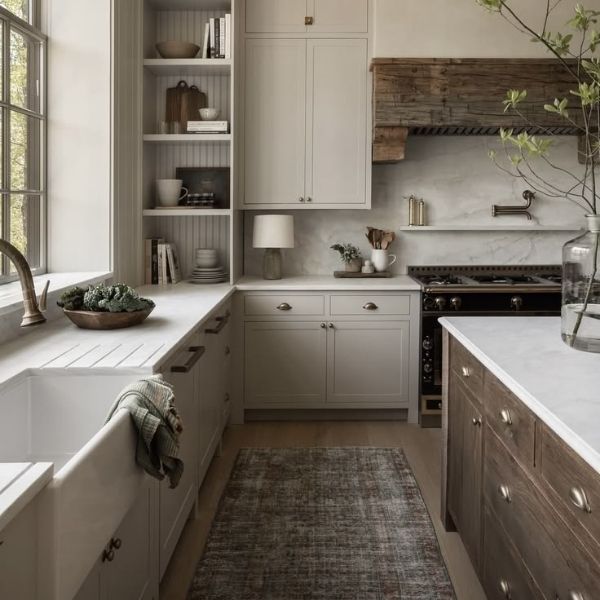
Inset cabinets feature doors that sit flush within the face frame.
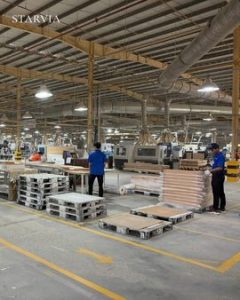
Starvia produces both framed and frameless kitchen cabinets from its Vietnam manufacturing facilities, offering full flexibility in materials, door styles, and finishes for wholesale and OEM buyers. With over 20 years of export experience, Starvia’s production lines are equipped to handle both construction types at scale, with CARB-compliant materials available for US-bound orders.
Before committing to a supplier for either construction type, use this checklist:
The frameless vs framed kitchen cabinets decision is not one-size-fits-all for wholesale buyers. Framed construction remains the dominant standard in North America and is essential for traditional door styles and true inset applications. Frameless construction is growing faster, aligns with contemporary design trends, and offers manufacturing and shipping efficiencies that matter at volume. For importers and distributors building a scalable cabinet business, understanding both — and having an OEM partner capable of delivering both — is a significant operational asset.
Explore Starvia’s cabinet collections at starvia.com.vn or contact us to discuss your requirements.

 View collection
 View collection
 View collection
 View collection