- Our Products
-
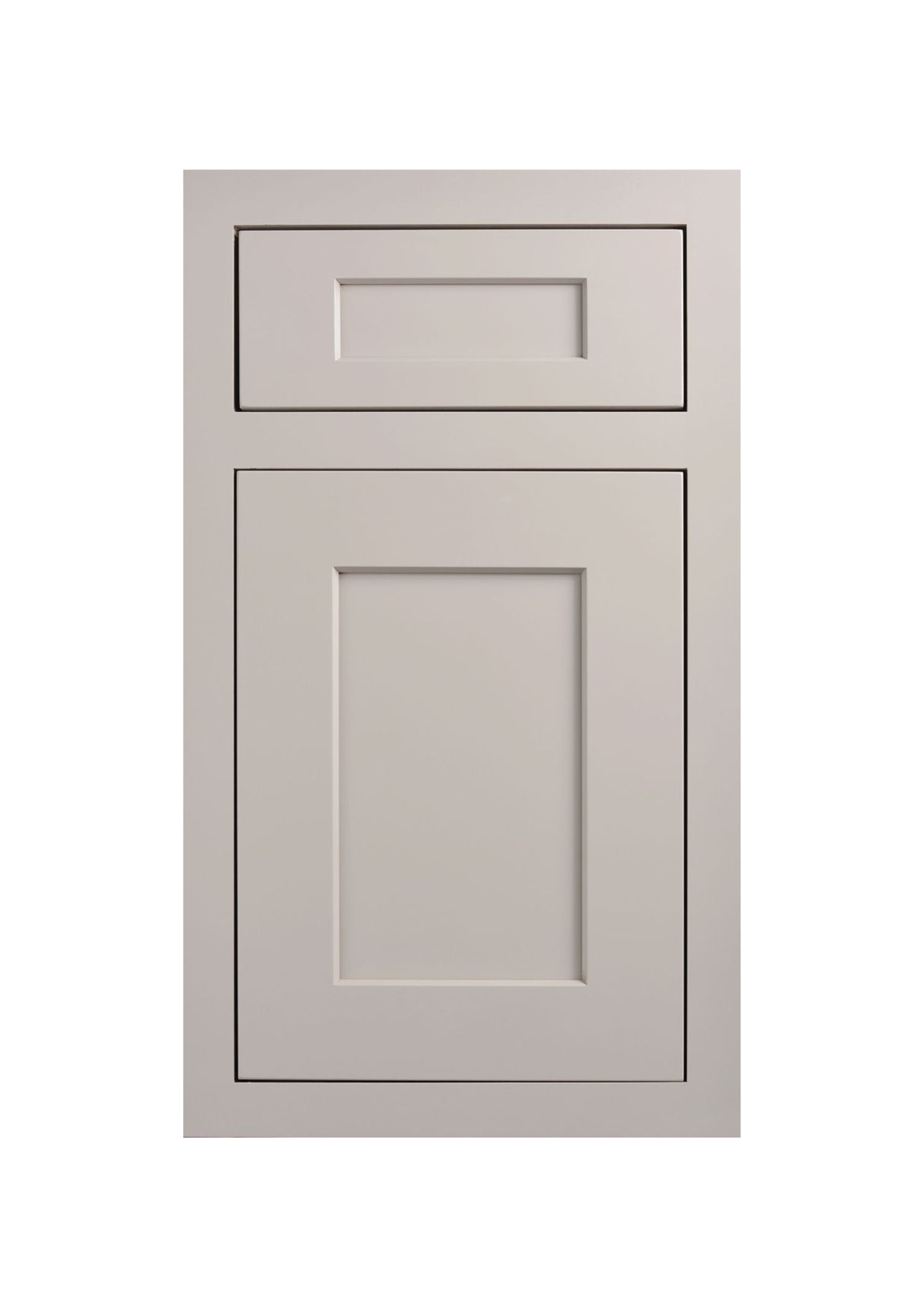
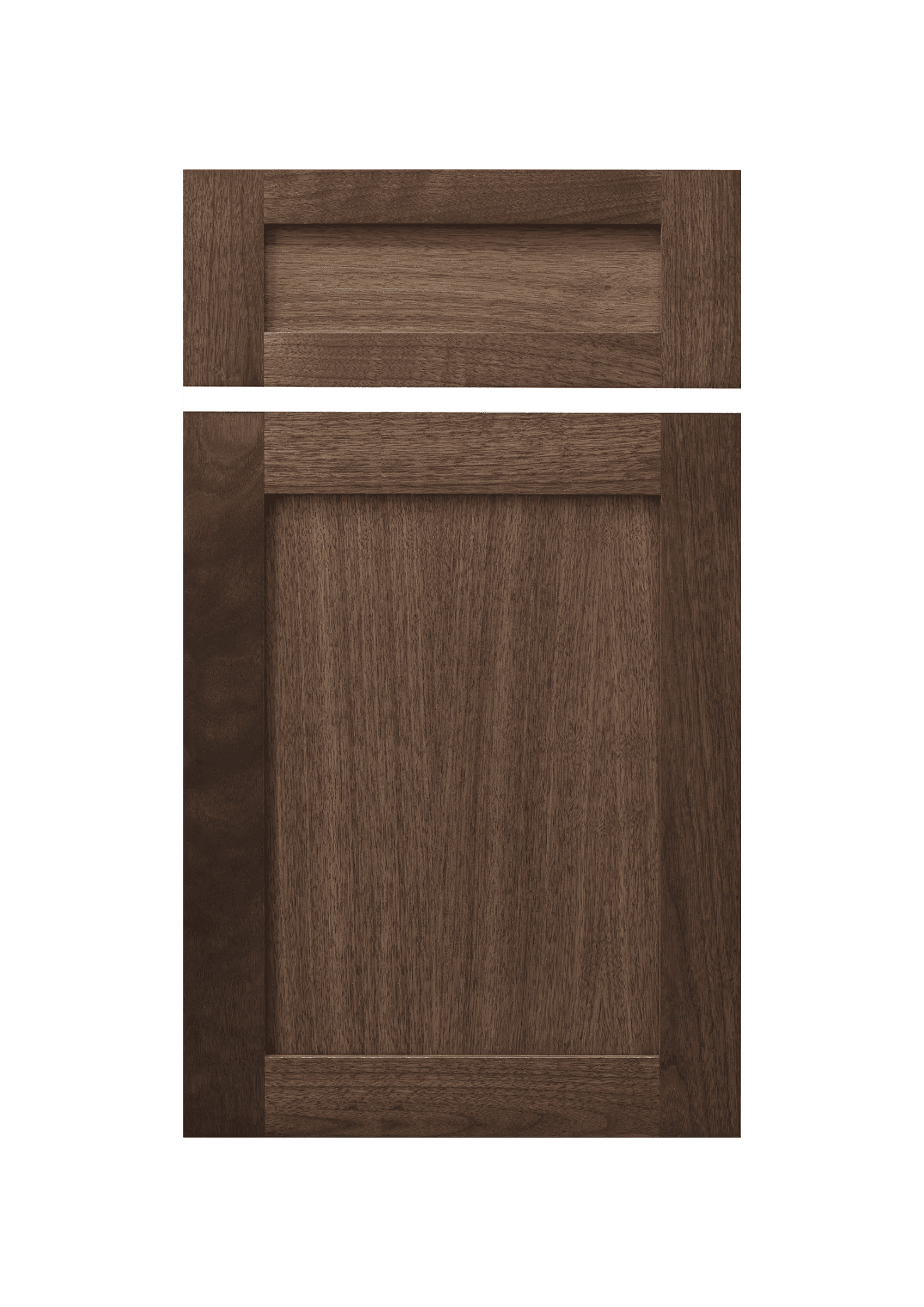
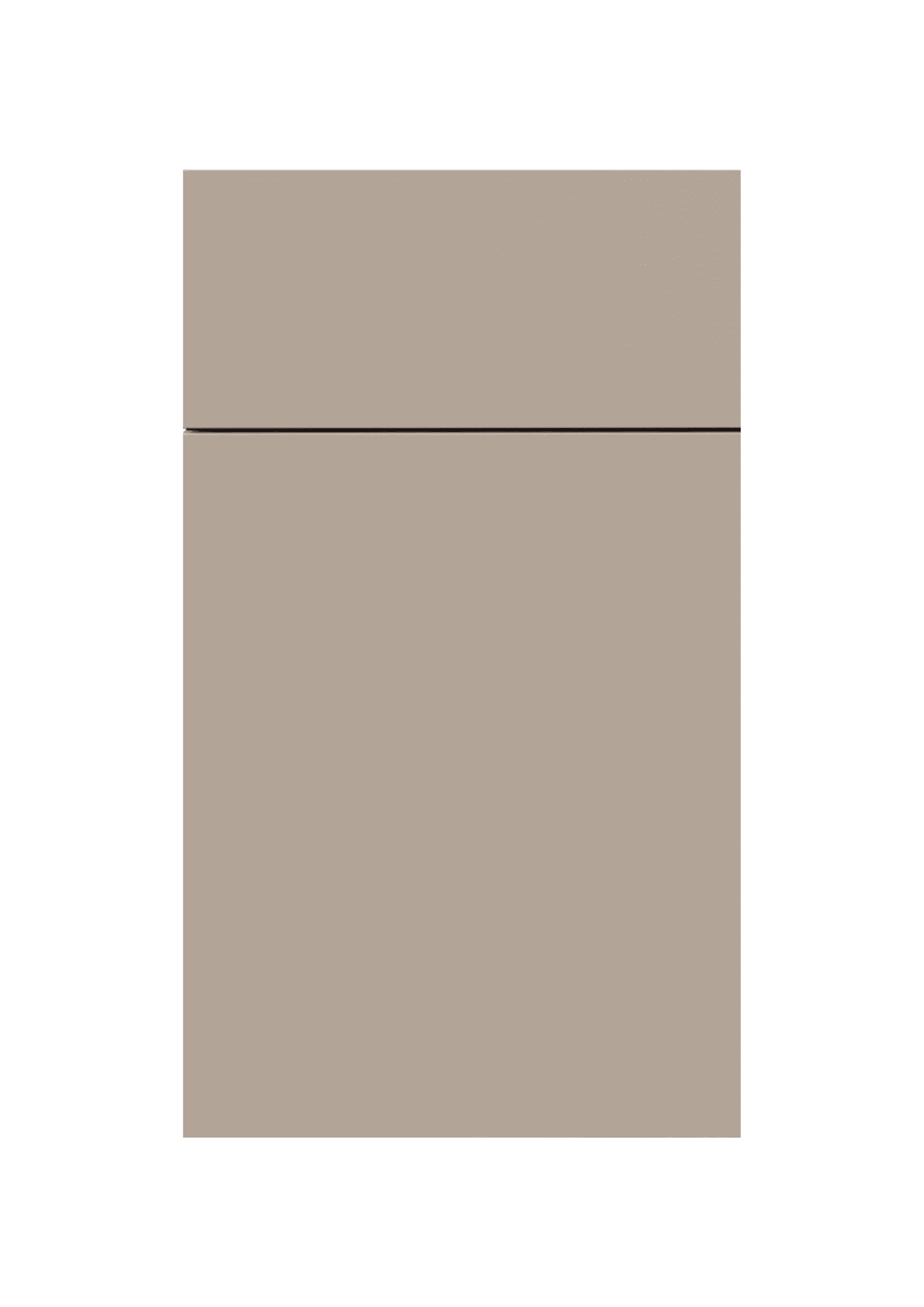
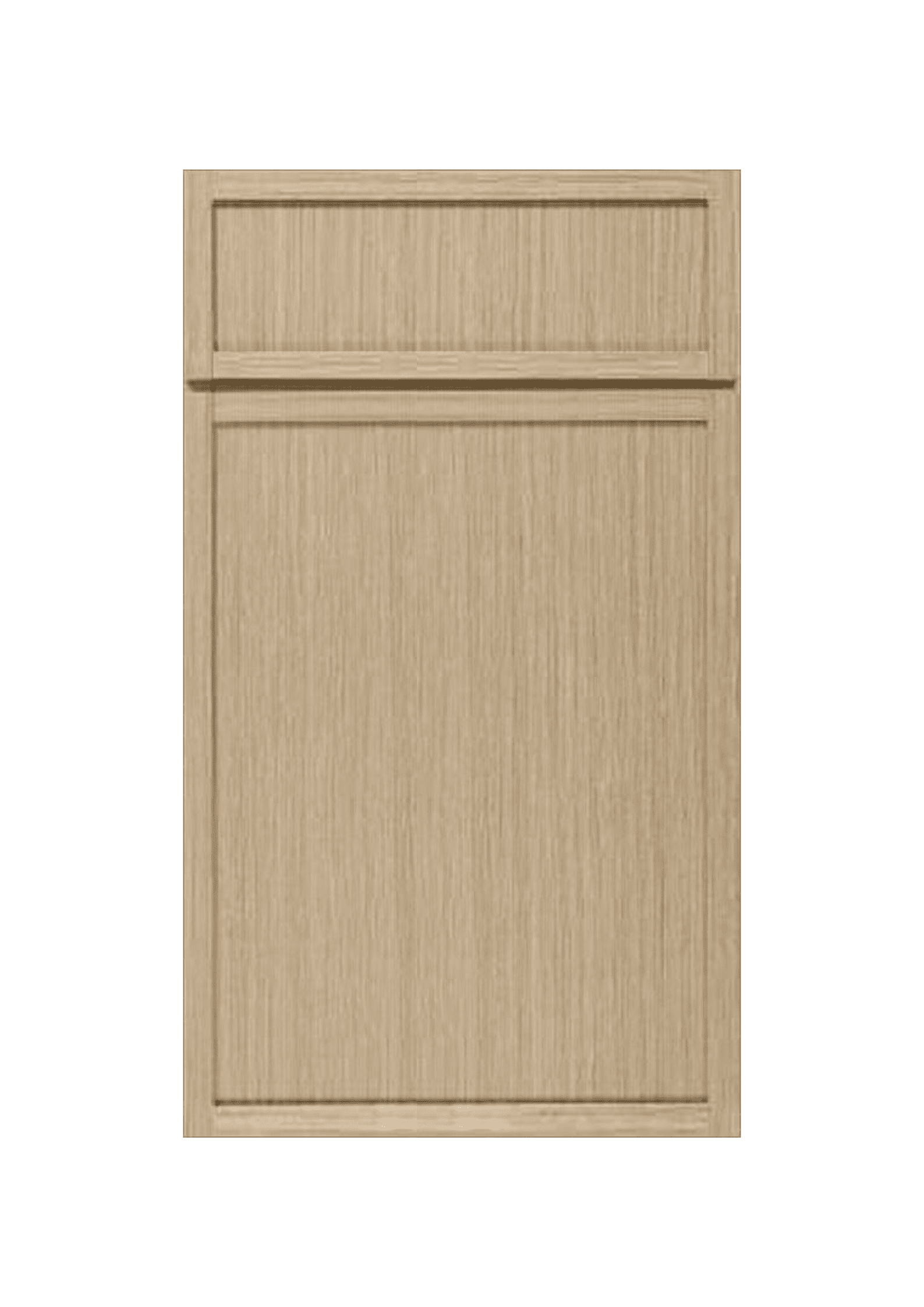
Choose your Cabinet Style
-
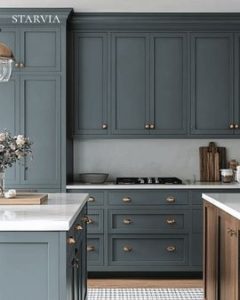
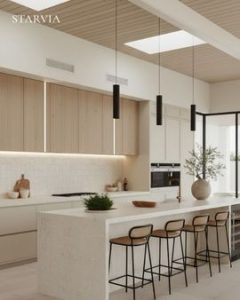
Lacquer finish has become the specification of choice for wholesale buyers importing kitchen cabinets from Vietnam. A lacquer kitchen cabinets manufacturer Vietnam combines three advantages that no other sourcing region matches: precision spray-line technology, a wide RAL/NCS color program, and CARB Phase 2 substrate compliance — all at FOB pricing that outperforms equivalent production in Europe or North America by 55–65%.
This guide covers lacquer finish types, substrate options, production specifications, FOB pricing, and the quality benchmarks wholesale importers should verify before placing a container order.
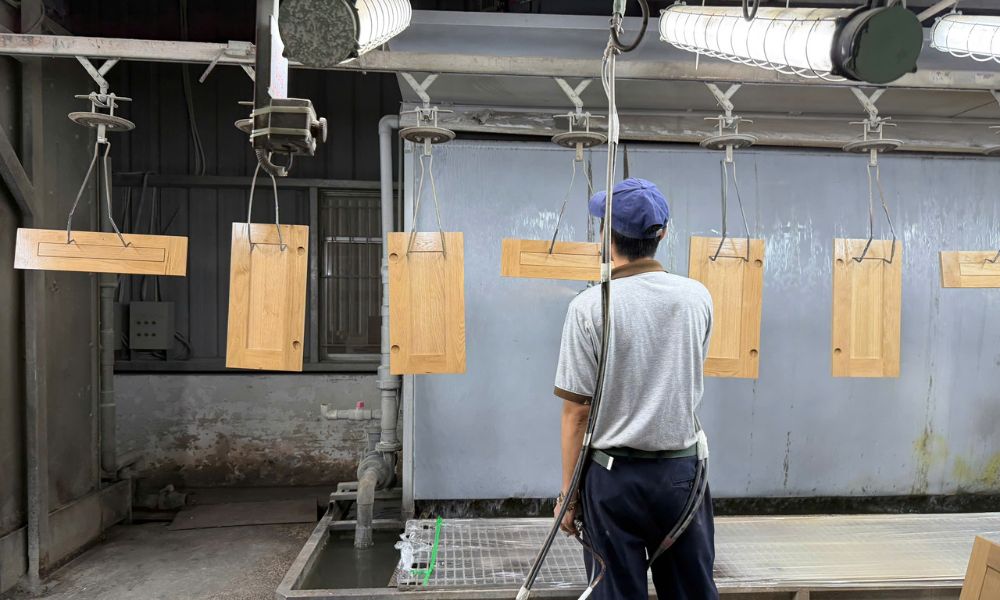
Comparison of PU spray lacquer and UV curing systems.
A reputable lacquer kitchen cabinets manufacturer Vietnam runs at least two lacquer systems — typically PU (polyurethane) and UV (ultraviolet-cured). The right choice depends on your end market, gloss preference, and delivery timeline.
PU lacquer is the most widely used system for export-grade lacquer kitchen cabinets from Vietnam. It is spray-applied in 3–5 coats with sanding between each coat, producing a dense, hard film with excellent adhesion to MDF and solid wood.
UV lacquer cures instantly under ultraviolet light rather than air-drying over days. This makes UV-finished lacquer kitchen cabinets faster to produce — cure cycle is measured in seconds per panel rather than hours per coat.
UV is most practical for flat panels (slab doors, drawer fronts). Profiled or routed doors are better suited to PU spray systems.
Water-based lacquer is the lowest-VOC option and is increasingly requested by European buyers under REACH regulations. It offers superior non-yellowing performance over time, with slightly softer film hardness than solvent PU.
A lacquer kitchen cabinets manufacturer Vietnam running water-based systems typically requires 4–6 spray passes versus 3 passes for solvent PU — adding 3–5 days to lead time.
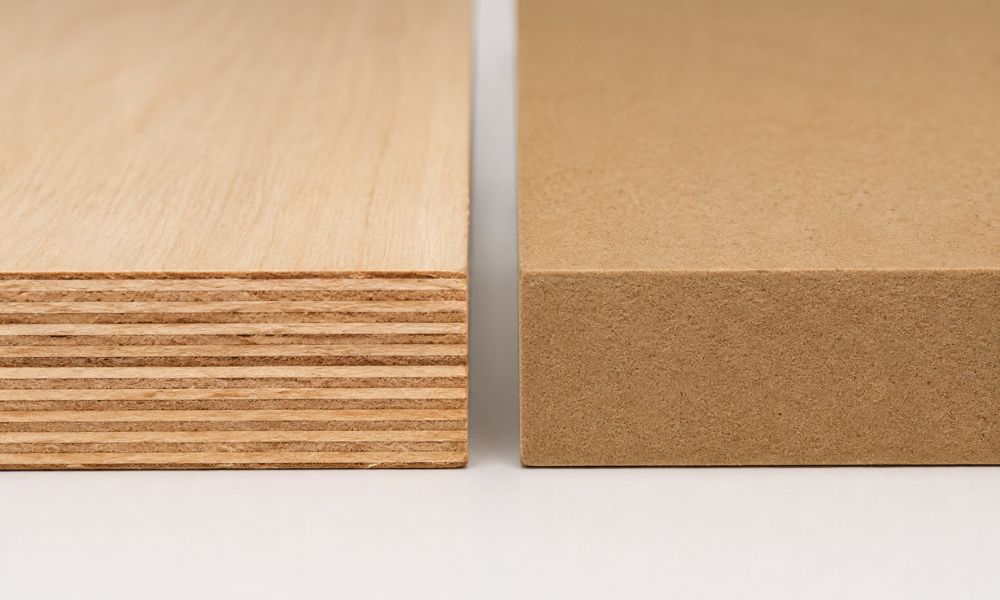
Common substrates used for lacquer kitchen cabinets.
The substrate under the lacquer film determines long-term performance more than the lacquer system itself.
MDF is the standard substrate for lacquer door panels. Its uniform density and smooth surface require minimal primer sealing before lacquer application, reducing material cost and improving color consistency across a production run.
HMR-MDF reduces water absorption from ~60% to under 10% after a 24-hour soak. It is specified for lacquer kitchen cabinets in humid climates — Southeast Asia, Florida, coastal Australia — where standard MDF would swell at panel edges over time.
Plywood-box construction with lacquer MDF door panels is the premium specification for a lacquer kitchen cabinets manufacturer Vietnam targeting the US builder market. The plywood box provides superior screw-holding for hinge cups and drawer slides, while the MDF door delivers the smooth lacquer surface buyers expect.
See our plywood kitchen cabinets specification guide for substrate grade and panel thickness options.
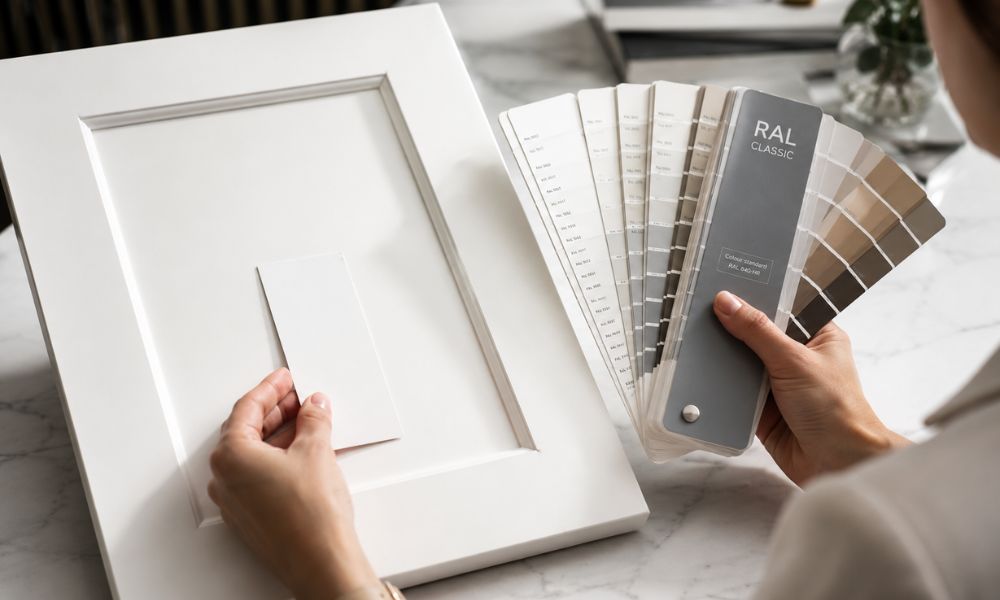
RAL and NCS color matching ensures consistent cabinet finishes.
Color accuracy is the most critical specification for lacquer kitchen cabinets imported at container scale. A 200-piece order must be consistent across every door, drawer front, and panel — even across two production shifts.
What to specify when ordering from a lacquer kitchen cabinets manufacturer Vietnam:
Per NKBA kitchen design guidelines, finish consistency is evaluated under CIE D65 illuminant at a 45°/0° viewing geometry — request factory QC spectrophotometer reports confirming this standard.
Lacquer finish adds cost relative to melamine because of the multi-coat spray process, longer cure time, and higher material input. Here is a realistic FOB pricing range for a standard 40-ft container:
| Specification | FOB Hải Phòng / container |
|---|---|
| MDF box + PU lacquer MDF doors (matte/satin) | $52,000–$64,000 |
| Plywood box + PU lacquer MDF doors | $65,000–$78,000 |
| Plywood box + UV lacquer flat-slab doors | $60,000–$72,000 |
| Plywood box + water-based lacquer doors | $68,000–$82,000 |
Multi-color programs (two or more RAL codes per container) add $2,000–$4,000 for line changeover and color verification.
For a full breakdown of how FOB price is built from material, labor, finishing, and packaging cost, see our Vietnam FOB pricing guide.
All lacquer kitchen cabinets exported to the US must comply with CARB Phase 2 formaldehyde emission standards. The lacquer film itself is not regulated under CARB — the substrate (MDF, particleboard, or plywood) is the regulated material.
CARB Phase 2 limits:
Confirm your lacquer kitchen cabinets manufacturer Vietnam holds a valid CARB/EPA Third Party Certifier certificate for their substrate. Verify the certificate number on the California ARB composite wood registry.
Lacquer production runs longer than melamine because of multi-coat spray and cure periods. Plan accordingly:
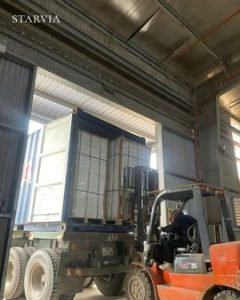
MOQ is 1 × 40-ft container. Ocean freight from Hải Phòng adds 18–22 days to US West Coast, 28–32 days to East Coast.
Before committing to a container, place a kitchen cabinet sample order to verify color match, film hardness, and packaging standard. Lacquer sample lead time: 14–21 days door-to-door.
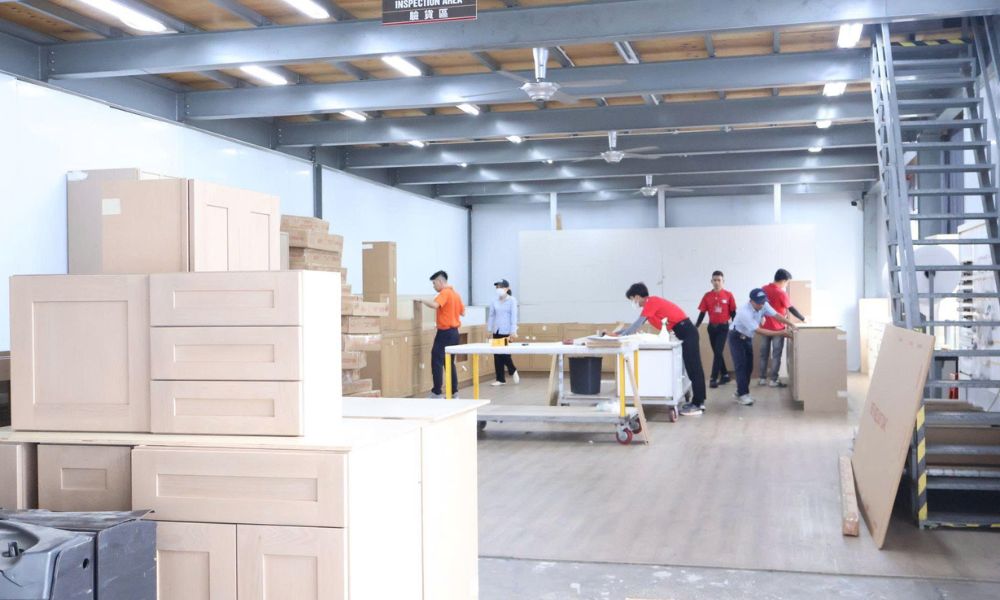
Quality inspection before exporting lacquer kitchen cabinets.
Pre-shipment inspection for lacquer cabinets covers additional checkpoints beyond standard cabinet QC:
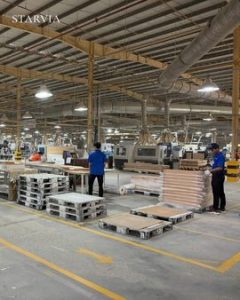
Starvia is a lacquer kitchen cabinets manufacturer Vietnam running dedicated PU and UV spray lines with automated color mixing for batch-to-batch consistency. All lacquer kitchen cabinets are produced to CARB Phase 2 substrate specification (cert. No. CARB/EPA23072) with spectrophotometer QC at three stages: primer, base coat, and before packaging.
Program highlights:
Submit your RAL code, gloss level, substrate preference, and target FOB budget via our project inquiry page — specification sheet and FOB quote returned within 24 hours.
PU lacquer applied in 3+ coats is generally harder and more chemical-resistant than water-based paint — pencil hardness 2H–4H vs. H–2H. Both are susceptible to impact chipping at door edges. Specify 1mm ABS edge banding on all lacquer doors to protect the perimeter.
Yes. Provide a physical chip or specify the RAL/NCS code. The factory produces a color match sample for approval before production. Allow 10–14 days for the match development cycle.
Yes, provided the manufacturer holds a valid CARB Phase 2 certificate for the substrate. The lacquer coating does not require additional US import certification. Confirm HS code with your customs broker — kitchen cabinets typically clear under HTS 9403.40.
MOQ is 1 × 40-ft container, holding 800–1,000 flat-packed pieces depending on door profile and packaging density.
Retain a sealed, signed approval chip from your first order. Specify all future production must match within ΔE ≤1.5. Request spectrophotometer reports for each subsequent order and compare against the original chip values.
 View collection
 View collection
 View collection
 View collection