- Our Products
-
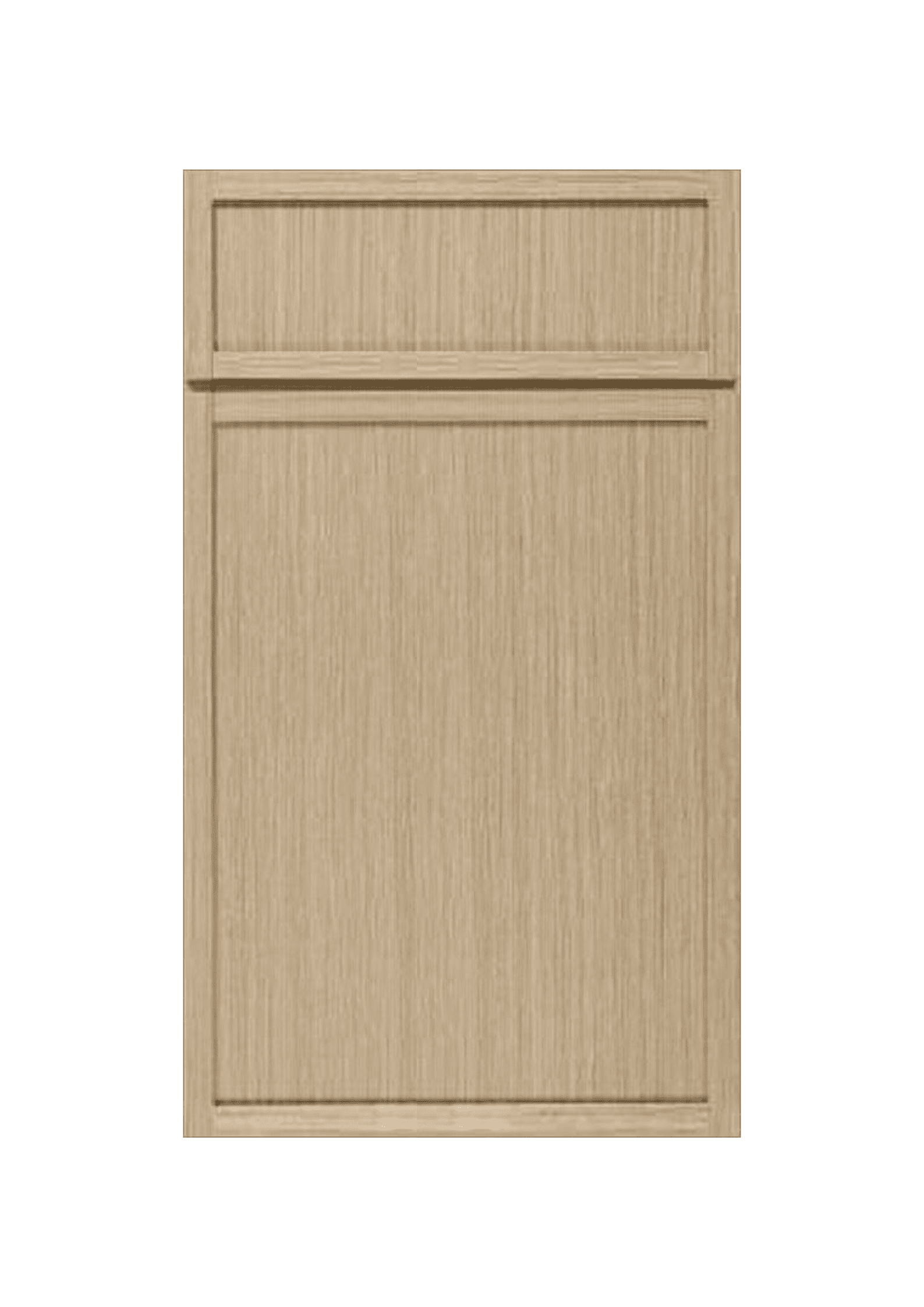
Choose your Cabinet Style
-

Vietnam vs Malaysia kitchen cabinet manufacturing is the sourcing question most wholesale buyers ask once they move past a single supplier quote. Both countries sit inside the same Southeast Asia OEM belt, but they differ sharply on capacity, labor cost, wood species access and lead time. This guide breaks down Vietnam vs Malaysia kitchen cabinet manufacturing across the factors that actually move a purchase order, not just headline pricing.
Buyers who only compare a single FOB quote often miss the operational gap between the two origins — factory scale, finish-line depth and documentation practices all shift the real landed cost once a program moves past a sample order.
Trade data tells the clearest story. Vietnam now accounts for roughly 40% of US wooden kitchen furniture imports by value, up from about 28% only a few years ago, according to UN Comtrade figures. Malaysia holds a single-digit share of the same import basket. That gap did not appear overnight — it reflects a decade of factory investment, container throughput and buyer migration toward Vietnam-based OEM production.
For a buyer comparing Vietnam vs Malaysia kitchen cabinet manufacturing on scale alone, Vietnam’s factory base is simply larger and more specialized in kitchen cabinetry specifically, rather than furniture in general. Malaysia’s manufacturing strength leans toward electronics and higher-value component work, with wood furniture as a secondary export category rather than a national specialty.
That specialization shows up in supplier depth. A US buyer sourcing from Vietnam can typically choose among dozens of established, export-grade kitchen cabinet factories with container track records spanning several years. The Malaysian supplier pool for kitchen cabinets specifically is thinner, which can mean fewer backup options if a primary factory hits a capacity ceiling during peak ordering season.
Demand backdrop matters too. US housing starts sat near 1.18 million units as of a recent reading, with the NAHB Housing Market Index around 35/100 — a soft new-construction environment that pushes more remodeling and cabinet-replacement volume toward import channels rather than new-build cabinetry. That shift favors whichever origin can hold consistent container output through a slower demand cycle, which is again where Vietnam’s larger dedicated factory base has an edge over Malaysia’s thinner cabinet-specific supplier pool.
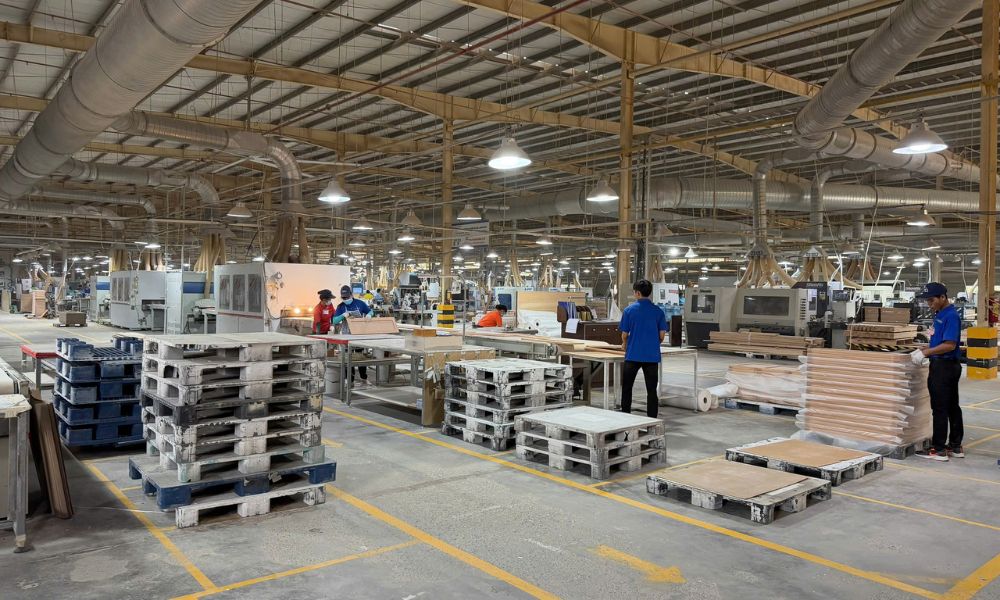
Modern CNC production lines support high-volume kitchen cabinet manufacturing.
Labor cost is where Vietnam vs Malaysia kitchen cabinet manufacturing comparisons diverge most. Average manufacturing wages in Vietnam run roughly 50% below Malaysia’s, and Malaysia’s minimum wage per hour is more than double Vietnam’s in USD terms. For labor-intensive processes like hand-sanding, assembly and finish inspection, that spread compounds directly into FOB pricing.
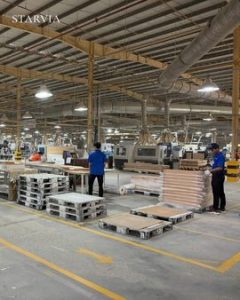
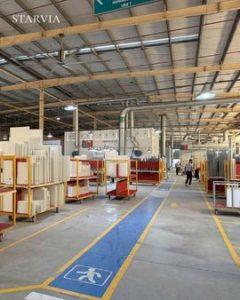
Factory scale follows a similar pattern. Large Vietnam OEM cabinet factories commonly run in the 100-150 container/month range, supported by CNC-driven cutting and edge-banding lines that keep tolerances tight across high-volume runs. A Starvia production facility, for example, runs Homag CNC equipment holding ±0.5mm tolerance across roughly 150 containers per month, output that keeps large program buyers on a single, predictable supply line instead of splitting orders across multiple factories.
Workforce size follows the same curve. A cabinet factory running 150 containers a month typically needs a production workforce in the range of 800-1,000 workers across cutting, assembly, finishing and QC lines. Malaysian factories serving the same volume tier exist, but the higher wage base pushes many mid-sized operators toward smaller, higher-margin runs rather than high-volume commodity cabinet programs.
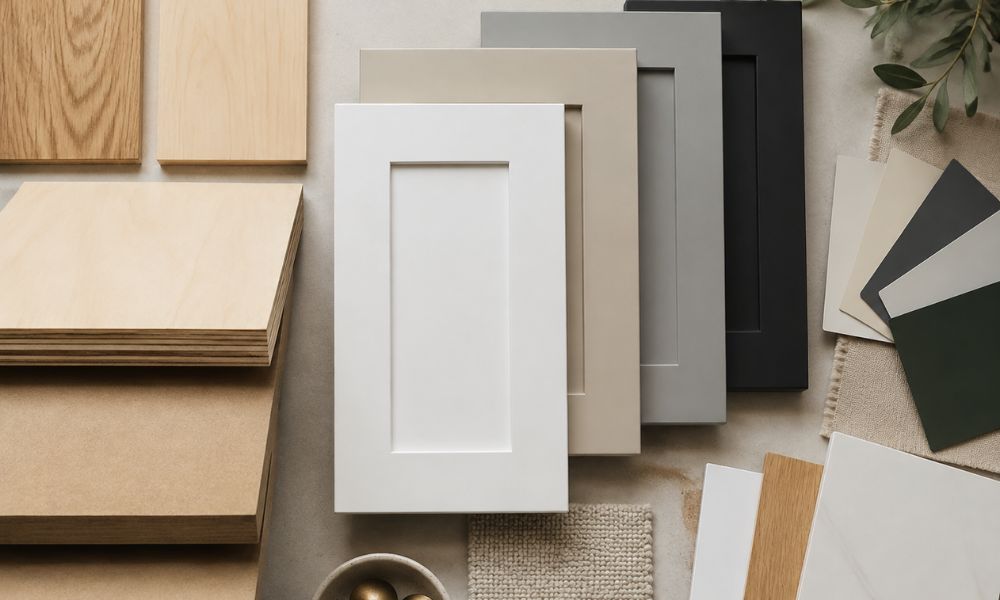
Wood species, plywood, MDF and cabinet finishes influence sourcing decisions.
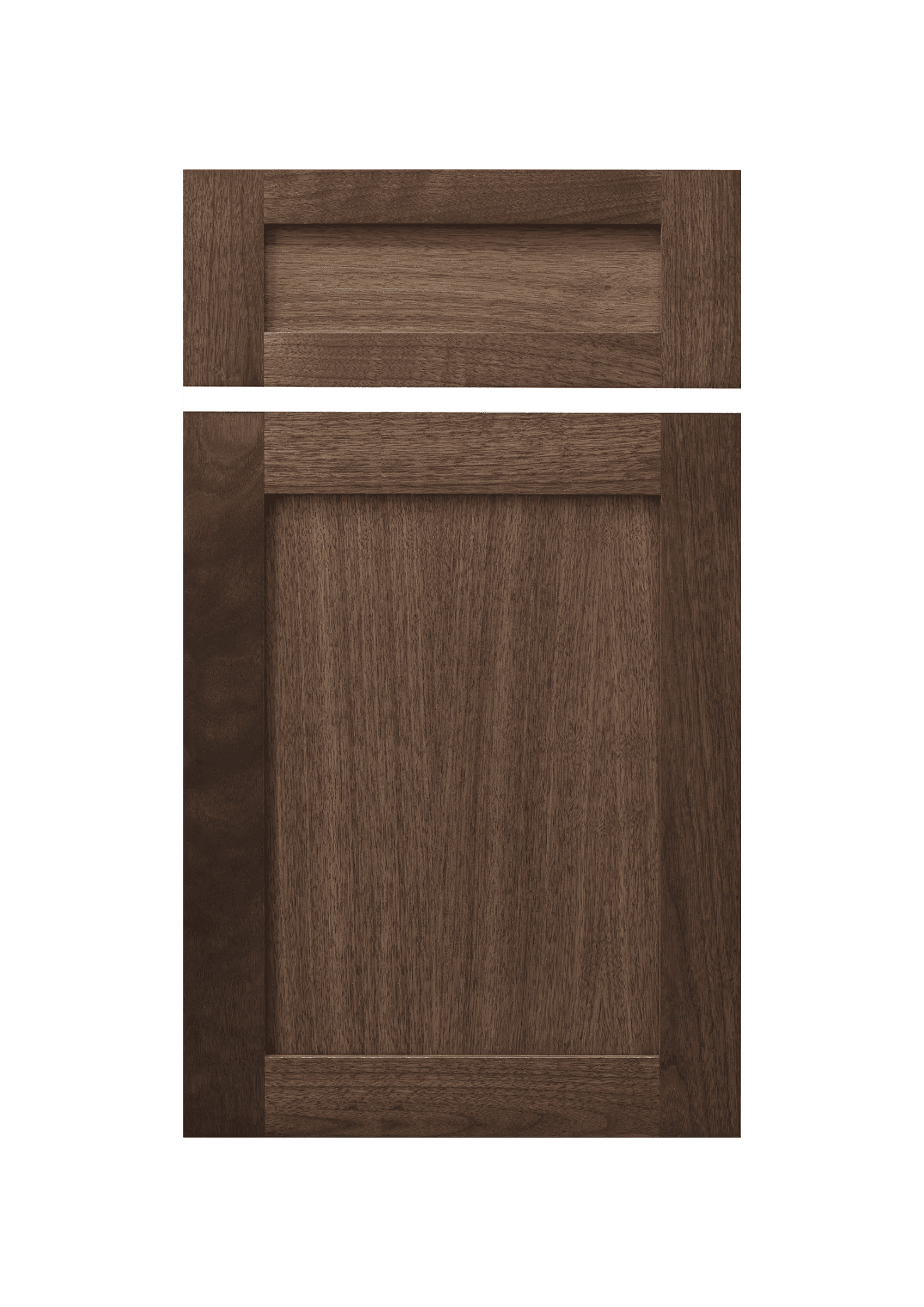
Both countries can produce solid wood, plywood and MDF-based cabinet doors, but sourcing depth differs. Vietnam’s proximity to legally harvested acacia, rubberwood and imported oak and maple gives factories a wide raw-material base without long inland freight. Chain-of-custody documentation from bodies like FSC is now standard practice for export-grade Vietnamese factories serving US and EU buyers.
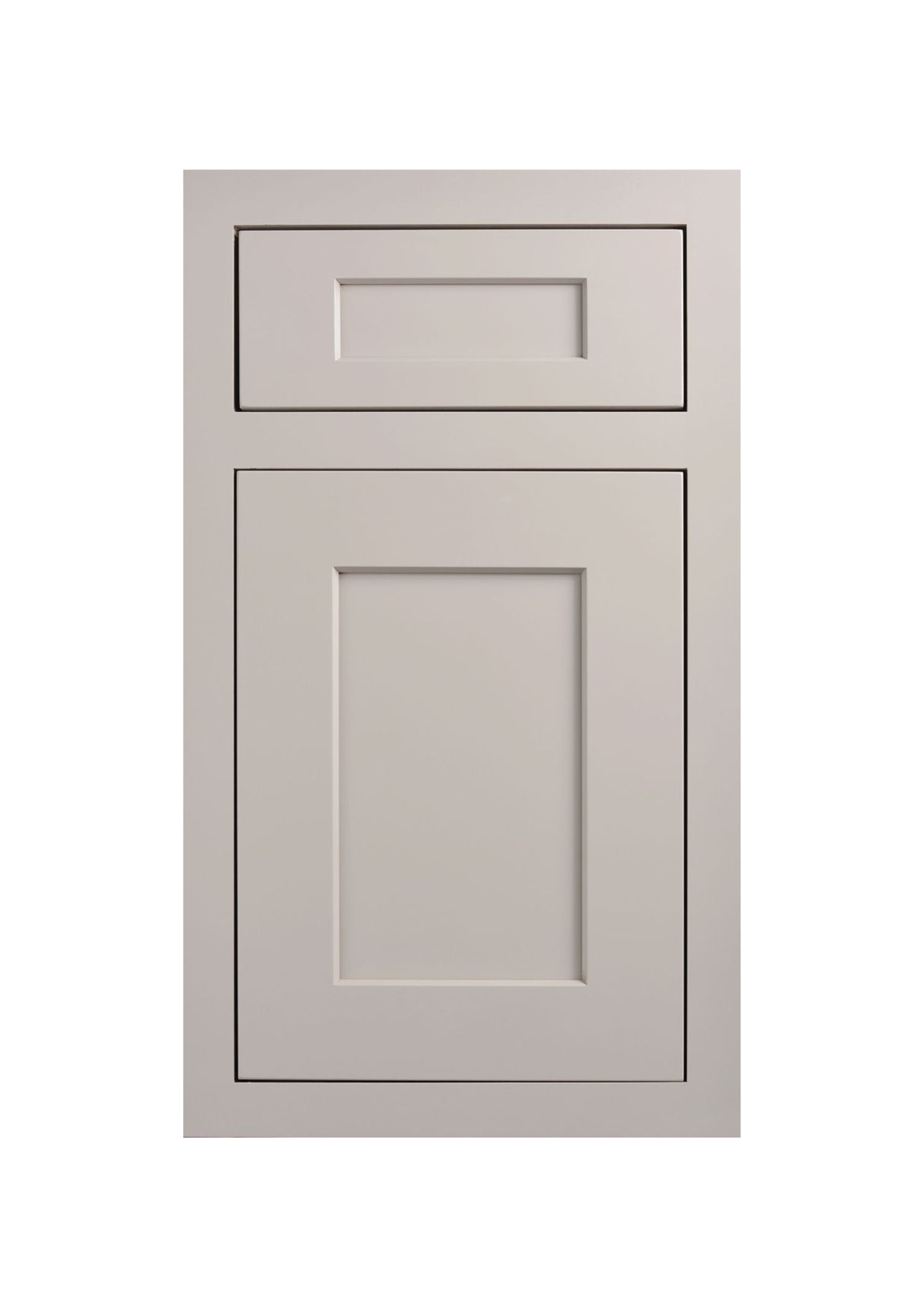
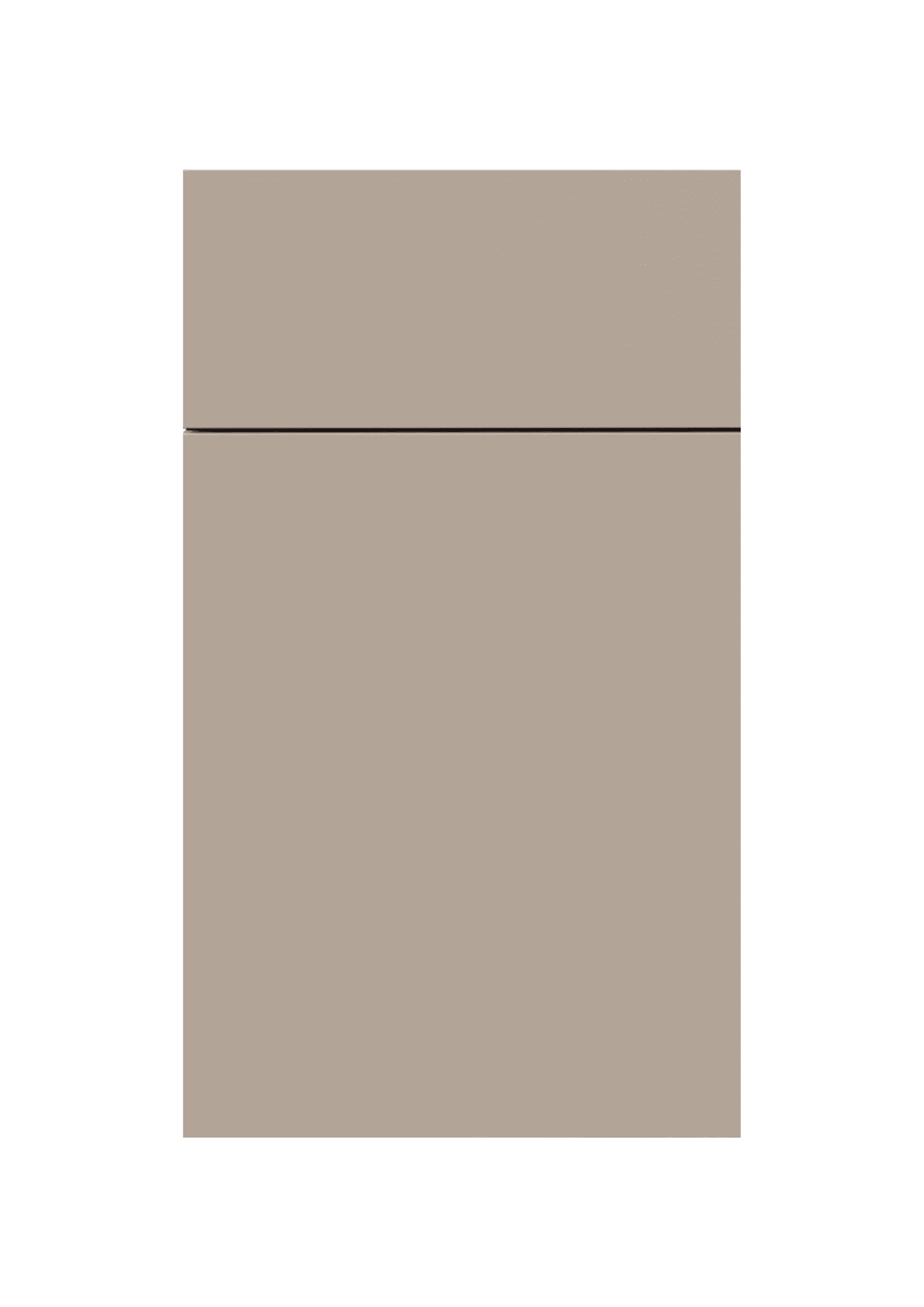
Finish programs on both sides typically include painted Shaker profiles, thermofoil and melamine entry lines, and lacquer or high-gloss upgrades. What separates factories is compliance paperwork: CARB Phase 2 emission certification is close to a baseline requirement for any wooden cabinet component entering California or reselling through big-box retail nationally, and buyers should confirm current certification numbers before issuing a PO regardless of which country wins the Vietnam vs Malaysia kitchen cabinet manufacturing comparison for their program.
Hardware sourcing adds another layer. Established Vietnam factories increasingly run in-house hinge and slide testing, citing cycle ratings above 50,000 open-close cycles on branded hardware lines, alongside PVD-tested pull and handle finishes for coastal and high-humidity markets. Buyers should ask both Vietnam and Malaysia suppliers for third-party or in-house cycle-test documentation rather than accepting a hardware brand name alone as proof of durability.
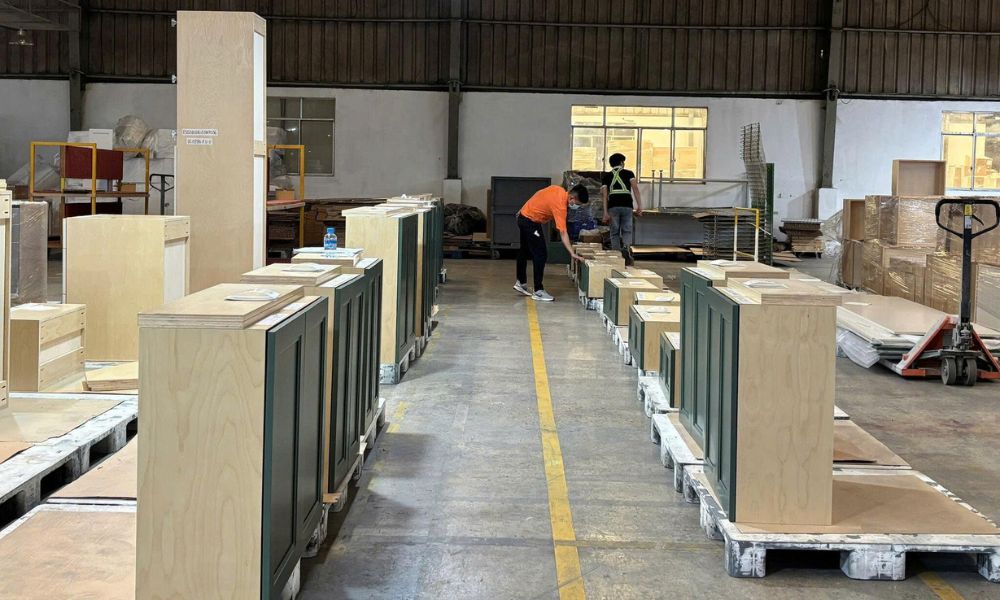
Quality control and CNC precision help maintain consistent cabinet dimensions across large production runs.
Tooling investment is a practical way to separate serious OEM factories from smaller job shops in either country. CNC-driven panel processing, edge-banding and drilling lines produce far tighter, more repeatable tolerances than manual or semi-automated setups, which matters most on large programs where door and panel dimensions must match across hundreds of units.
Inspection protocol matters just as much as machinery. Factories running structured in-line QC — checking panel squareness, finish adhesion and hardware fit before packing — catch defects before they reach a container rather than after a buyer’s warehouse team opens crates. When comparing Vietnam vs Malaysia kitchen cabinet manufacturing partners, ask for a documented QC checklist and, where possible, a virtual or in-person factory audit before committing to a first production run.
Virtual factory audits have become standard practice for buyers who cannot travel before placing a first order. A structured video walkthrough covering the CNC line, finishing booth, hardware testing station and packing area gives a reasonably clear picture of a factory’s real capability, and any supplier unwilling to provide one is worth treating as a caution flag regardless of country.
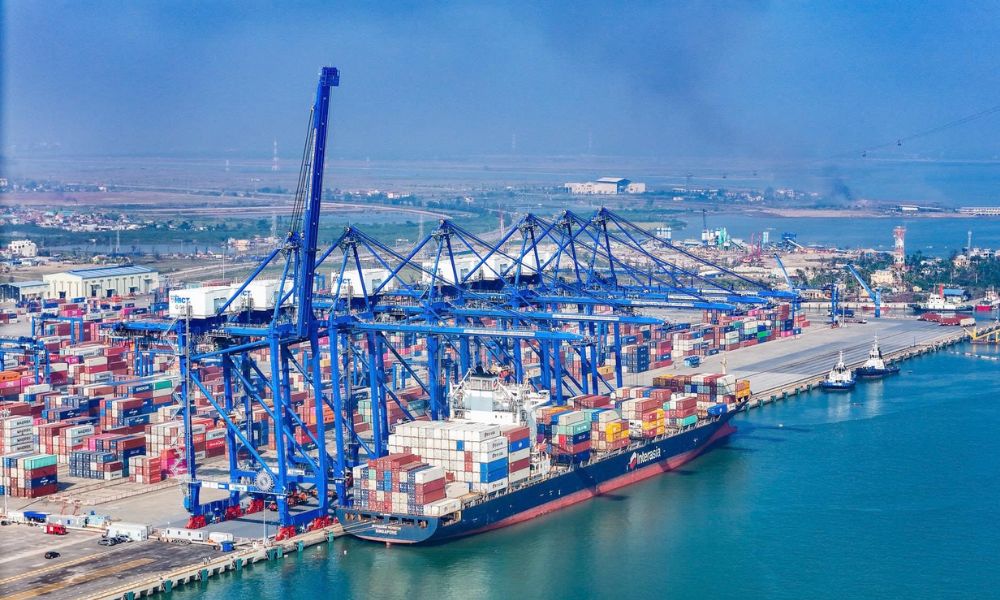
Container shipping plays an important role in the landed cost of imported kitchen cabinets.
Ocean freight shapes landed cost as much as factory price. From Hai Phong, transit to Los Angeles or Long Beach typically runs 18-22 days, with East Coast ports closer to 28-32 days. Malaysian ports serving Port Klang or Penang run comparable transpacific transit windows, so freight duration is rarely the deciding factor between the two origins.
Container rates are the more volatile variable. West Coast freight has recently priced around $3,200 per FEU, with East Coast lanes closer to $5,000 per FEU according to Freightos benchmark data. Because both origins ship on similar trade lanes, buyers evaluating Vietnam vs Malaysia kitchen cabinet manufacturing on landed cost should model freight separately from FOB price rather than assuming one origin has a structural shipping advantage over the other.
Port congestion and seasonal booking pressure also deserve a line item. Both Vietnam and Malaysia see tighter container availability and higher spot rates ahead of the fall retail season, so buyers placing orders for Q4 delivery should lock ocean bookings early rather than waiting until a container is loaded and ready to ship.
Minimum order quantities at scaled Vietnam factories typically start at one 40ft container, with FOB pricing commonly running $42,000-$52,000 for melamine programs and $60,000-$72,000 for plywood-based cabinet lines. Malaysian factories quote on broadly similar container-based MOQs, though smaller workshops may require mixed-container consolidation for first orders.
Payment structure across the region follows a familiar pattern: roughly 30% deposit by telegraphic transfer at order confirmation, with the 70% balance due before container loading or against a bill-of-lading copy. Letters of credit remain available for first-time or large-volume buyers who want additional payment security, though they add bank fees that most repeat buyers eventually move away from.
First-time buyers on either side of the Vietnam vs Malaysia kitchen cabinet manufacturing decision should also request a written production timeline tied to the deposit date, covering sample approval, cutting start, assembly, finishing and container loading milestones, so any delay is visible early rather than surfacing only near the ship date.
Vietnam vs Malaysia kitchen cabinet manufacturing is not a universal answer — it depends on program size and specification complexity. Buyers running high-volume, single-SKU programs generally gravitate toward Vietnam’s larger dedicated cabinet factories, where container throughput and finish-line specialization reduce per-unit variability across repeat orders.
Buyers with smaller, mixed-SKU programs or existing Malaysia-based supply relationships in other product categories may still find Malaysian factories workable, particularly where consolidated shipping with other furniture lines lowers total logistics overhead. The right call usually comes down to a landed-cost model that includes FOB price, freight, MOQ flexibility and finish-line capability side by side.
A simple way to structure the decision: request matching quotes from short-listed Vietnam and Malaysia factories on the same specification sheet, same finish program and same container count, then compare FOB price, quoted lead time and QC documentation line by line rather than relying on a general country reputation.
Is Vietnam cheaper than Malaysia for kitchen cabinets? On labor-intensive processes, yes — Vietnam’s manufacturing wage base runs well below Malaysia’s, which typically shows up in lower FOB pricing for comparable finish and hardware specifications.
Which country has larger cabinet factories, Vietnam or Malaysia? Vietnam’s dedicated kitchen cabinet sector is larger in aggregate capacity and US import share, though individual Malaysian factories can still run substantial monthly container volumes.
Do both countries meet CARB Phase 2 requirements? Export-oriented factories in both countries can certify to CARB Phase 2, but buyers should always request the current certification number directly rather than assuming compliance from a factory’s marketing material.
How long does ocean freight take from each country? Both origins run similar transpacific transit windows — roughly 18-22 days to West Coast ports and 28-32 days to East Coast ports — so transit time rarely decides the comparison on its own.
What MOQ should a first-time buyer expect? One 40ft container is the common starting MOQ at scaled factories in both countries, though smaller Malaysian workshops sometimes require consolidated mixed-container orders for a first shipment.
Can a buyer split volume between a Vietnam and a Malaysia factory? Yes — some programs deliberately dual-source to reduce single-factory risk, though running two origins adds coordination overhead on finish matching, QC standards and shipment scheduling that smaller buyers may not need.
For buyers weighing Vietnam vs Malaysia kitchen cabinet manufacturing against a specific program, the most reliable next step is a side-by-side quote request covering FOB price, MOQ, lead time and finish-line specifications from short-listed factories in each country. Review current FOB pricing benchmarks, confirm factory lead times, and check wood species availability before finalizing a shortlist.
Buyers structuring first orders should also review Incoterms options and confirm MOQ requirements at each factory under consideration.
External references: NAHB housing and remodeling data, Freightos container rate benchmarks, and FSC chain-of-custody standards provide independent context for the freight, wood-sourcing and demand figures cited above.
For sourcing questions on a specific cabinet program, reach out to the Starvia OEM team to compare specifications against a Vietnam-based production line running CARB Phase 2 certified output at ±0.5mm CNC tolerance.

 View collection
 View collection
 View collection
 View collection