- Our Products
-
Choose your Cabinet Style
-

Kitchen cabinet toe kick and trim options wholesale OEM buyers select carefully affect more than just the last three or four inches of a base cabinet. They shape everyday ergonomics, finish continuity and how a full run of cabinetry reads visually against a finished floor. This guide walks through kitchen cabinet toe kick and trim options wholesale OEM buyers actually spec, and what changes on a production line when a program moves from a standard recessed toe kick to a furniture-style flush base.
Toe kick is easy to treat as an afterthought on a spec sheet, but it is one of the few cabinet components every user touches with their feet on every single visit to the kitchen.
Buyers evaluating kitchen cabinet toe kick and trim options wholesale OEM factories offer often assume toe kick is a fixed, interchangeable detail across suppliers. In practice, recess depth, trim profile and material choice vary enough between factories that swapping suppliers mid-program can create a visible mismatch at floor level if specs are not confirmed in writing.
Most North American cabinet programs default to a recessed toe kick standing 3.5 to 4 inches tall and set back roughly 3 inches from the cabinet face. This dimension is consistent enough across major cabinet lines that base cabinet doors and drawer fronts from different manufacturers still generally align at floor level.
ADA-compliant programs, common in commercial and multifamily projects, typically call for a toe kick depth of at least 3 inches and clear knee space that meets accessibility code minimums. Buyers targeting commercial or senior-living programs should confirm ADA dimensions in writing rather than assuming a standard residential toe kick automatically qualifies.
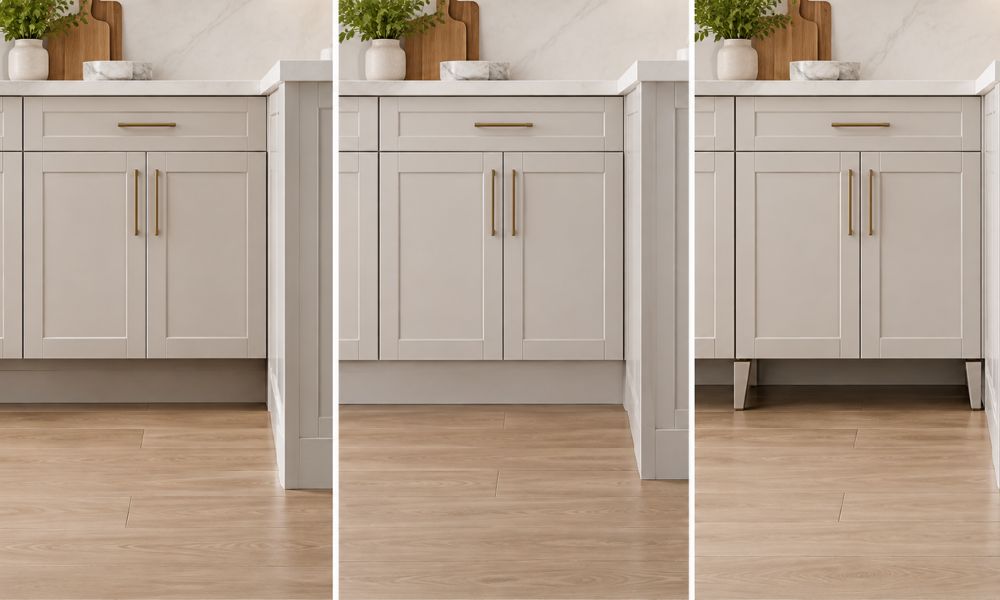
Recessed, flush and leg-extension bases create different looks and functional considerations for kitchen cabinet programs.
Recessed toe kick remains the default because it gives standing users room to get close to the counter without stubbing their toes on the cabinet base. It is also the easiest style to produce at scale, since the recess is a simple notch cut into the cabinet side panel before assembly.
Flush, or furniture-style, toe kick eliminates the recess entirely, running the cabinet face straight to the floor. This look reads as high-end and built-in, but it sacrifices some ergonomic clearance and requires tighter floor-leveling tolerances, since any gap under a flush base is highly visible.
Leg-extension bases sit between the two, exposing decorative feet or metal legs instead of a solid panel. This style appears most often in freestanding or furniture-inspired kitchen programs rather than continuous run cabinetry.
Toe space side panels, the small end pieces that close off the toe kick recess at the exposed ends of a cabinet run, are a detail buyers sometimes overlook until an installer flags a missing part. Confirming toe space side panels are included in a quote, rather than treated as a field-fabricated afterthought, avoids delays during final installation.
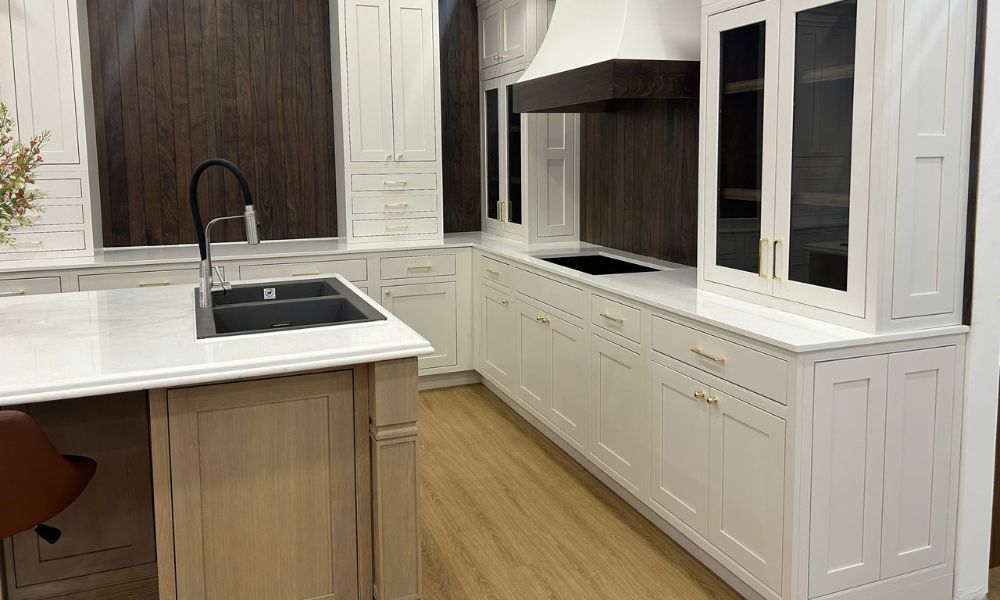
A clean trim transition helps maintain visual consistency across cabinet corners and end runs.
Toe kick molding pairs a functional recessed opening with a decorative profile along the top edge where the kick meets the cabinet face frame. This hybrid detail has become common on traditional and transitional programs that want visual refinement without giving up the ergonomic recess.
Buyers comparing kitchen cabinet toe kick and trim options wholesale OEM factories offer should ask specifically whether trim molding is milled from solid stock or applied as a separate strip, since solid-milled trim holds paint and stain more evenly across a large production run than glued-on strips.
Corner and end-run trim transitions deserve their own check on any program mixing toe kick styles across multiple cabinet runs. A factory that cannot show a clean sample of how trim molding turns a 90-degree corner is likely to produce a visibly awkward joint once cabinets are installed on site.
Wood and MDF remain the most common toe kick substrates on painted and stained programs, since both machine cleanly and accept the same finish line as the rest of the door and drawer front run. Laminate toe kick panels, typically an MDF core faced with laminate on the front and raw MDF on the back, hold up well in high-moisture kick zones near dishwashers and sinks.
PVC and vinyl toe kick options resist water damage better than wood-based substrates, making them a common spec for commercial kitchens and multifamily units where mop water and standing moisture are a regular occurrence. Stainless steel and brass toe kick trims appear mostly on commercial and high-end residential programs, chosen for durability and a metal accent line rather than cost efficiency.
Buyers should also confirm moisture-resistant substrate options carry the same CARB Phase 2 or equivalent emission certification as the rest of the door and drawer program, since some PVC and laminate toe kick suppliers specialize outside standard cabinet-grade compliance documentation.
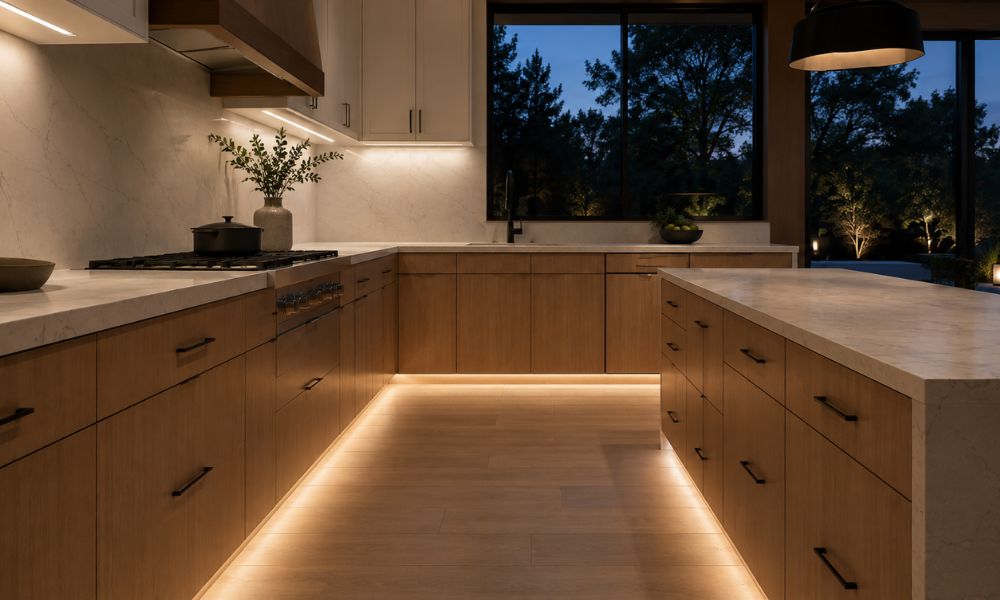
Integrated LED lighting creates subtle floor-level illumination while keeping the cabinet base clean and modern.
Integrated LED toe kick lighting has moved from a luxury add-on to a regularly requested spec on mid-to-upper programs, using a low-profile LED strip recessed into the top edge of the kick panel for ambient floor-level light. Buyers adding LED toe kick programs should confirm the factory can pre-route a channel and wire pass-through during production, rather than treating LED installation as a separate field modification after cabinets ship.
Matching toe kick material to flooring, using the same hardwood species or LVP pattern on the kick panel as the surrounding floor, is another detail gaining traction on higher-end programs, since it removes the visual break between cabinetry and floor that a painted or laminate kick otherwise creates.
Buyers requesting LED-integrated toe kick programs for the first time should ask whether the factory tests the wiring pass-through on a finished sample before full production, since a channel cut slightly off-center can leave the LED strip visible from a standing eye level rather than fully recessed.
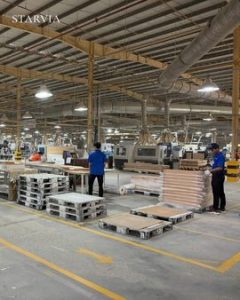
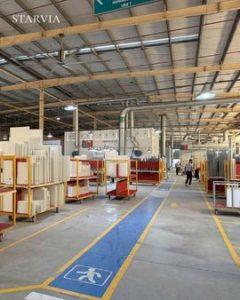
CNC-driven cutting keeps recess dimensions consistent across a full container run, which matters most on programs mixing base cabinet widths, since an inconsistent recess depth shows up immediately once doors and drawer fronts are installed side by side. A Starvia production facility runs Homag CNC equipment holding ±0.5mm tolerance on toe kick recess cuts, keeping alignment consistent whether a program ships 20 base cabinets or 200.
Flush and leg-extension styles typically need tighter QC checkpoints than standard recessed kicks, since floor-level gaps and reveal lines are far more visible on a furniture-style base. Buyers should ask for in-line QC documentation on any flush-base program before committing a full container.
Packaging is a smaller but relevant detail on toe kick and trim components specifically, since these long, narrow pieces are more prone to shipping damage than flat door panels if not braced correctly inside a container. Factories experienced with export programs typically crate toe kick and trim runs separately from door and drawer stacks to reduce handling damage in transit.
Toe kick and trim style rarely changes MOQ structure — most factories still quote kitchen cabinet toe kick and trim options wholesale OEM programs under the same one 40ft container starting order as their standard door lines. LED integration and matching-material kick panels can add modest per-unit cost, mainly tied to the LED strip and wiring components themselves rather than additional labor.
Buyers should request a physical toe kick and trim sample alongside standard door samples, since photos rarely convey how a flush base reads against real flooring, or how an LED channel looks lit versus unlit in a showroom setting.
Lead time impact from toe kick and trim choice is typically minor, since these components are cut and finished alongside the rest of a door and drawer run rather than on a separate production line. Programs adding LED wiring or matched-flooring materials should build in a few extra days for sample approval specifically, since those details usually require an additional round of buyer sign-off before full production starts.
Standard recessed toe kick remains the right default for most builder-grade and mid-market programs, balancing ergonomics, ease of production and broad compatibility with existing flooring and appliance clearances. Commercial and multifamily programs should default to ADA-compliant recessed dimensions and consider PVC or laminate substrates for moisture resistance in high-traffic service areas.
Premium and furniture-style programs are where flush bases, leg extensions and LED-integrated trim earn their added production complexity, since buyers in that segment are pricing in the built-in, high-end look those details create.
Mixed programs are increasingly common on larger developments — a builder running both a standard unit finish and a penthouse or model-unit upgrade tier may spec recessed kick across the base tier while reserving flush or LED-integrated trim for the premium units. Confirming one factory can hold consistent quality across both tiers in the same production window avoids splitting the order unnecessarily.
What is the standard height of a cabinet toe kick? Most North American programs use a 3.5 to 4 inch tall toe kick set back roughly 3 inches from the cabinet face, though ADA-compliant commercial programs may specify different minimums.
What material is best for a cabinet toe kick? Wood or MDF suits most painted and stained programs, while PVC or laminate substrates hold up better in moisture-prone kick zones near sinks and dishwashers.
Does adding LED lighting to a toe kick increase cost significantly? The added cost is generally modest and tied to the LED strip and wiring components, since the recess itself is already part of standard toe kick construction.
Can toe kick trim molding be added to an existing door style? Yes, provided the factory can mill or apply matching trim profiles consistent with the door style’s existing finish line and tooling setup.
Is a flush toe kick more expensive to produce than a recessed one? Flush and leg-extension styles generally require tighter floor-leveling tolerances and QC checkpoints, which can add modest production time compared to a standard recessed kick.
For buyers comparing kitchen cabinet toe kick and trim options wholesale OEM against a specific program, review edge profile options, confirm wood species availability, and check current FOB pricing benchmarks before finalizing a spec sheet.
First-time buyers should also confirm MOQ requirements and review factory lead times so sample approval and production scheduling line up before a container is booked.
External references: NKBA design guidelines, NAHB housing and remodeling data, and FSC chain-of-custody standards provide independent context on design, accessibility and material sourcing practices referenced throughout this guide.
For sourcing questions on a specific toe kick or trim combination, reach out to the Starvia OEM team to review sample panels from a Vietnam-based production line running CARB Phase 2 certified output at ±0.5mm CNC tolerance across recessed, flush, molding and LED-integrated toe kick styles.

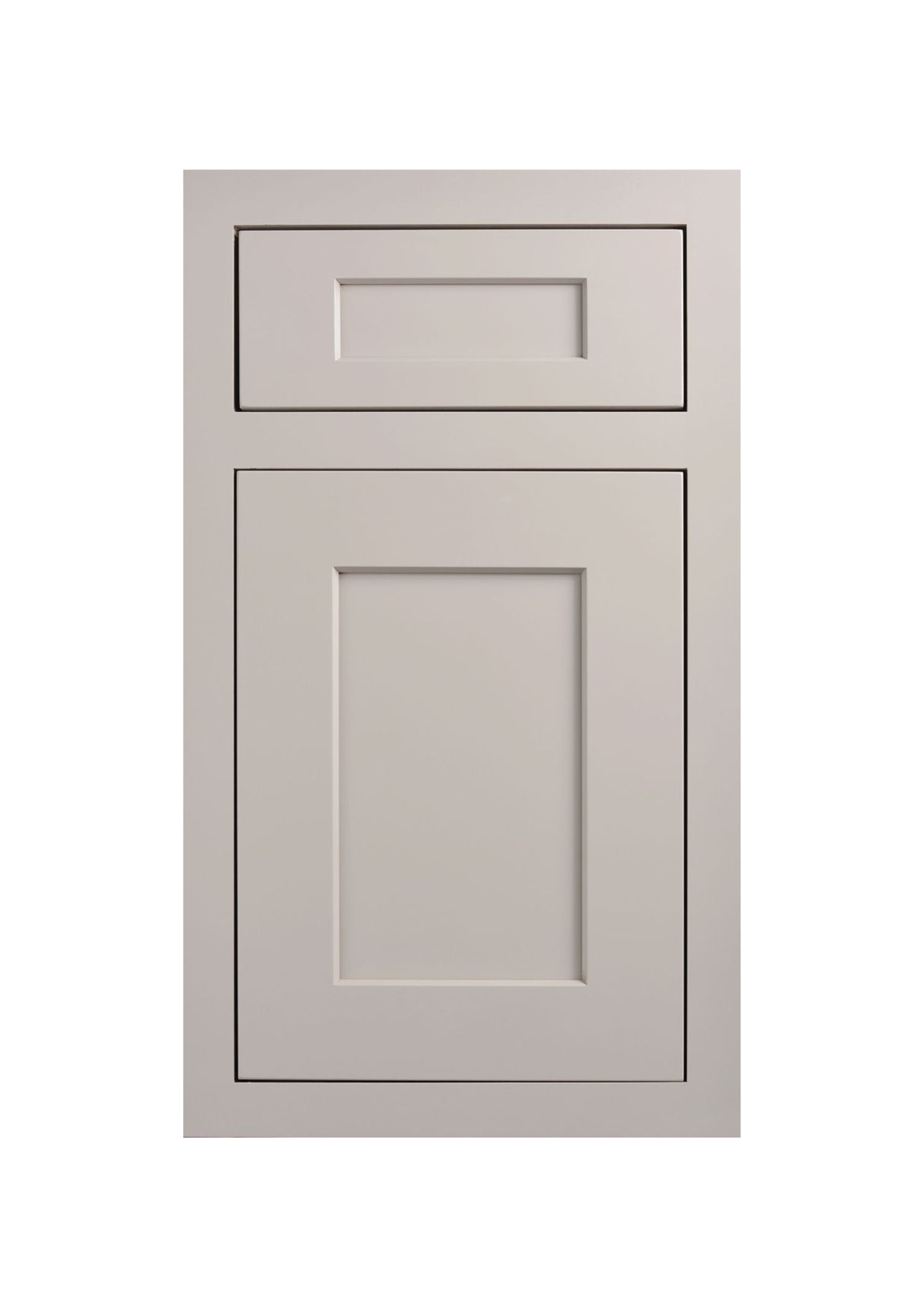 View collection
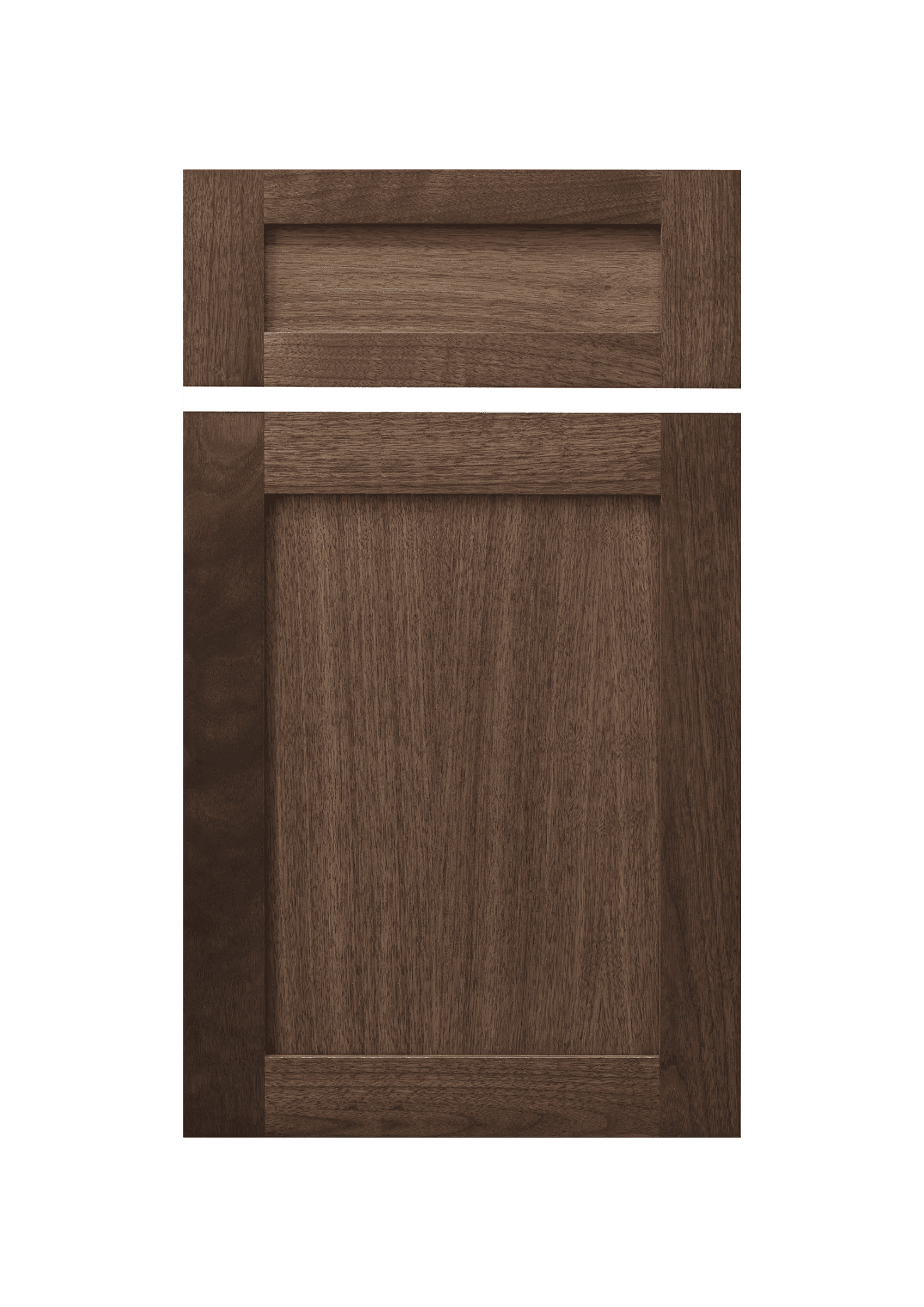 View collection
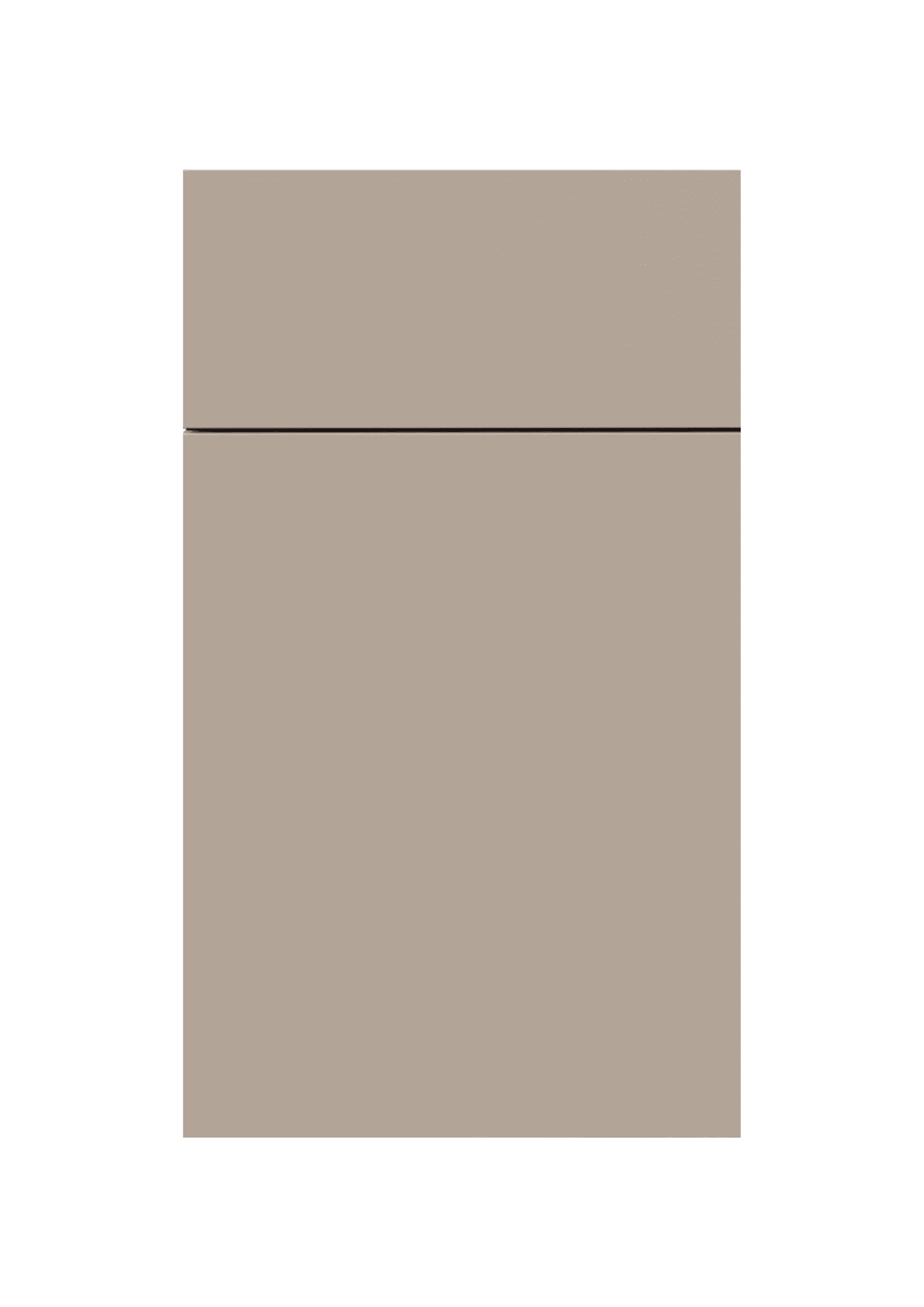 View collection
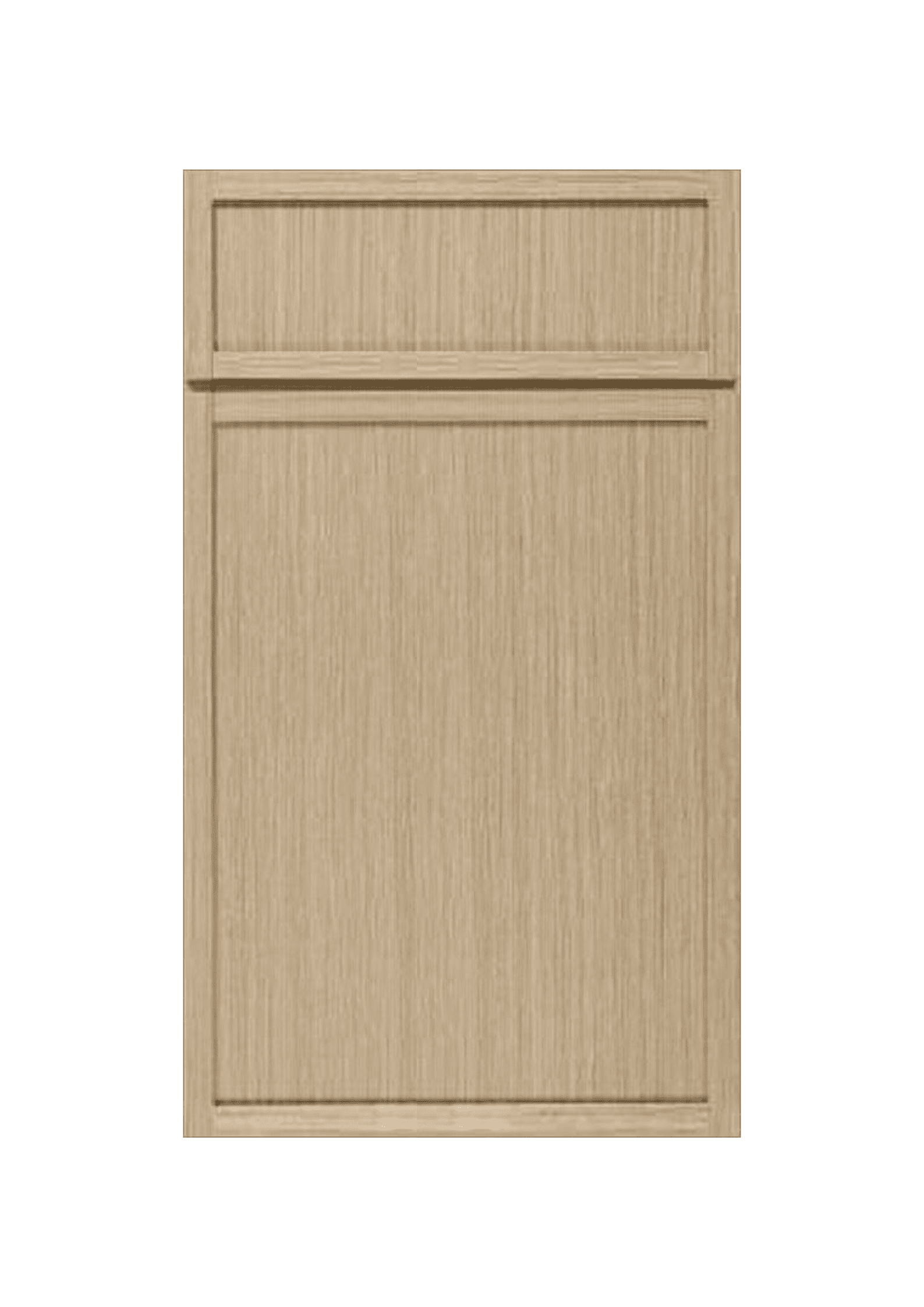 View collection