- Our Products
-
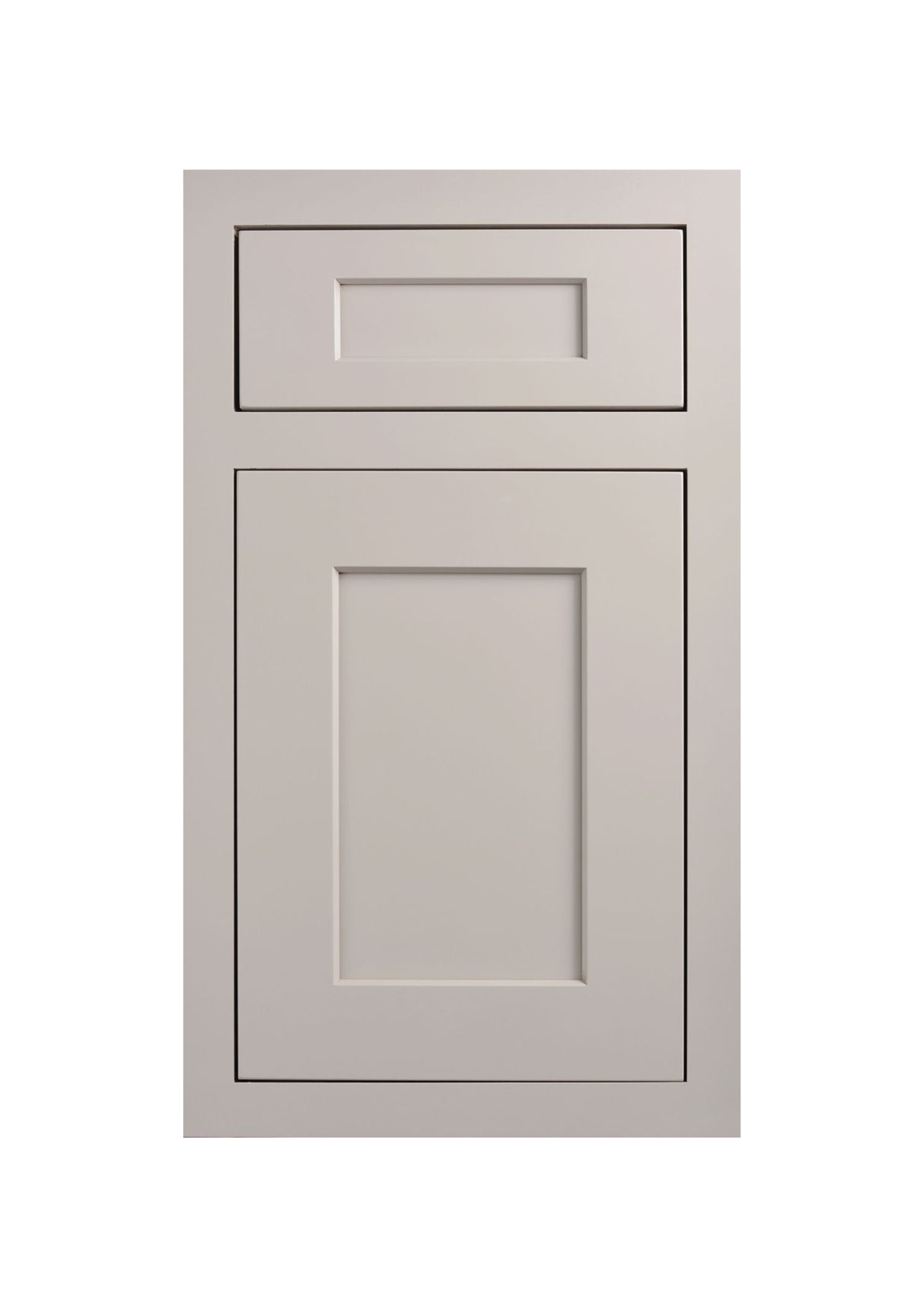
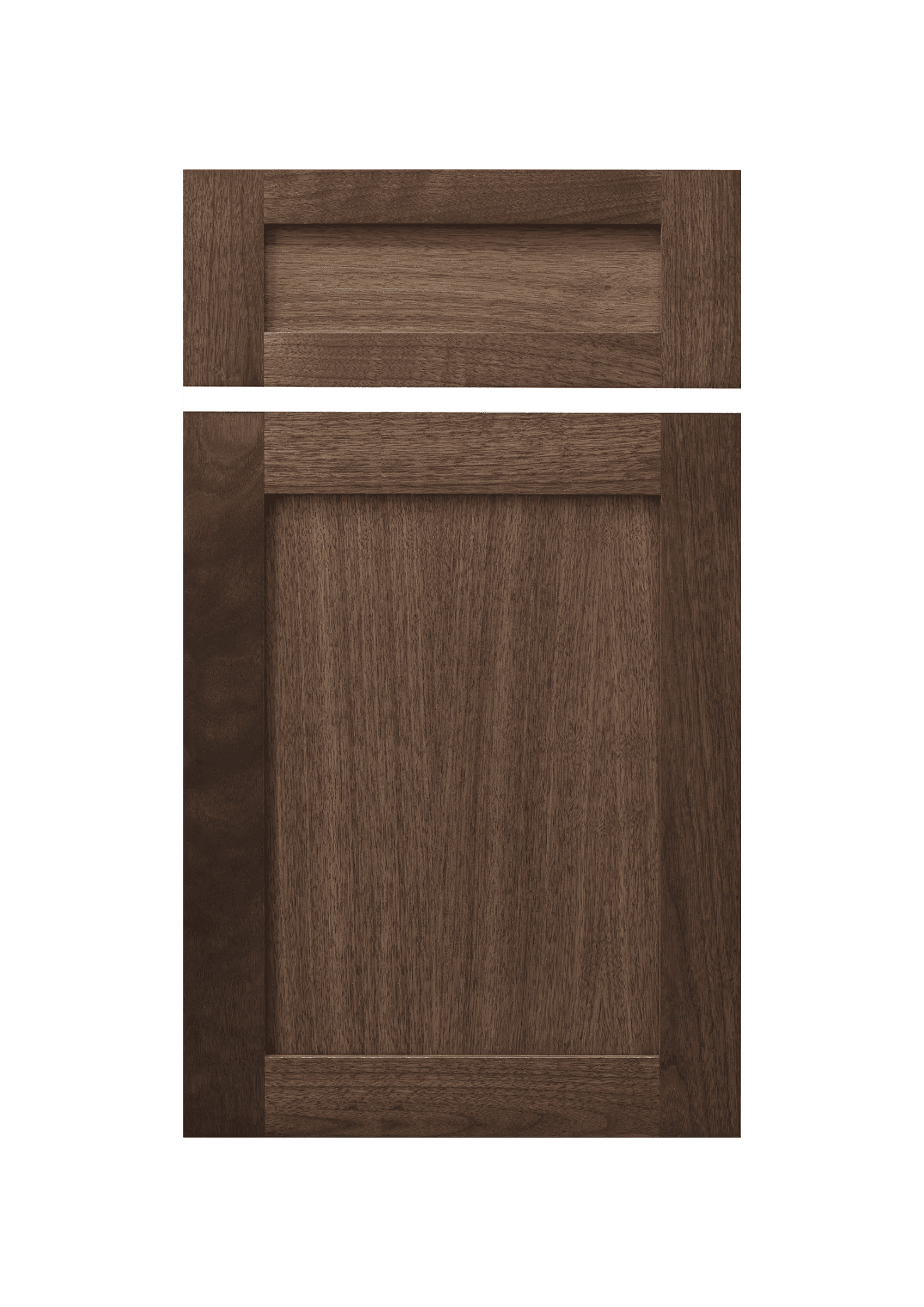
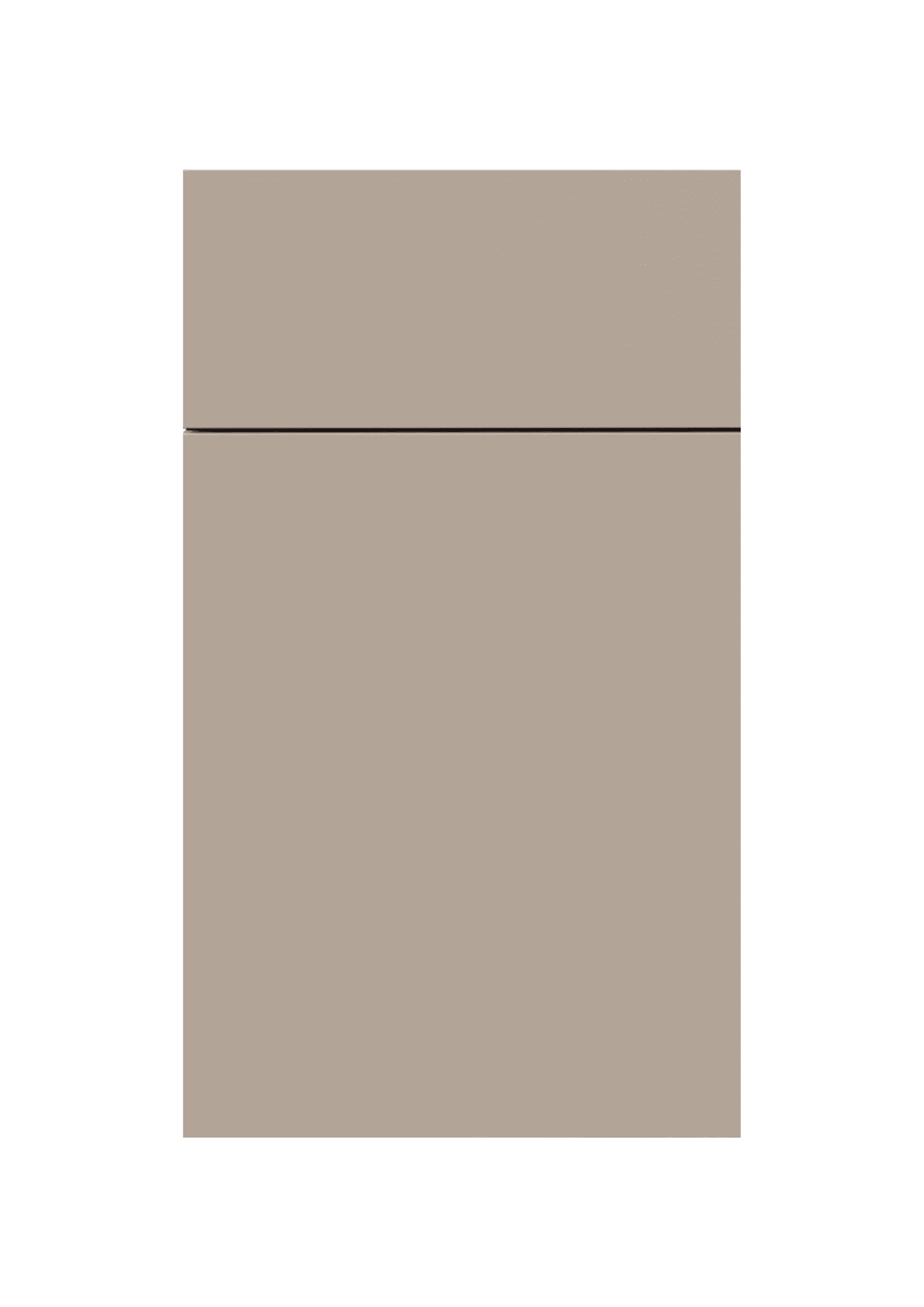
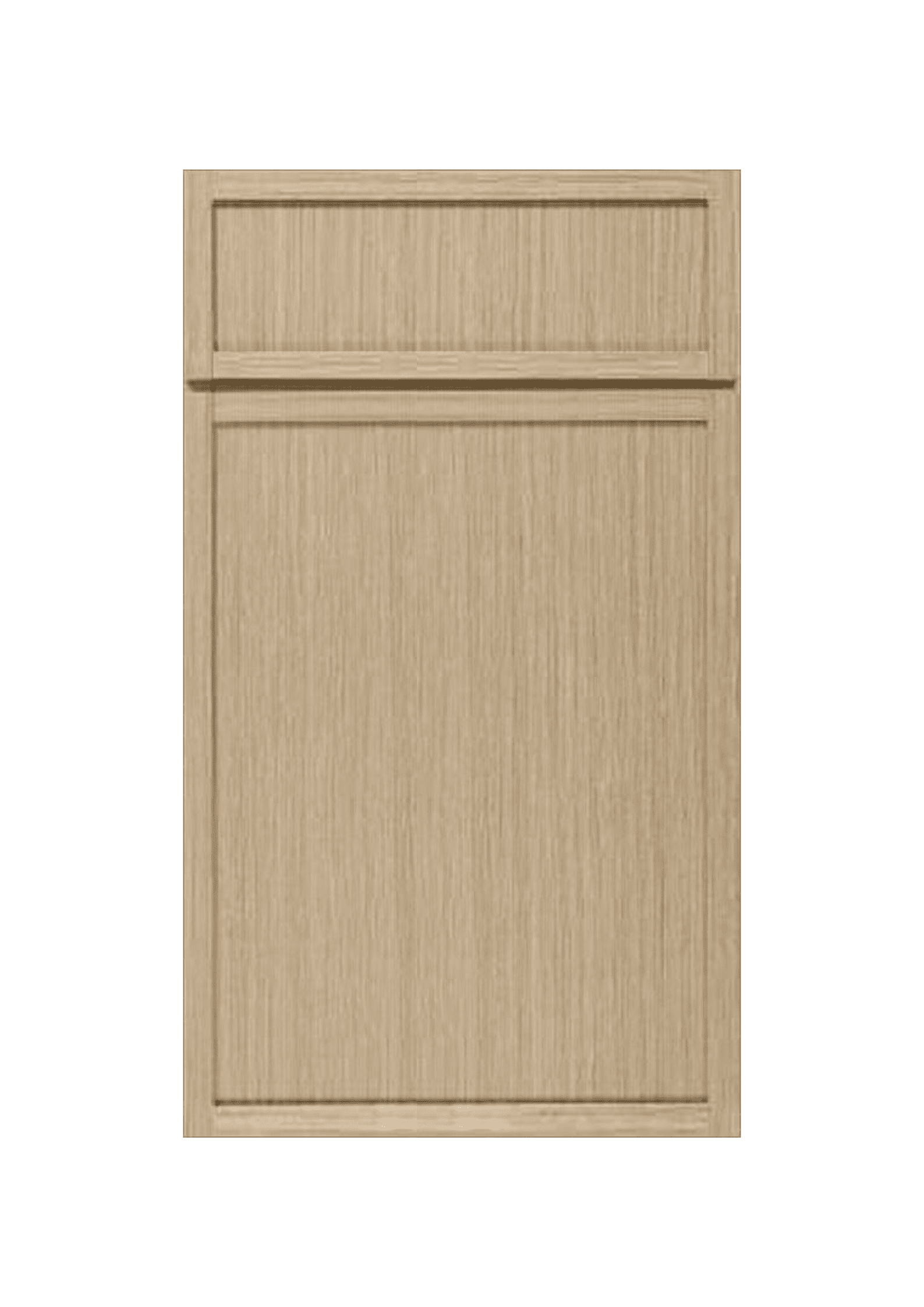
Choose your Cabinet Style
-
Getting kitchen cabinet incoterms Vietnam OEM terms right on a purchase order changes who pays for freight, who carries risk at sea, and how much a distributor actually lands a container for. Confusing FOB with CIF or EXW is one of the most common and most costly mistakes first-time importers make. This guide breaks down the three terms buyers see most often when sourcing cabinets from a Vietnam OEM factory, with real cost and risk comparisons, plus the mistakes that trip up most first-time importers.
Incoterms are standardized three-letter trade terms published by the International Chamber of Commerce that define exactly who pays for what, and at what point risk shifts from seller to buyer. For a bulky, damage-sensitive product like cabinet doors, the incoterm on a purchase order directly affects insurance coverage and who absorbs the cost if a container is damaged in transit.
Most first-time buyers default to whatever term a supplier quotes without asking why. Understanding kitchen cabinet incoterms Vietnam OEM options before your first order lets you negotiate from an informed position instead of accepting a quote at face value.
Under EXW, the factory’s responsibility ends the moment goods are made available at their own warehouse door. The buyer arranges and pays for trucking to the port, export customs clearance, ocean freight, and everything after that.
EXW quotes look attractive because they show the lowest number, but they shift substantial coordination work and risk onto the buyer. This term generally suits experienced importers who already have a trusted freight forwarder and customs broker in Vietnam, not first-time buyers evaluating a kitchen cabinet incoterms Vietnam OEM program for the first time.
Under FOB, the factory handles export customs clearance and loads the container onto the vessel at the origin port. Risk and cost transfer to the buyer once the goods are loaded onto the ship, and the buyer arranges ocean freight and everything from there.
FOB is the term Starvia quotes as standard, and it is the most common choice among kitchen cabinet incoterms Vietnam OEM buyers because it splits responsibility at a clean, well-understood point. The factory handles what it controls best — production and export documentation — while the buyer controls freight booking and can shop rates across carriers.
Under CIF, the factory arranges and pays for ocean freight and minimum cargo insurance to the destination port, but risk still transfers to the buyer once goods are loaded at origin, the same as FOB. The difference is who books and pays for the ship, not who bears the risk during transit.
CIF can simplify logistics for buyers who do not want to manage freight booking themselves, but it usually means less visibility into actual freight cost and carrier choice. Buyers comparing kitchen cabinet incoterms Vietnam OEM quotes should ask whether a CIF price includes full cargo insurance or only the minimum coverage required under Incoterms rules.
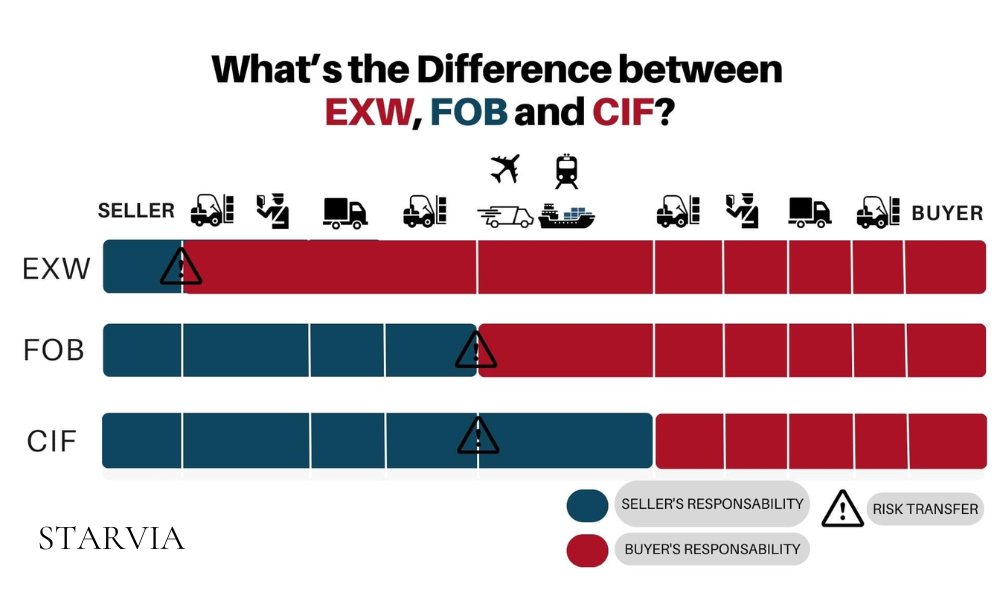
A comparison of FOB, CIF, and EXW shipping terms for importing kitchen cabinets from Vietnam.
| Incoterm | Who Books Freight | Risk Transfers At | Best Fit For |
|---|---|---|---|
| EXW | Buyer | Factory door | Experienced importers with own logistics network |
| FOB | Buyer | Origin port, on load | Most wholesale buyers, freight-rate transparency |
| CIF | Seller | Origin port, on load | Buyers wanting simplified logistics, less rate control |
FOB Hai Phong pricing gives buyers a clean, comparable number across suppliers, since it excludes the variable freight cost that changes weekly with carrier capacity and fuel surcharges. Our current FOB Hai Phong pricing runs $42,000-$52,000 for melamine and thermofoil, up to $82,000 for lacquer plywood, detailed in our kitchen cabinet FOB price Vietnam guide.
Quoting FOB also keeps freight negotiation in the buyer’s hands, which matters for distributors running multiple suppliers and wanting to consolidate freight contracts across factories for better shipping rates.
A $47,000 FOB melamine container plus roughly $3,200 West Coast ocean freight per FEU brings landed cost before duty to approximately $50,200. East Coast buyers should budget closer to $5,000 per FEU in current freight, pushing the same container to roughly $52,000 landed before duty and delivery.
These freight numbers shift with capacity and season, so buyers should request a current freight quote alongside any FOB cabinet quote rather than relying on numbers from a prior order. Freight benchmarking platforms such as Freightos can help buyers sanity-check a quoted rate against current market averages before committing to a container booking.
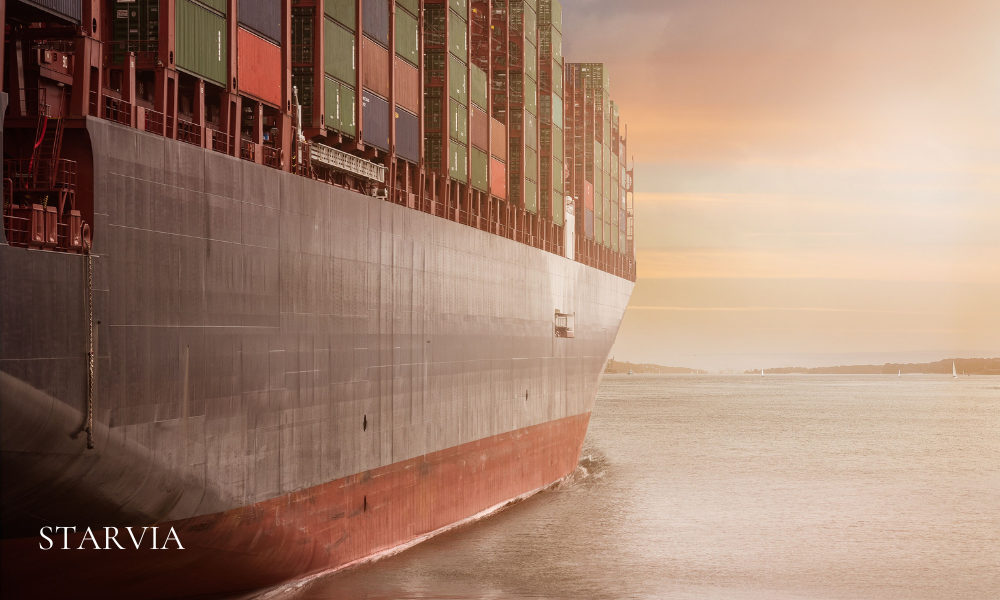
Under both FOB and CIF, the risk transfers from the seller to the buyer once the container is loaded onto the vessel at the port of origin.
Both FOB and CIF transfer risk to the buyer once goods are loaded at the origin port, which means buyers should confirm their own cargo insurance covers the full transit under either term. Relying solely on a CIF seller’s minimum insurance coverage can leave a real gap if a container is damaged and the claim exceeds minimum coverage limits.
Cabinet doors are particularly vulnerable to moisture and impact damage during ocean transit, so buyers should confirm insurance covers full replacement value, not just the factory invoice price, regardless of which incoterm is used.
First-time importers without an established freight forwarder often start with CIF for simplicity, then move to FOB once they have a freight relationship and want more rate control. Buyers running recurring monthly containers almost always prefer FOB, since it lets them lock in freight contracts independent of any single supplier’s markup.
Before confirming a kitchen cabinet incoterms Vietnam OEM purchase order, check current MOQ and production scheduling in our kitchen cabinet MOQ at a Vietnam factory guide and our kitchen cabinet lead time Vietnam OEM factory guide, since incoterm choice can affect how documentation and scheduling line up with your ship date.
Export documentation requirements stay largely the same across FOB, CIF, and EXW: commercial invoice, packing list, bill of lading, and certificate of origin. Buyers importing to the US should also confirm CARB Phase 2 and EPA TSCA documentation ships with every container, covered in our kitchen cabinet import checklist Vietnam guide, along with the full paperwork checklist customs brokers expect to see on arrival.
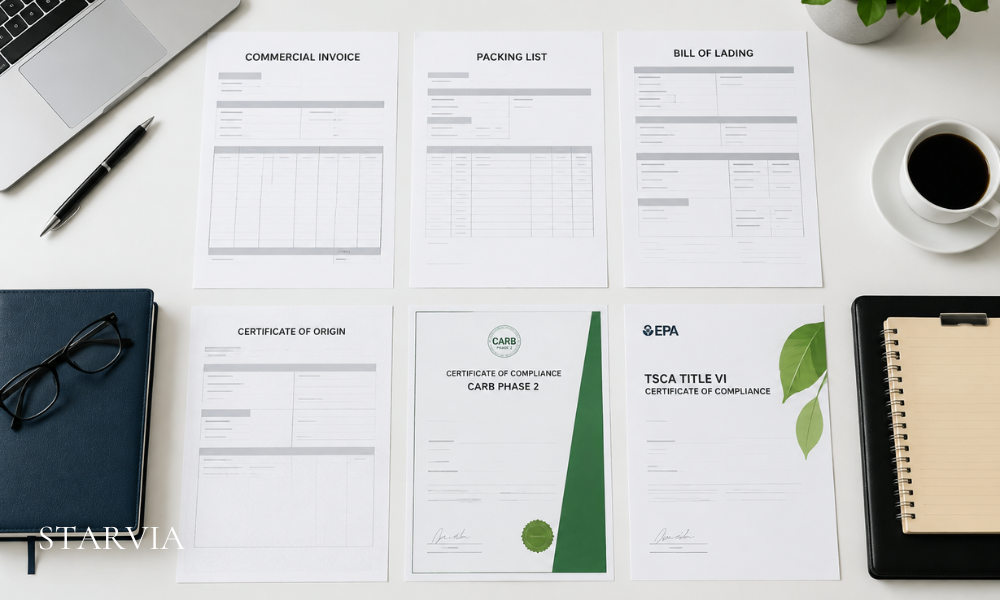
Complete export documents help ensure smooth customs clearance and reduce delays when importing kitchen cabinets from Vietnam.
Missing paperwork causes far more customs delays than incoterm choice does, so buyers should confirm documentation completeness with any Vietnam OEM factory before committing to a shipping term. Buyers exporting to Australia should also check current cabinetry compliance standards through the Australian Woodwork Manufacturing Association, since documentation requirements can differ by destination market.
Delivered Duty Paid (DDP) is a fourth term worth knowing even though it is less common in kitchen cabinet incoterms Vietnam OEM quotes. Under DDP, the seller handles everything all the way to the buyer’s door, including import duty and final delivery, leaving the buyer with almost no logistics responsibility.
DDP quotes look simple on paper but usually carry the largest markup, since the factory is pricing in duty uncertainty, last-mile delivery, and the risk of customs delays it does not fully control across the full journey. Most experienced wholesale buyers prefer FOB precisely because it avoids paying that markup for services they can often source more cheaply themselves through a dedicated freight forwarder with volume-based rates.
The most frequent mistake is comparing an EXW quote from one factory against an FOB quote from another and assuming the EXW number is cheaper. Once trucking, export clearance, and freight are added to the EXW price, the true landed cost is often higher than the FOB alternative.
A second common mistake is assuming CIF insurance covers full replacement value. Standard CIF insurance under Incoterms rules only requires minimum coverage, which may fall well short of the actual value of a fully loaded cabinet container if damage occurs during transit. Buyers who want full protection should purchase supplemental cargo insurance rather than relying on the minimum CIF coverage alone.
A third mistake is failing to specify the exact port in a purchase order. Hai Phong port fees and trucking distance can differ from other Vietnam ports, and an unclear port designation can create unexpected charges once a container is ready to ship. Writing the exact origin port into the purchase order removes this ambiguity before production even begins.
Which incoterm is cheapest for cabinet imports? EXW shows the lowest factory quote, but buyer-side costs for trucking, export clearance, and freight often make total landed cost similar to or higher than FOB once everything is added up.
Is FOB or CIF better for a first order? CIF can simplify a first order since the seller books freight, but FOB gives more visibility and control once a buyer has an established freight forwarder relationship.
Does the incoterm affect production lead time? No, incoterm choice affects shipping and cost responsibility, not production scheduling, though documentation requirements can shift slightly between terms.
Who insures the cargo under FOB? The buyer is responsible for cargo insurance under FOB, since risk transfers at the origin port and the seller has no further freight involvement.
Before placing a first order, confirm which incoterm a factory quotes by default, request both FOB and CIF pricing to compare, and verify what insurance coverage is included under either term. Also confirm export documentation completeness in writing before committing to a ship date, and ask specifically which party is responsible for cargo insurance under the quoted term.
A transparent kitchen cabinet incoterms Vietnam OEM supplier should quote FOB Hai Phong as standard and provide freight benchmarks on request, rather than bundling an unclear markup into a CIF number. This transparency also makes it easier to compare quotes across multiple Vietnam OEM factories on an apples-to-apples basis.
Buyers scaling from a single test container to recurring monthly volume should also ask whether their freight forwarder offers better rates at higher volume commitments. Locking in a freight contract independent of any single cabinet supplier gives a distributor more negotiating leverage on both sides of the transaction, and it keeps landed cost more predictable across multiple sourcing relationships.
Starvia quotes all containers FOB Hai Phong as standard, with current freight benchmarks available on request for both West Coast and East Coast US ports, plus Canada, Australia, and Europe. This standard FOB quoting practice applies across every finish category we produce, from melamine and thermofoil through lacquer, high gloss, and solid wood programs. To confirm current FOB pricing and freight benchmarks for your next container, get in touch with our team directly.


 View collection
 View collection
 View collection
 View collection