- Our Products
-
Choose your Cabinet Style
-

Choosing the right kitchen cabinets is one of the most important decisions in any remodeling project. Cabinets influence the overall appearance of your kitchen, impact your renovation budget, and affect long-term maintenance requirements. Among the many cabinet door styles available today, homeowners most often compare shaker vs raised panel cabinets because both offer timeless appeal while delivering very different aesthetics.
The choice between shaker vs raised panel cabinets goes far beyond appearance. Factors such as cost, durability, maintenance, resale value, and architectural compatibility should all be considered before making a final decision. While shaker cabinets have become the dominant choice in modern and transitional kitchens, raised panel cabinets continue to be popular among homeowners seeking a more traditional and decorative look.
In this guide, we’ll compare shaker vs raised panel cabinets across every major category so you can determine which cabinet style best fits your home, lifestyle, and budget.
Before comparing performance and value, it helps to understand what separates these two cabinet styles.
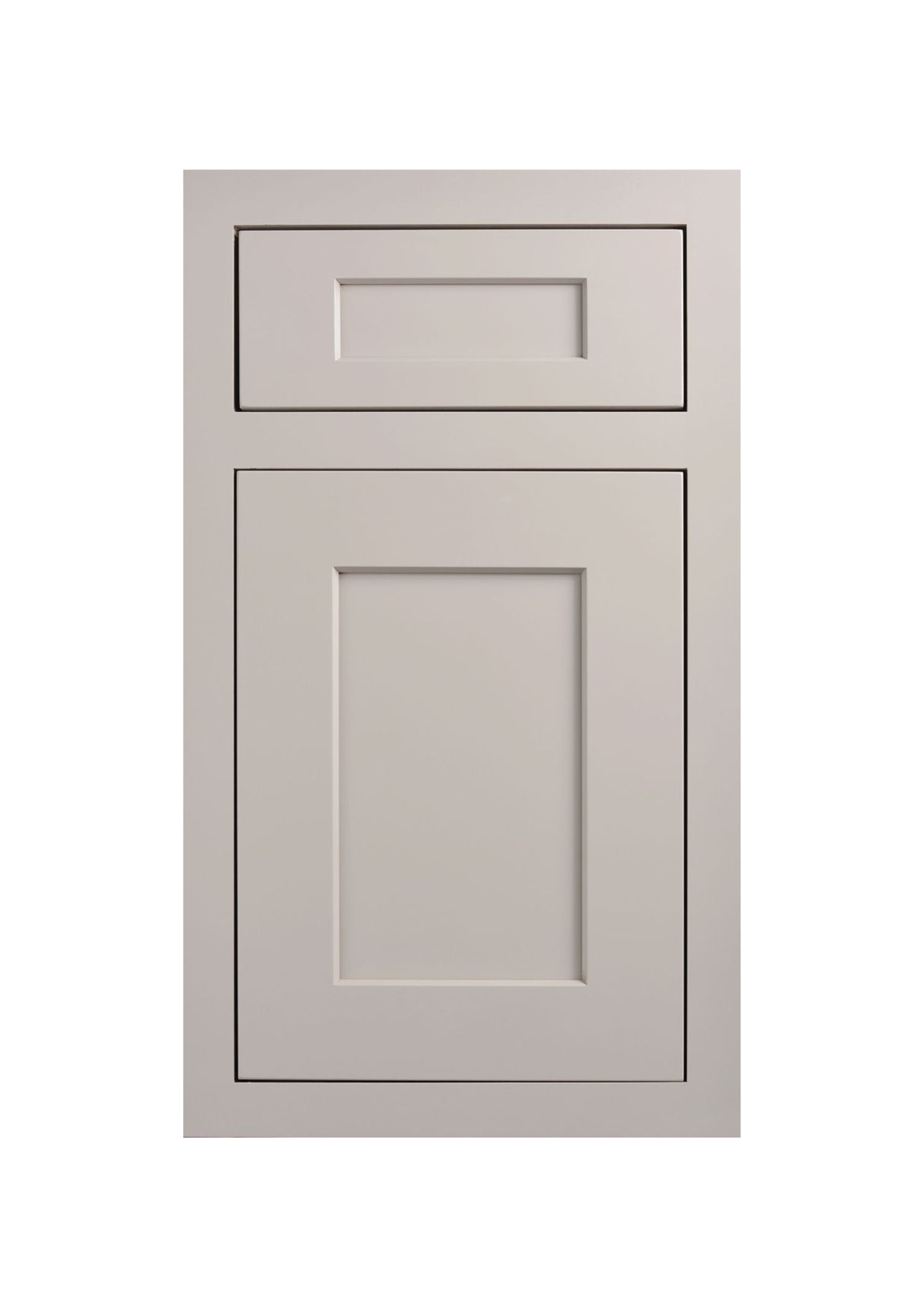
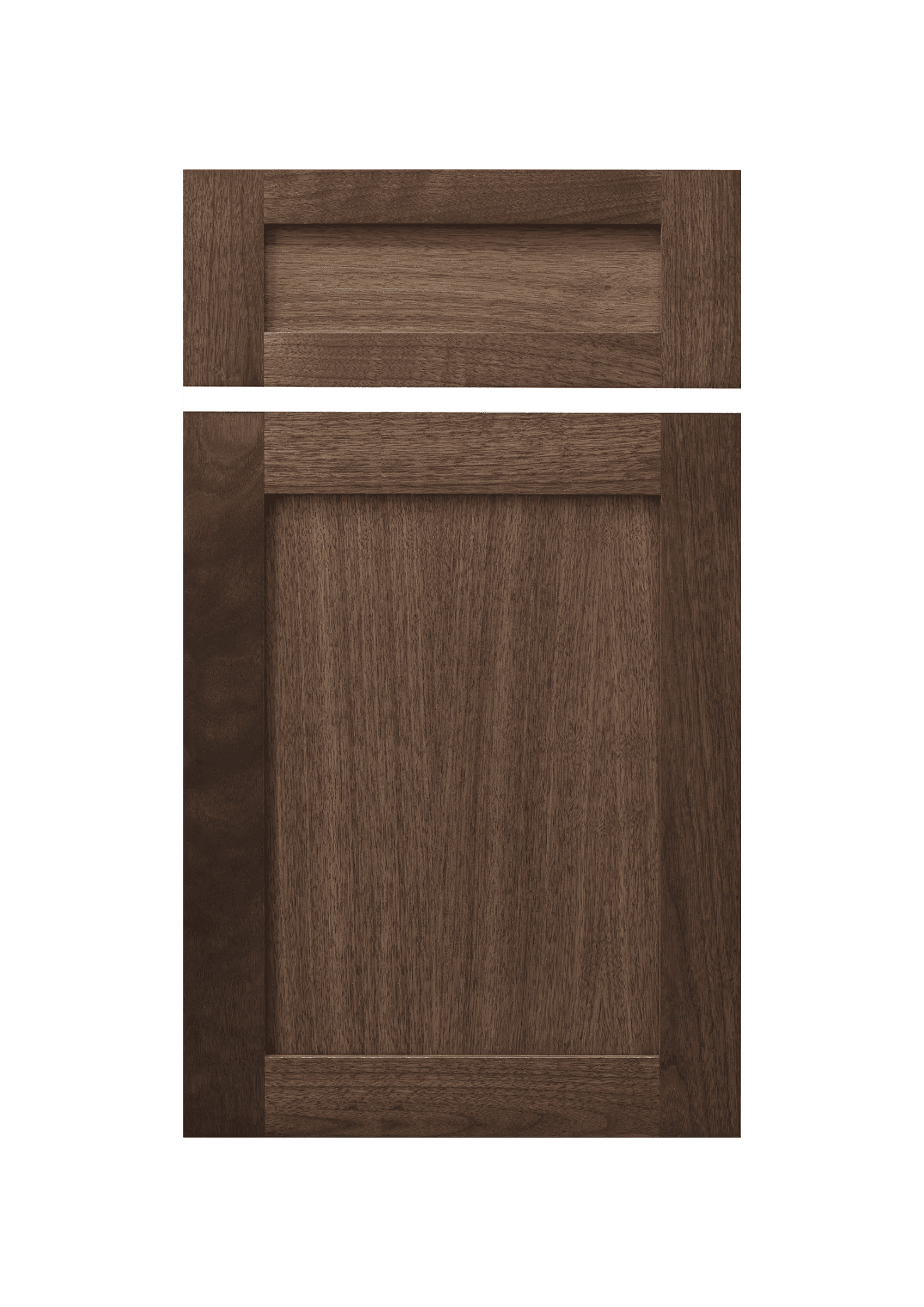
Shaker cabinets feature a simple five-piece construction with a flat recessed center panel surrounded by a clean frame. Their design originated from the Shaker movement, which emphasized functionality, craftsmanship, and simplicity. Because of their minimalist appearance, shaker cabinets work well in a wide variety of kitchen designs, from modern and transitional spaces to farmhouse-inspired interiors.
Raised panel cabinets feature a center panel that extends above the surrounding frame. This creates additional depth, dimension, and decorative detail. Raised panel doors often include more intricate edge profiles, making them a common choice for traditional kitchens and luxury homes.
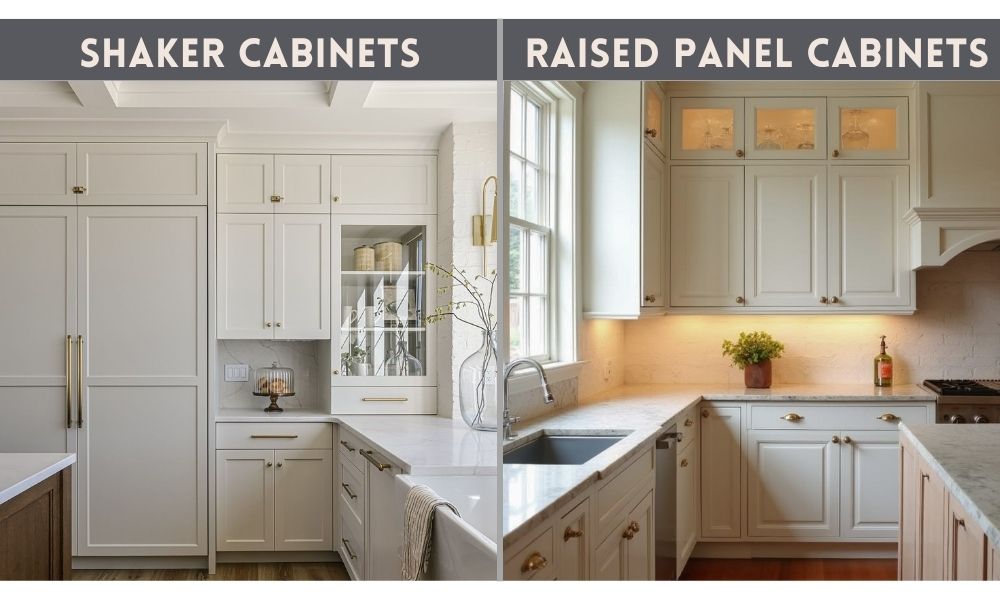
The flat center panel of a shaker door compared with the decorative raised center panel design.
When homeowners compare shaker vs raised panel cabinets, they are essentially choosing between a clean, contemporary aesthetic and a more formal, traditional appearance.
Appearance is often the deciding factor when evaluating shaker vs raised panel cabinets. Each style creates a very different visual impact within a kitchen.
Shaker cabinets are known for their clean lines and understated elegance. Their simplicity allows other design elements, such as countertops, backsplashes, lighting, and hardware, to become focal points. This versatility explains why shaker cabinets remain one of the most popular cabinet styles in the United States.
Many homeowners who prefer contemporary kitchen designs are increasingly choosing modern shaker cabinets because they combine timeless craftsmanship with a cleaner and more streamlined appearance.
White shaker kitchen cabinets, in particular, continue to dominate remodeling trends because they complement virtually any color palette. Whether paired with quartz countertops, natural wood flooring, or black hardware, shaker cabinets create a timeless look that appeals to a broad range of homeowners.
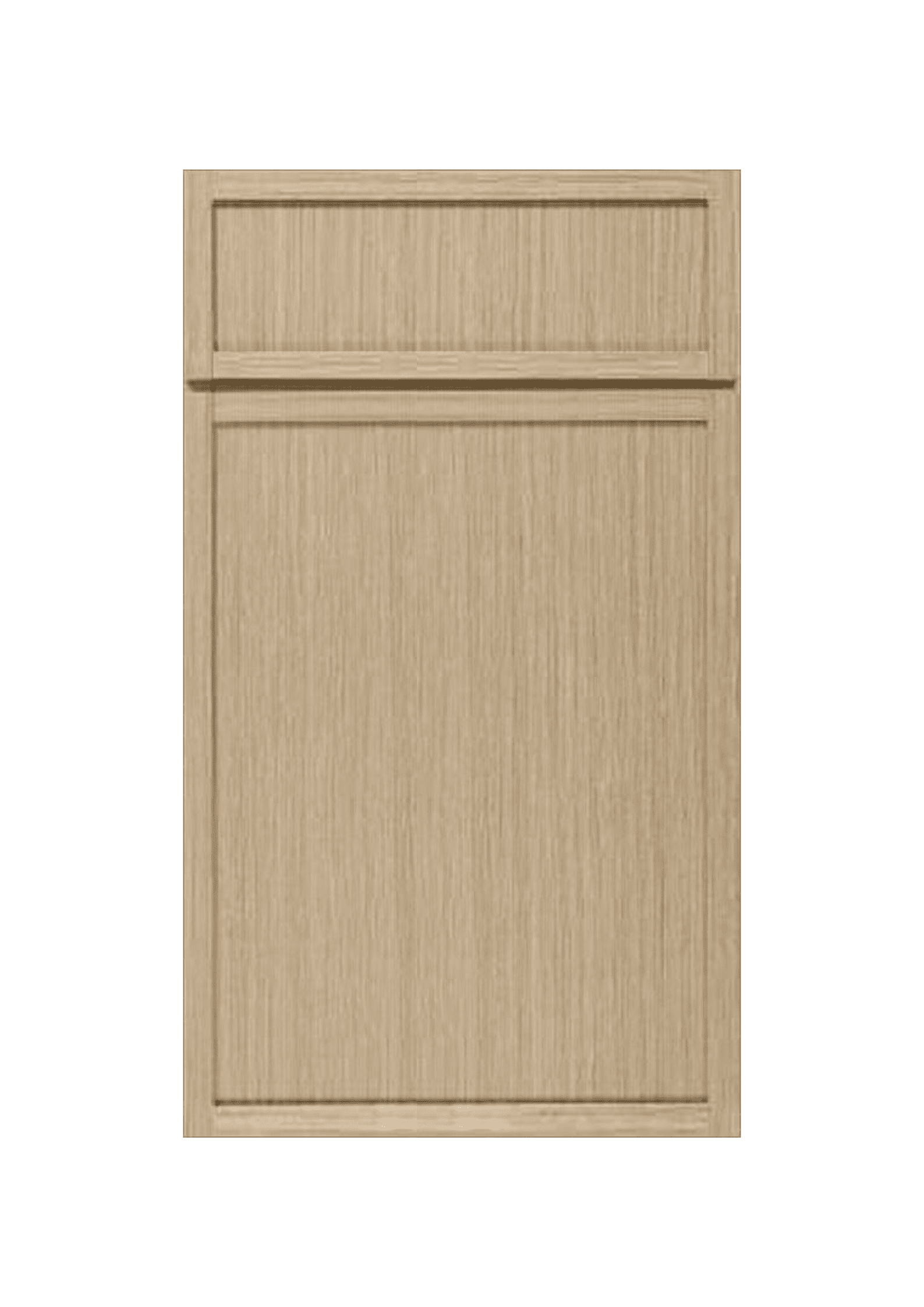
For homeowners seeking an even more minimalist aesthetic, slim shaker cabinets have become a popular alternative to traditional shaker profiles, offering narrower frames and a more contemporary look.
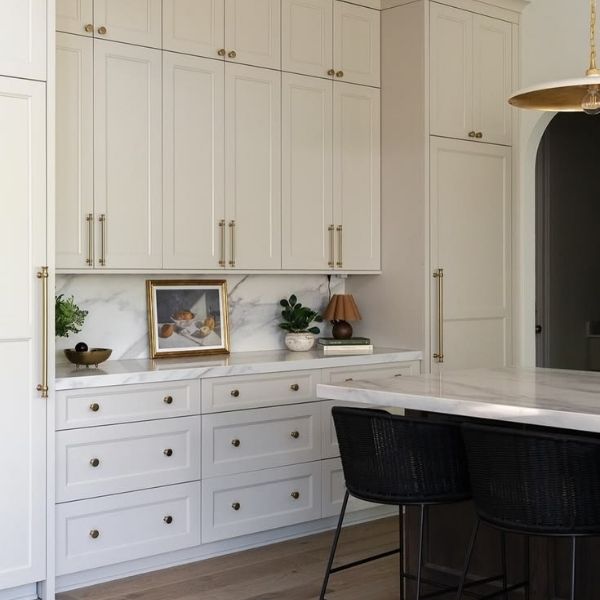
Shaker cabinets create a clean and timeless appearance that complements modern kitchen designs.
Raised panel cabinets, on the other hand, provide a more decorative and traditional appearance. The raised center section creates shadows and depth that add visual interest. These cabinets are often associated with classic American homes, formal kitchens, and luxury interiors.
For homeowners seeking an elegant and detailed design, raised panel cabinets can create a sophisticated atmosphere that feels rich and refined. However, the same decorative features that appeal to traditional homeowners may feel too ornate in contemporary spaces.
In the ongoing debate of shaker vs raised panel cabinets, shaker cabinets generally fit modern design trends more naturally, while raised panel cabinets excel in traditional settings.
Budget plays a significant role when comparing shaker vs raised panel cabinets, and in most cases, shaker cabinets are the more economical option.
The reason comes down to manufacturing complexity. Shaker cabinet doors have a straightforward construction process with fewer decorative details. Their flat center panel requires less machining and labor, making them less expensive to produce.
Raised panel cabinets require additional craftsmanship. The raised center panel must be carefully shaped and profiled, while decorative edges often involve more detailed machining. These extra production steps increase manufacturing costs and often result in higher retail pricing.
For large kitchen projects, the price difference can become substantial. Homeowners replacing an entire kitchen may save thousands of dollars by choosing shaker cabinets instead of custom raised panel designs.
That said, price should not be the only consideration. Cabinet quality, materials, construction methods, and finish quality all influence long-term value. A well-built raised panel cabinet may still provide excellent value if it aligns with the home’s architectural style and design goals.
When evaluating cabinet quality, it’s also worth considering whether the wood comes from responsibly managed forests. FSC certification helps homeowners identify products that meet recognized sustainability standards.
For budget-conscious homeowners, however, the shaker vs raised panel cabinets comparison typically favors shaker cabinets due to their lower overall cost.
Kitchen cabinets represent a long-term investment, making durability a critical consideration.
Fortunately, both cabinet styles can last for decades when constructed using high-quality materials. However, their designs influence how they perform over time.
Shaker cabinets benefit from their simplicity. With fewer decorative details and less complex profiling, there are fewer areas susceptible to wear and damage. Their clean edges and straightforward construction often make refinishing easier as well.
Raised panel cabinets are also highly durable, but their decorative features create additional surfaces that may experience wear over time. Intricate edges and profiles can become chipped or worn, particularly in high-traffic kitchens.
Another advantage of shaker cabinets is their design longevity. While kitchen trends evolve, shaker cabinetry has remained consistently popular for decades. Homeowners who prioritize long-term appeal often appreciate this timeless quality.
When evaluating shaker vs raised panel cabinets from a durability perspective, both perform well, but shaker cabinets often hold a slight advantage due to their simpler construction and enduring popularity.
Maintenance is one of the most overlooked aspects of cabinet selection, yet it can significantly impact daily satisfaction.
Shaker cabinets are among the easiest cabinet styles to maintain. Their flat surfaces and minimal detailing make routine cleaning quick and straightforward. Dust, grease, and food residue have fewer places to accumulate, allowing homeowners to wipe surfaces clean with minimal effort.
This ease of maintenance makes shaker cabinets particularly appealing for busy families and households that use the kitchen frequently.
Raised panel cabinets require more attention. The grooves, contours, and decorative edges that contribute to their beauty can also collect dust and grease. Cleaning often requires additional time and effort to reach detailed areas.
Over the years, these maintenance differences can become noticeable, especially in kitchens where cooking occurs daily.
For homeowners prioritizing convenience, the shaker vs raised panel cabinets comparison clearly favors shaker cabinetry.
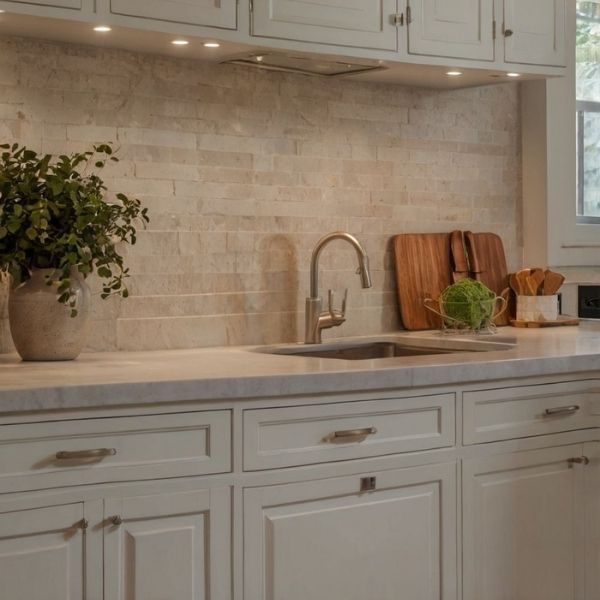
Raised panel cabinets add depth and decorative detail to traditional kitchen interiors.
The ideal cabinet style depends largely on the type of home and the overall design vision.
Shaker cabinets work exceptionally well in modern, contemporary, transitional, Scandinavian, farmhouse, and multifamily projects. Their versatility allows them to blend seamlessly into a wide range of environments.
Builders and developers frequently choose shaker cabinets because they appeal to a broad audience. This universal appeal can be particularly valuable when designing homes intended for resale.
Raised panel cabinets are often better suited to traditional architecture. Colonial homes, classic American residences, and luxury estates frequently benefit from the additional detail and character these cabinets provide.
In homes with extensive trim work, decorative molding, and traditional furnishings, raised panel cabinetry often feels more cohesive than a minimalist shaker design.
The best choice in the shaker vs raised panel cabinets discussion depends on how well the cabinetry complements the overall architectural style of the home.
Feature |
Shaker Cabinets |
Raised Panel Cabinets |
| Appearance | Clean and simple | Decorative and traditional |
| Design Style | Modern, transitional, farmhouse | Traditional and formal |
| Cost | Generally lower | Generally higher |
| Maintenance | Easy to clean | Requires more upkeep |
| Durability | Excellent | Excellent |
| Resale Appeal | Broad market appeal | Strong in traditional homes |
| Customization | High | High |
| Trend Longevity | Extremely strong | Best for classic designs |
This side-by-side comparison highlights why so many homeowners choose shaker cabinets when balancing aesthetics, maintenance, and budget considerations.
Current kitchen design trends continue to favor clean lines, functional spaces, and timeless aesthetics. As a result, shaker cabinets remain one of the most requested cabinet styles among homeowners, designers, and builders.
Their affordability, versatility, and low maintenance requirements make them a practical choice for a wide range of projects. They also tend to appeal to a larger pool of potential buyers, which can positively influence resale value.
Raised panel cabinets still offer exceptional value for homeowners who appreciate traditional design and decorative craftsmanship. In the right setting, they can elevate a kitchen and create a sense of luxury that simpler cabinet styles may not achieve.
However, for the average homeowner planning a kitchen renovation today, the overall value proposition often leans toward shaker cabinetry.
If you’re still exploring cabinet options, be sure to visit our comprehensive guide to Shaker Cabinets to learn more about door styles, construction methods, finishes, and design possibilities.
When comparing shaker vs raised panel cabinets, there is no universally correct answer. Both styles have proven their value over time and continue to be widely used in residential kitchen design.
Shaker cabinets stand out for their simplicity, affordability, versatility, and ease of maintenance. Their clean lines fit seamlessly into modern and transitional kitchens, while their timeless appearance helps ensure long-term appeal. For homeowners seeking a practical and cost-effective solution, shaker cabinets often represent the best overall value.
Raised panel cabinets, meanwhile, offer elegance, character, and traditional craftsmanship. Their detailed appearance can enhance classic homes and create a more formal atmosphere that many homeowners find appealing.
Ultimately, the best choice depends on your home’s architecture, personal style preferences, budget, and maintenance expectations. By carefully evaluating these factors, you can confidently choose the cabinet style that will provide both beauty and functionality for years to come.
Yes. Shaker cabinets are generally associated with modern, transitional, and farmhouse kitchens, while raised panel cabinets are more commonly found in traditional designs.
Because shaker cabinets appeal to a wide range of buyers and remain highly popular, they can contribute positively to resale value in many housing markets.
Not at all. Raised panel cabinets remain a popular choice for traditional homes and luxury kitchens. However, they are less common in contemporary designs.
Shaker cabinets are easier to maintain because their flat surfaces and minimal detailing collect less dust and grease.
For most modern homeowners, shaker cabinets offer the best combination of style, affordability, durability, and ease of maintenance. However, raised panel cabinets may be the better choice for traditional homes and formal kitchen designs.
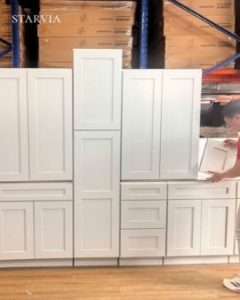
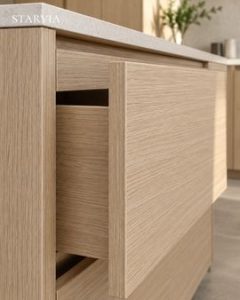
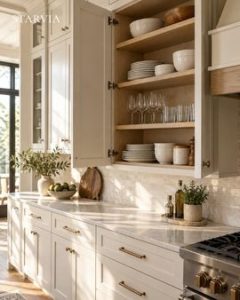

 View collection
 View collection
 View collection
 View collection