- Our Products
-
Choose your Cabinet Style
-

Kitchen design trends continue to evolve every year, but a few cabinet styles consistently remain relevant regardless of changing consumer preferences. Among them, shaker cabinets have maintained their position as one of the most popular and dependable choices in both residential and commercial kitchen design. Their clean appearance, practical construction, and long-term versatility make them suitable for nearly every type of interior, from modern urban homes to large-scale multifamily developments.
In today’s market, homeowners are increasingly searching for kitchens that feel timeless rather than overly trend-driven. Builders and developers are also prioritizing cabinetry that appeals to a broad range of buyers while maintaining strong long-term value. This is one of the primary reasons shaker cabinets continue to dominate the kitchen industry in 2026.
Unlike highly decorative cabinet styles that can quickly feel outdated, shaker cabinets offer a balanced and adaptable design language. Their simple framing allows them to integrate naturally with modern countertops, contemporary hardware, natural wood textures, and evolving kitchen color palettes. Whether paired with marble surfaces, matte black fixtures, warm oak flooring, or minimalist lighting, shaker cabinetry continues to feel current without losing its classic appeal.
Another reason for the ongoing popularity of shaker kitchen cabinets is their manufacturing flexibility. Cabinet factories can efficiently produce shaker styles across multiple construction methods, including custom cabinetry, inset cabinetry, and RTA cabinet systems. This scalability makes shaker cabinets highly attractive not only for homeowners, but also for contractors, developers, kitchen dealers, and wholesale distributors managing larger projects.
As modern kitchens increasingly prioritize functionality, durability, and visual simplicity, shaker cabinets remain one of the safest and most effective cabinet investments available today.
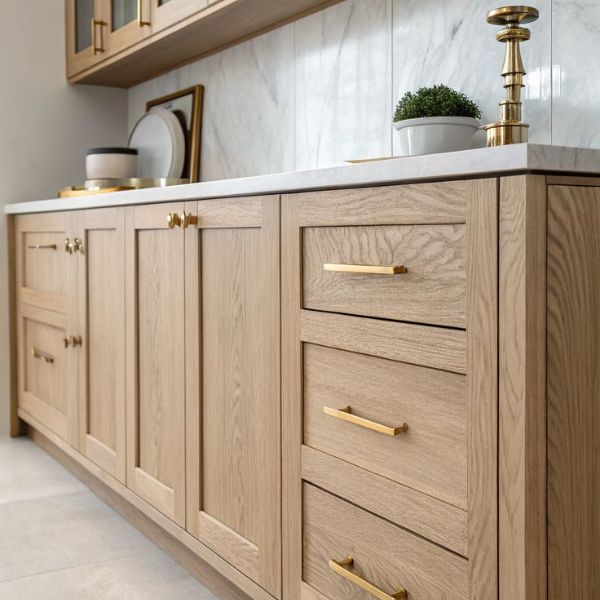
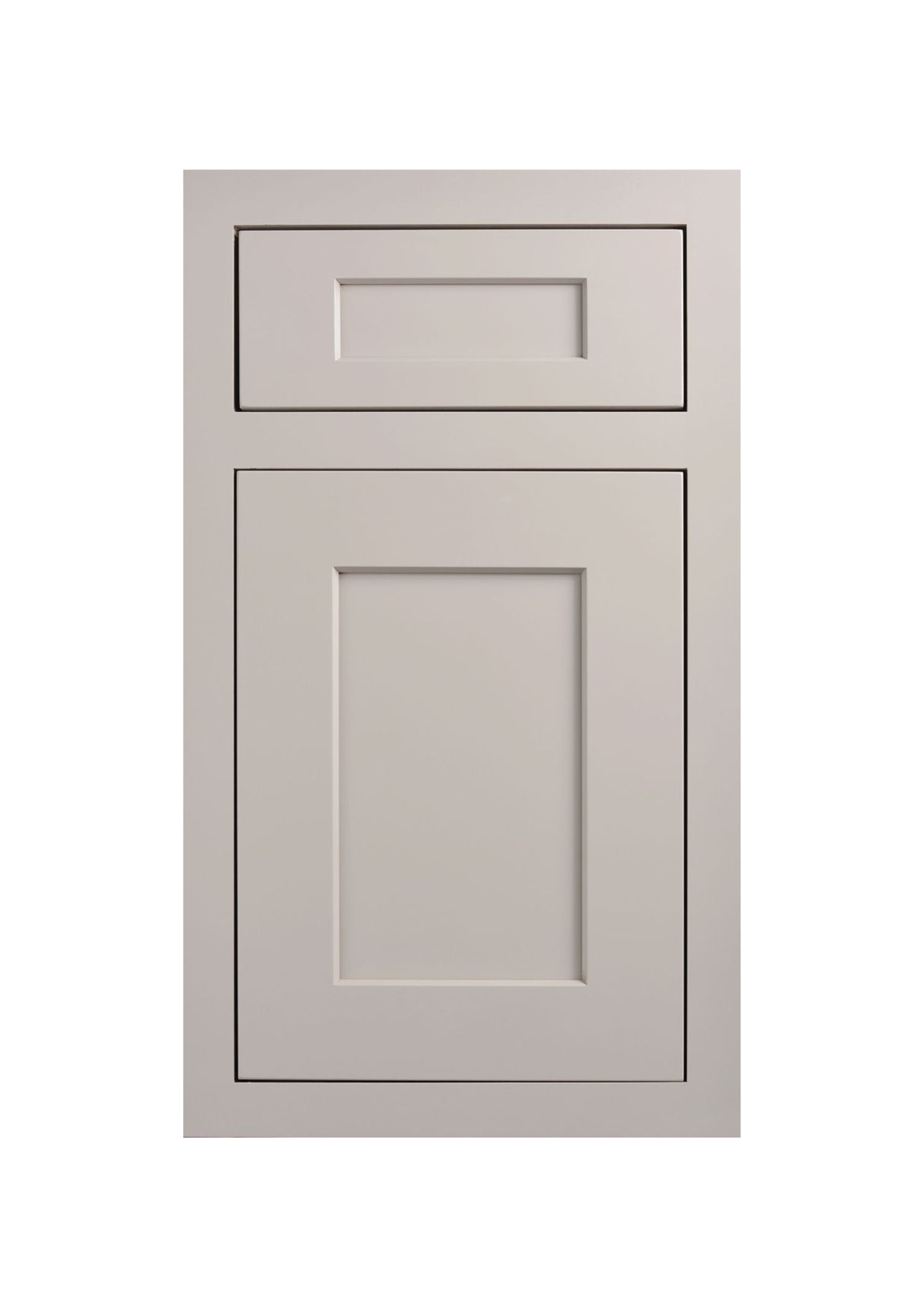
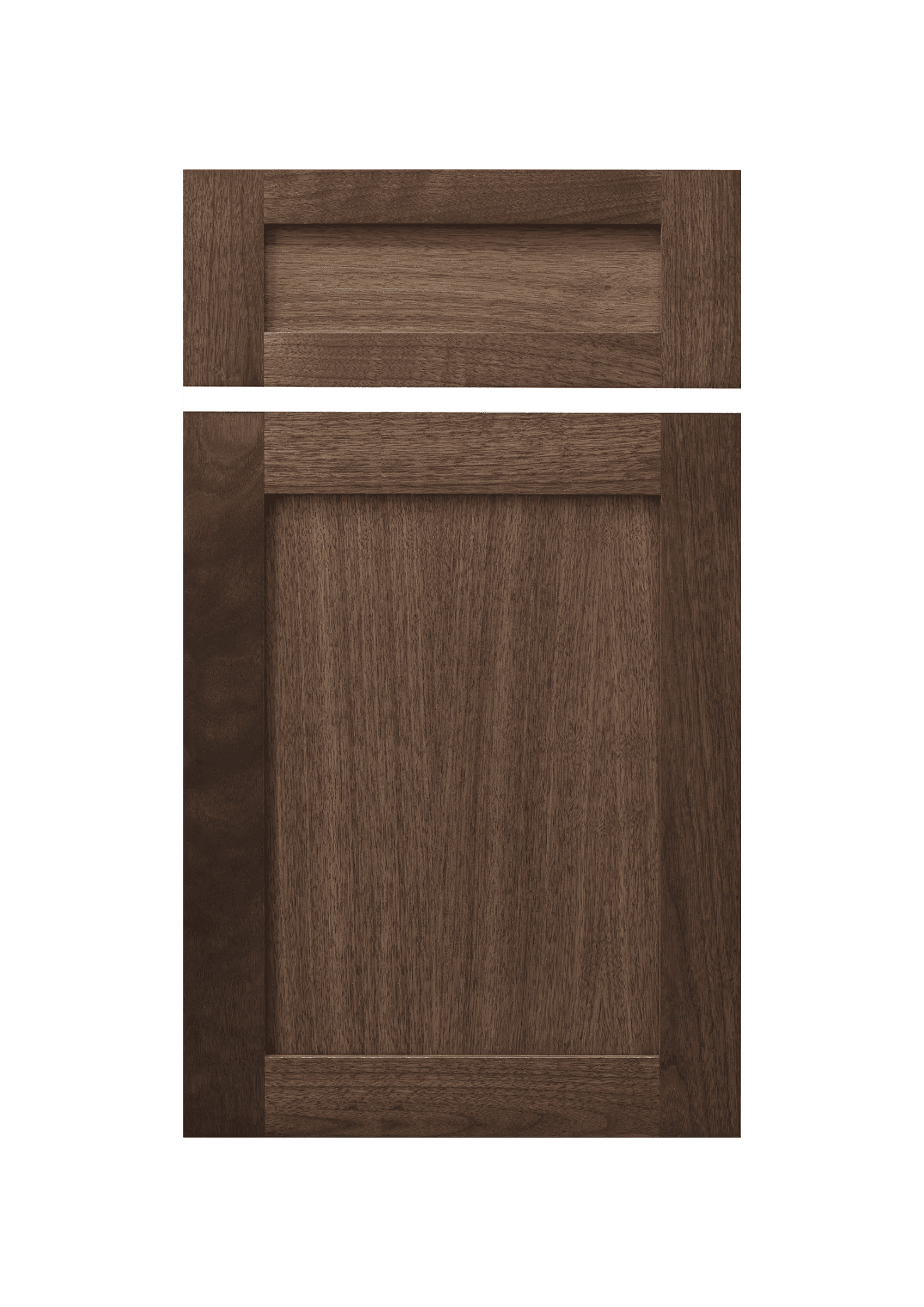
Shaker cabinets are known for their clean five-piece door construction.
Shaker cabinets are defined by a simple five-piece door construction consisting of four frame sections surrounding a recessed center panel. Unlike ornate traditional cabinetry that relies heavily on decorative detailing, shaker cabinets focus on clean geometry, symmetry, and functional craftsmanship.
The style originally traces back to the Shaker religious community, which valued simplicity, practicality, and honesty in craftsmanship. Over time, this minimalist approach evolved into one of the most recognizable cabinet styles in modern kitchen design.
What makes shaker cabinets unique is their ability to remain visually balanced across different interior styles. While some cabinet trends are strongly tied to specific eras or aesthetics, shaker cabinetry adapts naturally to changing design environments. This flexibility allows the same cabinet profile to work in farmhouse kitchens, luxury homes, modern apartments, transitional interiors, and even Scandinavian-inspired spaces.
Today, shaker cabinets are commonly used in:
Because of their broad appeal, shaker cabinets continue to be one of the most manufactured cabinet styles worldwide.
One of the biggest reasons shaker cabinets remain so successful is their timeless appearance. Many kitchen trends rise quickly and disappear just as fast, but shaker cabinetry continues to feel relevant decade after decade. The clean lines and restrained detailing create a neutral visual foundation that adapts naturally to changing materials, finishes, and interior trends.
Homeowners increasingly prefer kitchens that will still look attractive years later rather than designs that feel overly specific to a single trend cycle. Shaker cabinets provide exactly that balance. They feel modern without appearing cold and traditional without looking outdated.
This versatility is especially important in residential real estate. Builders and developers often select shaker cabinets because they appeal to a wider range of buyers compared to highly stylized cabinet designs. A kitchen with shaker cabinetry feels approachable, functional, and easy to personalize, which improves overall marketability.
Another major advantage is design flexibility. Shaker cabinets can easily transition between multiple aesthetics depending on surrounding materials and finishes. A white shaker kitchen paired with brushed brass hardware and marble countertops creates a bright transitional environment, while black shaker cabinets combined with wood textures and matte fixtures produce a more contemporary and dramatic atmosphere.
The style also works exceptionally well with modern open-concept homes. Because shaker cabinets are visually clean without being overly minimal, they integrate smoothly into larger living spaces without overwhelming the architecture.
In addition to aesthetics, shaker cabinets continue to perform well because they support efficient manufacturing and scalable production. Their straightforward construction allows cabinet factories to maintain consistent quality while producing large volumes for residential developments and export markets. This operational efficiency makes shaker cabinetry particularly attractive for contractors, kitchen dealers, and international distributors.
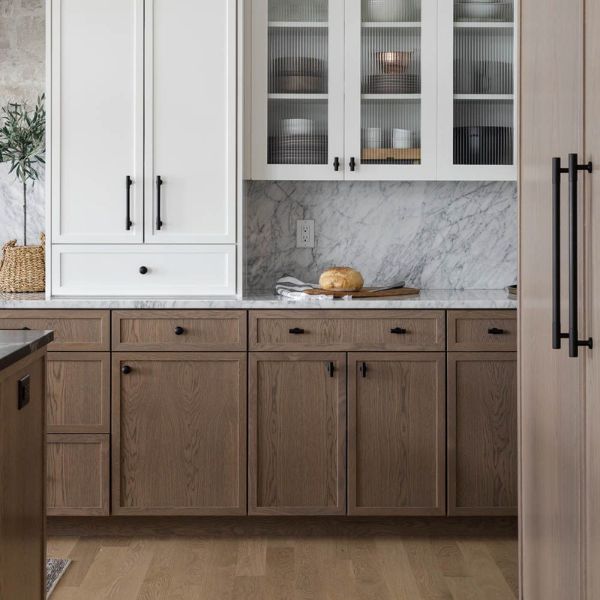
Slim shaker profiles are becoming increasingly popular in modern homes.
Although shaker cabinets are considered timeless, the style itself continues to evolve. In recent years, manufacturers and designers have introduced updated interpretations that better align with modern interiors and changing consumer preferences.
One of the most noticeable shifts is the growing popularity of slim shaker cabinets. Traditional shaker doors often featured wider framing and deeper recessed center panels, but contemporary versions now use thinner and more refined proportions. This subtle change creates a cleaner appearance that feels more modern while still preserving the warmth and familiarity associated with shaker cabinetry.
Slim shaker profiles are especially popular in:
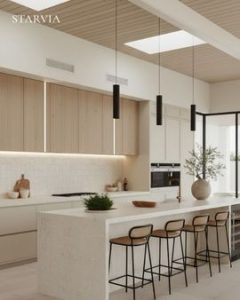
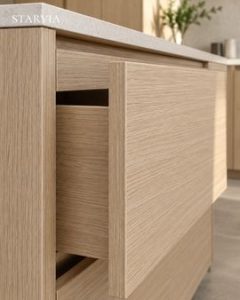
Another important trend is the rise of natural wood shaker cabinets. While painted white cabinetry continues to dominate the market, homeowners are increasingly drawn to warmer interiors featuring organic textures and natural finishes. White oak shaker cabinets, walnut finishes, and light natural wood tones are becoming more common in both modern and transitional kitchens.
This shift toward warmer materials reflects broader interior design trends focused on comfort, balance, and natural living environments.
Two-tone kitchen designs also continue to strengthen the popularity of shaker cabinetry. Because shaker doors maintain clean visual consistency, they work exceptionally well when combining multiple finishes within the same kitchen. Common combinations include:
These layered color combinations help kitchens feel more dynamic while preserving a cohesive design structure.
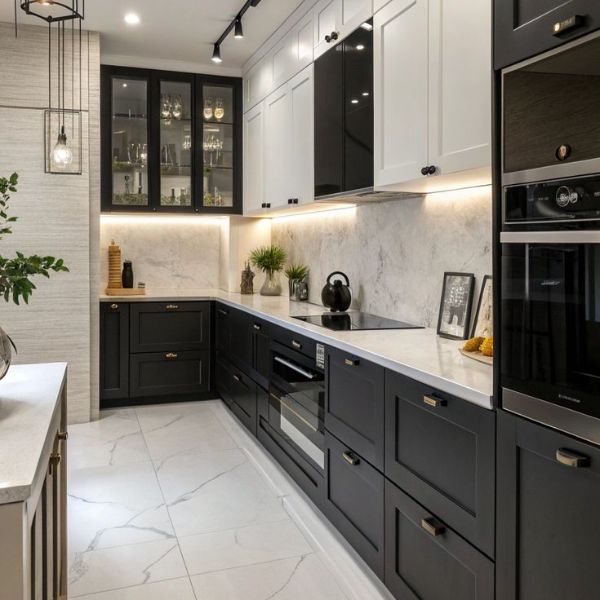
Two-tone shaker kitchens remain one of the strongest kitchen trends in 2026.
Inset shaker cabinets are also gaining popularity in luxury residential projects. Unlike overlay cabinetry, inset cabinet doors sit flush inside the cabinet frame, creating a highly refined and architectural appearance. This style requires greater manufacturing precision and more advanced craftsmanship, which is why inset shaker cabinets are typically associated with premium kitchens.
As homeowners continue prioritizing timelessness over temporary trends, modern shaker cabinetry remains one of the most adaptable and future-proof cabinet solutions available today.
Color selection plays a major role in how shaker cabinets influence the overall atmosphere of a kitchen. Although white shaker cabinets remain the industry standard, several additional finishes are becoming increasingly popular in 2026.
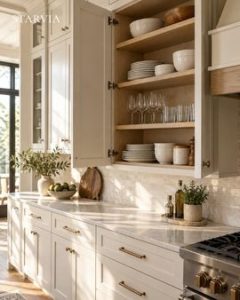
White shaker cabinets continue to dominate because they create a bright, clean, and highly versatile environment. They reflect light effectively, make kitchens feel larger, and pair naturally with nearly every countertop and flooring material available today. Their broad appeal also makes them particularly valuable in resale-focused residential projects.
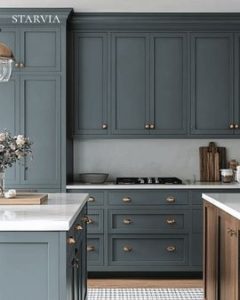
However, many homeowners are now seeking kitchens with greater warmth and depth. As a result, gray shaker cabinets remain a strong option for transitional and modern interiors. Warm gray tones, greige finishes, and soft charcoal colors provide more visual richness than pure white while still maintaining neutrality.
Natural wood shaker cabinets are also becoming increasingly important in contemporary kitchen design. White oak, walnut, maple, and birch finishes introduce texture and warmth while helping kitchens feel more organic and inviting. In many luxury projects, designers are intentionally mixing painted shaker cabinetry with wood finishes to create layered and balanced interiors.
Black shaker cabinets have also grown significantly in popularity, especially in upscale residential spaces. When paired with brass hardware, stone surfaces, and strong lighting, black cabinetry creates a bold and sophisticated visual statement. However, darker finishes generally perform best in kitchens with larger layouts and sufficient natural light.
Matte finishes continue to outperform high-gloss surfaces because they feel softer, more modern, and more aligned with current interior trends. Homeowners increasingly prefer cabinetry that feels understated and refined rather than overly polished or reflective.
As warm neutrals and natural finishes continue to trend in 2026, many designers look to curated cabinet color palettes from Sherwin-Williams for inspiration in modern shaker kitchen projects.
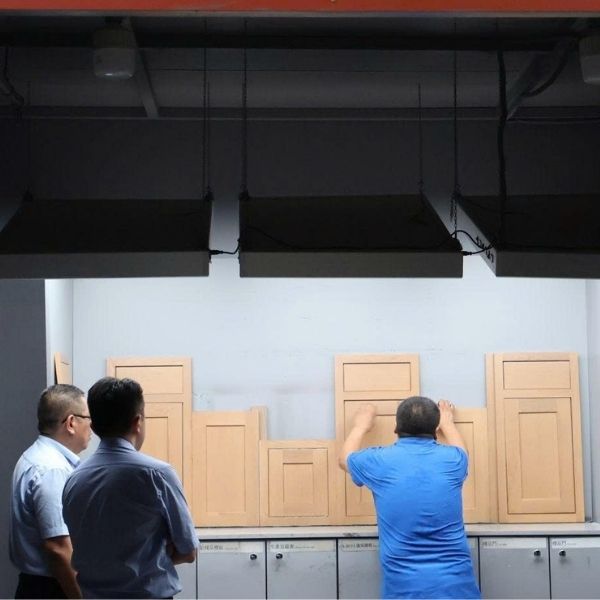
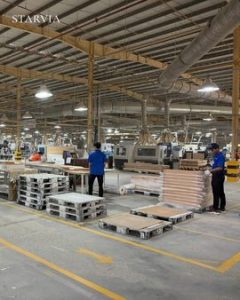
Consistent manufacturing quality is essential for long-term cabinet durability.
Not all shaker cabinets offer the same level of quality. While many products may appear visually similar at first glance, construction standards, finishing quality, and material selection can vary significantly between manufacturers.
One of the most important factors is door construction quality. High-quality shaker cabinet doors should feature tight joints, consistent alignment, smooth edges, and durable structural integrity. Poorly manufactured doors often develop cracking, warping, or joint separation over time, particularly in humid kitchen environments.
Material selection is equally important. Premium shaker cabinets commonly use:
Plywood cabinet construction is generally preferred for long-term durability because it offers better structural stability and moisture resistance compared to particle board alternatives.
The finishing process also plays a major role in cabinet performance. High-quality cabinet manufacturers typically use controlled spray systems, precision sanding, multi-layer coatings, and advanced curing technology to achieve smooth and durable painted surfaces. A properly finished cabinet should feel consistent across all visible surfaces without uneven texture or color variation.
Hardware quality should never be overlooked. Soft-close hinges, durable drawer slides, and adjustable systems significantly improve long-term functionality and user experience. In residential developments and high-use kitchens, reliable hardware becomes especially important for minimizing maintenance issues over time.
For contractors, developers, and kitchen dealers, supplier reliability is just as critical as product quality. Consistent lead times, scalable production capability, export experience, and strong quality control systems are essential when managing larger projects or international sourcing programs.
Shaker cabinets continue to dominate not only because homeowners love them, but also because they solve several important operational challenges for builders and developers.
From a project management perspective, shaker cabinetry offers exceptional design flexibility. It integrates easily with multiple architectural styles and allows developers to create kitchens that appeal to broad buyer demographics. This reduces design risk and helps improve long-term resale potential.
Another major advantage is scalability. Shaker cabinet construction supports efficient large-scale manufacturing, making it ideal for:
Because shaker cabinets are widely accepted across different markets, developers can maintain visual consistency across projects without relying on short-term design trends that may quickly lose appeal.
The simplicity of shaker cabinetry also helps streamline kitchen planning and material coordination. Countertops, hardware finishes, lighting systems, backsplash materials, and flooring selections are generally easier to coordinate with shaker doors than with more decorative cabinet styles.
In export manufacturing environments, shaker cabinets also support more stable production processes because their construction methods are highly standardized. This helps improve manufacturing consistency, packaging efficiency, and quality control reliability for international shipping programs.
Shaker cabinets continue to lead modern kitchen design because they successfully combine timeless aesthetics, functional simplicity, and long-term versatility. While many cabinet trends come and go, shaker cabinetry consistently adapts to changing interiors without losing its relevance.
Their clean lines, balanced proportions, and broad design compatibility make them suitable for nearly every type of residential environment, from luxury homes and contemporary apartments to large-scale multifamily developments. Whether finished in classic white, warm natural wood, soft gray, or bold black, shaker cabinets continue to provide a reliable foundation for modern kitchens.
In 2026, homeowners increasingly prioritize kitchens that feel refined, durable, and future-proof. Builders and developers seek cabinetry that supports scalable manufacturing while maintaining broad market appeal. Shaker cabinets continue to meet all of these demands exceptionally well.
As kitchen design continues evolving toward simplicity, warmth, and timeless functionality, shaker cabinets remain one of the strongest and most dependable choices in the global cabinet industry.

 View collection
 View collection
 View collection
 View collection