- Our Products
-
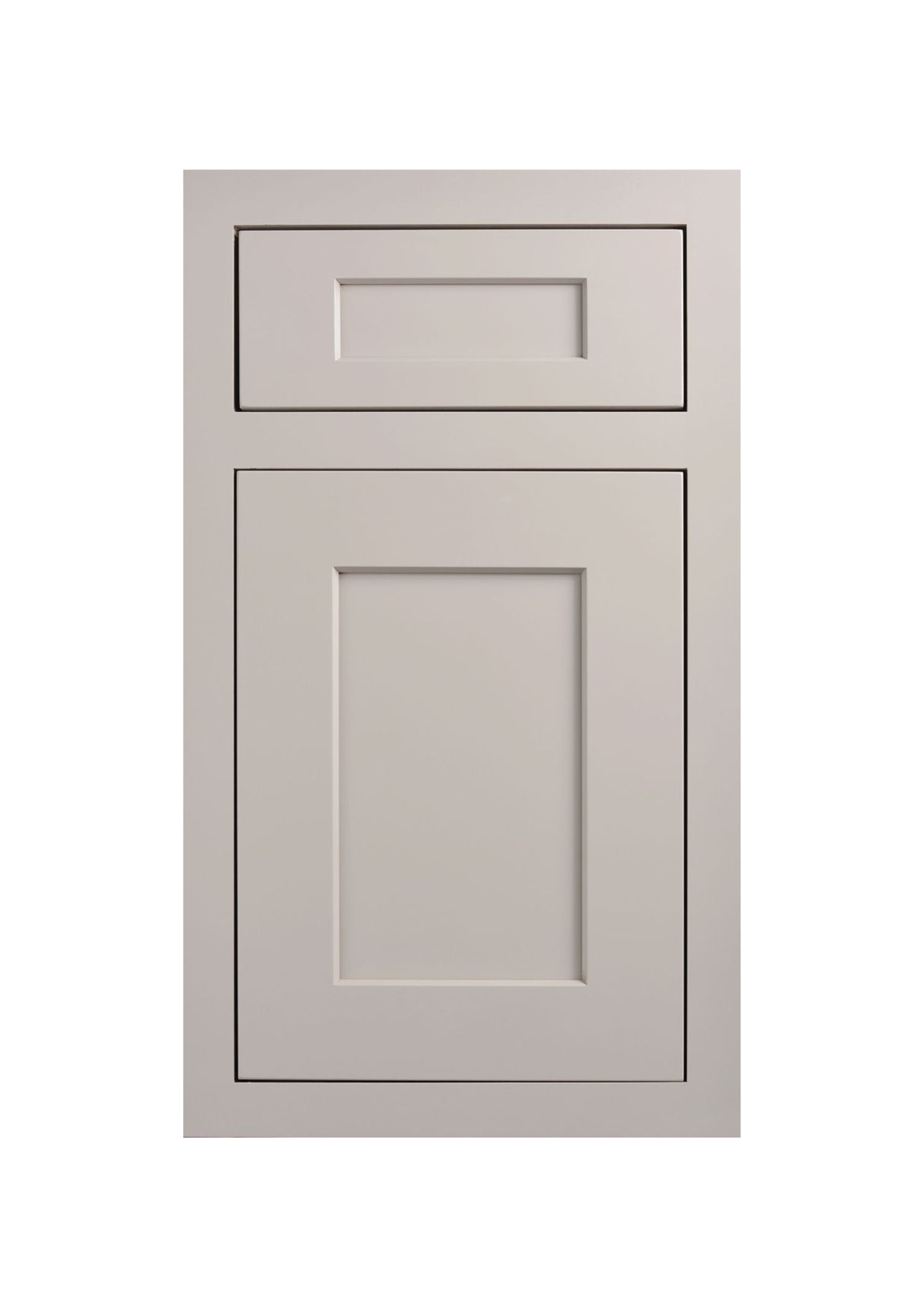
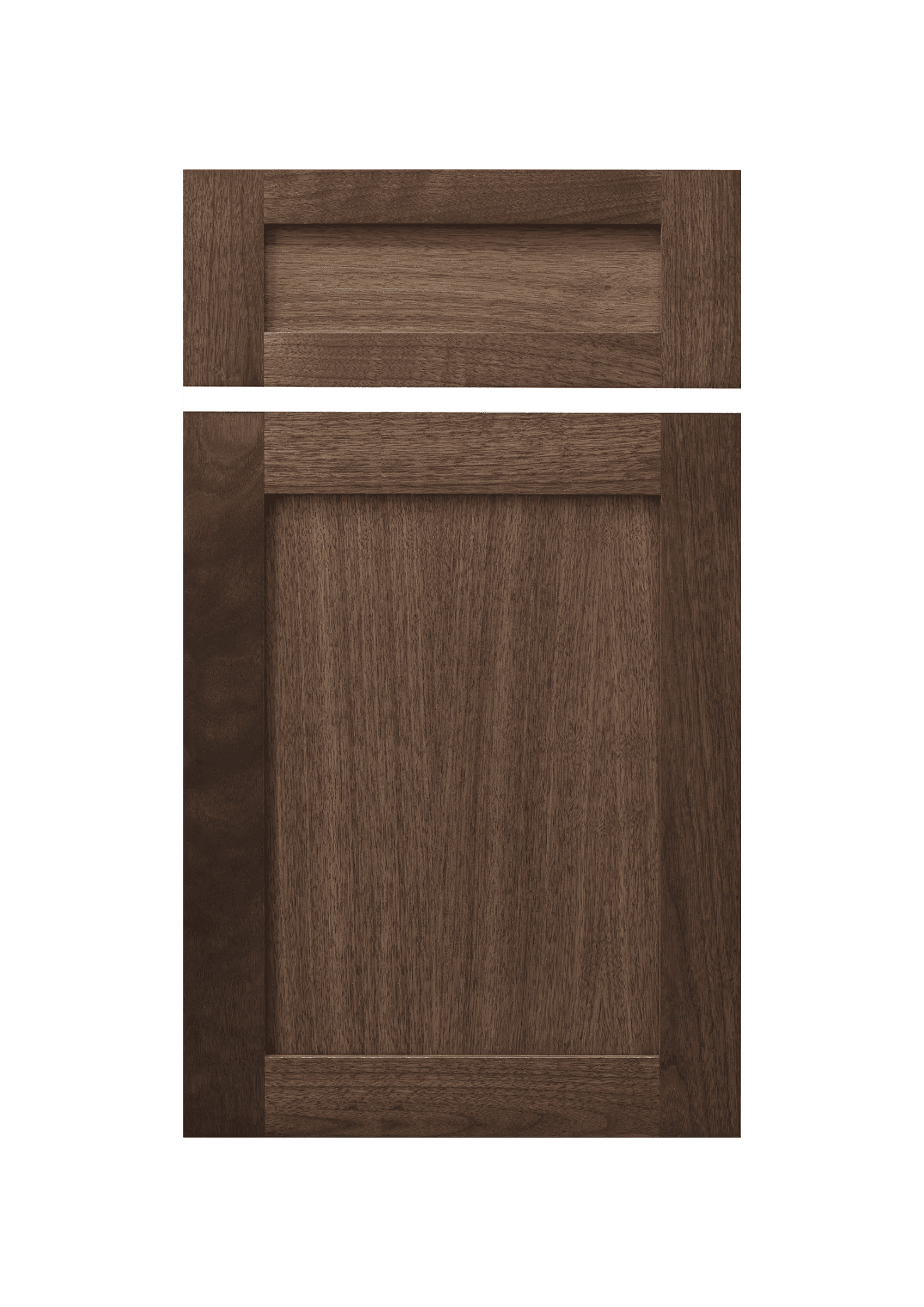
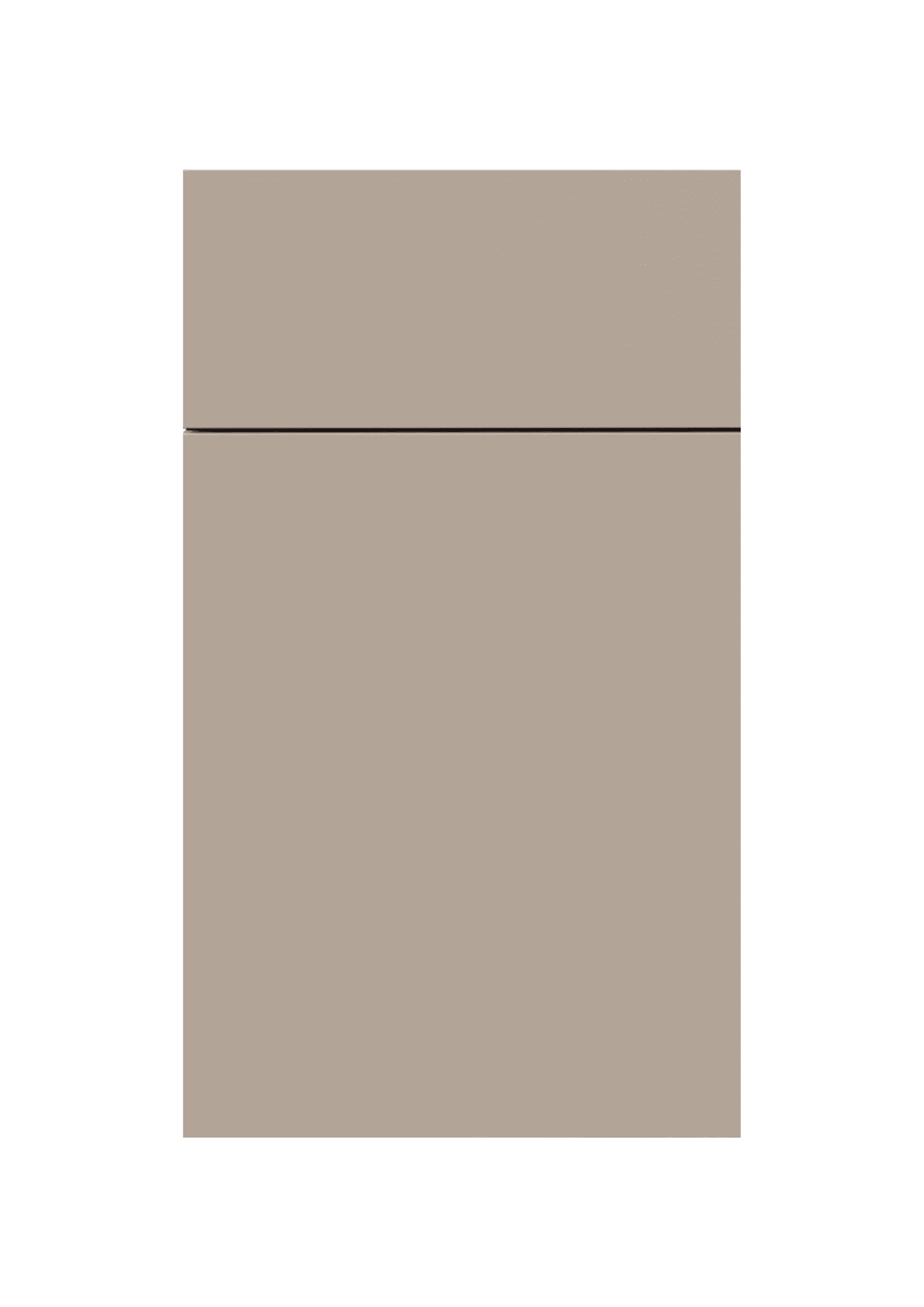
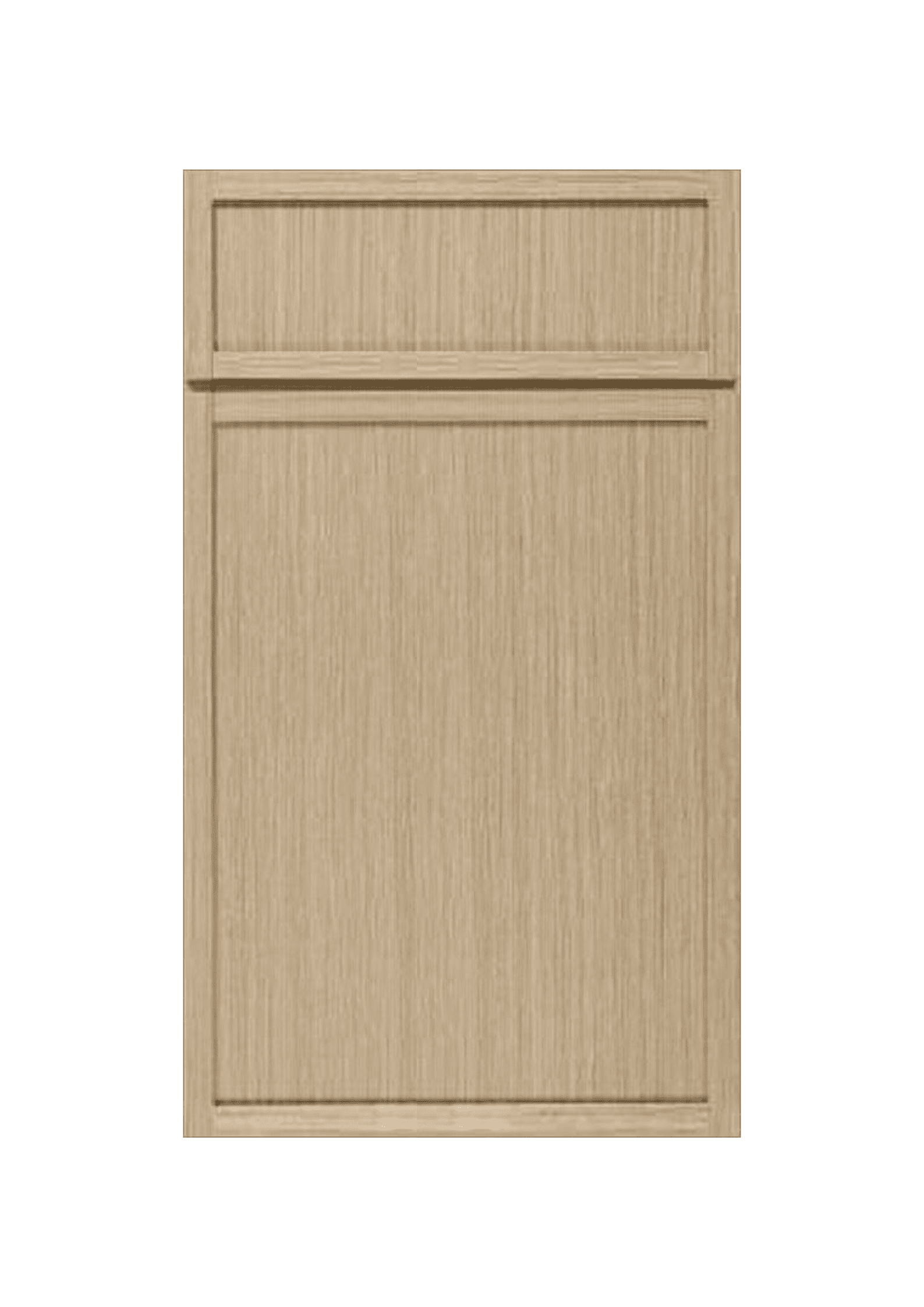
Choose your Cabinet Style
-

In the global cabinetry industry, Wood Cabinets continue to maintain a strong and stable market position despite changing design trends, evolving construction methods, and growing material alternatives. For developers, distributors, contractors, and private-label cabinet brands, wood remains one of the most commercially dependable cabinet categories because it combines natural beauty, long-term durability, and broad market acceptance.
Unlike trend-driven products that rise and fall with shifting consumer preferences, wood cabinetry has proven its long-term value across residential, hospitality, and commercial sectors. From premium kitchen projects to large-scale housing developments, wood-based cabinetry consistently delivers a balance of aesthetics, functionality, and perceived value that supports stronger product positioning in competitive markets.
For international buyers, however, choosing Wood Cabinets is only part of the sourcing strategy. The larger business decision is selecting a manufacturing partner capable of delivering consistent quality, scalable production, reliable lead times, and export-ready operations. This is where manufacturers like Starvia Cabinet, a professional Starvia Cabinet, play an increasingly important role. As a modern Vietnam Cabinet Factory, Starvia combines craftsmanship with advanced Cabinet Manufacturing systems to support global buyers seeking dependable cabinet solutions built for long-term growth.
Global cabinet markets continue to evolve, but wood remains one of the strongest product categories because it consistently aligns with what buyers value most: durability, premium appearance, flexibility, and reliable long-term performance. This makes wood cabinetry attractive not only to end consumers but also to B2B buyers focused on product positioning and market scalability.
One of the biggest advantages of wood is perception. Buyers naturally associate wood construction with quality craftsmanship and structural strength. This premium positioning helps distributors and developers create stronger value propositions in both mid-range and upscale markets. In highly competitive industries, material perception often influences purchasing decisions just as much as pricing.
Wood also supports a wide design range. It adapts naturally to classic cabinetry, transitional interiors, luxury collections, and contemporary kitchen systems. This versatility allows manufacturers to serve multiple design segments while maintaining efficient production structures. For B2B buyers, that means broader market reach without constantly changing sourcing strategies.
Another major advantage is lifecycle value. Well-manufactured wood cabinetry typically offers stronger hardware retention, better structural integrity, and longer service life than many lower-cost alternatives. For commercial buyers managing long-term project economics, that performance translates into better return on investment.
Because of these advantages, wood continues to hold strong demand even as material trends change.
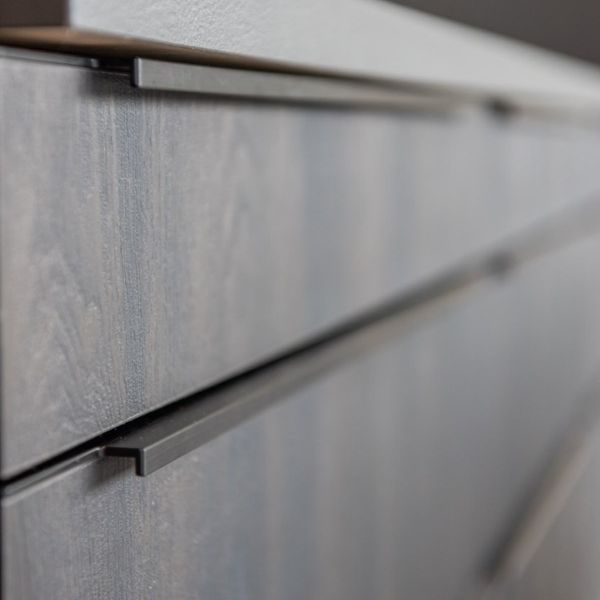
Wood species selection plays a major role in cabinet durability, finish quality, and long-term performance.
The quality of Wood Cabinets begins long before production starts. Raw material selection, wood conditioning, moisture management, and substrate engineering all directly influence long-term cabinet performance. No manufacturing process can fully compensate for weak material foundations.
Professional cabinet manufacturers carefully select wood species based on grain stability, hardness, finishing compatibility, and structural performance. Maple remains popular because of its smooth texture and consistent finishing behavior. Oak is valued for durability and natural character, while ash offers a cleaner grain suited to both painted and stained applications. Walnut serves premium markets where luxury aesthetics are a key selling point, and birch provides balanced value with dependable performance.
Moisture control is equally important. Improperly dried wood can warp, crack, expand, or shrink after installation. These issues create quality complaints that damage brand reputation and increase replacement costs. Leading manufacturers use kiln drying systems, moisture testing, and controlled conditioning environments to ensure dimensional stability before materials move into production.
Engineered construction also plays a growing role in modern cabinet quality. Many high-performance cabinet programs combine hardwood components with engineered wood cores to improve structural consistency while maintaining natural wood appearance. This hybrid construction often provides better long-term performance in varying climate conditions.
For B2B buyers, understanding material quality is critical because it directly affects durability, customer satisfaction, and product reputation.
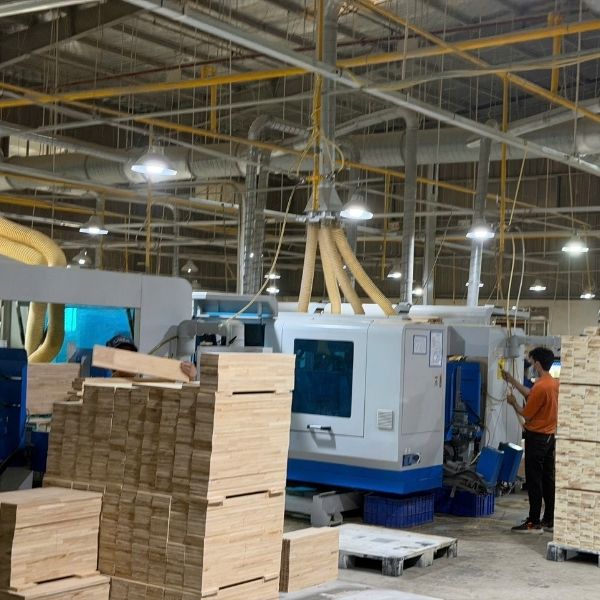
Precision machining and advanced finishing systems help manufacturers produce wood cabinets with greater consistency and quality.
Today’s cabinet industry is built on precision manufacturing. While craftsmanship remains important, modern Wood Cabinets rely heavily on automation, engineering, and structured quality systems to achieve consistency at scale.
Computer-controlled machining is now standard among advanced manufacturers. CNC cutting systems improve dimensional accuracy, reduce waste, and ensure repeatable production quality across high-volume orders. Automated drilling, routing, edge processing, and hardware preparation systems further strengthen consistency throughout the manufacturing process.
Assembly engineering is another major factor. Strong cabinet construction depends on joinery precision, fastening systems, hinge placement, and hardware compatibility. When these elements are carefully engineered, cabinets perform better under long-term daily use.
Finishing technology also defines market competitiveness. Buyers increasingly judge cabinetry by coating smoothness, color consistency, scratch resistance, and long-term surface durability. Professional factories invest in enclosed finishing lines, dust-control systems, UV curing processes, and multi-layer coating applications to achieve premium finishing standards.
Advanced coating technologies—such as the industrial wood finishing systems developed by Sherwin-Williams Industrial Wood Coatings—continue to raise quality standards across global cabinet manufacturing.
Packaging is often overlooked, but it matters greatly in international sourcing. Cabinets shipped globally face stacking pressure, vibration, humidity, and handling impact. Export-grade packaging engineering protects product integrity throughout transport, reducing damage claims and improving customer satisfaction.
Modern manufacturing is what transforms wood cabinetry from a traditional product into a globally scalable business category.
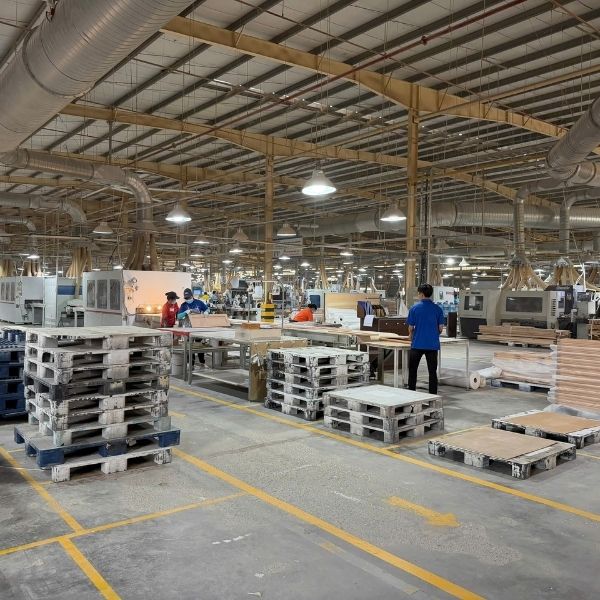
Vietnam has become a leading sourcing destination for export-grade wood cabinet manufacturing.
Vietnam has rapidly become one of the most important global sourcing destinations for Wood Cabinets. For international buyers, the country offers a compelling balance of quality, manufacturing capability, and commercial efficiency.
One major advantage is production value. Vietnam offers competitive operating structures while continuing to improve manufacturing sophistication. This allows buyers to source high-quality cabinetry at stronger cost-performance ratios compared with many traditional manufacturing markets.
Vietnam also benefits from deep furniture manufacturing expertise. Years of industry development have created strong capabilities in wood processing, finishing technology, assembly engineering, and export packaging. This technical depth supports premium cabinet production rather than only basic mass manufacturing.
Supply chain maturity strengthens this position even further. Reliable access to hardware systems, engineered wood materials, finishing products, machinery support, and logistics infrastructure helps factories operate more consistently and scale more effectively.
Most importantly, modern Vietnamese manufacturers increasingly understand global B2B expectations. Buyers need dependable communication, quality documentation, lead time management, and flexible production planning. Factories that align with these operational requirements become strategic long-term partners rather than simple suppliers.
This evolution is why Vietnam continues gaining attention in global cabinet sourcing.
Among Vietnam’s leading manufacturers, Starvia Cabinet continues to strengthen its position as a trusted Starvia Cabinet serving international buyers across multiple cabinet categories.
What sets Starvia apart is manufacturing discipline. The company combines advanced machinery, precision production systems, and strict quality management to support export-grade cabinet manufacturing at scale. This structured approach creates stronger consistency across large production programs.
Its capabilities extend across a broad cabinet portfolio, including classic wood cabinetry, modern kitchen systems, custom manufacturing programs, and private-label solutions designed for international distributors and developers. This flexibility helps buyers consolidate sourcing while maintaining product diversity.
Starvia’s quality systems are equally important. Material inspection, production-stage monitoring, assembly verification, finishing control, and pre-shipment auditing all help maintain high standards across every order. For buyers managing brand reputation, this consistency becomes a critical competitive advantage.
The company also supports long-term procurement needs through responsive communication, scalable capacity, and operational reliability. In global sourcing, dependable execution often matters more than aggressive pricing.
That is where professional manufacturing creates lasting value.
Successful sourcing decisions require looking beyond unit price. Buyers selecting Wood Cabinets should evaluate manufacturing capability as a complete business system.
Production capacity should match growth expectations. A supplier must be able to scale without sacrificing consistency or lead time reliability. Machinery investment and operational organization are strong indicators of scalability.
Material standards should be reviewed carefully. Buyers should understand wood sourcing practices, moisture management, finishing systems, and construction engineering. These details define long-term product performance.
Quality control systems must be measurable and structured. Reliable factories use documented inspection processes across incoming materials, production stages, finishing, assembly, and packaging verification.
Customization capability is increasingly valuable. Private-label programs often require finish development, packaging branding, sizing adjustments, and product engineering support. Manufacturers with OEM and ODM flexibility create stronger long-term opportunities.
Finally, export experience matters. Documentation accuracy, shipping coordination, communication responsiveness, and operational discipline all influence procurement success.
The best suppliers function as manufacturing partners, not simply vendors.
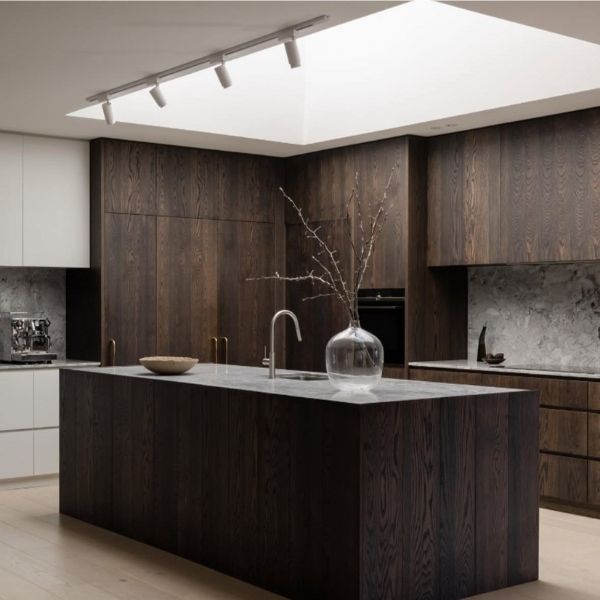
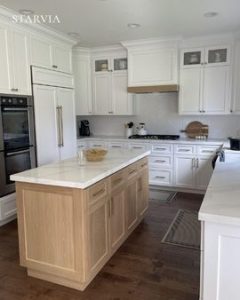
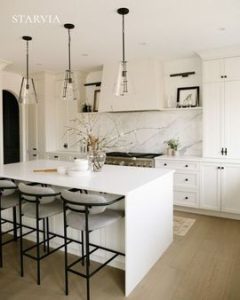
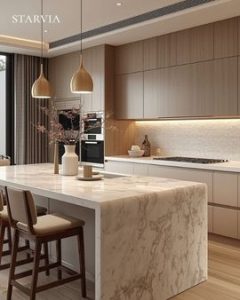
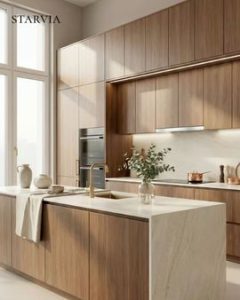
Finished wood cabinet projects showcase the timeless style, functionality, and long-term value of natural cabinetry.
Global demand for Wood Cabinets remains strong because the category continues to deliver what buyers consistently prioritize: premium appearance, structural durability, flexible design potential, and long-term commercial value. While market trends will continue evolving, wood cabinetry remains one of the most stable and scalable cabinet segments for international business growth.
For distributors, contractors, developers, and cabinet brands, long-term success depends not only on product selection but on manufacturing partnership. Working with a capable factory improves quality consistency, strengthens supply reliability, and supports sustainable expansion into competitive markets.
With modern Cabinet Manufacturing systems, export-ready operations, and scalable production capability, Starvia Cabinet continues to stand out as a reliable Starvia Cabinet for global buyers seeking high-quality cabinet sourcing built on long-term manufacturing excellence.
 View collection
 View collection
 View collection
 View collection