- Our Products
-
Choose your Cabinet Style
-

Painted kitchen cabinets have become one of the most popular cabinetry choices in modern residential design. From luxury homes and urban apartments to large-scale multifamily developments, homeowners and designers increasingly prefer painted finishes for their clean appearance, flexible color options, and compatibility with contemporary interiors.
Unlike stained wood cabinetry that highlights natural grain patterns, painted kitchen cabinets create a smooth and uniform surface that works well across a wide range of kitchen styles. Their ability to adapt to both minimalist and transitional interiors has made them a dominant trend in global kitchen design over the last decade.
However, choosing painted kitchen cabinets involves much more than selecting a color. Finish quality, cabinet construction, paint systems, durability, and manufacturing capability all play critical roles in long-term performance. Poorly manufactured painted cabinets may develop cracking, chipping, or uneven surfaces over time, while professionally finished cabinetry can maintain its appearance for many years.
For homeowners, contractors, and project buyers, understanding how painted cabinets are produced and how different finishes perform is essential before making purchasing decisions. This guide explains the advantages and disadvantages of painted kitchen cabinets, the most popular cabinet styles and colors, the differences between painted and stained finishes, and the key factors buyers should evaluate when selecting cabinetry for modern kitchen projects.
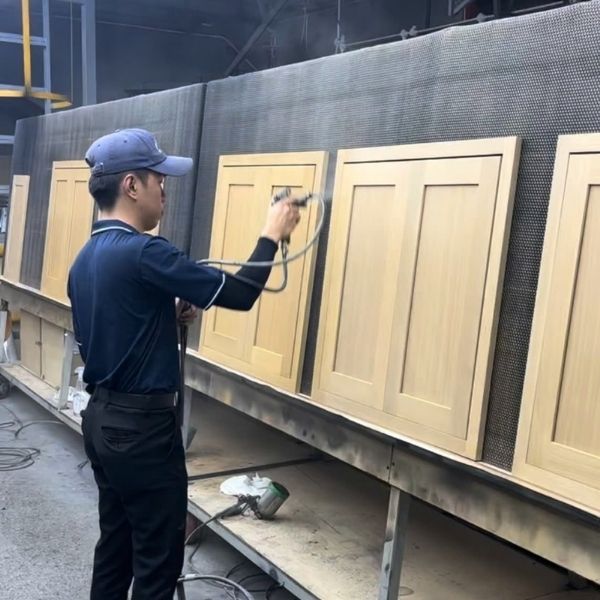
High-quality painted cabinets require sanding, sealing, priming, and controlled finishing processes.
Painted kitchen cabinets are cabinets finished with an opaque paint coating rather than a transparent stain. While stained cabinetry allows the natural wood grain to remain visible, painted finishes fully cover the surface to create a consistent and solid color appearance.
Most modern painted cabinets are manufactured using a combination of hardwood frames and engineered wood materials such as plywood, MDF, or HDF panels. MDF center panels are especially common because they provide smoother surfaces and reduce visible grain beneath the paint finish.
The manufacturing process for painted cabinetry is more complex than many buyers realize. High-quality painted kitchen cabinets typically go through multiple finishing stages, including sanding, sealing, priming, spray coating, curing, and final inspection. Professional cabinet manufacturers often use controlled finishing environments to improve coating consistency and reduce dust contamination.
The popularity of painted cabinetry is closely tied to modern interior design trends. Contemporary kitchens increasingly favor smooth surfaces, neutral color palettes, and clean architectural lines. Painted finishes support these aesthetics more effectively than heavily grained wood stains while also offering greater flexibility for custom color selection.
Today, painted kitchen cabinets are widely used in:
Their broad design compatibility has made painted cabinetry one of the strongest long-term cabinet categories in the global market.
One of the main reasons painted kitchen cabinets continue to dominate modern kitchen design is their ability to balance aesthetics, flexibility, and scalability. They work equally well in both high-end custom kitchens and large residential developments.
Modern homeowners increasingly prefer kitchens that feel open, bright, and visually clean. Painted finishes help achieve this by creating smooth and uniform surfaces that reflect light more effectively than natural wood finishes. White painted kitchen cabinets, in particular, remain highly popular because they make kitchens appear larger and more spacious.
Another major advantage is color flexibility. Painted cabinetry allows homeowners and designers to move beyond traditional wood tones and create kitchens that align with modern interior trends. Soft whites, warm grays, navy blues, olive greens, beige tones, and matte black finishes have all become increasingly common in contemporary kitchens.
Painted finishes also pair exceptionally well with shaker cabinet styles, which remain one of the most commercially successful cabinet designs worldwide. Painted shaker cabinets combine clean geometric lines with timeless simplicity, making them suitable for both modern and transitional interiors.
From a manufacturing perspective, painted cabinetry is also highly scalable. Large cabinet factories can produce consistent painted finishes across high production volumes using automated spray systems and controlled finishing technology. This consistency is especially important for developers, contractors, and distributors managing large residential projects.
Because of these advantages, painted kitchen cabinets are now considered a standard solution for modern kitchen environments rather than simply a temporary design trend.
Painted kitchen cabinets offer several important advantages, especially for modern residential projects. One of their biggest strengths is design flexibility. Painted finishes can adapt to nearly every major kitchen style, including modern, Scandinavian, farmhouse, transitional, and luxury interiors. Unlike stained cabinets, which are limited by natural wood color variation, painted cabinetry offers virtually unlimited color customization.
Another major advantage is their smooth and refined appearance. High-quality painted cabinets create consistent surfaces and clean visual lines that fit naturally within contemporary kitchens. This consistency is especially valuable in open-concept homes where kitchens serve as a major focal point of the living space.
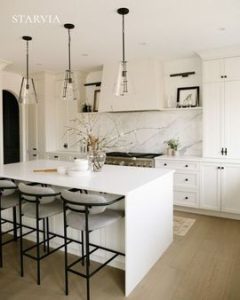
Painted cabinetry is also highly compatible with current design trends. Minimalist kitchens, neutral color palettes, matte finishes, and slim shaker profiles all work particularly well with painted surfaces. White painted kitchen cabinets continue to dominate residential remodeling projects because they provide a timeless appearance that appeals to a broad range of homeowners.
However, painted cabinets also have some limitations. Because wood naturally expands and contracts with humidity and temperature changes, painted finishes may eventually develop small hairline cracks around joints or seams. While professional manufacturing processes can reduce this issue significantly, natural wood movement cannot be eliminated entirely.
Painted surfaces may also show scratches, chips, or edge wear more visibly than stained wood finishes, especially with darker paint colors. Proper maintenance and careful handling therefore become more important over time.
In addition, painted cabinetry requires more advanced finishing systems than stained cabinets. Lower-quality factories that lack proper sanding, curing, or spray-finishing technology often produce inconsistent finishes that fail prematurely. Manufacturing quality therefore plays a critical role in the long-term durability of painted cabinetry.
The versatility of painted finishes allows them to work across many different cabinet styles and interior aesthetics. Some painted cabinet designs have become especially dominant in modern kitchen projects because they combine simplicity, functionality, and timeless appeal.
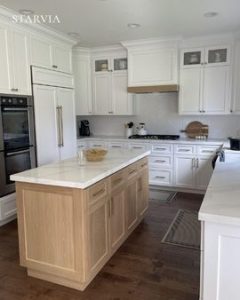
Painted shaker cabinets remain one of the most widely used cabinet styles globally. Their recessed center panel and clean frame profile create a balanced look that works equally well in traditional and contemporary kitchens. White painted shaker cabinets are particularly common in residential remodels and multifamily developments because they provide broad market appeal while maintaining a refined appearance.
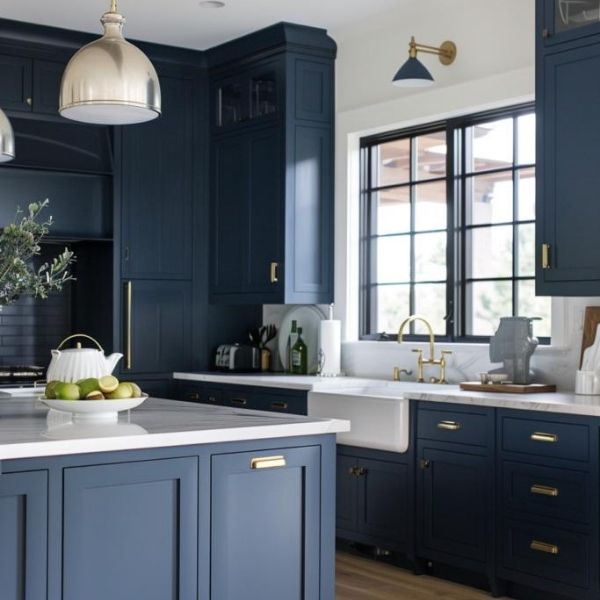
Painted shaker cabinets remain one of the most versatile cabinet styles for modern kitchens.
Modern painted cabinets often feature slimmer shaker profiles or flat slab doors with minimal decorative detailing. Matte finishes, integrated handles, and neutral color palettes are commonly used to create sleek contemporary kitchens. Gray, charcoal, taupe, and black painted cabinets have become increasingly popular in luxury interiors where designers want stronger visual contrast.
White painted kitchen cabinets continue to lead global kitchen trends because they brighten interior spaces and pair easily with nearly every countertop material. Warm white and soft ivory tones have become especially popular as homeowners move away from colder pure-white aesthetics.
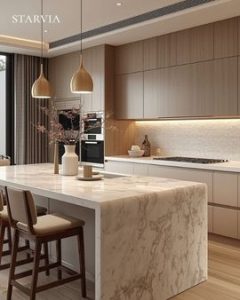
Two-tone painted kitchens are also growing rapidly in popularity. Many modern kitchens now combine white upper cabinets with darker lower cabinetry or feature painted perimeter cabinets alongside wood-tone islands. This approach creates visual depth while maintaining a balanced and contemporary appearance.
Because painted finishes are so adaptable, they continue to support evolving kitchen design trends across both residential and commercial markets.
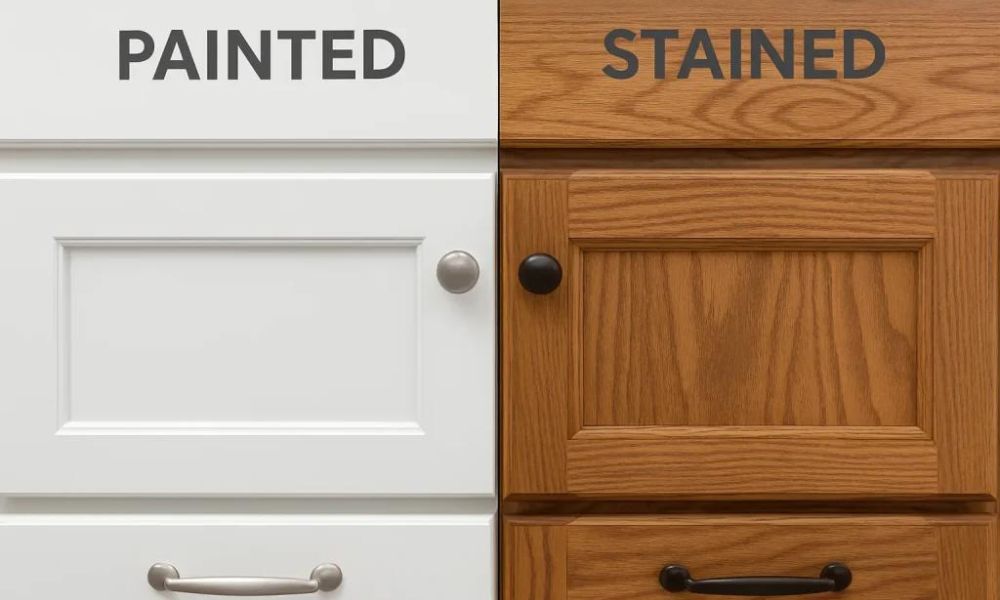
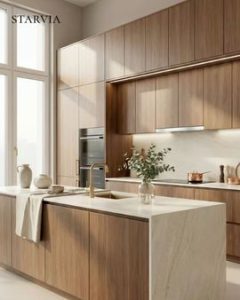
Painted cabinets create a smoother modern appearance, while stained cabinets highlight natural wood grain.
One of the most common decisions homeowners face during kitchen planning is whether to choose painted or stained cabinets. Both finishes offer unique advantages, but they create very different visual results and maintenance experiences.
| Feature | Painted Cabinets | Stained Cabinets |
| Appearance | Smooth and uniform finish | Natural wood grain remains visible |
| Best For | Modern and transitional kitchens | Traditional and rustic kitchens |
| Color Flexibility | Wide range of custom colors | Limited to natural wood tones |
| Design Style | Clean and contemporary | Warm and natural aesthetic |
| Maintenance | Requires careful handling to avoid chips | Easier to blend scratches and touch-ups |
| Surface Texture | Refined and consistent | Rich wood texture and variation |
| Trend Compatibility | Strong for modern interiors | Better suited for classic styles |
| Long-Term Look | Sleek and minimalist | Natural and timeless |
While both finishes can provide long-term value, painted kitchen cabinets are generally preferred for modern residential projects because they offer greater design flexibility and align more closely with current interior trends.
Stained cabinets remain highly popular for rustic, farmhouse, and traditional kitchens where homeowners want to highlight the natural beauty of wood grain. Painted cabinets, on the other hand, are more commonly used in contemporary kitchens where smooth surfaces and color consistency are priorities.
Ultimately, the best choice depends on the overall design direction of the kitchen and the homeowner’s aesthetic preferences.
The durability of painted kitchen cabinets depends heavily on manufacturing quality. While many buyers focus primarily on cabinet style or color, the finishing process itself often determines how well painted cabinetry will perform over time.
Professional cabinet manufacturers use carefully controlled preparation and finishing systems to improve coating adhesion and surface consistency. Proper sanding, sealing, and priming are essential for creating smooth finishes that resist cracking and peeling. Advanced spray systems also help maintain even coating thickness across cabinet components.
High-quality painted cabinetry often uses conversion varnishes, catalyzed paints, or polyurethane-based coating systems to improve resistance against moisture, scratches, and household chemicals. These industrial-grade finishes perform significantly better than low-cost paint applications commonly used in lower-end manufacturing environments.
Environmental control during production is equally important. Dust contamination, uneven curing temperatures, and improper humidity control can all reduce finish quality and create long-term durability problems. For this reason, large export-oriented cabinet factories often invest heavily in controlled finishing rooms and automated coating equipment.
Proper maintenance also affects the lifespan of painted cabinets. Homeowners should avoid harsh chemical cleaners and remove moisture quickly from cabinet surfaces. Soft cloth cleaning methods and careful handling around cabinet edges help preserve painted finishes over time.
Although painted cabinets may eventually show minor signs of aging, professionally manufactured cabinetry can maintain strong visual performance for many years in residential kitchen environments.
Many professional cabinet manufacturers use industrial-grade coating systems and finishing technologies to improve scratch resistance, moisture protection, and long-term durability. Leading paint suppliers such as Sherwin-Williams continue to develop high-performance finishes designed for residential cabinetry applications.
Selecting the right painted kitchen cabinets involves more than evaluating appearance alone. Buyers should carefully assess manufacturing capability, material quality, and finishing expertise before choosing a cabinet supplier.
One of the first factors to evaluate is cabinet construction. High-quality painted cabinetry often combines plywood cabinet boxes with hardwood frames and engineered center panels designed specifically for painted applications. MDF center panels are commonly used because they provide smoother surfaces and reduce visible grain patterns beneath the paint.
Finish consistency is another major quality indicator. Buyers should inspect painted surfaces carefully for uneven sheen, visible sanding marks, rough textures, or inconsistent color application. Smooth and uniform finishes generally indicate stronger manufacturing control.
Factory capability also matters significantly, especially for large-scale residential or commercial projects. Experienced cabinet manufacturers typically use automated spray systems, dust-controlled finishing rooms, and standardized quality-control procedures to maintain consistent production quality.
For international buyers, export experience is equally important. Reliable cabinet suppliers should understand project management, export packaging, production scheduling, and large-volume manufacturing requirements. Strong operational systems help reduce quality issues and improve long-term project reliability.
As global demand for painted kitchen cabinets continues to grow, buyers increasingly prioritize manufacturers capable of delivering both design flexibility and consistent production quality at scale.
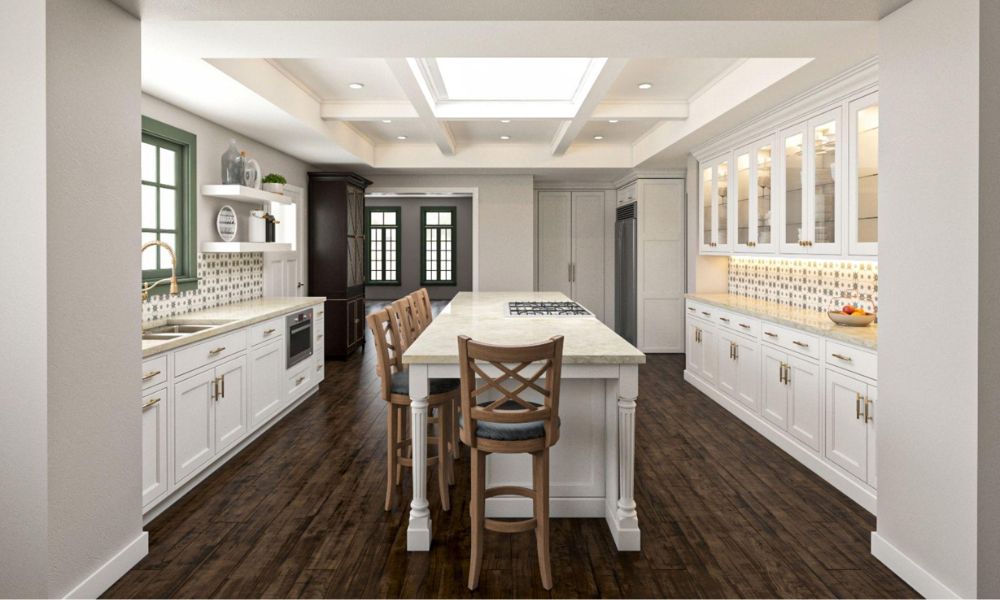
Professionally finished painted cabinetry combines durability with modern aesthetics.
Painted kitchen cabinets continue to lead modern kitchen design because they combine clean aesthetics, flexible color options, and compatibility with contemporary interiors. From white painted shaker cabinets to bold modern finishes, painted cabinetry remains one of the most adaptable and commercially successful cabinet categories in the global market.
While painted cabinets require professional manufacturing processes and careful finish control, high-quality production systems can deliver excellent durability and long-term visual performance. Buyers who understand cabinet construction, coating technology, and finish quality are far more likely to achieve successful kitchen projects that remain attractive for years to come.
As modern residential design continues evolving toward minimalist aesthetics and customized color palettes, painted kitchen cabinets will likely remain one of the strongest long-term trends in both residential remodeling and large-scale kitchen manufacturing.
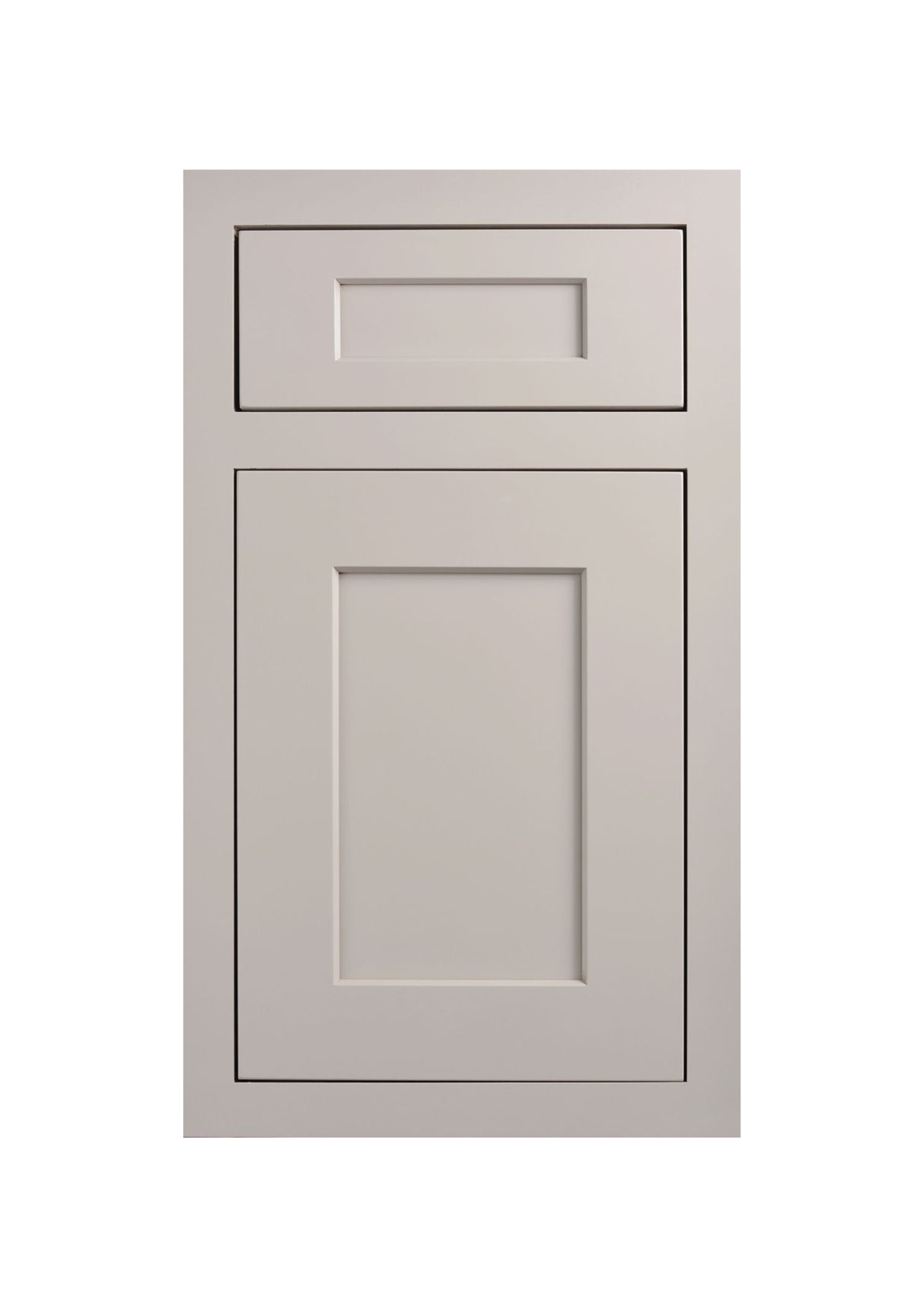 View collection
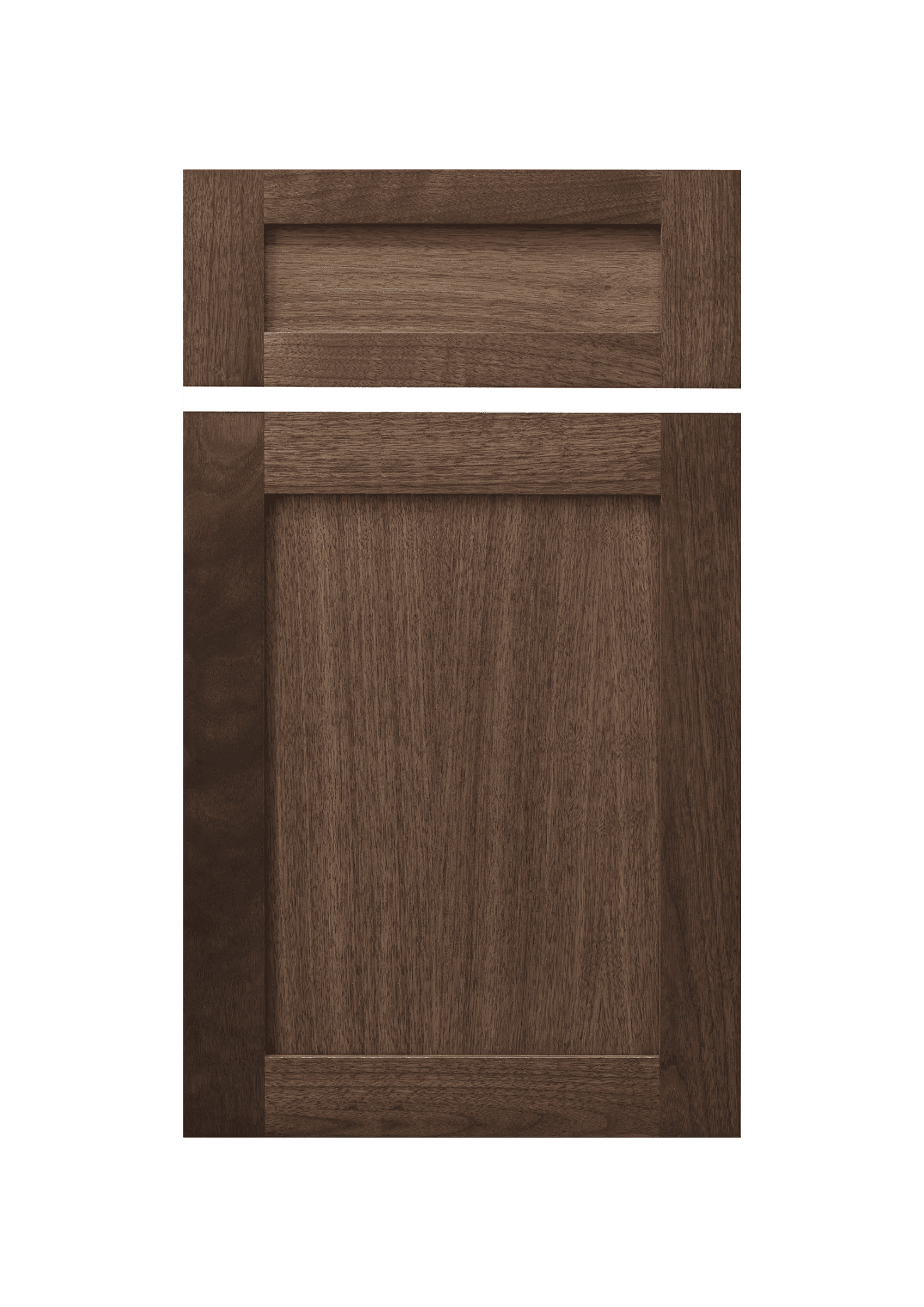 View collection
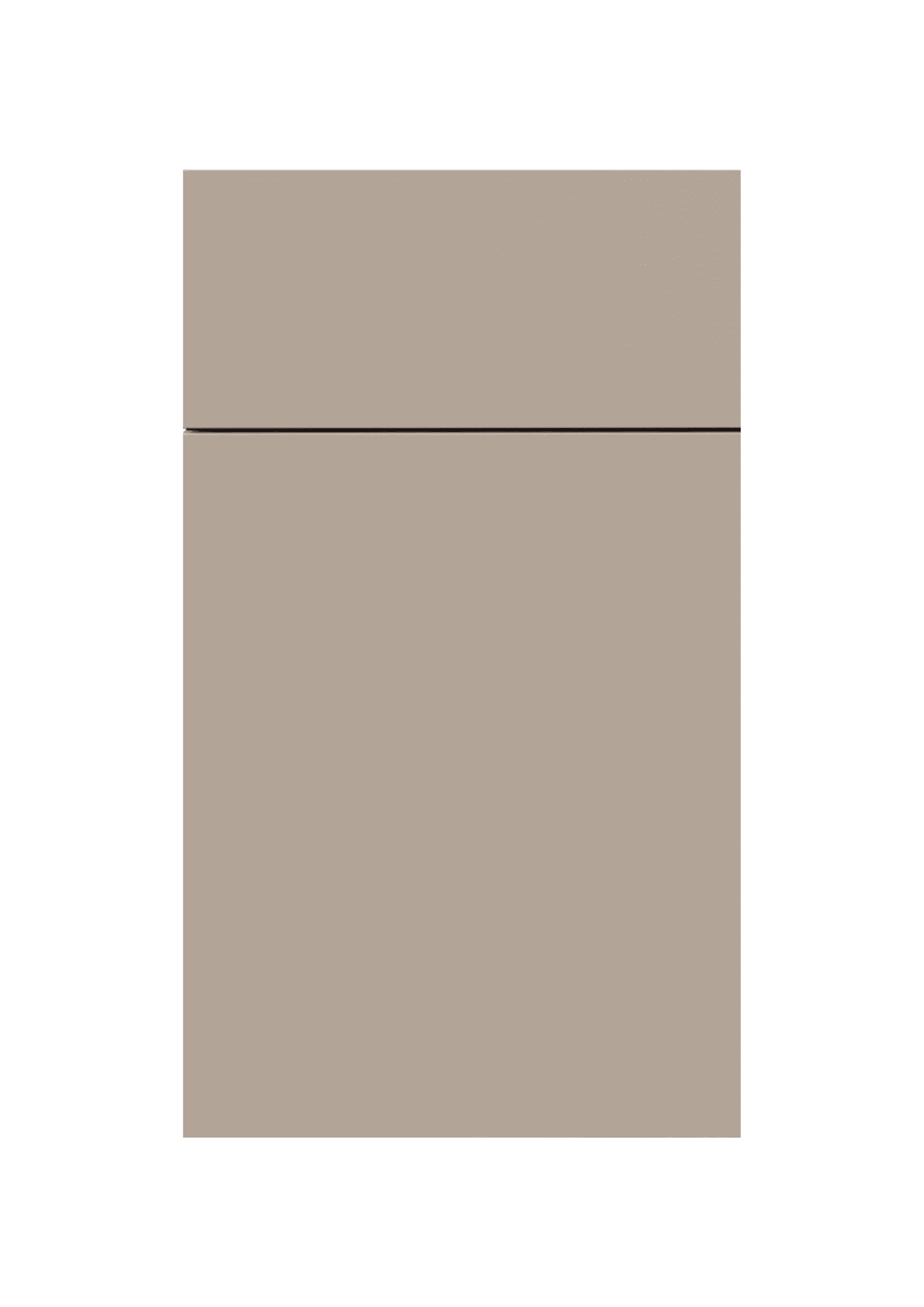 View collection
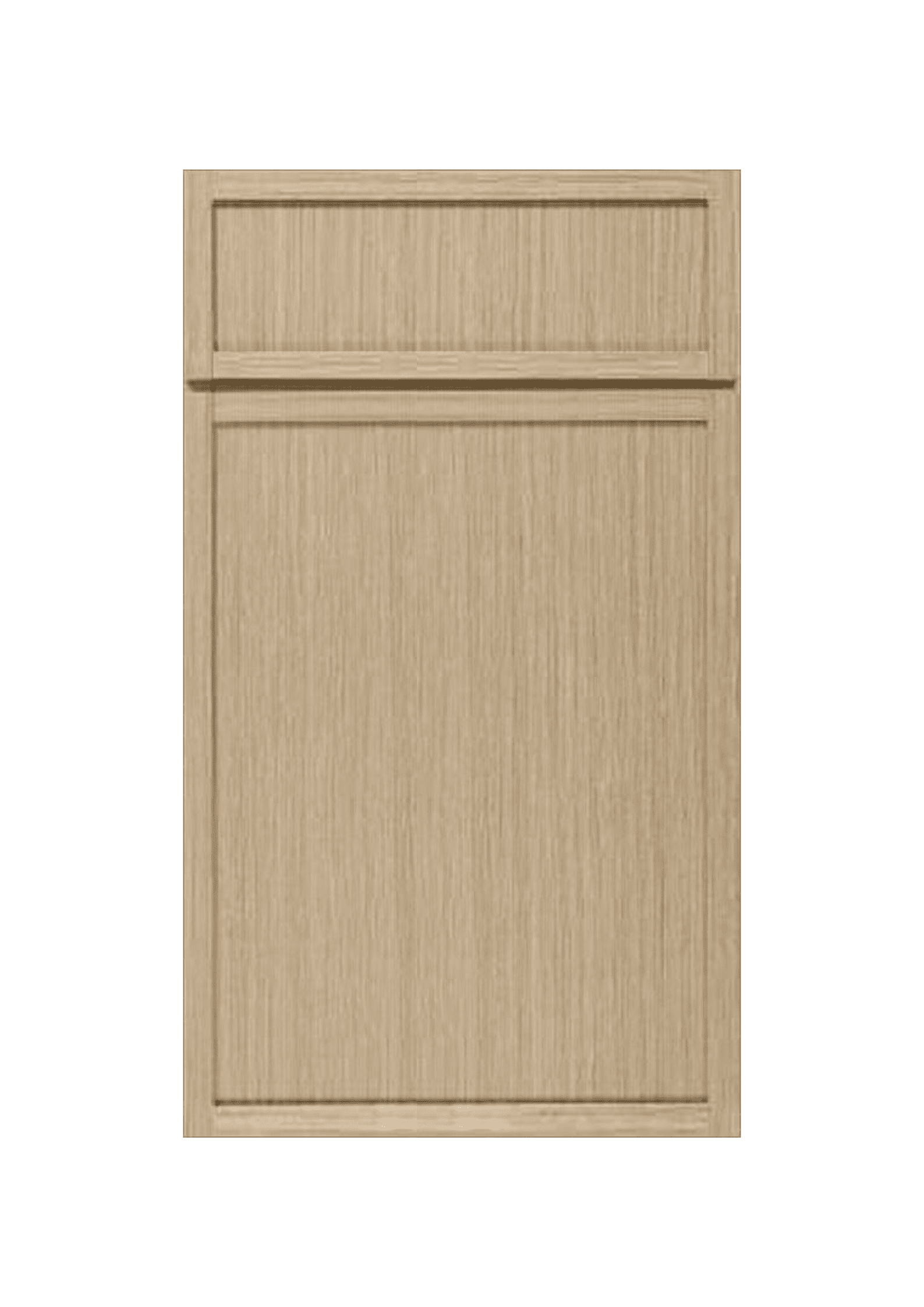 View collection