- Our Products
-
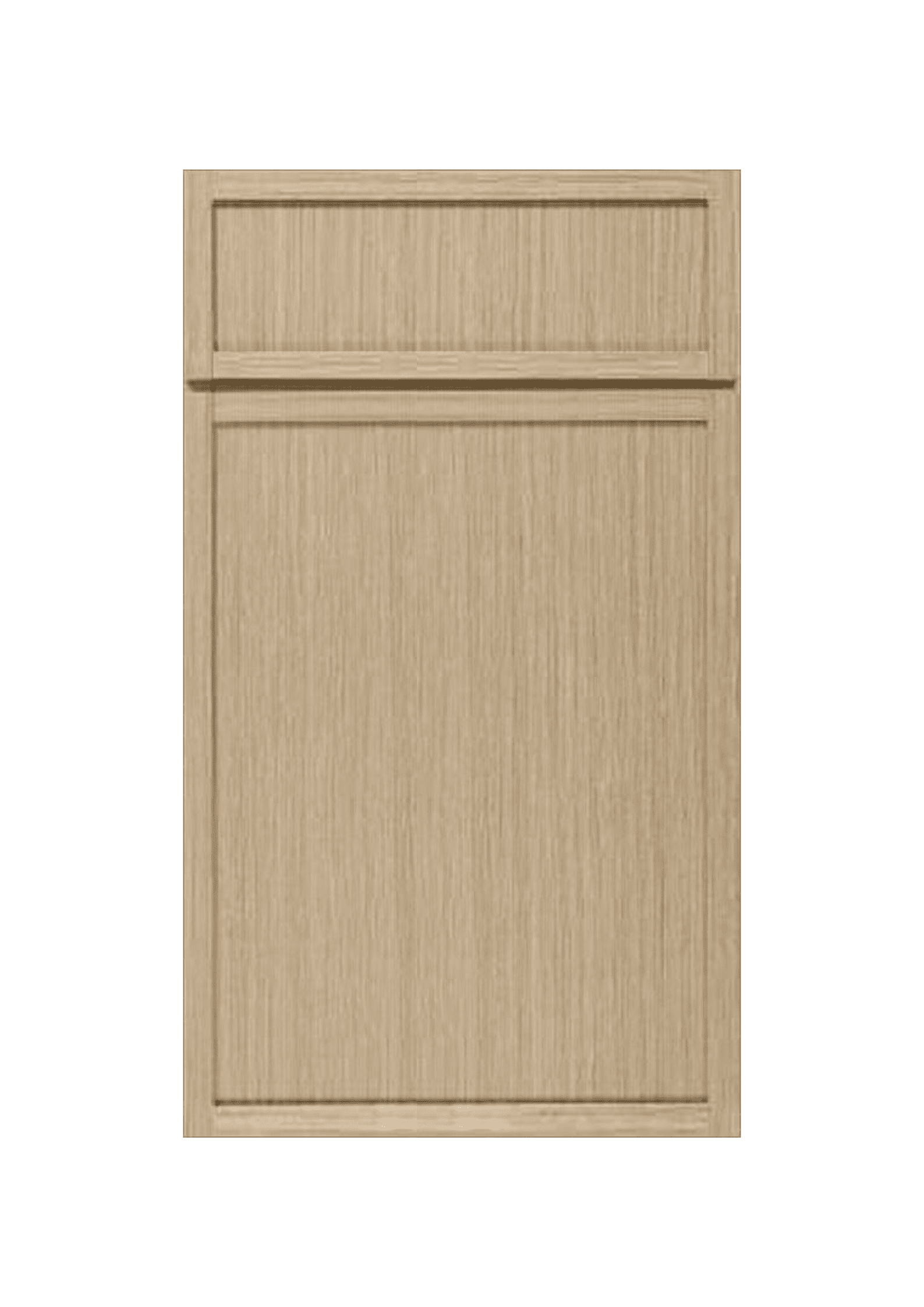
Choose your Cabinet Style
-

Choosing the right cabinet finish is one of the most important decisions in any kitchen remodel. Cabinets take up a large portion of the visual space, so their color, texture, and finish can completely change the overall atmosphere of the kitchen.
Among the most popular options today, painted and stained cabinets continue to dominate residential kitchen design. Some homeowners prefer the clean and modern appearance of painted cabinetry, while others love the warmth and natural character of stained wood.
The challenge is that both options come with different advantages in terms of style, durability, maintenance, and long-term value. What looks beautiful in a showroom may not always perform best in everyday life.
In this guide, we’ll compare painted vs stained cabinets in detail to help you decide which option fits your kitchen, lifestyle, and design goals best.
The main difference between painted and stained cabinets comes down to how the wood surface is treated.
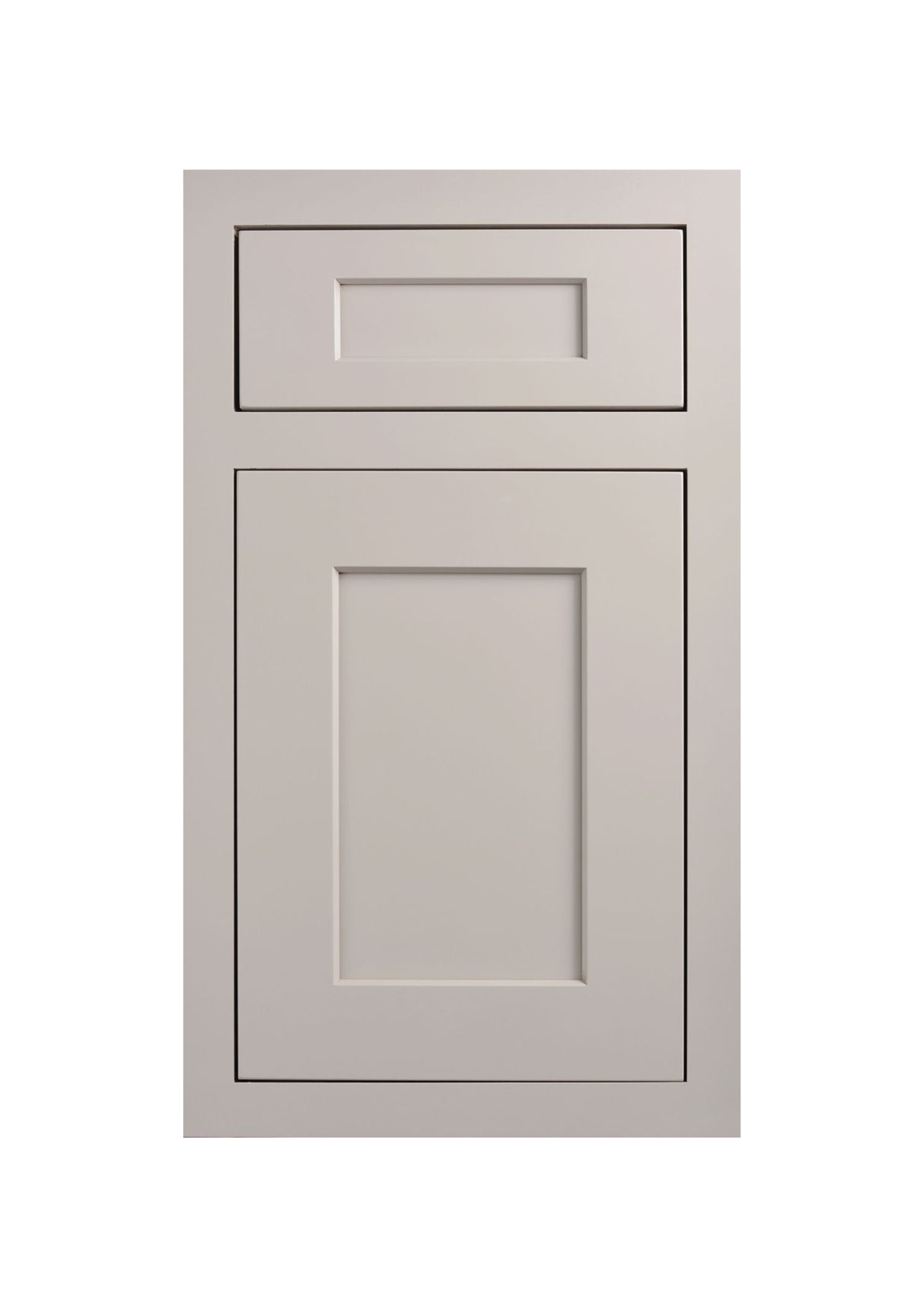
Painted cabinets use an opaque coating that fully covers the wood grain. The result is a smooth and consistent finish where the natural texture of the wood is mostly hidden. This creates a cleaner and more uniform appearance.
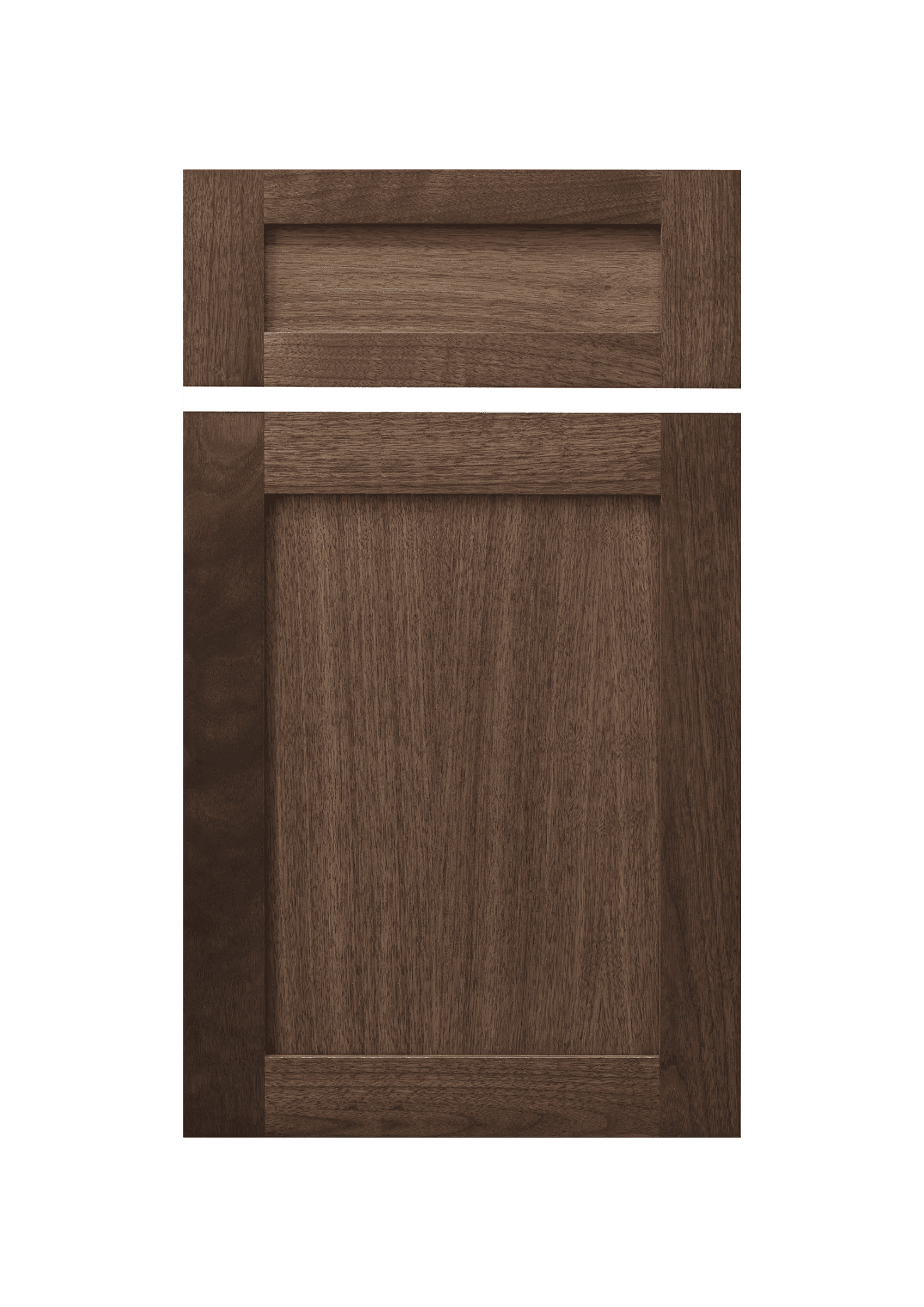
Stained cabinets work differently. Instead of covering the wood, stain penetrates the surface and enhances the natural grain pattern. The texture, movement, and variation of the wood remain visible, giving the cabinets a warmer and more organic appearance.
This difference affects much more than aesthetics alone. It also influences durability, maintenance requirements, repair visibility, and even how the kitchen ages over time.
Many homeowners are drawn to painted cabinetry because it feels fresh and modern. Others prefer stained wood because it adds depth and natural character that paint cannot fully replicate.
The right choice depends largely on the style of kitchen you want to create and how much maintenance you are comfortable with long term.
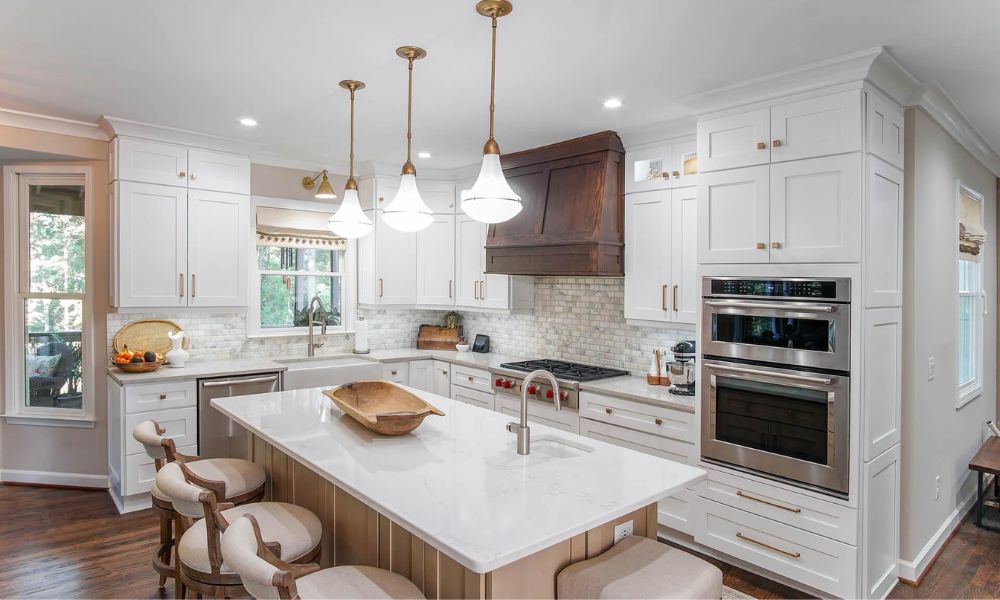
Painted cabinets create a bright and clean kitchen atmosphere
One of the biggest factors when comparing painted vs stained cabinets is visual style.
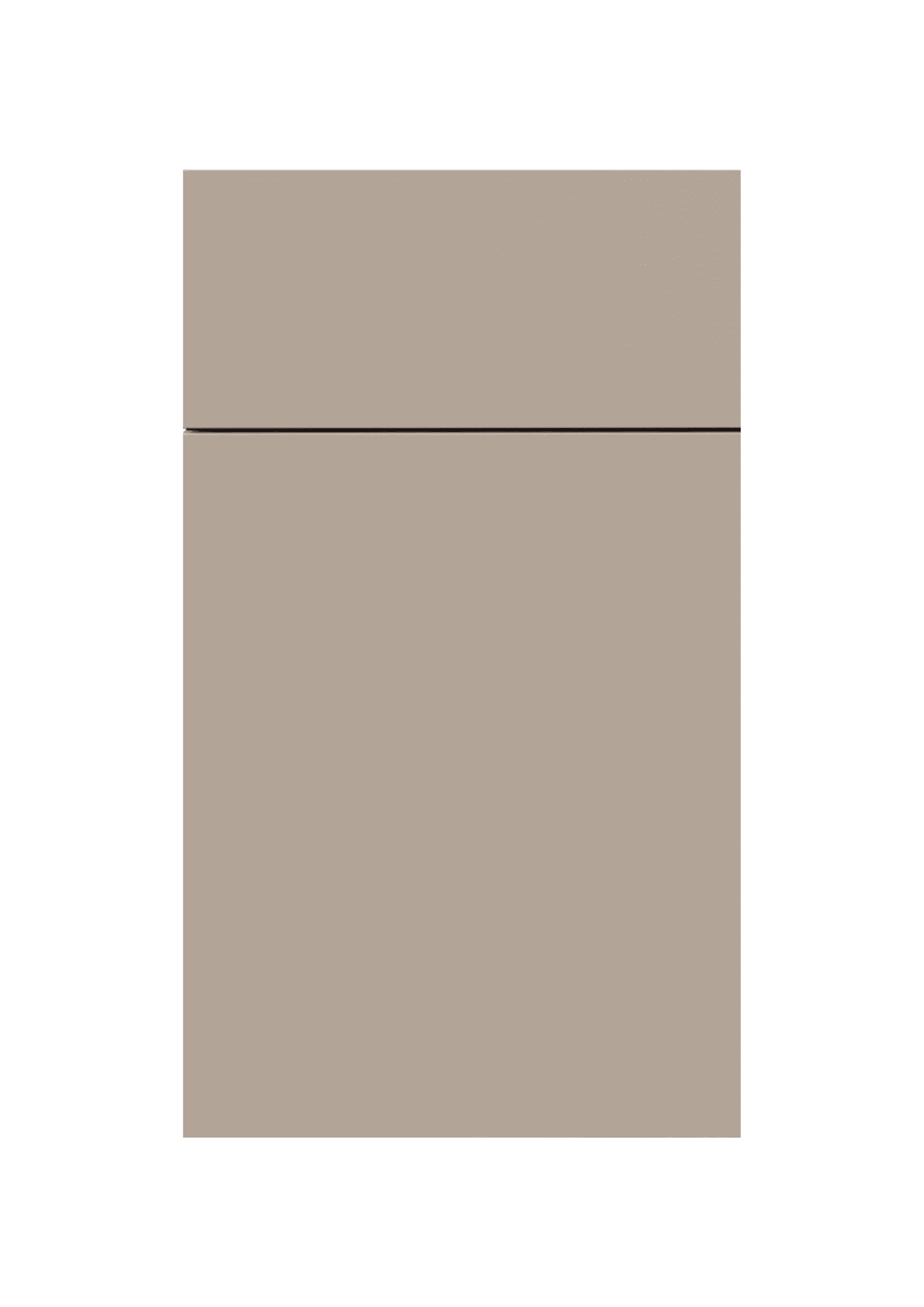
Painted cabinets are commonly associated with modern and transitional kitchens. Because the finish hides the grain, the overall look feels smoother, brighter, and more refined. White, gray, navy, black, and soft green remain among the most popular paint colors in current kitchen design trends.
Lighter painted finishes can also make smaller kitchens feel more open and spacious. This is one reason why homeowners frequently choose white painted kitchen cabinets for contemporary renovations and open-concept homes.
Paint also offers greater flexibility with color customization. Homeowners can create dramatic contrast, soft neutral palettes, or bold statement cabinetry depending on the overall interior design direction.
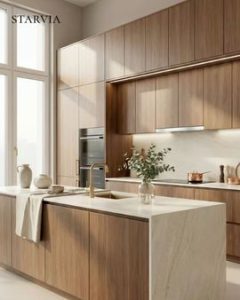
Stained cabinets create a very different atmosphere. Since the wood grain remains visible, the kitchen tends to feel warmer, richer, and more natural. Every piece of wood has unique grain patterns, which gives stained cabinetry more variation and texture.
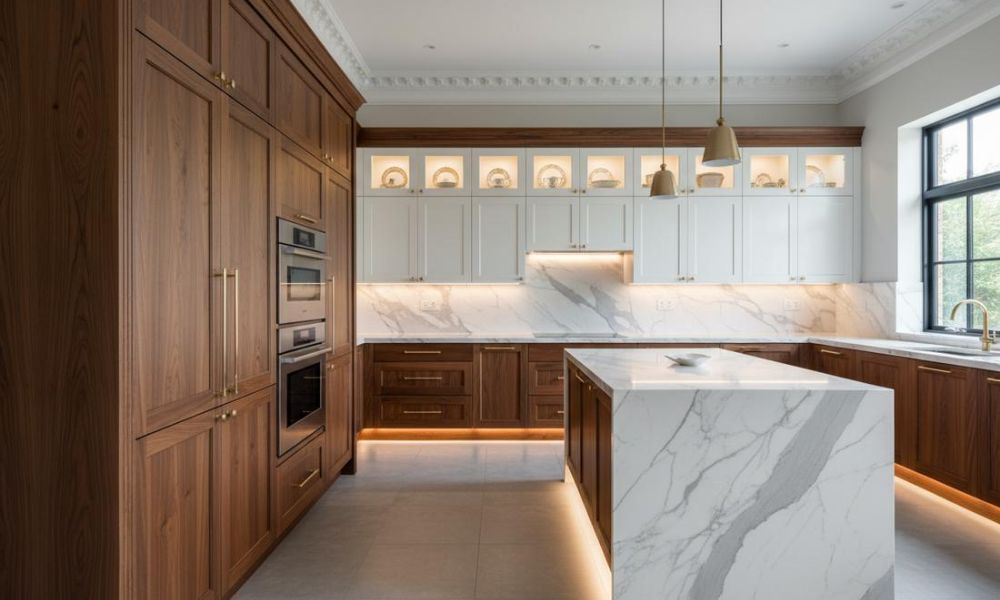
Stained cabinetry highlights the natural texture and warmth of wood
Wood species also play a major role in the final appearance. Oak creates prominent grain movement, walnut delivers a luxurious dark tone, while maple offers a cleaner and subtler texture.
Stained finishes are especially popular in:
In recent years, many homeowners have also started blending both finishes together. For example, painted perimeter cabinets paired with a stained wood island can create a balanced mix of warmth and modern style.
If your design goal leans toward sleek contemporary aesthetics, styles like modern painted cabinets often work especially well.
Durability is another major consideration when choosing between painted and stained cabinetry.
Painted cabinets can be highly durable when manufactured correctly using quality materials and professional finishing systems. However, painted surfaces are generally more likely to show visible wear over time.
Common issues include:
Because paint sits on top of the wood surface, damage tends to stand out more clearly — especially with darker paint colors or matte finishes.
Painted cabinets may also develop slight seam lines over time as wood naturally expands and contracts due to humidity and temperature changes.
The long-term durability of painted cabinetry also depends heavily on the quality of the coating system and finishing materials used during production. Many manufacturers rely on professional cabinet coatings from companies like Sherwin Williams to improve scratch resistance, color consistency, and moisture protection.
Maintenance is another factor homeowners should consider carefully. Painted surfaces tend to reveal fingerprints, grease, and smudges more easily, particularly around handles and cooking areas. White cabinetry, while timeless and elegant, often requires more frequent cleaning to maintain a crisp appearance.
On the other hand, stained cabinets are usually better at hiding everyday wear. Since the grain and texture remain visible, small scratches and imperfections blend in more naturally with the wood pattern.
This makes stained cabinetry especially practical for:
Stained finishes also tend to age more gracefully. Minor dents and surface wear often appear less noticeable compared to painted surfaces.
When it comes to moisture resistance, both options can perform well if sealed properly. However, painted finishes may begin peeling or bubbling if moisture penetrates beneath damaged paint layers. Stained wood absorbs and releases moisture more naturally, which can sometimes make wear less visually dramatic over time.
Overall, homeowners looking for a lower-maintenance and more forgiving finish often lean toward stained cabinets, while those prioritizing aesthetics may still prefer the cleaner appearance of paint.
Cost differences between painted and stained cabinets depend on several factors, including materials, construction quality, and finishing methods.
In many cases, painted cabinetry costs more than stained cabinetry because achieving a flawless painted finish requires additional labor. Cabinet manufacturers typically need to:
The smoother the painted finish, the more labor-intensive the production process becomes.
Custom paint colors can increase pricing even further.
Stained cabinets are often more cost-efficient because the finishing process is generally simpler and faster. Since the wood grain remains visible, manufacturers do not need to create a perfectly uniform surface in the same way they do with paint.
However, the wood species itself significantly affects pricing. Premium woods like walnut or cherry can easily cost more than painted cabinetry made from standard materials.
Long-term maintenance costs should also be considered. Painted cabinets may eventually require touch-ups or repainting in high-use kitchens, while stained cabinets typically need less cosmetic repair over time.
For homeowners balancing budget and durability, stained cabinetry is often viewed as the more economical long-term option.
Both painted and stained cabinets can contribute positively to resale value when chosen appropriately for the home’s architecture and target buyers.
Painted cabinets currently align more closely with mainstream kitchen trends. Neutral painted finishes — especially white and soft gray — remain highly desirable in real estate listings because they create bright, clean, and updated spaces.
Modern buyers often associate painted kitchens with newer renovations and move-in-ready homes.
This is one reason why painted kitchen cabinets continue to perform strongly in contemporary real estate markets.
However, stained cabinetry still holds strong value in many luxury and traditional homes. High-quality natural wood cabinets communicate craftsmanship, durability, and premium materials in a way that painted surfaces sometimes cannot.
The most important factor is consistency with the home’s overall design style.
For example:
Rather than following trends alone, homeowners should focus on creating a kitchen that feels cohesive with the architecture and overall interior style of the property.
Painted cabinets are typically best for homeowners who want:
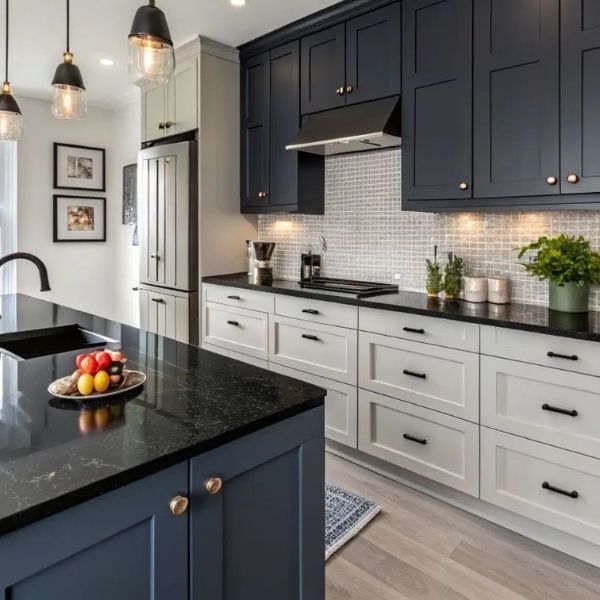
Painted cabinetry is widely used in contemporary kitchen design
They work especially well in:
Stained cabinets are ideal for homeowners who prioritize:
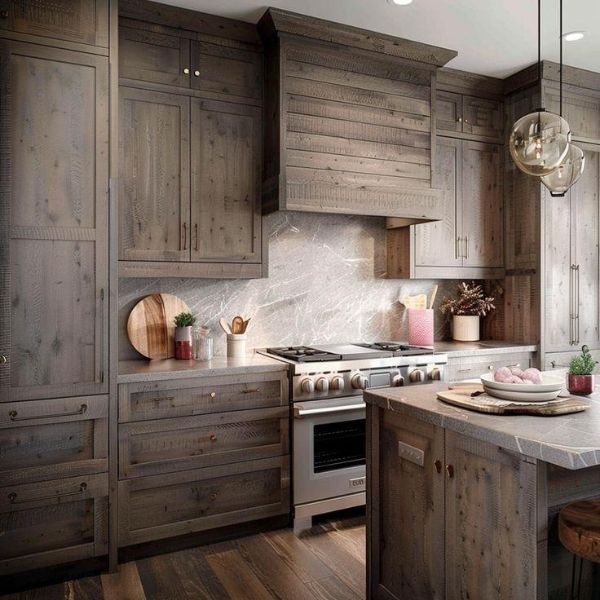
Natural wood cabinetry creates warmth in rustic and farmhouse kitchens
They are commonly used in:
In many modern renovations, combining both finishes can create a balanced and visually layered kitchen design. Painted upper cabinets with stained lower cabinets or a stained island paired with painted perimeter cabinetry has become increasingly popular in higher-end kitchens.
There is no universal winner when comparing painted vs stained cabinets because the best option depends on your priorities.
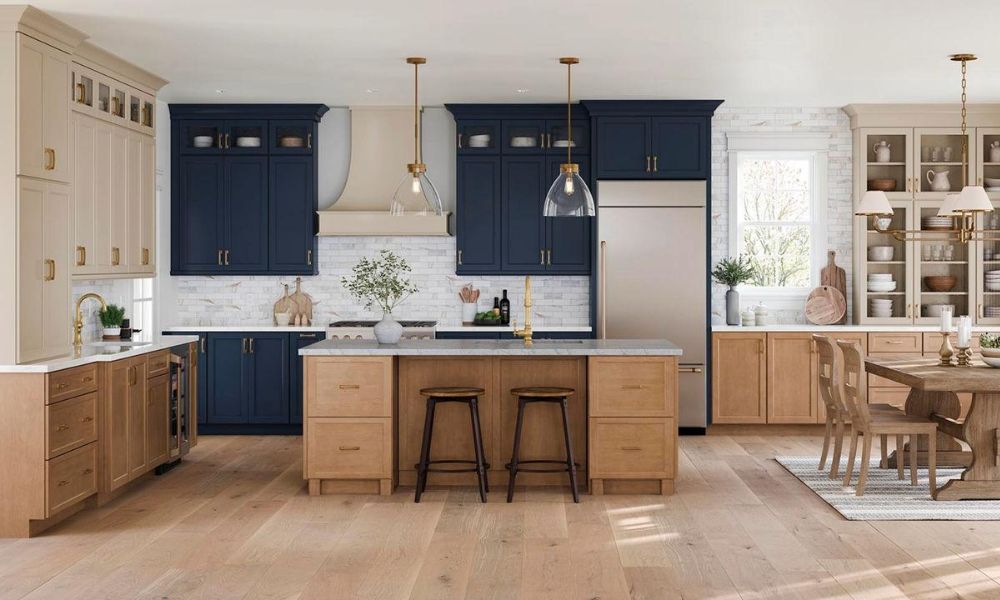
Combining painted and stained finishes creates visual balance and depth
If you value modern aesthetics, bright spaces, and color customization, painted cabinets may be the better fit. They create a polished and contemporary appearance that works beautifully in many current kitchen styles.
If durability, lower maintenance, and natural warmth matter more to you, stained cabinets are often the stronger long-term choice. They tend to hide wear more effectively and maintain their appearance with less upkeep over time.
Many homeowners ultimately choose based on lifestyle rather than trends alone. A kitchen that looks beautiful on day one should also function well years later.
The best cabinet finish is the one that complements both your daily routine and the character of your home.
Choosing between painted and stained cabinets is about more than color alone. Each finish offers different strengths in appearance, maintenance, durability, and resale appeal.
Painted cabinetry delivers a cleaner and more modern look that fits contemporary kitchens beautifully. Stained cabinetry brings warmth, texture, and timeless natural character that many homeowners continue to value.
Instead of focusing only on trends, think about how your kitchen will actually be used every day. Consider the amount of maintenance you want, the atmosphere you hope to create, and how the cabinetry fits the rest of your home’s design.
Ultimately, the painted vs stained cabinets decision depends on your kitchen style, maintenance expectations, and long-term goals.
Whether you choose painted finishes, stained wood, or a combination of both, the right cabinetry can completely transform the kitchen into a space that feels functional, stylish, and built to last.
 View collection
 View collection
 View collection
 View collection