- Our Products
-
Choose your Cabinet Style
-

Modern veneer cabinets have become one of the defining features of contemporary kitchen and interior design. Across residential homes, luxury apartments, hospitality projects, and multifamily developments, designers and developers are increasingly choosing veneer cabinetry for its ability to combine modern aesthetics with scalable manufacturing efficiency.
Today’s interiors are no longer centered around heavily decorative cabinetry or overly traditional wood detailing. Instead, the market continues moving toward clean architectural lines, natural textures, matte finishes, and visually balanced spaces. This shift has positioned modern veneer cabinets as one of the most practical and visually appealing solutions for modern kitchens in 2026.
Unlike conventional solid wood cabinetry, veneer construction allows manufacturers to achieve greater consistency in grain appearance, panel finishing, and large-scale production. At the same time, veneer surfaces still preserve the warmth and sophistication of real wood, making them highly attractive for both residential and commercial applications.
The growth of global cabinet sourcing has also contributed to the popularity of veneer cabinetry. International buyers increasingly prioritize manufacturing partners capable of delivering contemporary designs, stable production quality, and export-ready operations. As a result, Vietnam cabinet manufacturing continues gaining attention worldwide, particularly among developers, contractors, distributors, and cabinet brands seeking reliable large-scale production.
Companies such as Starvia Cabinet continue investing in advanced machinery, modern finishing systems, and export-focused manufacturing processes to support the increasing global demand for modern veneer cabinets.
This article explores why modern veneer cabinets continue growing in popularity, the leading design trends shaping the industry in 2026, and how modern manufacturing technology supports high-quality veneer cabinet production for global projects.
The growing demand for modern veneer cabinets reflects broader changes in contemporary architecture and interior design. Modern kitchens are now expected to feel open, clean, functional, and visually refined. Homeowners no longer want spaces that appear overly ornate or heavy. Instead, contemporary interiors increasingly emphasize simplicity, warmth, and natural material textures.
Modern veneer cabinets fit perfectly within these design preferences because they provide the appearance of real wood while maintaining the sleek and minimalist character associated with contemporary interiors. Large slab surfaces, subtle grain patterns, and matte finishes create a softer and more architectural appearance compared with many traditional cabinet styles.
Another major reason for the rise of modern veneer cabinets is their versatility. They work effectively across a wide range of project types, including luxury homes, urban apartments, hospitality spaces, student housing developments, and large multifamily communities. Their ability to adapt to different design directions makes them highly attractive for both designers and developers.
From a manufacturing perspective, veneer cabinetry also offers important production advantages. Because veneer is applied over engineered core materials such as plywood or MDF, manufacturers can maintain greater consistency across large production volumes. This consistency is particularly valuable for export projects where uniform appearance and reliable quality control are essential.
For developers and distributors managing large-scale projects, modern veneer cabinets provide a balance between premium aesthetics and scalable manufacturing efficiency. This combination continues driving demand across international markets.
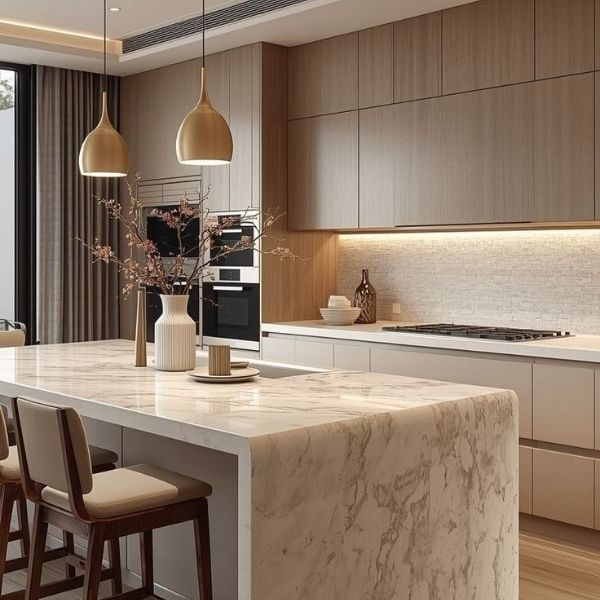
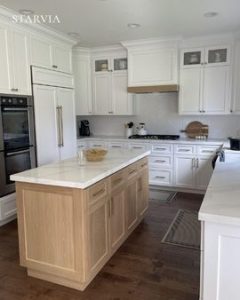
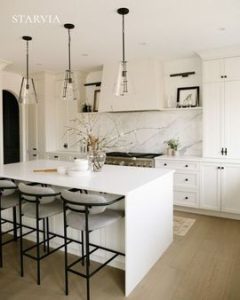
Modern veneer cabinets create a clean and sophisticated look for contemporary kitchens.
One of the strongest advantages of modern veneer cabinets is their ability to create a sophisticated contemporary appearance while preserving the warmth of natural wood textures. In modern kitchen design, visual balance is extremely important. Spaces should feel minimal without appearing cold, and luxurious without becoming visually overwhelming.
Veneer cabinetry supports this balance exceptionally well. Real wood veneer preserves authentic grain patterns and natural tonal variation, helping kitchens feel organic and refined. At the same time, contemporary cabinet construction techniques allow surfaces to remain smooth, clean, and visually uninterrupted.
In 2026, many designers are moving toward softer contemporary aesthetics rather than ultra-glossy finishes. Warm neutral wood tones, textured matte surfaces, and understated detailing continue becoming more popular in both residential and hospitality interiors. Modern veneer cabinets align naturally with these trends because they create depth and texture without adding excessive visual complexity.
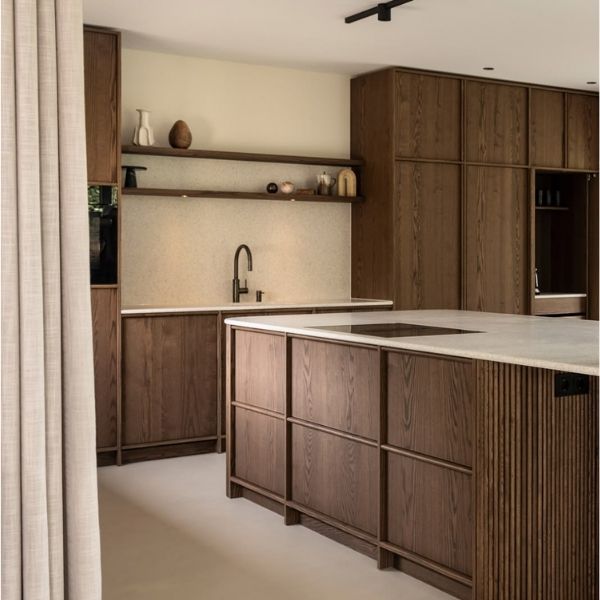
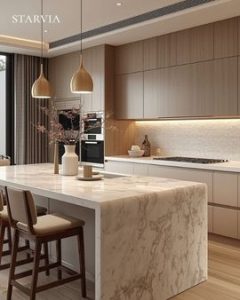
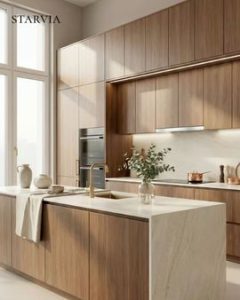
Natural walnut veneer adds warmth and texture to contemporary kitchen interiors.
Walnut veneer remains especially popular in luxury contemporary kitchens due to its rich grain character and darker tones. White oak veneer is also growing rapidly because it creates brighter and softer interiors that work well in Scandinavian-inspired and minimalist spaces. These materials help designers achieve a natural contemporary look that feels timeless rather than trend-driven.
Another important design characteristic of modern veneer cabinets is the use of slab-style doors and integrated layouts. Flat-panel cabinet construction creates uninterrupted surfaces and clean geometric lines, both of which are central to modern architectural design. This simplicity allows other design elements, such as stone countertops, lighting, and flooring, to stand out more effectively within the space.
Flat-panel cabinet construction creates uninterrupted surfaces and clean geometric lines, both of which are central to modern architectural design. Contemporary kitchens increasingly combine modern veneer cabinets with high-quality concealed hardware systems that improve both functionality and minimalist aesthetics.
Because of these qualities, modern veneer cabinets continue becoming a preferred option for architects and interior designers seeking contemporary kitchens with long-term visual appeal.
Beyond aesthetics, modern veneer cabinets offer several manufacturing and performance advantages that make them highly practical for large-scale production.
One of the most important benefits is dimensional stability. Solid wood naturally expands and contracts in response to humidity and temperature changes. Veneer cabinetry, however, uses engineered core materials that are often more stable under changing environmental conditions. This helps reduce risks such as warping, cracking, and panel movement during transportation or long-term use.
This stability becomes especially important for export manufacturing. Cabinets shipped internationally may travel through multiple climate zones before installation. Consistent panel performance is therefore critical for maintaining product quality and minimizing installation issues onsite.
Modern veneer cabinets also support more efficient production scalability. Because veneer sheets can be processed and matched systematically, factories are able to maintain better consistency across large project volumes. Grain direction, surface texture, and finish appearance can all be controlled more precisely than with many traditional solid wood manufacturing methods.
Another important advantage involves material efficiency. Veneer construction allows manufacturers to maximize the visual value of natural hardwood resources while reducing unnecessary material consumption. As sustainability becomes a larger consideration in global construction and interior design, efficient material usage continues influencing purchasing decisions.
The flexibility of veneer finishing is another major strength. Manufacturers can produce a wide variety of contemporary surface styles, including matte lacquer finishes, smoked wood effects, brushed textures, and natural stain applications. This allows veneer cabinetry to adapt to different regional markets and project aesthetics while maintaining a modern appearance.
For developers and contractors, these manufacturing advantages translate into better scalability, more predictable production quality, and improved project consistency across large installations.
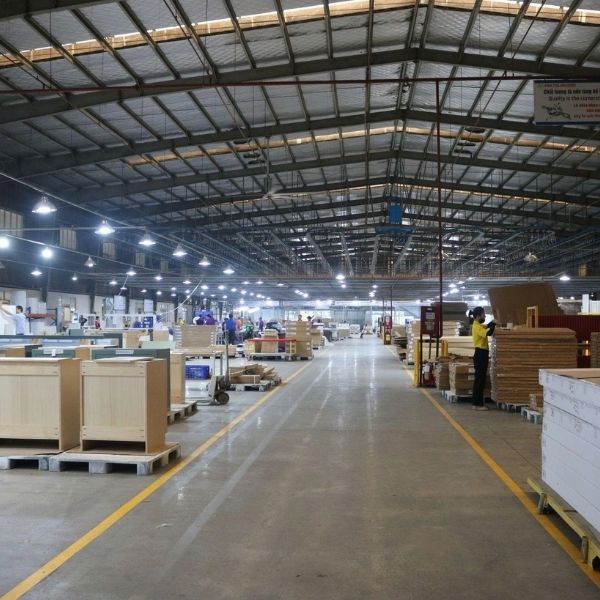
Advanced manufacturing technology improves consistency and quality in veneer cabinet production.
The quality of modern veneer cabinets depends heavily on manufacturing precision. As global demand for contemporary cabinetry increases, export-focused factories continue investing in advanced technology to improve production consistency and finishing quality.
Modern cabinet manufacturing now relies extensively on CNC machining systems for panel processing and hardware preparation. Precision cutting technology helps factories maintain accurate dimensions, cleaner edge details, and consistent assembly quality across large production runs. For large residential developments and hospitality projects, this precision directly improves installation efficiency and reduces onsite adjustments.
Advanced veneer pressing systems are equally important in modern cabinet production. Proper pressing technology helps ensure smooth veneer adhesion, consistent panel surfaces, and long-term durability. High-quality pressing processes also reduce the risk of bubbling or surface irregularities that can affect cabinet appearance over time.
Finishing systems have also evolved significantly in recent years. Modern factories increasingly use enclosed spray environments, automated sanding equipment, and controlled curing systems to achieve more consistent surface quality. These finishing technologies help create smoother textures, uniform sheen levels, and more durable protective coatings.
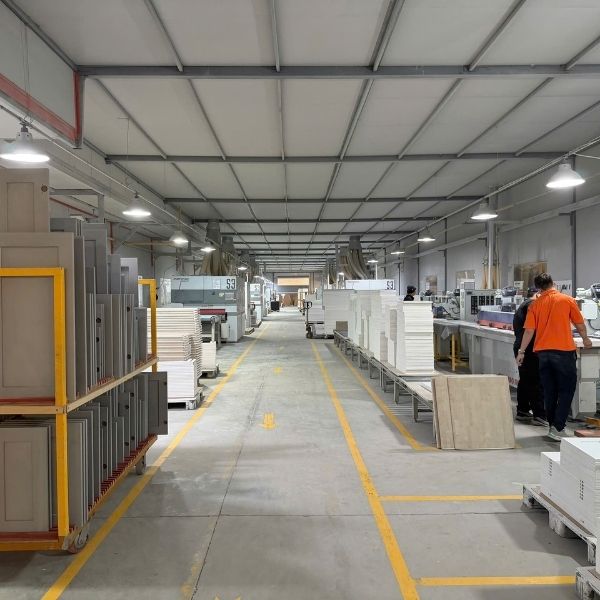
Controlled finishing systems help create durable and consistent veneer cabinet surfaces.
For international buyers, finishing consistency is especially critical because replacement or correction costs after export shipping can become extremely expensive. Factories serving global markets must therefore maintain strict quality-control systems throughout every production stage, including veneer selection, substrate preparation, sanding, finishing, and packaging.
As cabinet manufacturing technology continues advancing, modern veneer cabinets are becoming even more refined in both appearance and long-term performance.
Vietnam has become one of the most important manufacturing hubs for cabinetry and furniture production worldwide. International buyers increasingly source cabinetry from Vietnam because of the country’s growing production capabilities, competitive manufacturing costs, and expanding export infrastructure.
Over the past decade, Vietnam cabinet manufacturing has evolved far beyond labor-based production. Many factories now invest heavily in automation, precision machinery, and advanced finishing technology to support export-quality manufacturing standards.
For global developers, distributors, and cabinet brands, working with a Vietnam cabinet factory offers several strategic advantages. Production scalability, customization flexibility, and reliable shipping access make Vietnam an increasingly attractive sourcing destination for modern cabinetry projects.

Vietnam cabinet manufacturing continues expanding in the global cabinetry market.
Companies such as Starvia Cabinet continue strengthening their operations through investments in CNC processing systems, automated finishing technology, quality-control procedures, and export-oriented manufacturing workflows. These capabilities are particularly important for modern veneer cabinets because veneer production requires careful handling and precise process control throughout manufacturing.
The ability to maintain consistent grain appearance, finish quality, and dimensional accuracy across large production volumes is essential for international projects. Vietnam’s growing expertise in modern cabinet manufacturing has helped position the country as a strong long-term partner for global cabinetry sourcing.
As demand for contemporary kitchens continues increasing worldwide, Vietnam cabinet manufacturing is expected to remain an important part of the global supply chain for modern veneer cabinets.
Modern veneer cabinets have become one of the most influential solutions in contemporary kitchen and interior design. Their ability to combine natural wood aesthetics with modern manufacturing efficiency makes them highly suitable for residential, commercial, and large-scale development projects alike.
As contemporary architecture continues prioritizing clean lines, warm textures, and minimalist layouts, veneer cabinetry is expected to remain a leading choice for designers, developers, contractors, and homeowners worldwide. The combination of visual sophistication, dimensional stability, finish flexibility, and scalable production gives modern veneer cabinets a significant advantage in today’s evolving market.
At the same time, advancements in manufacturing technology continue improving the quality and consistency of veneer cabinet production. Precision machining, modern pressing systems, and advanced finishing processes now allow factories to deliver contemporary cabinetry solutions with higher levels of durability and visual refinement.
Vietnam cabinet manufacturing also continues expanding its role within the global market. Companies such as Starvia Cabinet are investing in export-focused production systems and modern manufacturing capabilities to support the increasing international demand for modern veneer cabinets.
As design trends continue evolving in 2026 and beyond, modern veneer cabinets are likely to remain a strong balance between contemporary aesthetics, practical performance, and scalable global manufacturing solutions.
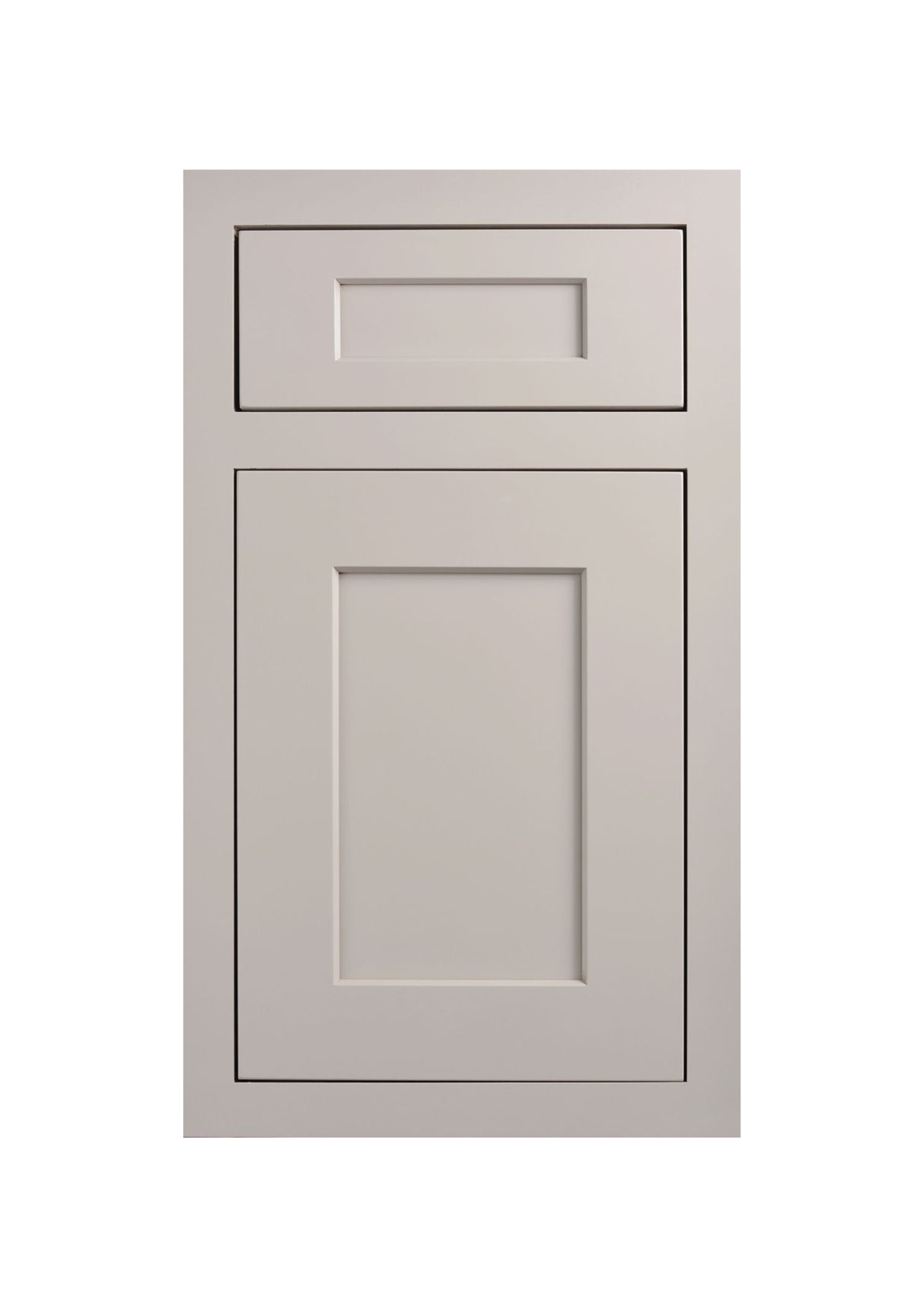 View collection
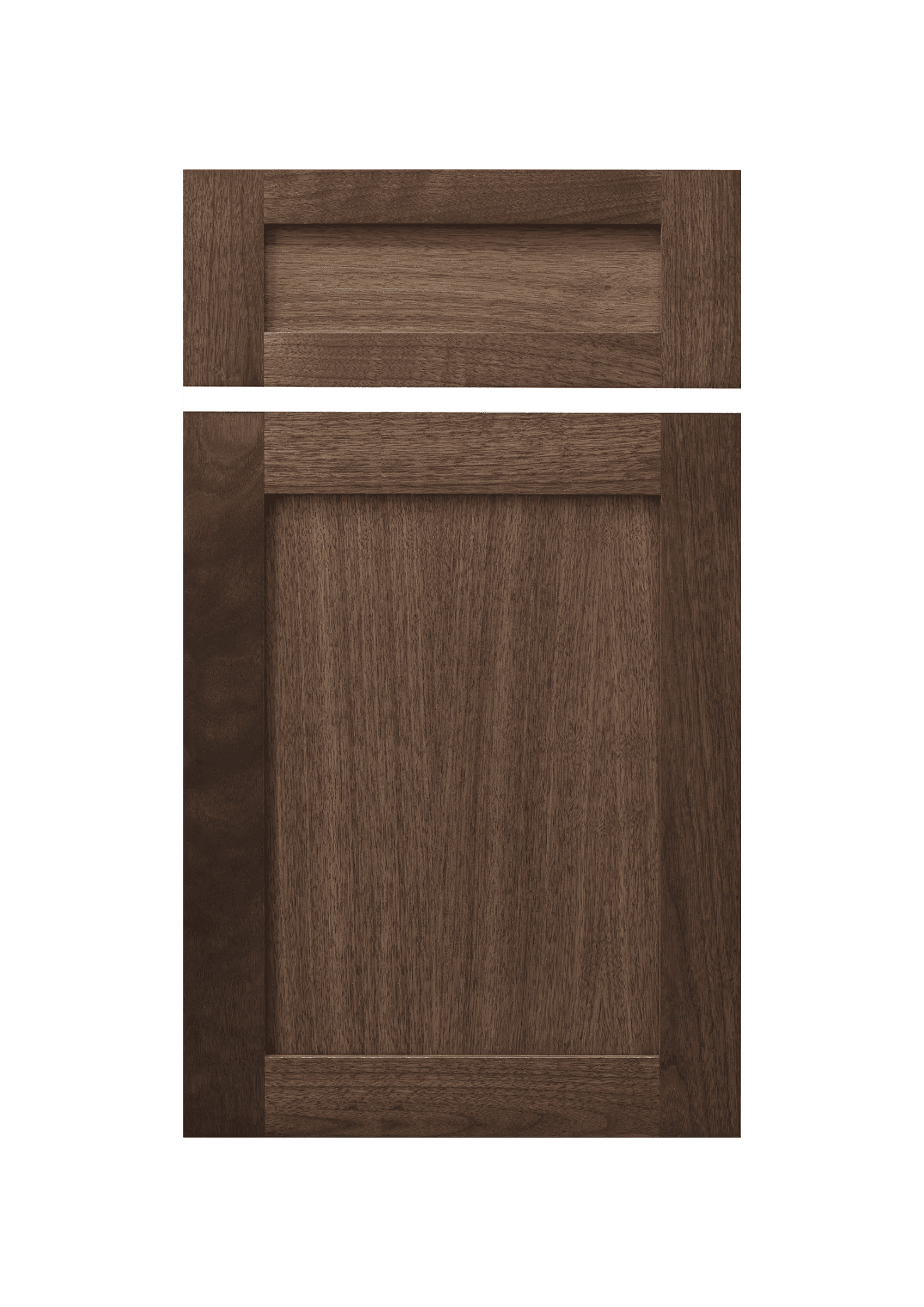 View collection
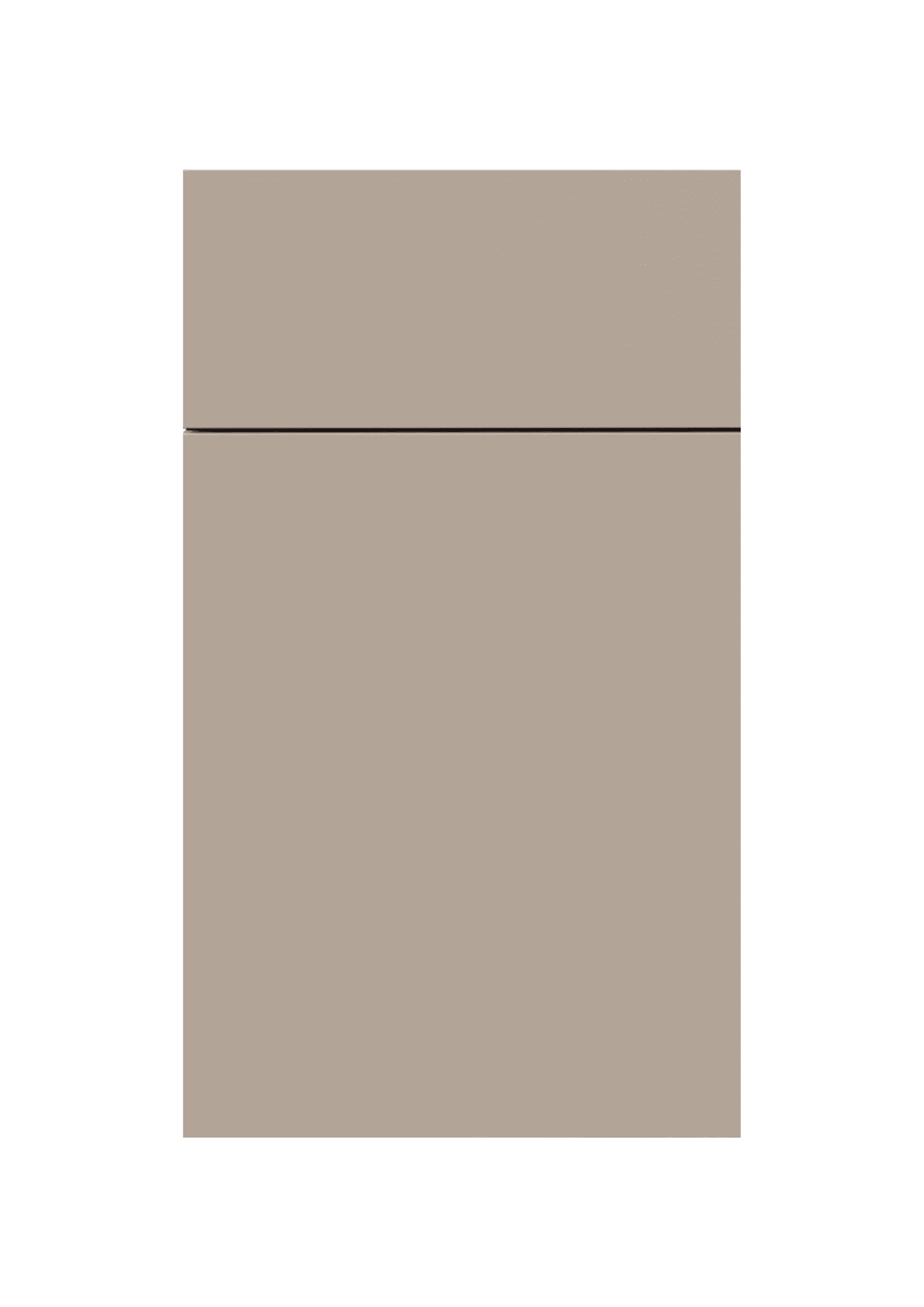 View collection
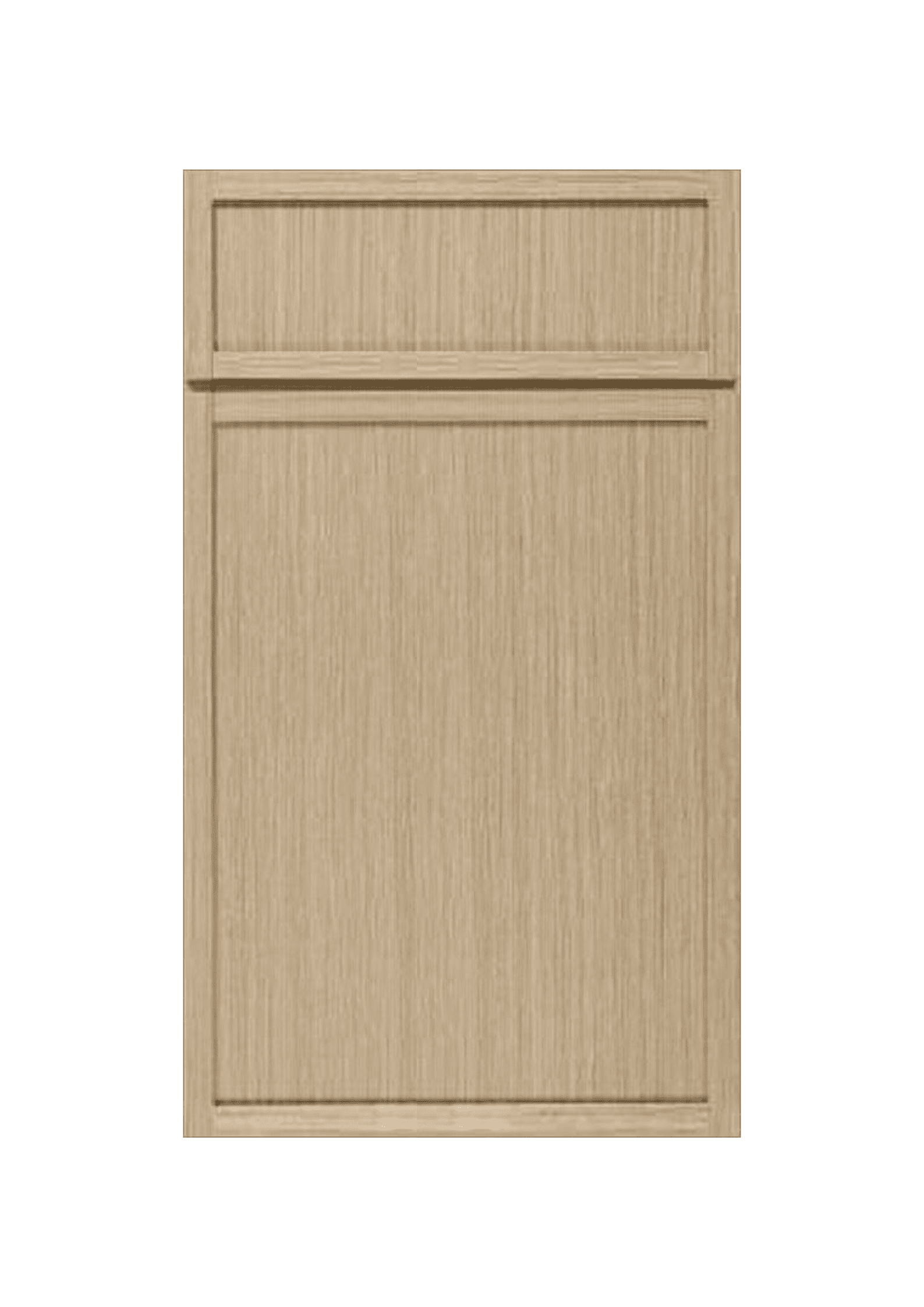 View collection