- Our Products
-
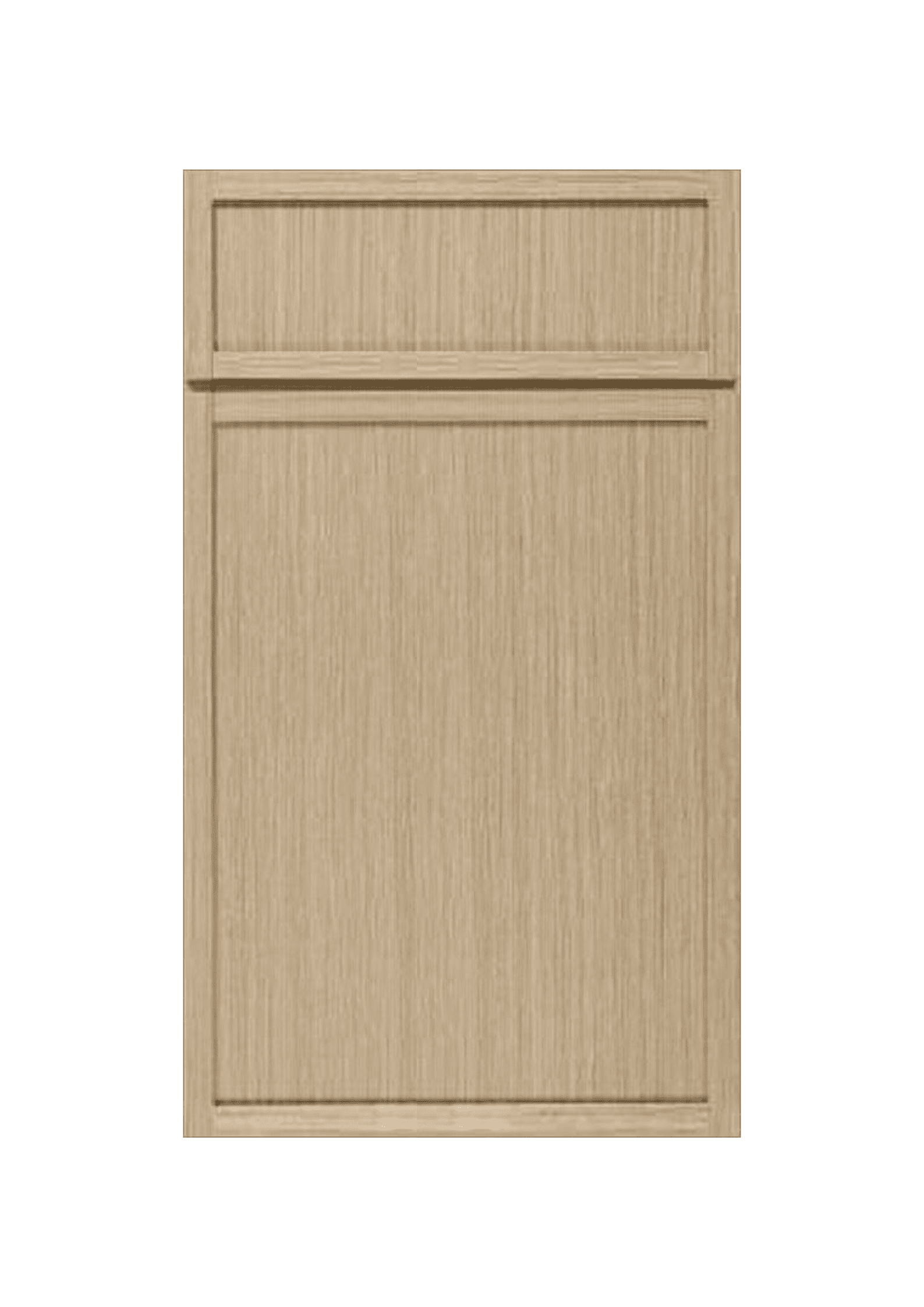
Choose your Cabinet Style
-

Veneered cabinets offer the appearance of real wood while providing better consistency, stability, and production control than solid wood construction. This article explains how veneered cabinets perform in kitchen projects, when they are the right choice, and how buyers can select suitable veneer options for long-term project success.
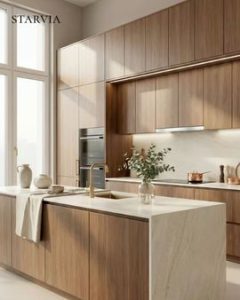
Veneered cabinets are constructed by bonding a thin layer of real wood veneer onto an engineered core rather than using solid wood throughout. This approach allows kitchen projects to achieve an authentic wood appearance while maintaining tighter control over material consistency, dimensional stability, and production repeatability.
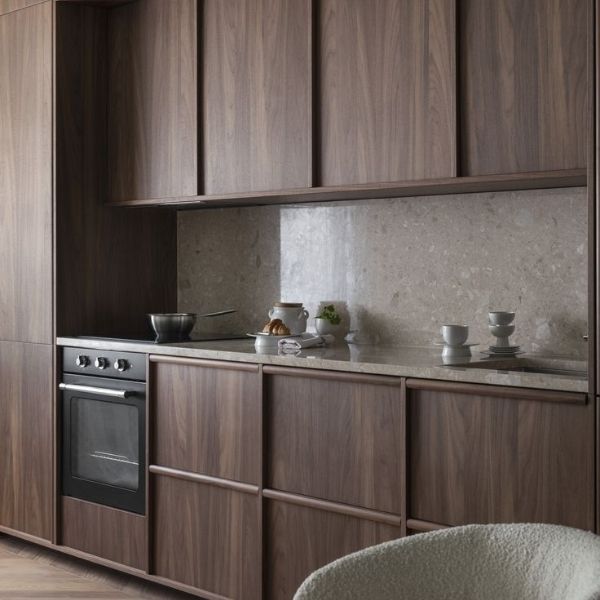
Engineered veneer cabinetry providing natural wood appearance with production consistency
Most veneered cabinets use natural wood veneer applied over substrates such as plywood, MDF, or particle board. The veneer preserves genuine wood grain and color, while the engineered core minimizes movement caused by humidity and temperature fluctuations commonly found in kitchen environments.
For distributors and project buyers, the primary advantage lies in predictability. Veneered cabinets support more reliable color matching between production batches, reduce material variation, and help minimize approval and fulfillment risks across multi-unit kitchen programs.
Veneered cabinets are best suited for kitchen projects where consistency, repeatability, and controlled execution are essential. Veneer-based specifications simplify alignment between approved samples, production output, and final delivery.
Situations where veneered cabinets make sense:
In these scenarios, veneer reduces visual variation and lowers the risk of finish-related discrepancies between shipments.
Situations where veneered cabinets may not be ideal:
Quick decision check:
When visual consistency, scalability, and quality control matter more than solid wood thickness, veneered cabinets are often the more manageable and reliable choice.
For international projects, wood sourcing transparency is essential. Many veneered cabinets are produced using materials certified under the Forest Stewardship Council (FSC) system to ensure responsible forestry practices and supply chain compliance.
When selecting cabinet finishes, veneered cabinets are commonly evaluated alongside painted, laminate, and solid wood options.
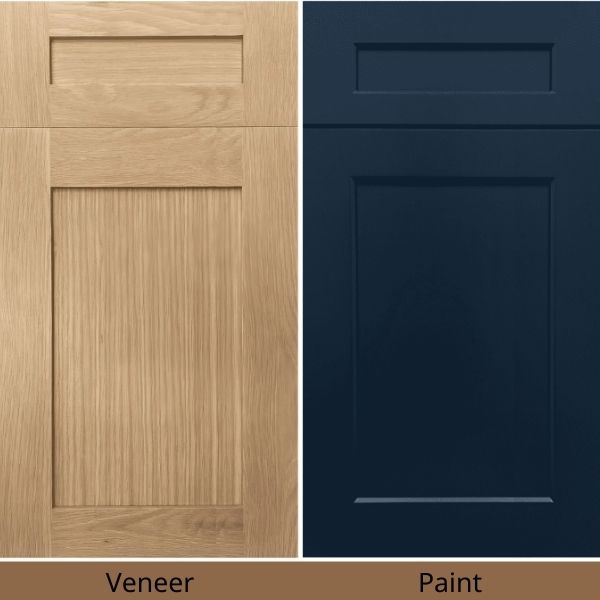
Cabinet door comparison showing real wood veneer grain versus smooth painted finish
Veneered cabinets vs. painted cabinets
Painted finishes allow broad color flexibility but can be harder to maintain consistently across production runs. Veneer offers greater visual stability and reduces the likelihood of refinishing over time.
Veneered cabinets vs. laminate cabinets
Laminate delivers uniform color but lacks the depth and authenticity of real wood. Veneer provides natural wood character while still maintaining controlled appearance between batches.
Veneered cabinets vs. solid wood cabinets
Solid wood introduces natural variation and movement. Veneered cabinets reduce these variables, making color alignment, batch consistency, and specification control easier to manage.
From a long-term perspective, veneered cabinets often deliver a balanced outcome – combining controlled upfront cost with reduced rework risk and more predictable lifecycle performance.
Within kitchen programs, veneer kitchen doors represent one of the most effective applications of veneered construction. Cabinet doors account for the majority of visible surfaces, making veneer an efficient way to deliver real wood aesthetics while maintaining specification stability.
Veneer performs particularly well on vertical and low-impact surfaces such as cabinet doors, drawer fronts, and decorative panels. These areas benefit from natural grain and color while facing less direct wear than horizontal work surfaces.
Door styles commonly specified with veneer include:
Applying veneer selectively helps balance visual impact, durability, and long-term performance across kitchen projects.
Among available veneer options, oak veneer cabinets and walnut veneer cabinets are the most frequently specified due to their balance of appearance, availability, and project suitability.
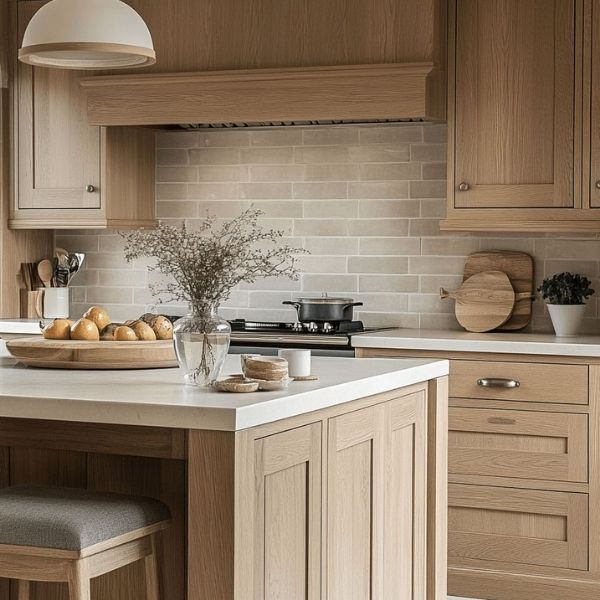
Modern residential kitchen using Vietnam-made shaker cabinet for scalable B2B manufacturing
Oak veneer cabinets are widely considered a reliable and versatile option. Oak offers balanced grain and neutral tone, making it suitable for modern, transitional, and classic kitchens. Its broad acceptance simplifies specification, approval, and repeat use across multi-unit projects.
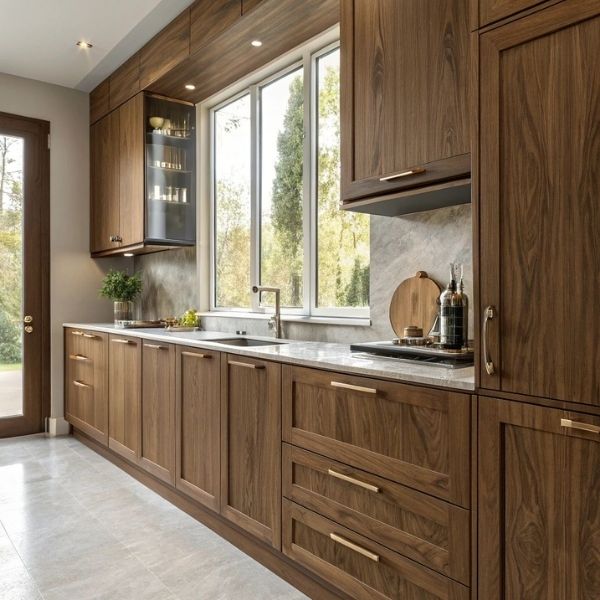
Residential kitchen project featuring shaker kitchen cabinet by Vietnam manufacturer
Walnut veneer cabinets are typically chosen for more premium visual impact. Walnut’s deeper color and refined grain make it ideal for feature areas such as kitchen islands, tall cabinets, or accent zones. Rather than being applied throughout an entire kitchen, walnut veneer is often used selectively to elevate design while keeping costs under control.
Other veneer species commonly specified include:
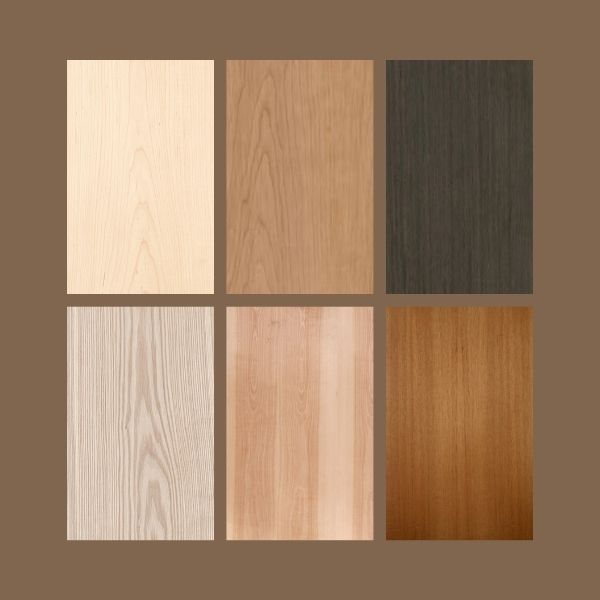
Various wood materials used in shaker cabinet manufacturing in Vietnam
Selecting the right veneer species allows kitchen programs to meet design intent while maintaining control over budget, consistency, and long-term performance.
For multi-unit residential developments and large-scale kitchen programs, manufacturing consistency plays a critical role in project success. Veneered cabinets support tighter production tolerances by minimizing the natural movement associated with solid wood construction.
Engineered core materials combined with controlled veneer application help maintain dimensional accuracy across cabinet doors, drawer fronts, and panels. This stability reduces the likelihood of post-installation misalignment, joint separation, or finish inconsistency — common risks in high-volume kitchen deployments.
From a procurement perspective, veneered cabinet specifications allow project managers to align approval samples more accurately with final production batches. This improves fulfillment reliability and minimizes visual discrepancies between early shipments and later project phases.
In multi-phase housing programs, student accommodations, and hospitality kitchens, maintaining uniform appearance across hundreds of installations is essential. Veneered cabinets provide a repeatable solution for achieving real wood aesthetics without introducing uncontrolled material variation.
Unlike solid wood, which may vary in tone or grain pattern from batch to batch, veneer allows more predictable matching across cabinet sets. This is particularly valuable for:
Multi-unit apartment projects
Build-to-rent developments
Modular kitchen installations
Hospitality and serviced residence programs
By reducing finish variation between manufacturing runs, veneered cabinet systems help project stakeholders maintain visual continuity throughout phased installations.
The long-term performance of veneered cabinets depends not only on veneer selection but also on the applied finishing system. Protective coatings help stabilize color, improve resistance to surface wear, and support consistent appearance under kitchen lighting conditions.
Typical finishing layers include:
UV-cured coatings for surface durability
Moisture-resistant sealants
Scratch-resistant topcoats
Anti-yellowing protective finishes
These controlled finishing applications help ensure that veneered kitchen doors retain both their structural stability and visual integrity over extended periods of use.
Over the lifecycle of a kitchen installation, material predictability becomes increasingly important. Veneered cabinets reduce the risk of warping, swelling, or tonal inconsistency caused by environmental fluctuations.
Because the veneer layer is supported by an engineered core, expansion and contraction are minimized. This structural stability contributes to:
Improved door alignment
Reduced maintenance requirements
Consistent panel flatness
Lower likelihood of finish stress cracking
For property developers and distributors, these performance factors translate into fewer post-installation adjustments and improved long-term customer satisfaction.
When specifying veneered cabinets for modern kitchen programs, buyers should consider both veneer species and substrate compatibility. Matching veneer characteristics with appropriate engineered core materials improves both structural performance and production efficiency.
Key specification considerations include:
Veneer thickness and grain orientation
Core material selection (plywood or MDF)
Finishing system compatibility
Moisture resistance requirements
Batch matching procedures
Clear specification alignment between design approval and production output supports scalable kitchen installations while maintaining visual consistency across project timelines.
From a budgeting perspective, veneered cabinets present a measurable advantage in large kitchen programs where material predictability directly impacts project cost control. Solid wood cabinetry often introduces variation in grain pattern, tone, and dimensional behavior, which may require additional sorting, finishing adjustments, or even part replacement during installation.
By contrast, veneered cabinet systems allow procurement teams to plan more accurately around approved samples and production output. Because veneer sheets can be matched more consistently during manufacturing, visual alignment across multiple cabinet components becomes easier to achieve without excessive manual correction.
This level of predictability supports more efficient material usage and reduces unnecessary waste during production. In high-volume kitchen projects, these incremental efficiencies can contribute to meaningful savings across multiple project phases without compromising visual quality.
Proper installation practices also influence the long-term performance of veneered cabinets in kitchen environments. Because engineered core materials are less prone to expansion or contraction than solid wood, veneered components typically maintain dimensional consistency after delivery.
This stability simplifies installation alignment, particularly for:
Cabinet door spacing
Drawer front positioning
Panel joint alignment
Integrated appliance cabinetry
Reduced material movement helps installers achieve consistent gaps and flush surfaces without the need for repeated on-site adjustments. As a result, veneered kitchen systems are often associated with smoother installation timelines and improved fit accuracy across cabinet assemblies.
Modern kitchen design increasingly emphasizes material authenticity combined with production scalability. Veneered cabinets align with this direction by offering real wood texture while supporting controlled manufacturing processes.
Flat panel veneer doors are commonly specified in contemporary layouts where uninterrupted grain flow enhances visual continuity. Meanwhile, veneered shaker-style doors allow designers to integrate traditional wood character into transitional kitchen environments without introducing excessive tonal variation.
By balancing natural aesthetics with specification consistency, veneered cabinetry supports evolving design trends while maintaining suitability for multi-unit applications.
As international kitchen supply chains continue to prioritize scalable production and repeatable quality standards, veneered cabinets are expected to play an increasingly important role in project-based manufacturing.
Engineered veneer systems allow manufacturers to meet consistent specification requirements across geographically distributed projects while reducing variability associated with natural wood movement. This adaptability makes veneered cabinet construction particularly relevant for export-oriented production models serving the U.S. and other international markets.
For distributors and developers seeking to balance aesthetic appeal with controlled execution, veneered cabinet programs provide a practical pathway toward reliable kitchen delivery across complex project timelines.
Veneered cabinets offer a practical balance between real wood appearance and production control. Oak veneer cabinets remain a safe and adaptable choice for projects requiring consistency across multiple units, while walnut veneer cabinets are well suited for selective use where enhanced visual impact is desired.
At Starvia Vietnam, veneer sourcing, matching, and finishing are managed directly at the factory level. With extensive experience supplying the U.S. market, Starvia focuses on material consistency, batch stability, and controlled execution – supporting veneered cabinet programs that remain reliable, repeatable, and aligned with long-term project requirements.
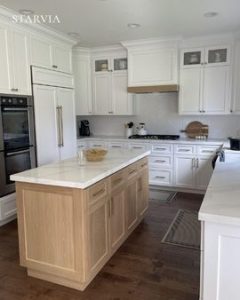
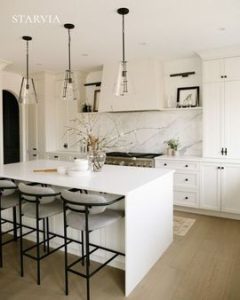
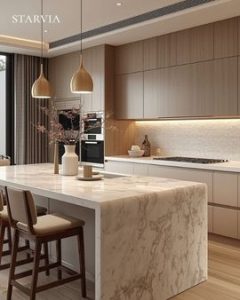
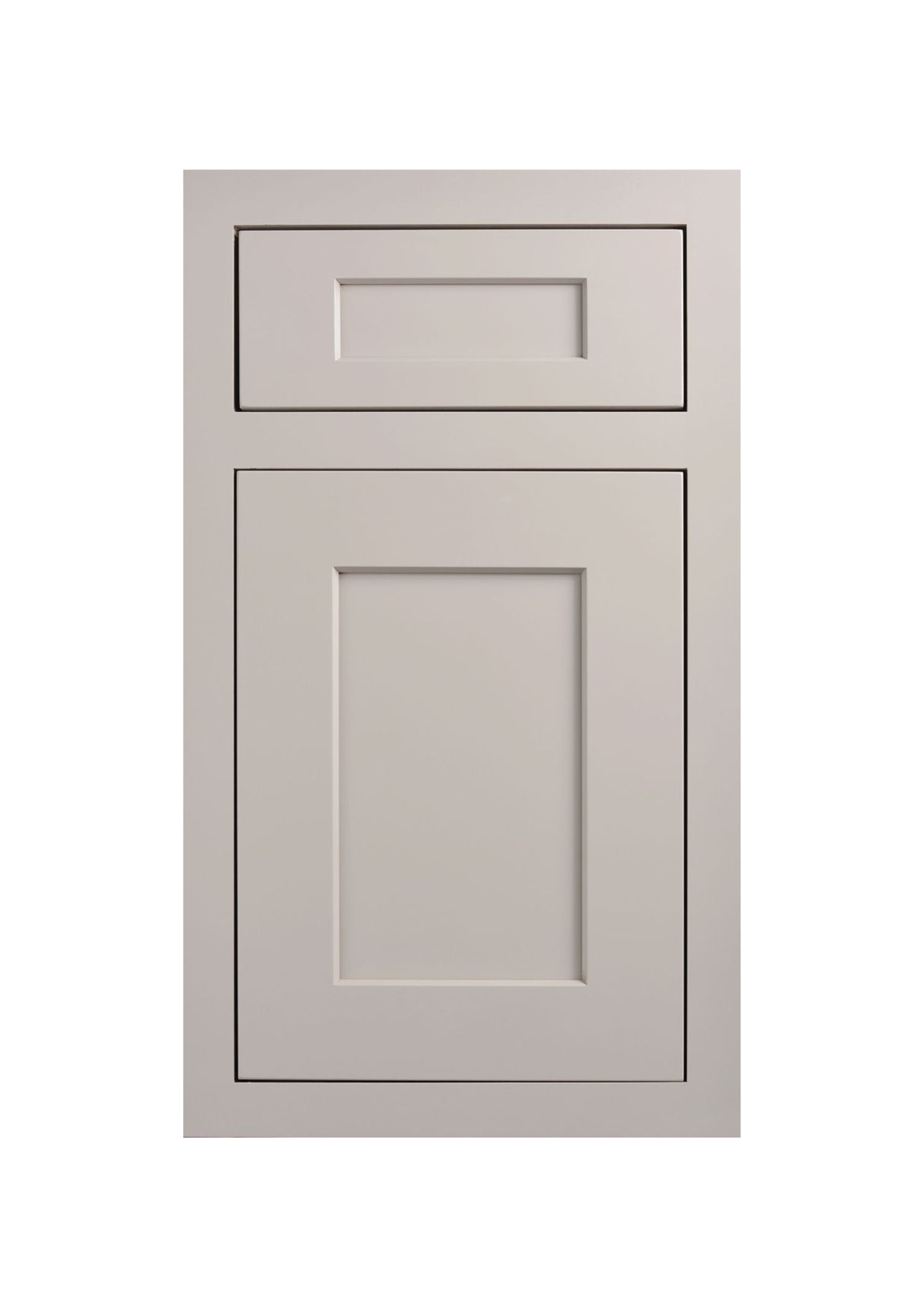 View collection
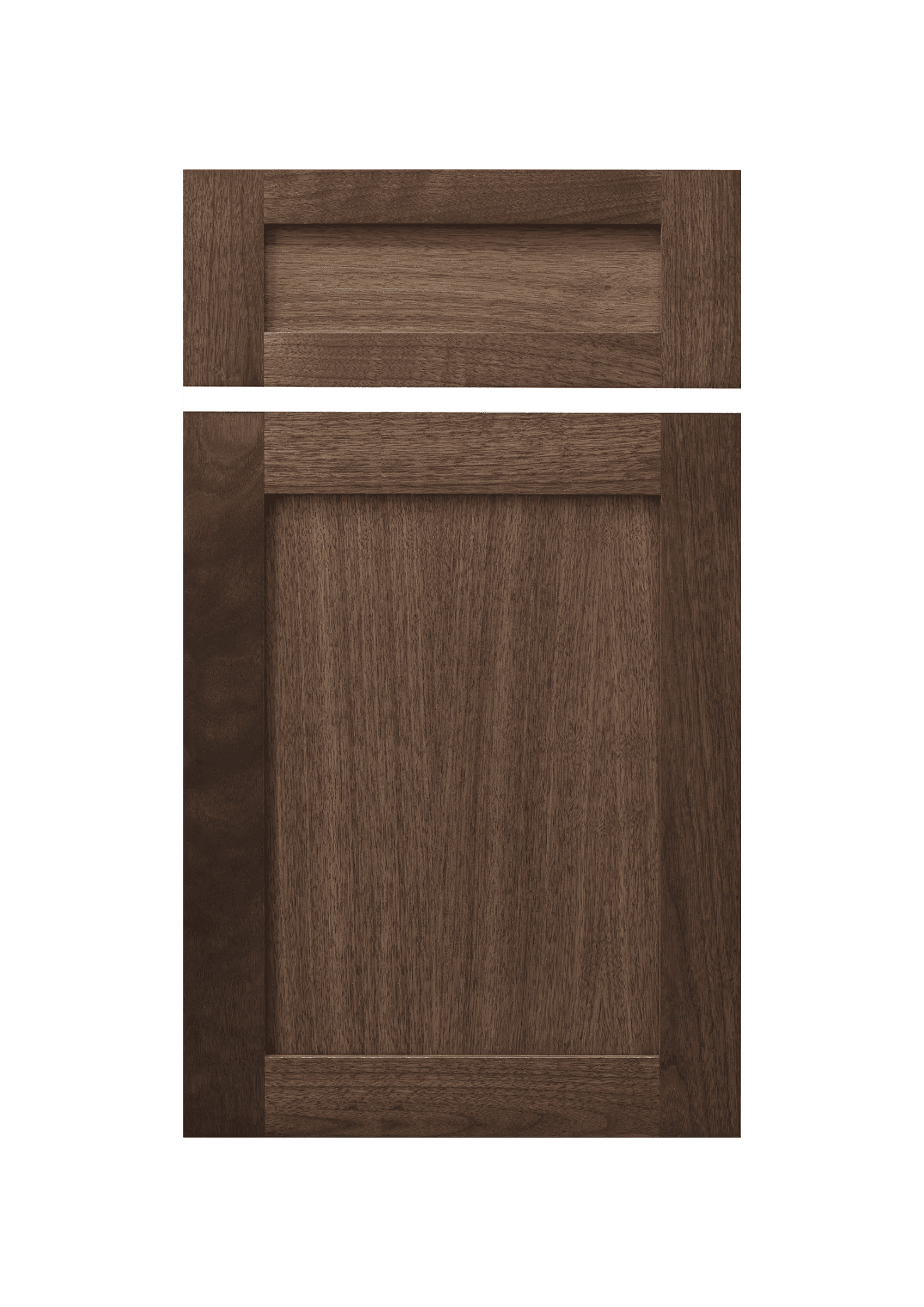 View collection
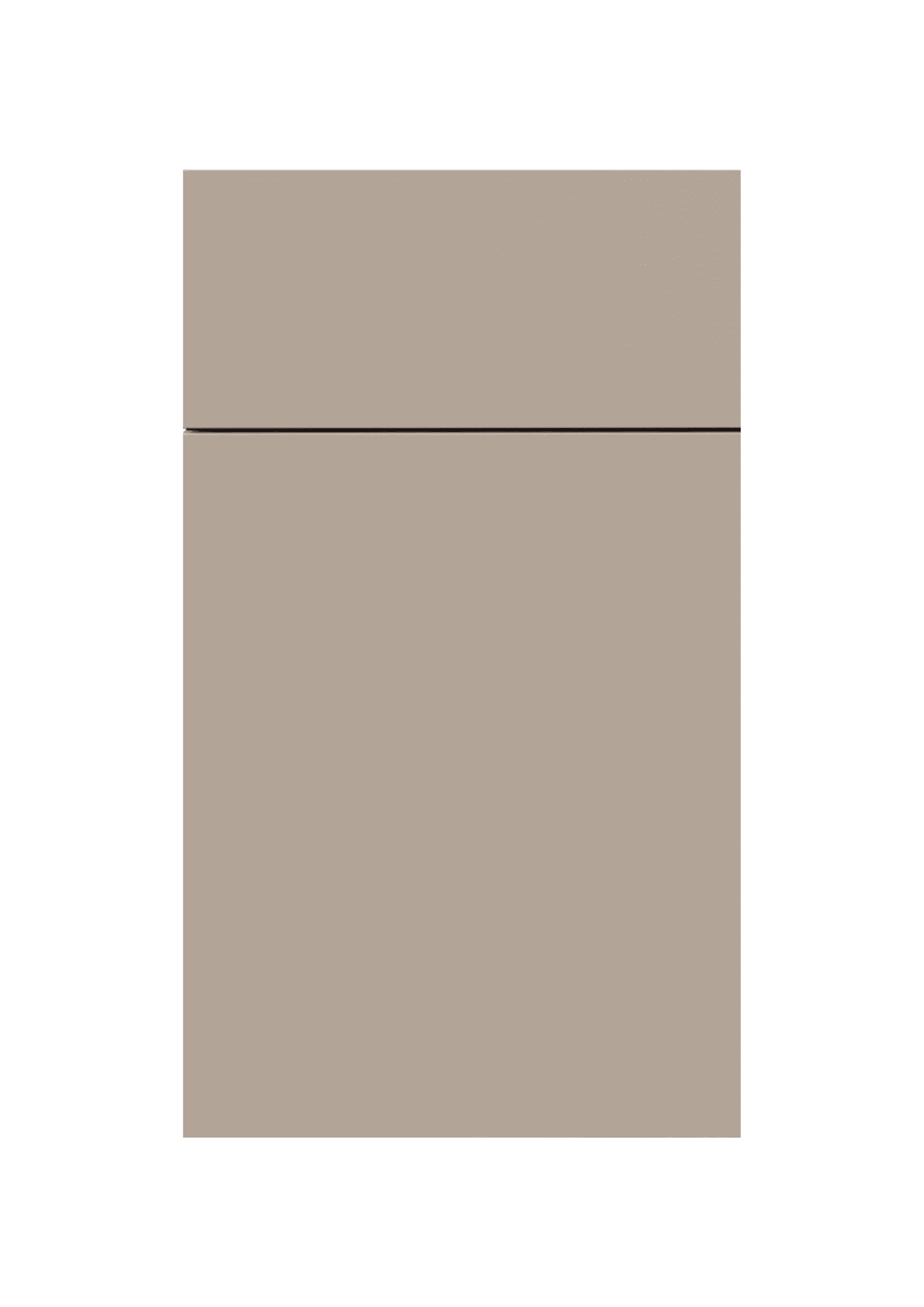 View collection
 View collection