- Our Products
-
Choose your Cabinet Style
-

In the global cabinetry market, traditional cabinets continue to maintain a strong and stable position despite the rapid growth of modern and contemporary styles. Their timeless appeal, consistent demand, and wide market acceptance make them one of the most reliable product categories for B2B buyers.
For importers, distributors, contractors, and real estate developers, choosing the right cabinet style is not only a design decision but also a strategic business move. Products that maintain long-term demand help reduce risk, improve inventory turnover, and support sustainable growth. This is where traditional cabinetry proves its value.
In recent years, Vietnam has emerged as a key sourcing destination for traditional cabinets. With competitive production costs, skilled labor, and increasing investment in modern manufacturing technologies, the country offers a strong balance between price and quality. As a result, more international buyers are shifting their sourcing strategies toward Vietnam.
This article explores everything B2B buyers need to know about traditional cabinets, including design characteristics, material selection, production processes, sourcing advantages, and supply chain optimization.
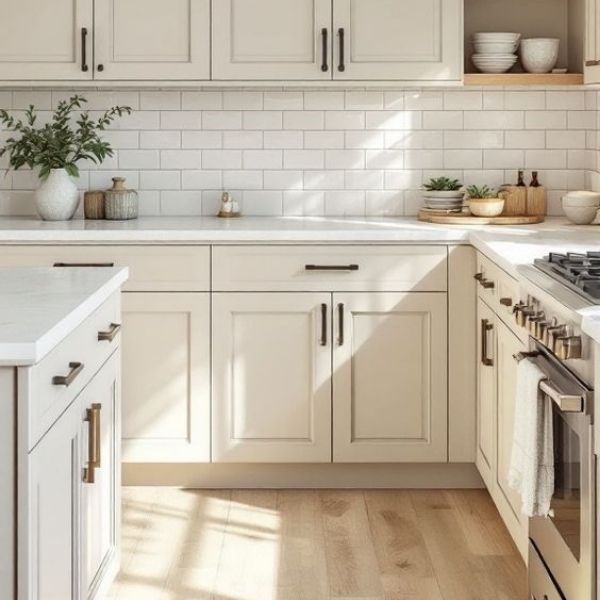
Close-up of raised panel doors and decorative molding in traditional cabinets
Traditional cabinets are defined by their classic design language, detailed craftsmanship, and structured visual appearance. Unlike modern cabinetry, which focuses on simplicity and minimalism, traditional cabinets emphasize decorative elements and refined finishing.
These cabinets typically feature raised panel doors, crown moldings, and warm or neutral color tones. The goal is to create a sense of elegance, comfort, and familiarity, which resonates strongly with homeowners across many regions.
Another defining characteristic of traditional cabinets is symmetry. The layout is often balanced and proportioned, contributing to a clean yet sophisticated look. This makes them particularly suitable for residential kitchens, where aesthetics and functionality must work together seamlessly.
From a manufacturing perspective, traditional cabinets require a higher level of detail compared to flat-panel designs. This includes precise cutting, careful assembly, and high-quality finishing processes. For B2B buyers, understanding these requirements is essential when evaluating suppliers.
One of the main reasons traditional cabinets continue to perform well in the market is their timeless design. While many styles come and go, traditional cabinetry remains relevant across generations. This long-lasting appeal reduces the risk of products becoming outdated.
Another important factor is market diversity. Traditional cabinets can be used in a wide range of projects, from mid-range housing developments to high-end residential properties. This flexibility allows distributors and contractors to serve multiple customer segments with a single product category.
In addition, traditional cabinets often carry a higher perceived value. The detailed design and classic appearance create a sense of quality and durability, which can justify higher price points. For B2B buyers, this translates into better margins and stronger positioning in the market.
The growing popularity of transitional design is also contributing to the continued demand for traditional cabinets. By blending classic elements with modern simplicity, transitional styles allow traditional cabinetry to remain relevant in evolving design trends.
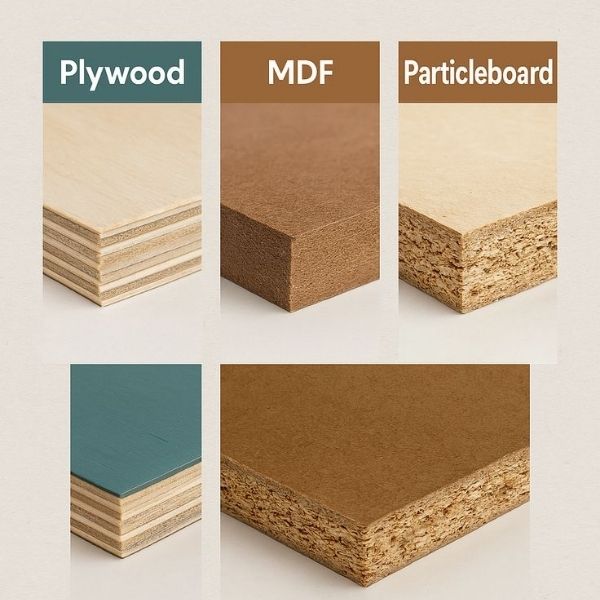
Common materials used in traditional cabinet manufacturing: solid wood, MDF, and plywood
The quality and performance of traditional cabinets depend heavily on the materials used during production. Selecting the right materials is essential for balancing durability, cost, and visual appeal.
Solid wood is commonly used in high-end traditional cabinets. Popular species include oak, maple, cherry, and birch. These materials are valued for their strength, natural grain patterns, and long lifespan. However, they also come with higher costs, which may not be suitable for all market segments.
For more cost-effective solutions, MDF (Medium Density Fiberboard) is widely used, especially for painted cabinets. MDF provides a smooth and consistent surface, making it ideal for achieving high-quality finishes. It is also less prone to warping compared to solid wood.
For B2B buyers focused on long-term sourcing strategy, choosing manufacturers that comply with global standards like FSC-certified wood sourcing can strengthen both product value and supply chain credibility.
Plywood is typically used for cabinet boxes due to its structural strength and moisture resistance. It offers a good balance between durability and affordability, making it a preferred choice for export products.
By combining these materials strategically, manufacturers can create traditional cabinets that meet different price points and performance requirements. This flexibility is particularly valuable for B2B buyers managing diverse product lines.
Within the category of traditional cabinets, several styles stand out in global markets due to their versatility and consistent demand.
Raised panel cabinets are considered the most classic form. They feature a center panel that is elevated with decorative edges, creating depth and visual interest. This style is widely used in traditional kitchen designs and remains a top choice for many homeowners.
Shaker-style cabinets, while simpler, are often included in the traditional or transitional category. Their clean lines and subtle detailing make them adaptable to different design preferences, which contributes to their popularity.
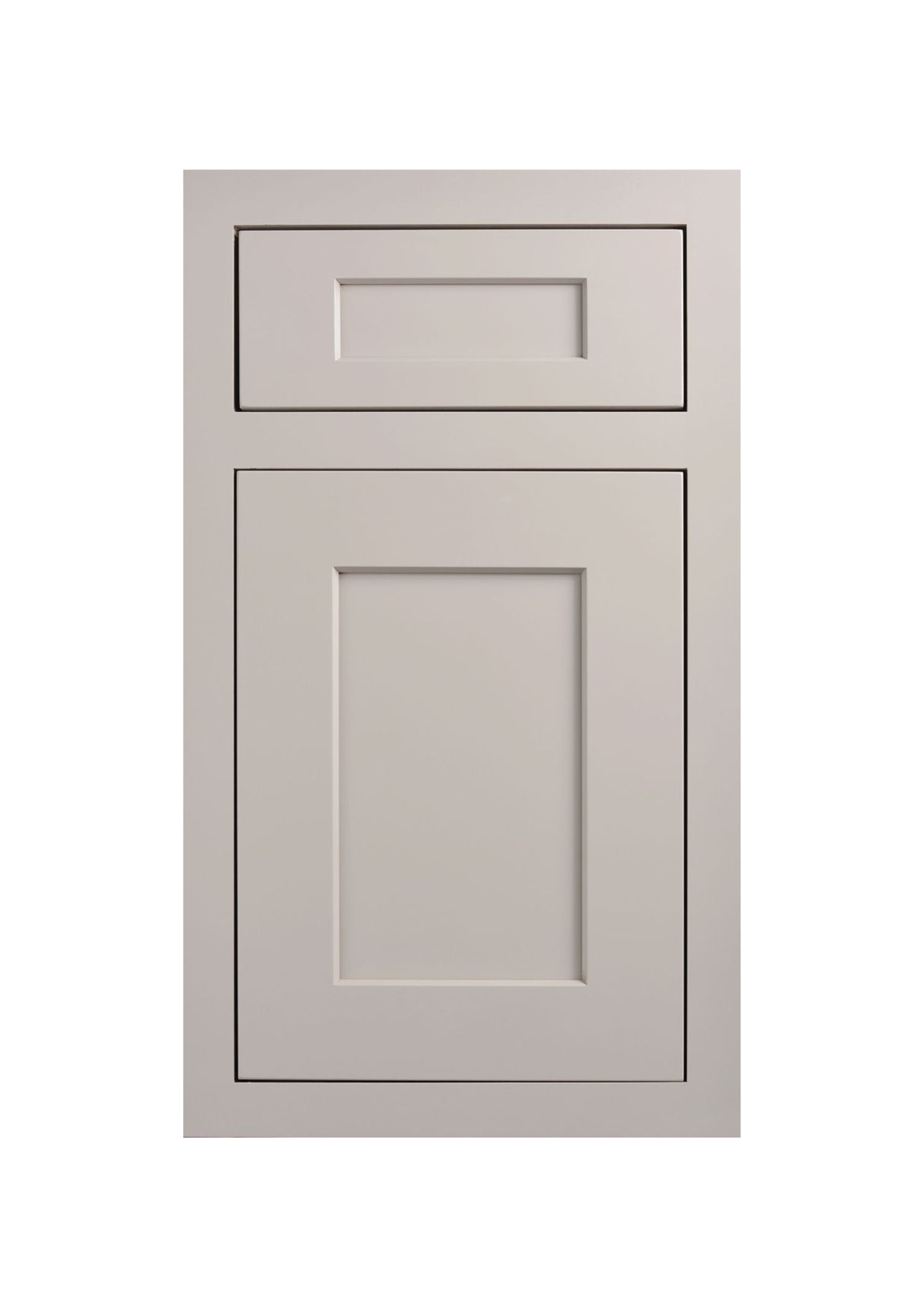
Inset cabinets represent the premium segment of traditional cabinetry. In this style, doors and drawers are fitted flush within the cabinet frame. This requires a high level of precision during manufacturing, resulting in a refined and high-end appearance.
Each of these styles serves a different market segment, allowing B2B buyers to tailor their offerings based on customer needs and project requirements.
Vietnam has become a major manufacturing hub for traditional cabinets, particularly for export-oriented production. Several factors contribute to its growing importance in the global supply chain.
One of the most significant advantages is cost competitiveness. Lower labor and operational costs enable manufacturers in Vietnam to offer attractive pricing while maintaining quality standards. This is especially beneficial for large-volume orders.
Another key strength is craftsmanship. Vietnam has a long tradition in woodworking, which translates into strong capabilities in producing detailed cabinet designs. This is particularly important for traditional cabinets, where precision and finishing quality are critical.
Modern manufacturing infrastructure is also improving rapidly. Many factories are equipped with advanced machinery such as CNC cutting systems, automated finishing lines, and precision drilling equipment. These technologies ensure consistency and efficiency in production.
In addition, Vietnamese manufacturers have extensive experience in export operations. They understand international packaging standards, shipping requirements, and compliance regulations. This reduces risks and simplifies the sourcing process for global buyers.
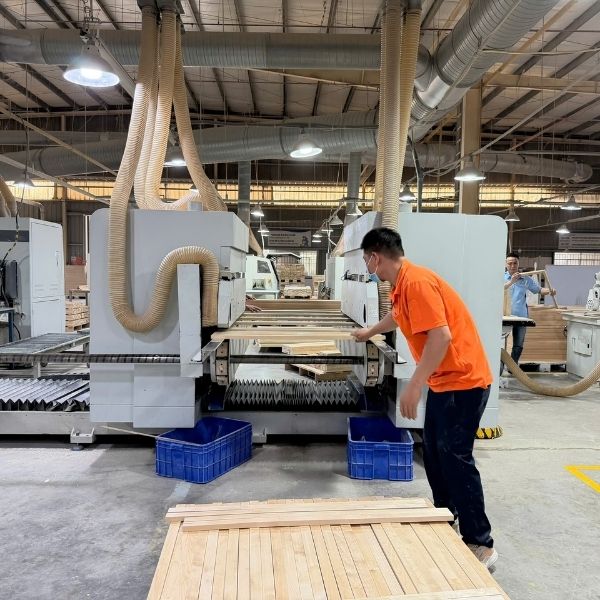
CNC cutting and finishing process in a Vietnam cabinet factory
The production of traditional cabinets involves multiple stages, each contributing to the final quality of the product.
The process begins with material selection and inspection. Ensuring consistent and defect-free materials is essential for achieving reliable results.
Next, cutting and shaping are performed using advanced machinery. Precision is crucial at this stage, especially for components that require tight tolerances.
Assembly follows, where cabinet structures are built and reinforced. Proper assembly ensures durability and long-term performance.
Finishing is one of the most important steps in the process. It includes sanding, painting, or staining, depending on the design requirements. A high-quality finish enhances both appearance and resistance to wear.
Finally, quality control is conducted before shipment. Each product is inspected to ensure it meets the required standards and specifications. This step is critical for maintaining consistency in large orders.
Selecting the right supplier is a key factor in successfully sourcing traditional cabinets for B2B projects.
Production capacity should be carefully evaluated. Buyers need to ensure that the manufacturer can handle large volumes without compromising quality or delivery timelines.
Customization capability is another important consideration. Different markets have different requirements in terms of design, size, and finish. A flexible supplier can better meet these needs.
Quality control systems should also be reviewed. Reliable manufacturers typically have established inspection processes to ensure consistent product quality.
Communication plays a crucial role in international sourcing. Clear and timely communication helps prevent misunderstandings and ensures smoother project execution.
When comparing traditional cabinets to modern styles, the differences extend beyond aesthetics.
Traditional cabinets focus on detail, texture, and classic design, while modern cabinets emphasize simplicity and clean lines. This distinction influences target markets and customer preferences.
Traditional cabinets tend to appeal to a broader audience, including homeowners who value timeless design. Modern cabinets, on the other hand, are often preferred by customers seeking a contemporary look.
From a business perspective, traditional cabinets offer more stable demand, making them a safer investment for long-term growth.
Even though traditional cabinets are rooted in classic design, they continue to evolve in response to market trends.
Painted finishes, particularly in white and neutral tones, are becoming increasingly popular. These finishes help traditional cabinets feel lighter and more modern.
Functional upgrades such as soft-close hinges and drawer systems are now standard features. These improvements enhance usability without changing the overall design.
Sustainability is also becoming a key consideration. Buyers are increasingly looking for eco-friendly materials and low-emission finishes.
Another important trend is the growth of ready-to-assemble cabinets. This format reduces shipping costs and simplifies logistics, making it attractive for large-scale projects.
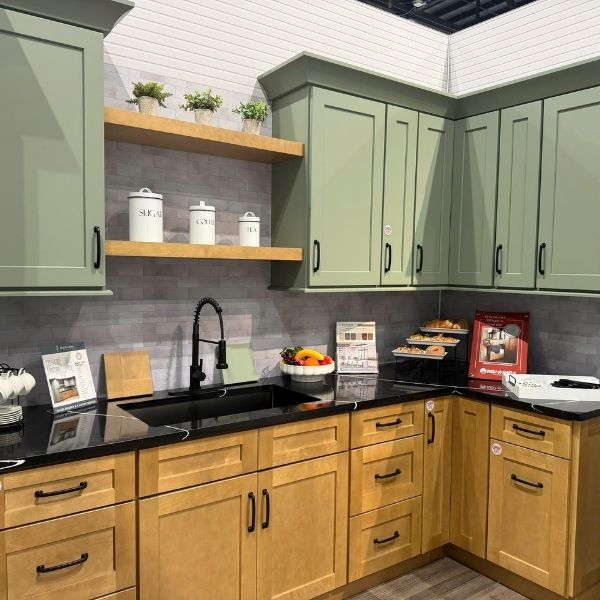
Traditional cabinets installed in a large-scale residential project
For large-scale developments, traditional cabinets offer several strategic advantages.
Their broad market acceptance makes them suitable for a wide range of applications, including residential housing, renovations, and hospitality projects.
They also provide consistent returns. Because demand remains stable, distributors and wholesalers can rely on predictable sales performance.
In addition, traditional cabinets are relatively easy to standardize for mass production. This helps reduce manufacturing costs and improve operational efficiency.
Efficient supply chain management is essential when importing traditional cabinets.
Working with experienced manufacturers helps minimize risks related to production and logistics. Suppliers with export experience are better equipped to handle international requirements.
Inventory planning is another critical factor. Maintaining the right balance between stock availability and storage costs can improve overall efficiency.
Clear specifications should always be provided. Detailed drawings and requirements help prevent errors during production.
Finally, sample approval is an essential step. Reviewing samples before placing bulk orders ensures that the final products meet expectations.
Traditional cabinets remain one of the most reliable and profitable product categories in the global cabinetry industry. Their timeless design, strong demand, and adaptability make them an essential choice for B2B buyers.
By sourcing from experienced manufacturers, particularly in Vietnam, businesses can benefit from competitive pricing, skilled craftsmanship, and scalable production capabilities.
For distributors, contractors, and developers seeking long-term growth, traditional cabinets offer a stable and strategic solution that balances quality, cost, and market demand.

 View collection
 View collection
 View collection
 View collection