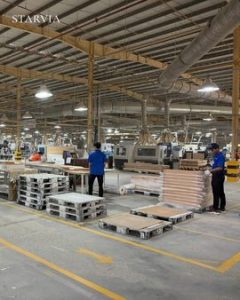
- Our Products
-
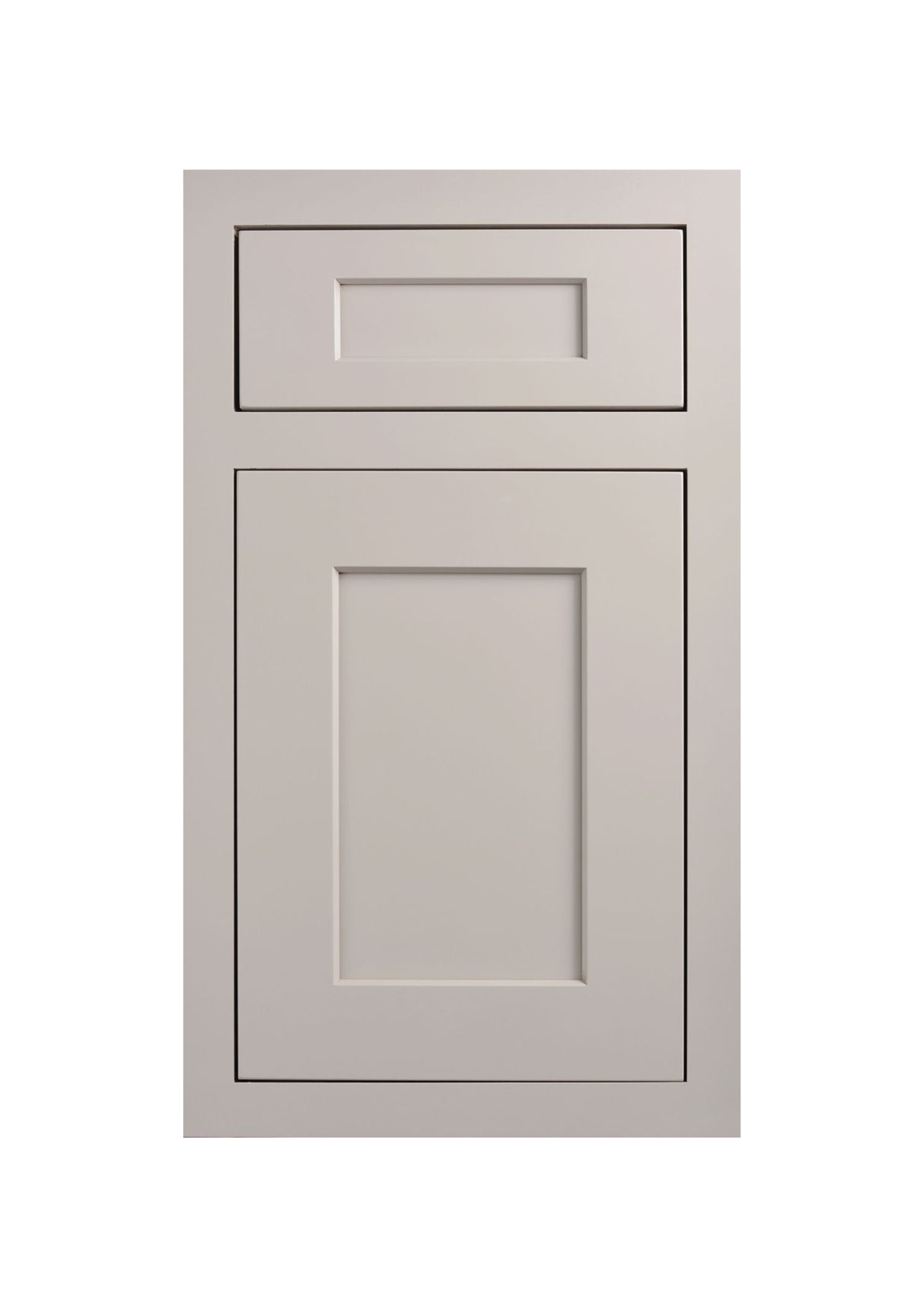
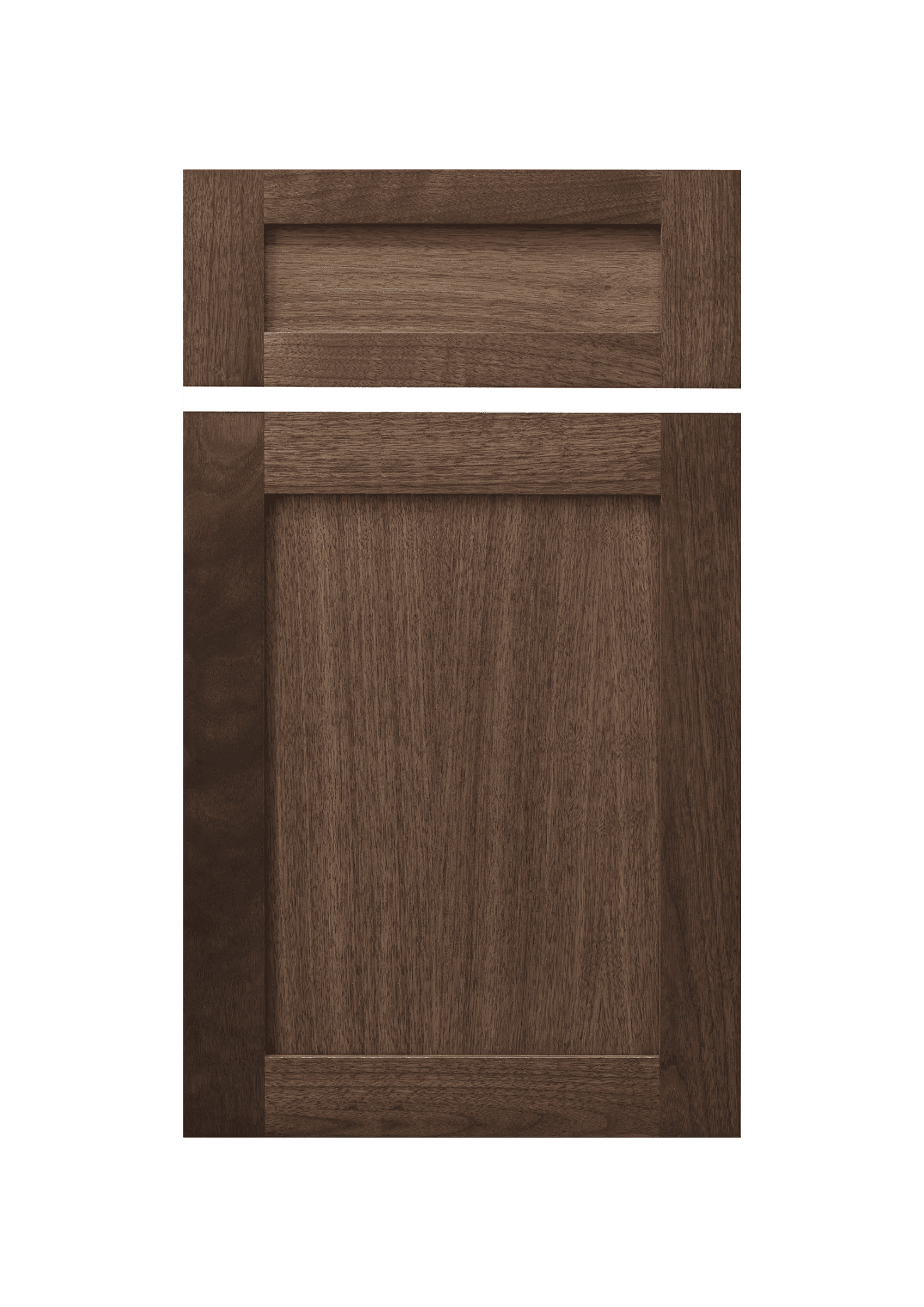
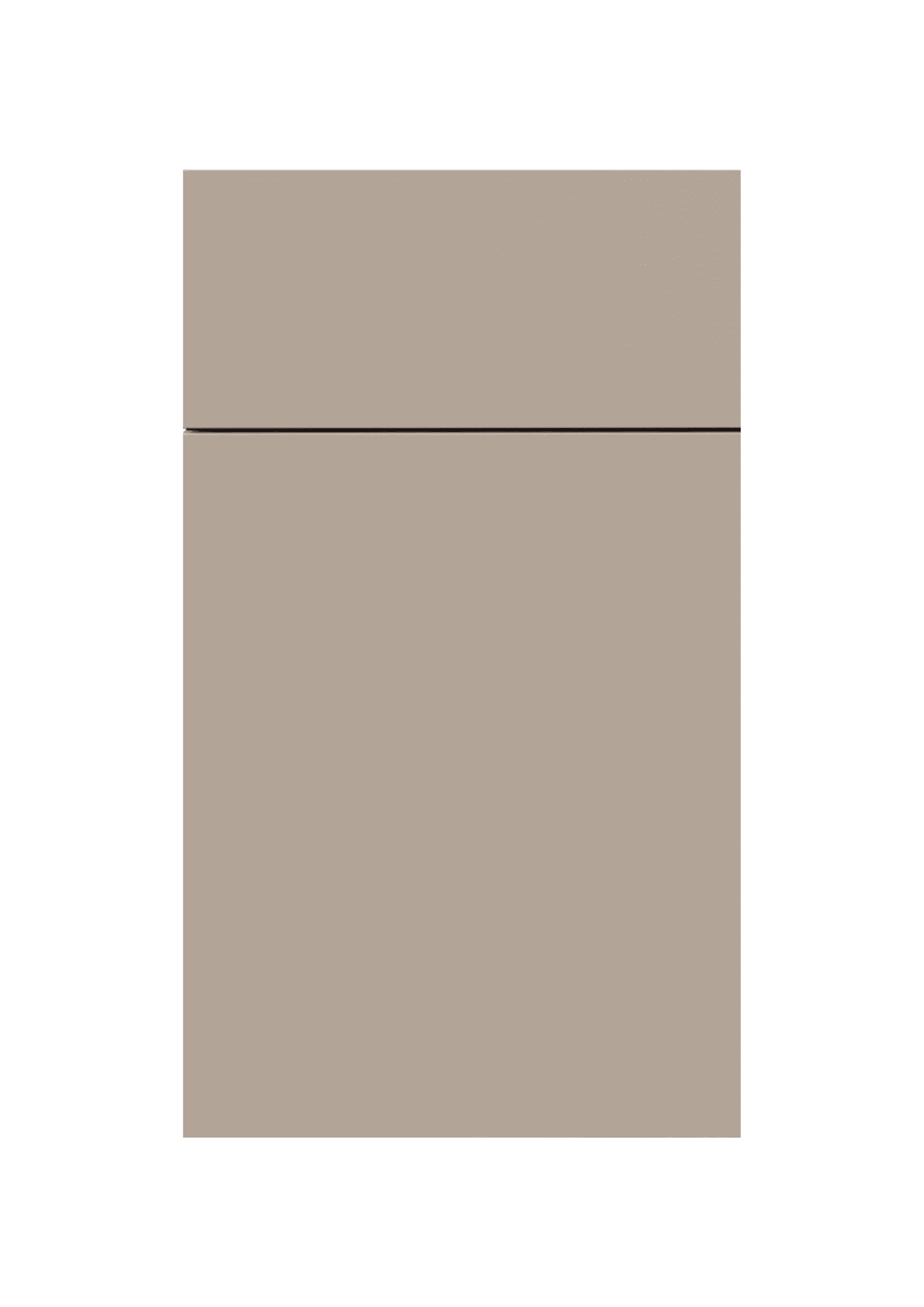
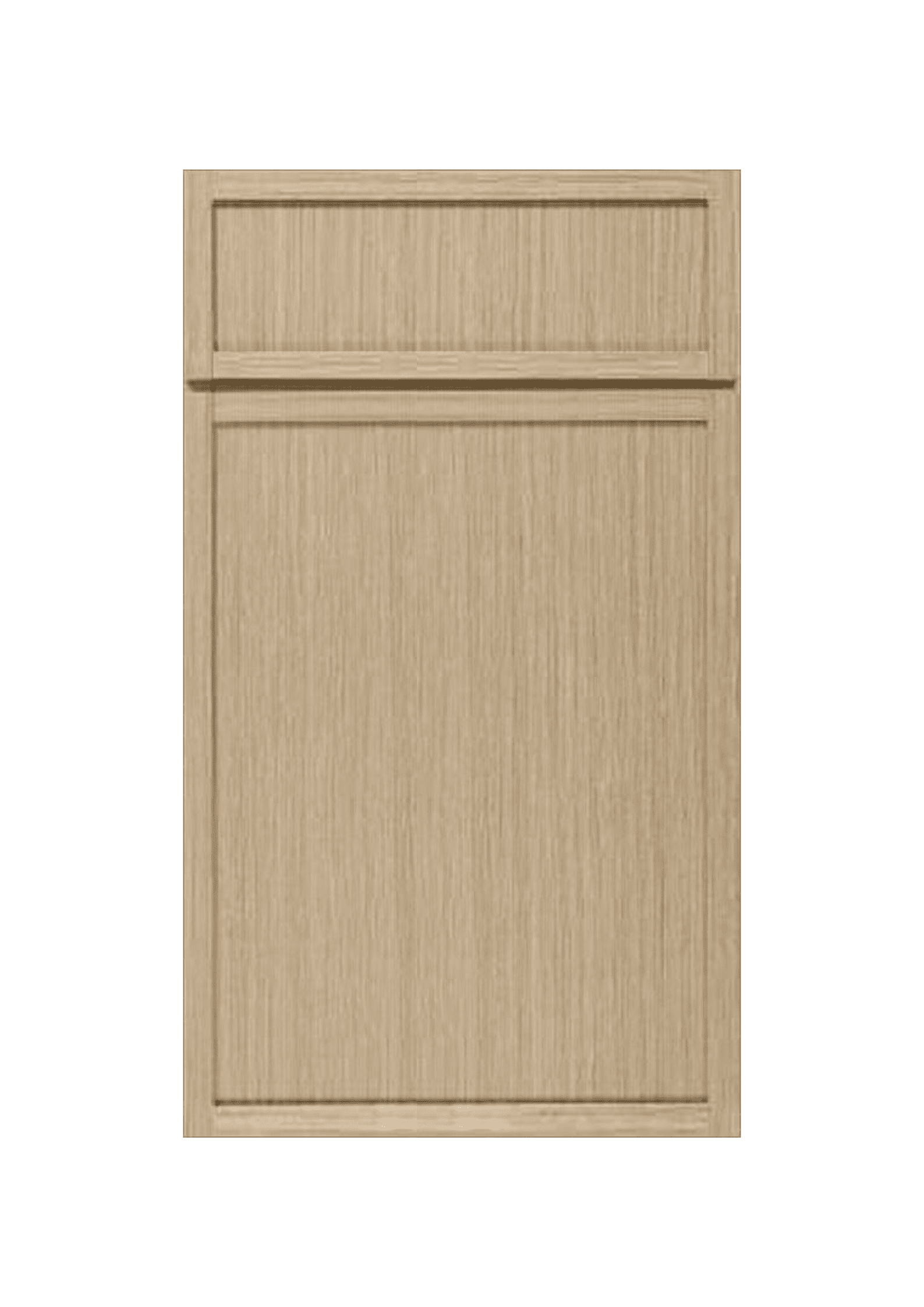
Choose your Cabinet Style
-

In global B2B cabinet procurement, many buyers request cabinet specifications. Fewer truly audit them in depth.
On paper, most spec sheets look similar. Panel thickness appears identical. Door style descriptions seem consistent. Finish terminology sounds professional.
However, real differences between factories are hidden inside measurable technical standards – especially cabinet tolerances, cabinet construction standards, origin of material, finish surface process, and quality of wood (solid wood & plywood).
For distributors, developers, contractors, and private-label brands, these specifications directly affect installation efficiency, claim ratio, long-term durability, and supply chain stability.
This guide explains how professional buyers evaluate cabinet specifications in global B2B sourcing.
Cabinet specifications are not marketing materials. They are risk-control documents.
In small projects, minor inconsistencies can be adjusted onsite. In export-scale production, even small deviations multiply into serious operational problems.
Poorly controlled specifications may result in:
Understanding specifications is the first step toward stable long-term sourcing.
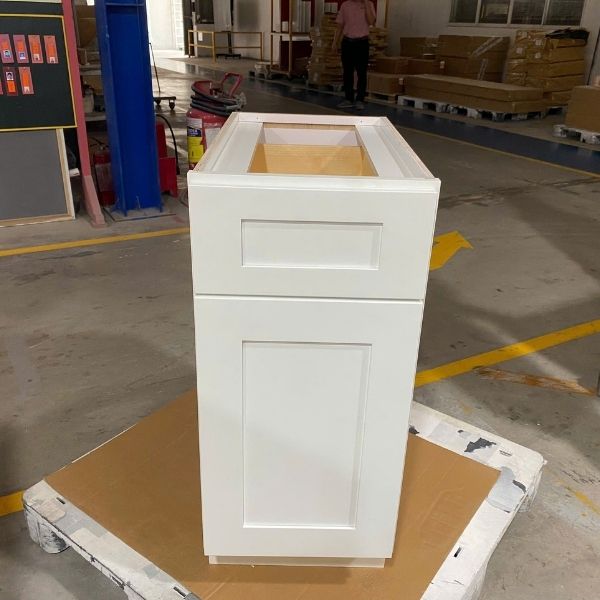
Fully inset dado back panel improves cabinet squareness and structural rigidity.
Cabinet construction standards define how the cabinet performs under load, humidity, and long-term use.
2.1 Cabinet Box Structure
Professional buyers should verify:
A thin nail-on back reduces cost but weakens structural integrity.
2.2 Back Panel Installation Method
Check whether the back panel is:
A fully inset dado back significantly improves squareness and load stability.
2.3 Joinery and Assembly System
Reliable cabinet construction standards include:
Mechanical-only assembly without glue reinforcement may loosen over time.
2.4 Frameless vs Face Frame System
Specifications must clearly define:
Frameless systems require tighter cabinet tolerances due to exposed edges and precise door alignment.
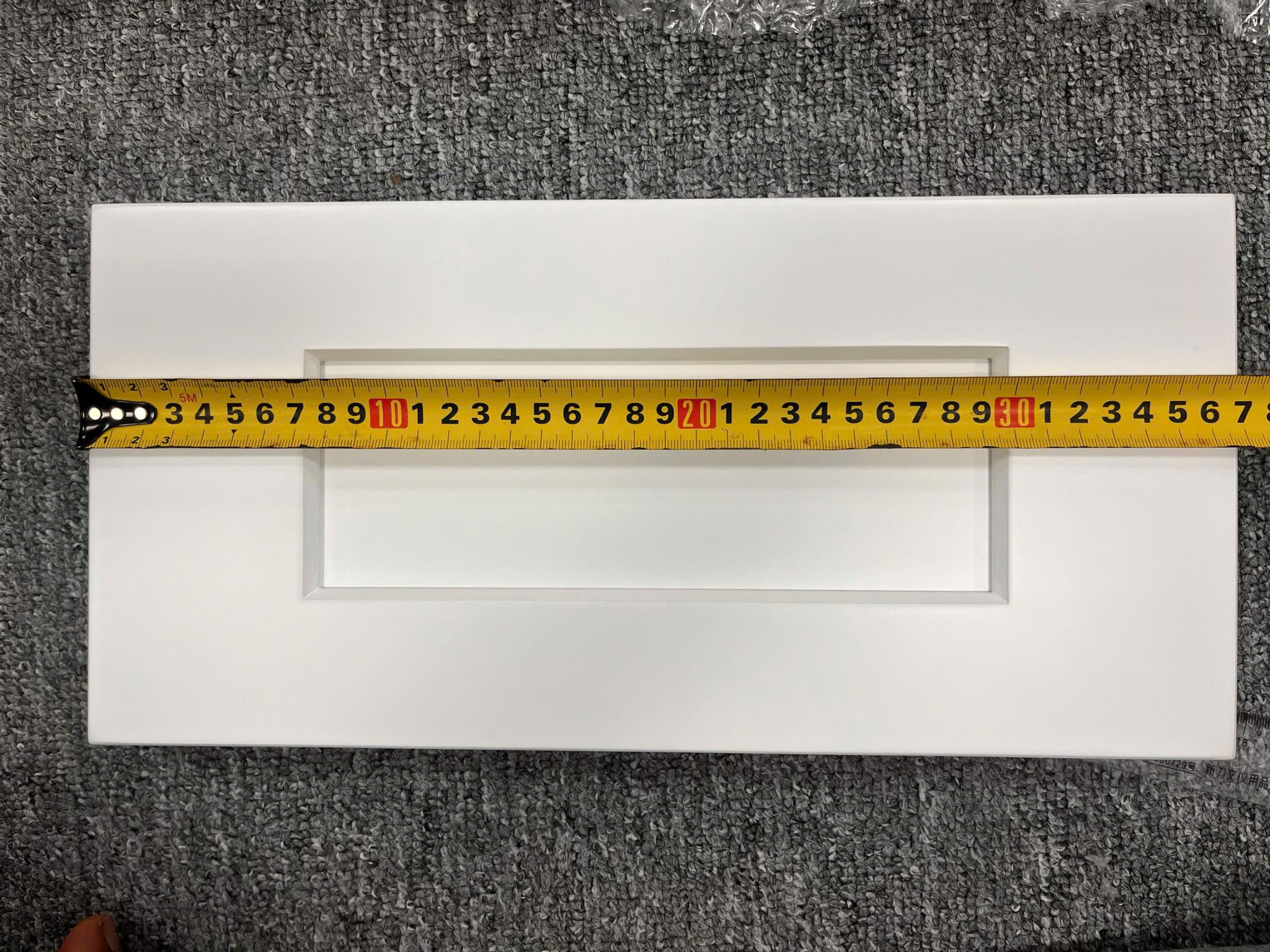
Accurate dimensional measurement is essential for tight cabinet tolerances.
Cabinet tolerances define acceptable dimensional deviation during production.
Factories that cannot clearly state tolerance standards often lack production precision control.
3.1 Standard Professional Tolerance Levels
Common benchmarks:
Tight tolerances indicate disciplined CNC operations.
3.2 Why Cabinet Tolerances Affect Installation Efficiency
Loose tolerances lead to:
For multi-unit housing projects, installation inefficiency impacts overall construction timelines.
Case Reference:
In a 240-unit multi-family project, a consistent 2mm deviation in cabinet width increased installer adjustment time by approximately 15–18%. While the deviation appeared minor on paper, the accumulated labor impact significantly affected the overall construction schedule.
3.3 Tolerances in RTA Cabinet Programs
In RTA cabinet systems:
Without tight cabinet tolerances, complaint rates increase significantly.
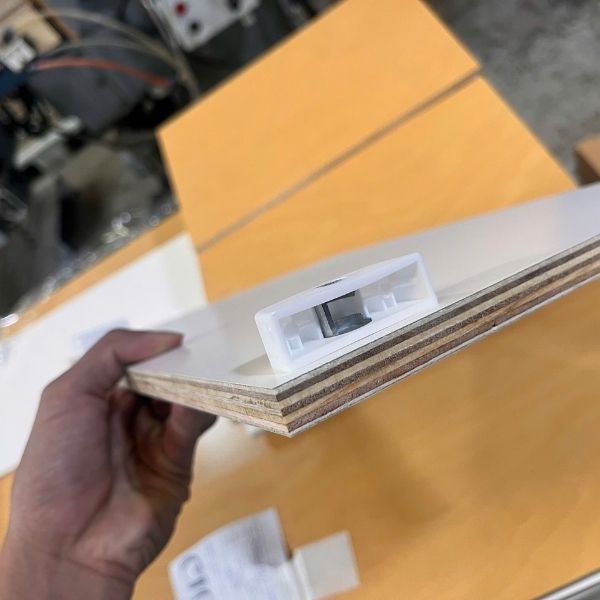
Uniform plywood core structure ensures screw-holding strength and long-term durability.
The origin of material goes beyond wood species. It includes:
4.1 Plywood Core Structure
Buyers should inspect:
Low-quality plywood causes screw pull-out failure and long-term warping.
4.2 Solid Wood Preparation
For Shaker Cabinet and Inset Cabinet programs using solid wood components:
Verify:
Improper moisture control leads to expansion, cracking, and finish defects.
The quality of wood determines durability and structural reliability.
5.1 Solid Wood Evaluation
Inspect for:
5.2 Plywood Surface and Core Quality
Check:
Request cut-section samples to inspect internal structure.
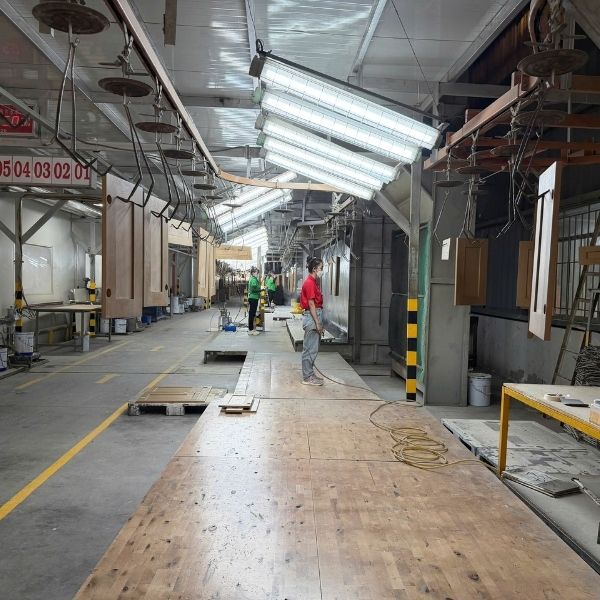
Controlled spray environment and surface inspection reduce finish defects.
The finish surface defines brand perception.
6.1 Painted Finish Process Control
Professional finishing typically includes:
Inspect for:
6.2 Stain and Clear Coat Consistency
For stained cabinets:
Cross-batch sample comparison is strongly recommended.
Cabinet specifications should define:
Misaligned drilling increases installer frustration and field adjustment time.
Specifications must be supported by a documented QC system.
Specifications must be supported by a documented quality control system aligned with internationally recognized standards such as those defined by the International Organization for Standardization (ISO). These frameworks help ensure that manufacturing processes remain consistent, traceable, and scalable across export-oriented cabinet production programs.
Professional export-oriented factories implement:
8.1 Incoming Material Inspection
8.2 In-Line Production Inspection
8.3 Final Pre-Shipment Inspection
Without process verification, specifications remain theoretical.
Before confirming mass production, request:
This approach shifts sourcing from price comparison to operational reliability evaluation.
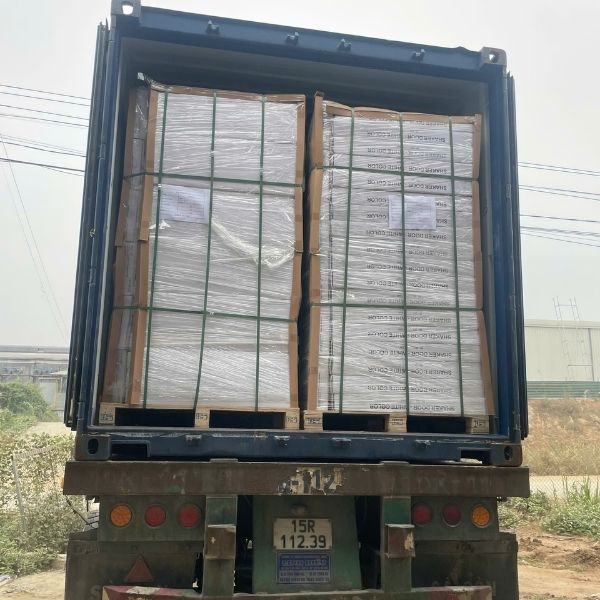
Batch-level tracking ensures consistency across multi-container shipments.
Cabinet specifications should not stop at material description. They must connect directly to long-term structural reliability and production scalability.
Professional buyers should evaluate whether the supplier performs structural validation testing such as shelf load capacity verification, hinge cycle testing, and drawer slide durability checks.
Without performance validation, structural strength remains theoretical.
At the same time, testing capability must align with production scale. A factory capable of producing beautiful samples may struggle to maintain consistency at 10–20 containers per month.
Batch consistency is not a visual question. It is a systems question.
Manufacturing discipline, CNC precision, finishing line structure, and documented in-line QC checkpoints determine whether specifications can be executed repeatedly without deviation.
In global B2B sourcing, repeatability is more valuable than first impressions.
Climate stability is often overlooked in cabinet sourcing but becomes critical in export programs.
Cabinets manufactured in humid regions and shipped to dry or cold climates experience environmental stress. If moisture content is not controlled properly, the result may include:
Export Climate Case:
In one shipment from a humid production region to a dry North American climate, insufficient moisture control resulted in visible door panel cracking within 45 days after installation. Moisture imbalance, rather than finish quality, was identified as the root cause.
Professional cabinet specifications should clearly define solid wood moisture levels and storage conditions before packaging.
Environmental control is not a premium feature. It is a structural safeguard.
The finish surface remains the most visible indicator of cabinet quality and the most frequent trigger of customer complaints.
Beyond appearance, buyers should evaluate durability factors such as scratch resistance, chemical resistance, and heat tolerance.
Equally important is finish uniformity across multiple production cycles, particularly in sheen level and color tone stability.
Many suppliers achieve excellent results in sample production but struggle to maintain identical sheen levels and color uniformity at volume scale.
True finish control requires standardized sanding protocols, controlled spray environments, and defined curing systems.
Without process discipline, visual consistency cannot be sustained.
Many buyers focus heavily on unit pricing during supplier comparison. However, weak cabinet specifications often create hidden downstream costs that exceed initial savings.
For example:
A cabinet with loose tolerances may reduce production cost slightly. But during installation, contractors may spend additional labor hours adjusting door alignment and correcting misfit components.
Similarly, lower-grade plywood may reduce material cost. Yet long-term warping or screw pull-out failures increase warranty claims and replacement expenses.
In large-scale residential or multi-family projects, even a small percentage of defect rate can generate significant financial impact.
Professional sourcing decisions therefore require a shift in perspective:
Instead of asking, “What is the lowest price per cabinet?”
The better question is, “What is the total lifecycle cost per project?”
Cabinet specifications directly influence:
A structured specification review reduces total project risk – not just purchase cost.
A strong cabinet specification is only meaningful if the supplier can execute it consistently.
During factory evaluation or supplier onboarding, professional buyers should ask structured technical questions:
The quality of the supplier’s answers often reveals more than the answers themselves.
A system-driven factory responds with measurable data and documented procedures.
An inexperienced supplier responds with general statements.
Technical clarity signals operational maturity.
One of the most common risks in cabinet sourcing is the “sample-to-mass-production gap.”
Many factories produce excellent pre-production samples. However, once volume production begins, variables increase:
Without strict cabinet specifications and in-line quality control checkpoints, the final shipment may deviate from the approved sample.
Professional buyers reduce this risk by implementing:
Mass production consistency is not accidental.
It is the result of documented process control.
In global cabinet sourcing, the strongest buyer-supplier relationships are built on technical alignment.
When cabinet specifications are clearly defined and mutually understood:
Over time, this specification-based approach transforms the relationship from transactional purchasing to strategic partnership.
Factories that operate with documented construction standards, controlled cabinet tolerances, defined origin of material, and stable finish surface systems are better positioned to support international B2B programs.
For distributors and private-label brands, this stability becomes a competitive advantage.
Technical specifications only create value when supported by structured execution.
In export-scale cabinet manufacturing, execution capability typically includes:
Production scalability must align with technical precision. A factory capable of producing a perfect sample may struggle to maintain identical standards at 10–20 containers per month without system-driven controls.
In global B2B sourcing, execution discipline separates reliable partners from short-term suppliers.
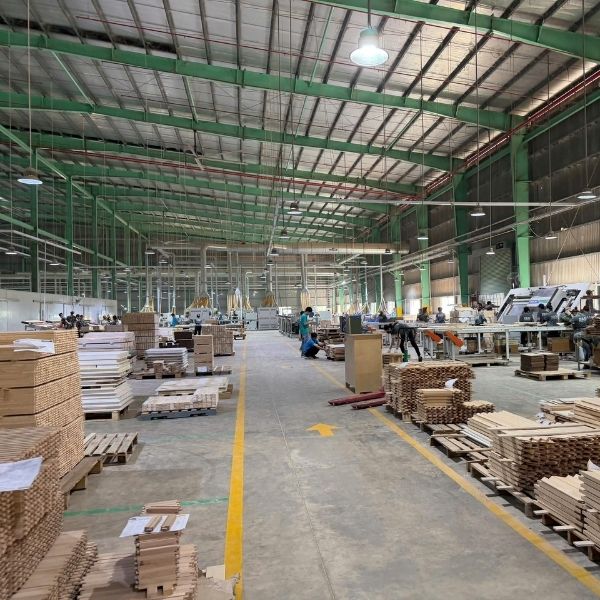
System-driven production enables long-term B2B supply stability.
In global cabinet sourcing, cabinet specifications are not minor technical details but critical evaluation frameworks for professional buyers.
By thoroughly evaluating:
Professional buyers reduce claim ratios, improve installation efficiency, and build long-term stable supply partnerships.
The most reliable cabinet suppliers are not those who promise quality — but those who document it, measure it, and scale it consistently across global programs.
In professional B2B sourcing, structured cabinet specifications are not optional details. They are long-term risk management systems.



 View collection
 View collection
 View collection
 View collection