- Our Products
-
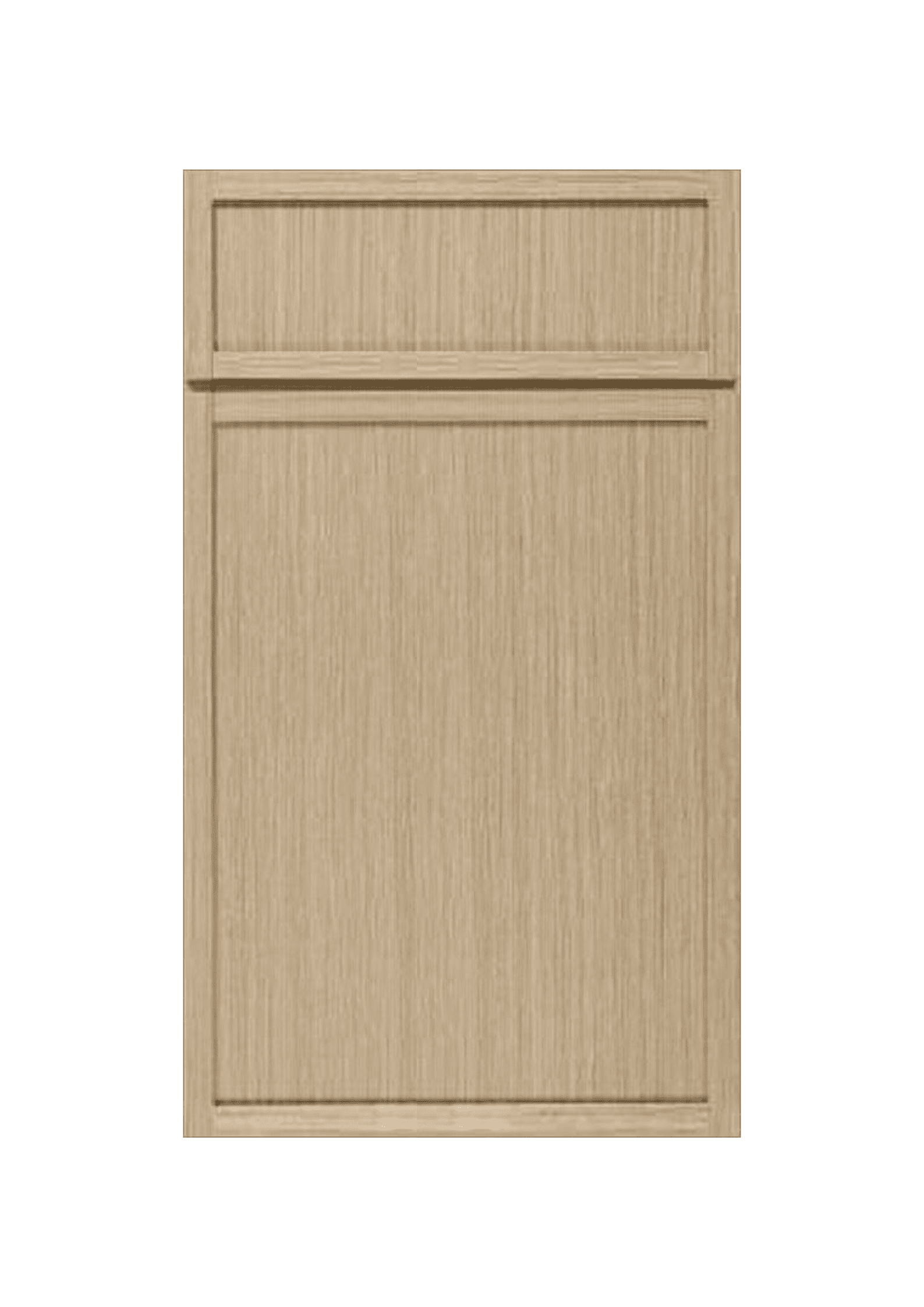
Choose your Cabinet Style
-

In the evolving global construction and renovation market, developers, contractors, and cabinet distributors are under increasing pressure to deliver high-quality results while maintaining strict cost control and project efficiency. As housing demand continues to rise and renovation cycles shorten, the need for practical, scalable solutions has become more important than ever.
One approach that is gaining significant traction across international markets is cabinet refacing. Once considered a simple upgrade option for homeowners, cabinet refacing has now developed into a strategic solution for large-scale B2B applications. From multi-unit residential renovations to hospitality upgrades, it offers a balanced combination of cost savings, speed, and consistent output.
For businesses working with a Vietnam cabinet factory, cabinet refacing also provides an opportunity to streamline manufacturing, optimize logistics, and meet global quality expectations without unnecessary complexity.
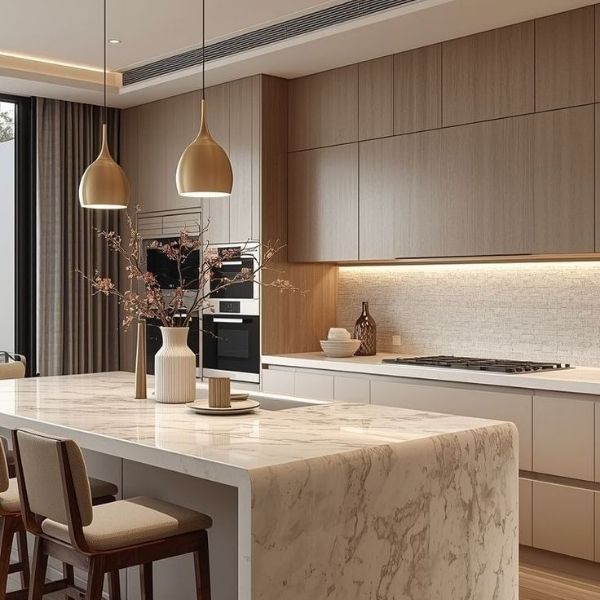
A modern kitchen upgraded through cabinet refacing, delivering a refreshed appearance without full cabinet replacement.
Cabinet refacing is the process of updating the exterior components of cabinets while preserving the original cabinet box structure. Instead of removing and replacing the entire system, contractors focus on visible elements such as cabinet doors, drawer fronts, and surface finishes.
This method allows projects to achieve a completely refreshed appearance without the need for structural demolition. In practical terms, it reduces material usage, shortens installation time, and simplifies project execution.
From a B2B perspective, cabinet refacing is not only a design solution but also an operational decision. It allows developers and contractors to allocate resources more efficiently, focusing investment where it has the greatest visual and functional impact.
In markets where labor costs are high and project timelines are tight, this approach becomes particularly valuable. It enables faster turnaround without compromising overall quality, which is a key requirement for large-scale developments.
The increasing popularity of cabinet refacing is closely tied to changes in buyer expectations and project requirements. Today’s clients expect modern, clean kitchen designs, but they are also highly sensitive to cost and delivery timelines.
Cabinet refacing addresses these expectations by offering a solution that is both efficient and visually effective. Compared to full cabinet replacement, it requires fewer materials and less labor, resulting in lower overall project costs.
At the same time, the reduced installation time allows contractors to complete projects faster. This is especially important in multi-unit developments, where delays in one unit can affect the entire project schedule.
Another factor contributing to the growth of cabinet refacing is sustainability. Environmental considerations are becoming increasingly important in construction, and reducing waste is a key part of this shift. By reusing existing cabinet structures, refacing helps minimize landfill impact and supports more sustainable building practices.
For international buyers, these advantages translate into better project control and improved return on investment, making cabinet refacing a highly attractive option.
Cabinet refacing is a flexible solution that can be applied across a wide range of project types. In residential developments, it allows developers to upgrade kitchen spaces efficiently while keeping costs within target budgets. This is particularly useful in mid-range and large-scale housing projects where consistency and cost control are critical.
In apartment renovations, cabinet refacing provides a practical way to update multiple units quickly. Property managers can maintain a uniform design standard across all units without extended downtime, which helps improve tenant satisfaction and occupancy rates.
Hospitality projects also benefit from this approach. Hotels and serviced apartments often need to refresh their interiors to remain competitive, but full renovations can disrupt operations. Cabinet refacing allows for faster upgrades with minimal impact on daily activities.
Real estate investors frequently use cabinet refacing as part of property improvement strategies. By upgrading kitchen aesthetics without significant structural changes, they can increase property value and reduce renovation timelines.
These diverse applications demonstrate how cabinet refacing has evolved into a versatile solution that meets the needs of different sectors within the construction and real estate industries.
The success of a cabinet refacing project depends heavily on the materials used and the quality of manufacturing. For B2B buyers, selecting the right materials is a critical step in ensuring durability, consistency, and market acceptance.
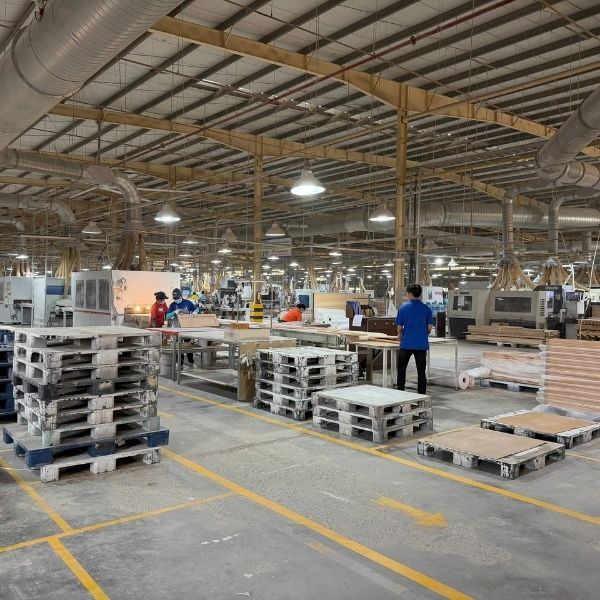
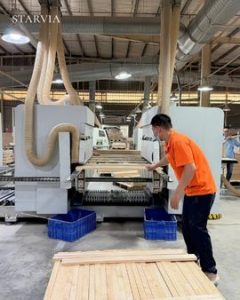
Standardized production of cabinet doors and panels for cabinet refacing in a Vietnam-based manufacturing facility.
Wood veneer is often chosen for projects that require a natural and premium appearance. It offers an authentic look that appeals to higher-end markets, but it also requires precise processing and finishing to maintain quality.
Laminate is one of the most widely used materials in cabinet refacing due to its durability and cost efficiency. It is available in a wide range of designs, allowing manufacturers to meet diverse style requirements while maintaining production efficiency.
Thermofoil and rigid thermofoil (RTF) are also popular choices, particularly for modern kitchen designs. These materials provide a smooth, seamless finish and are resistant to moisture, making them suitable for high-usage environments.
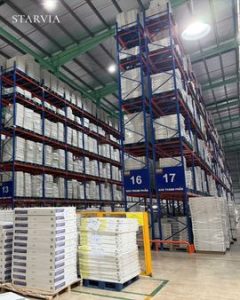
For international buyers working with a Vietnam cabinet factory, it is important to ensure that the manufacturer has the capability to maintain consistent material quality across large production volumes. This includes proper sourcing, advanced machinery, and strict quality control processes.
Cabinet refacing offers several operational benefits that align well with global sourcing strategies. One of the most important advantages is standardization. Components such as cabinet doors and panels can be produced in consistent sizes, simplifying both manufacturing and inventory management.
This level of standardization allows businesses to scale production more efficiently while maintaining consistent quality across different projects. It also reduces the risk of errors during installation, which is particularly important for large-scale developments.
Shipping efficiency is another key benefit. Compared to fully assembled cabinets or even RTA cabinet systems, refacing components are more compact and easier to transport. This helps reduce logistics costs and improve container utilization, which is a significant advantage in international trade.
In addition, cabinet refacing allows for flexible customization. Manufacturers can offer a variety of finishes and styles without requiring complete redesigns of cabinet structures. This flexibility enables brands to adapt to different market preferences while maintaining a stable production process.
Although cabinet refacing is less complex than full cabinet replacement, proper installation remains essential to achieving a high-quality result. Accurate measurement of existing cabinets is critical to ensure that new components fit perfectly.
Surface preparation is another important step. Cabinet frames must be properly cleaned and leveled to ensure strong adhesion of veneers or laminates. Any inconsistency at this stage can affect the durability and appearance of the final product.
Alignment of doors and drawer fronts must also be handled with precision. Even small misalignments can impact both functionality and visual quality, which can be problematic in large-scale projects.
For contractors managing multiple installations, establishing standardized procedures is key to maintaining consistency. Working with experienced manufacturers who provide detailed specifications and support can further improve project outcomes.
While cabinet refacing offers many advantages, it is important to understand its limitations and how it compares to full cabinet replacement. Each approach serves different purposes depending on project requirements.
Cabinet refacing is ideal for projects where the existing cabinet structure is still in good condition and the primary goal is to update the appearance. It provides a cost-effective and efficient solution with minimal disruption.
Full cabinet replacement, on the other hand, is more suitable for projects that require structural changes, layout modifications, or completely new designs. Although it involves higher costs and longer timelines, it offers greater flexibility.
For many B2B buyers, the decision is not about choosing one method over the other, but about selecting the most appropriate solution based on specific project conditions. In many cases, cabinet refacing can complement full cabinet manufacturing as part of a broader project strategy.
Several global trends are contributing to the increasing demand for cabinet refacing. Minimalist design continues to dominate modern kitchens, with clean lines and neutral color palettes becoming standard preferences across many markets.
Matte finishes are also gaining popularity due to their modern appearance and practical benefits, such as reduced visibility of fingerprints and scratches. These finishes are particularly suitable for high-traffic environments.
Integrated hardware systems, including handle-less designs, are becoming more common. These designs require precise manufacturing and installation, highlighting the importance of working with experienced suppliers.
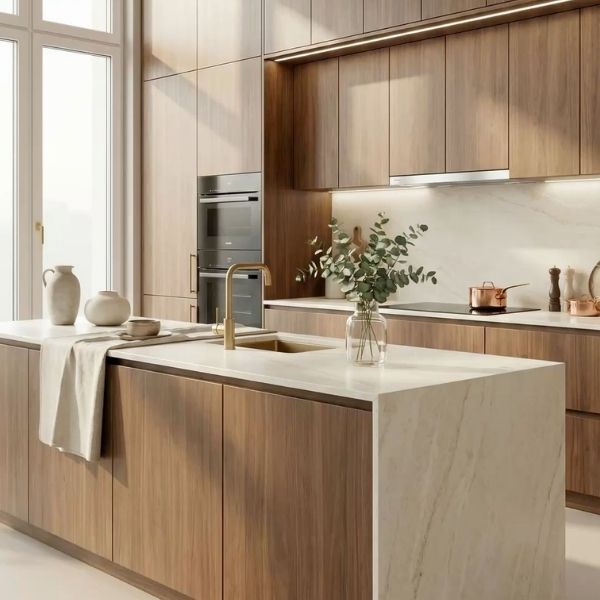
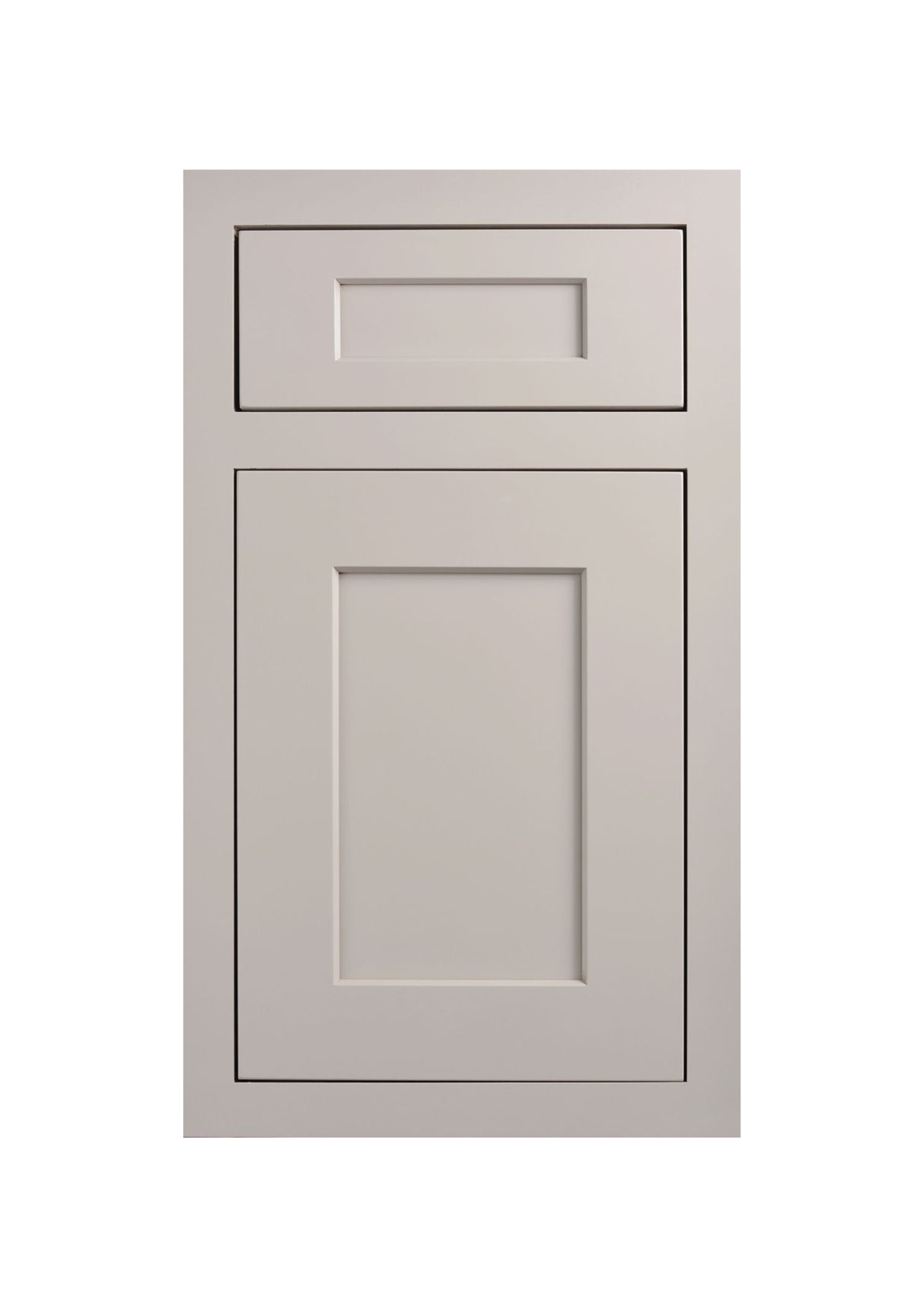
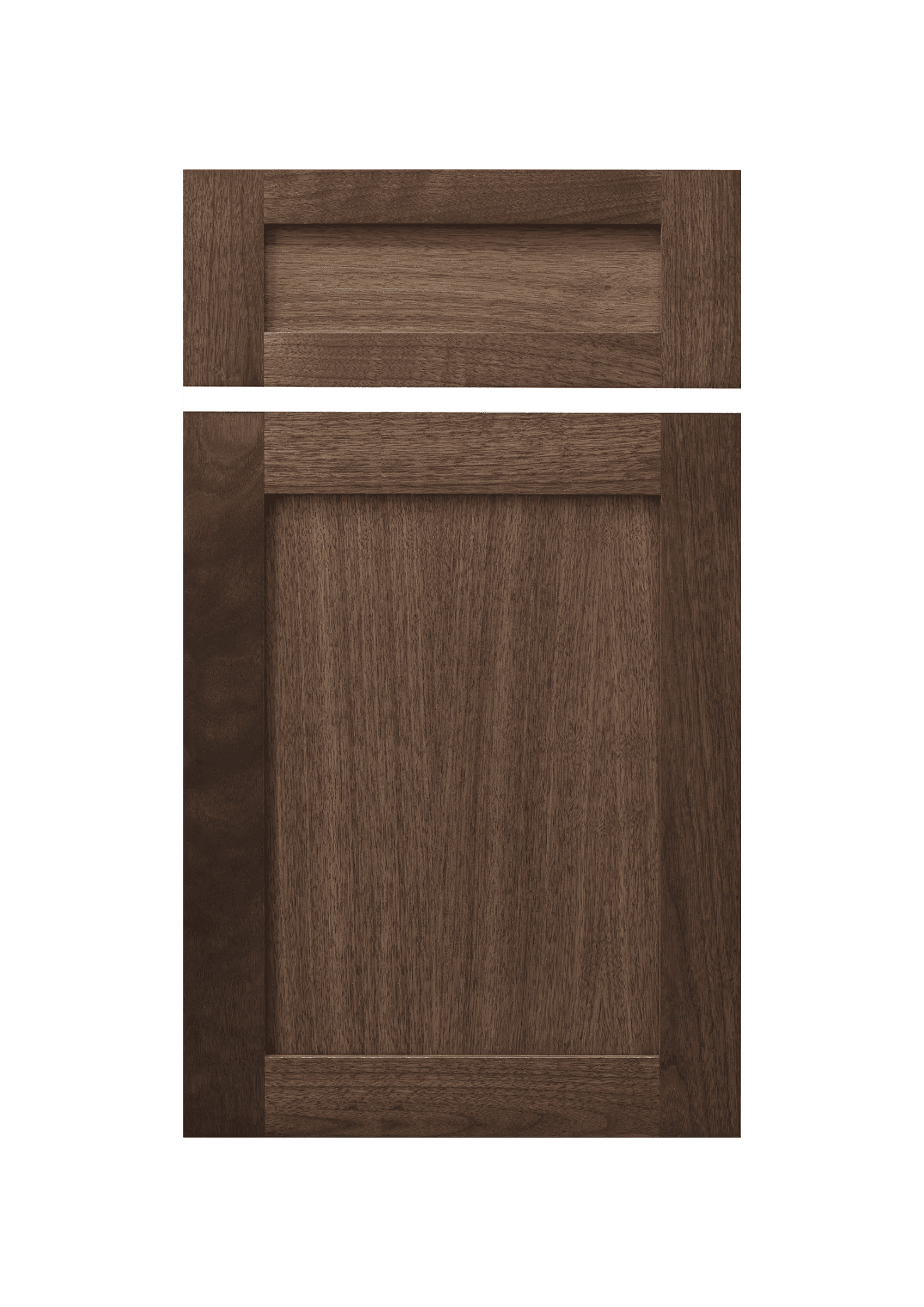
A selection of laminate and wood veneer finishes commonly used in cabinet refacing projects.
Sustainability remains a major driver of industry change. Buyers are increasingly looking for materials and processes that reduce environmental impact. Cabinet refacing aligns well with these goals by minimizing waste and extending the lifecycle of existing cabinet structures.
Many cabinet refacing projects today also prioritize certified materials, such as FSC-certified wood, to ensure responsible sourcing and long-term sustainability.
Choosing the right manufacturing partner is a critical factor in the success of cabinet refacing projects. For international buyers, this decision can directly impact product quality, delivery timelines, and overall project performance.
A capable Vietnam cabinet factory can offer significant advantages, including competitive pricing, skilled labor, and access to modern production technology. Many manufacturers in Vietnam have developed strong expertise in cabinet manufacturing and export processes, making them reliable partners for global buyers.
When evaluating potential suppliers, businesses should consider factors such as production capacity, material sourcing, quality control systems, and experience with international markets. Consistency is particularly important for large-scale projects, where even small variations can affect overall results.
Building long-term partnerships with reliable manufacturers allows businesses to achieve greater stability in their supply chains and improve efficiency across multiple projects.
Cabinet refacing has become a practical and scalable solution for modern kitchen upgrades, offering a strong balance between cost efficiency, speed, and sustainability. For developers, contractors, and cabinet distributors, it provides a way to deliver high-quality results without the complexity and expense of full cabinet replacement.
As global demand for efficient renovation solutions continues to grow, cabinet refacing is likely to play an increasingly important role in the industry. Its ability to support large-scale applications while maintaining consistency and cost control makes it particularly valuable for B2B buyers.
For companies working with a Vietnam cabinet factory, integrating cabinet refacing into their sourcing strategy can unlock long-term advantages in both production and project execution. Rather than relying on aggressive marketing claims, the value of this approach lies in its practical performance, operational efficiency, and ability to meet the evolving needs of global markets.


 View collection
 View collection
 View collection
 View collection