- Our Products
-
Choose your Cabinet Style
-

In the global cabinet industry, shipping damage is one of the most common challenges faced by distributors, contractors, and cabinet retailers. Even when cabinets are manufactured with high precision and quality materials, damage can still occur during transportation if packaging is not properly designed.
For companies sourcing cabinets internationally, cabinet packaging for export plays a crucial role in protecting products throughout the supply chain. Cabinets often travel thousands of kilometers before reaching their final destination. During this journey, they pass through several handling stages including factory loading, port operations, ocean freight, customs clearance, and local delivery.
Each stage introduces risks such as vibration, stacking pressure, humidity exposure, and accidental impacts. Without proper cabinet shipping protection, cabinets may arrive with scratches, dented panels, or damaged corners. These issues can disrupt project timelines and increase operational costs for distributors and developers.
This is why professional manufacturers place strong emphasis on export cabinet packaging systems. Reliable packaging ensures that cabinets remain protected from the moment they leave the factory until they reach installation sites.
Manufacturers such as Starvia Cabinet, a growing Vietnam Cabinet Factory, have invested in modern packaging solutions specifically designed for international shipping. These systems help reduce shipping damage rates while maintaining the overall quality of cabinet products.
Understanding how cabinet packaging for export works is essential for buyers who want to ensure reliable supply chains and minimize logistics risks.
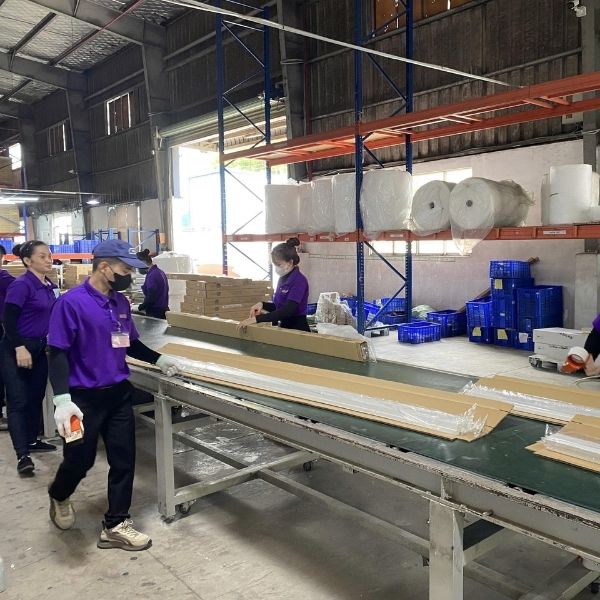
Cabinets being packed with protective materials before export shipping.
Shipping cabinets internationally involves more complexity than domestic delivery. Long-distance transportation introduces multiple risk factors that can affect product quality.
When cabinets arrive damaged, distributors often face several operational and financial challenges.
These may include:
In large residential or commercial projects, even a small number of damaged cabinets can disrupt installation timelines. Replacement shipments may take weeks, which can slow down the entire construction process.
This is why investing in high-quality cabinet packaging for export is essential for maintaining efficiency in international cabinet supply chains.
Cabinets are large furniture components with finished surfaces, hardware systems, and structural panels. Several characteristics make them vulnerable during shipping.
Export shipments typically pass through many handling points. Products may be moved between trucks, warehouses, and containers several times before arriving at the destination.
Each handling stage increases the possibility of accidental impact. Without proper cabinet shipping protection, cabinet corners and edges may suffer damage.
Ocean shipping can take several weeks depending on the shipping route. During this time, cargo inside containers is exposed to constant vibration and movement.
Temperature fluctuations and humidity levels can also affect wood-based products. Reliable export cabinet packaging must be able to protect cabinets from these environmental factors.
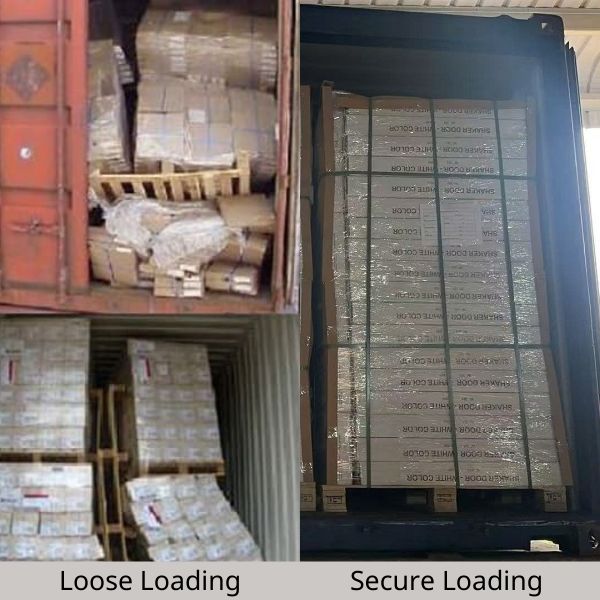
Secure container loading is essential in cabinet packaging for export to reduce shipping damage during international transportation.
Shipping containers are loaded efficiently to maximize space. Products are often stacked on top of each other to optimize transportation costs.
If packaging structures are not strong enough, stacking pressure can cause panel deformation or cabinet misalignment. This is another reason why cabinet packaging for export must be carefully engineered.
Professional cabinet manufacturers rely on multiple protective materials to create effective packaging systems.
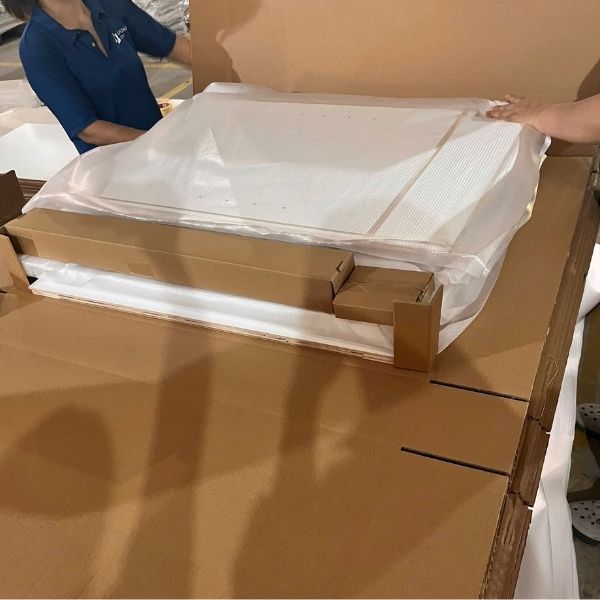
Multi-layer cabinet packaging for export helps protect cabinet panels during long-distance transportation.
A typical cabinet packaging for export system includes several layers designed to absorb shock and prevent direct pressure on cabinet surfaces.
Common materials include:
Each layer plays a role in reducing movement and protecting cabinet components during transportation.
Multi-layer packaging structures are widely used in export cabinet packaging because they provide flexibility and strong protection at the same time.
Cabinet corners are among the most vulnerable areas during shipping.
Even small impacts can lead to chipped edges or visible dents. To reduce this risk, manufacturers add special corner protection elements.
These may include:
Such features significantly improve cabinet shipping protection, especially when cabinets are stacked or moved frequently.
Humidity is a major concern during ocean freight.
Wood-based cabinets may absorb moisture, which can lead to swelling, surface damage, or mold development. To prevent these issues, export cabinet packaging often includes moisture control features.
Typical solutions include:
These methods help maintain stable conditions inside the packaging and protect cabinets during long transportation periods.
Different packaging methods are used depending on whether cabinets are shipped assembled or disassembled.
Flat-pack packaging is widely used in the international cabinet trade, particularly for RTA cabinet systems.
In this method, cabinets are disassembled into panels before packaging. These panels are then stacked and protected using foam layers and carton structures.
Flat-pack systems offer several advantages:
Because components are packed tightly together, movement inside the packaging is minimized during transit.
Some distributors prefer cabinets to be shipped fully assembled. While this approach reduces installation time, it requires stronger export cabinet packaging.
Assembled cabinets often use:
These solutions ensure that cabinet structures remain stable throughout shipping.
Export-oriented cabinet factories continuously improve packaging systems to reduce damage rates.
Advanced manufacturers treat packaging design as an engineering process rather than a simple packing step.
Packaging engineers evaluate factors such as:
Testing procedures such as drop tests and vibration simulations help determine whether cabinet packaging for export can withstand real shipping conditions.
Manufacturing accuracy also improves packaging performance.
Factories specializing in Cabinet Manufacturing use CNC machinery and automated cutting systems to produce components with precise dimensions.
When cabinet components fit tightly inside packaging structures, internal movement is minimized, improving overall cabinet shipping protection.
Some modern factories now use automated packaging lines to ensure consistent packaging quality.
Automation helps maintain standardized packaging structures across large production volumes. This consistency reduces human error and ensures that every shipment follows the same cabinet packaging for export standards.
Packaging is not the only factor affecting shipping durability. Cabinet finishing quality also plays an important role.
Cabinets with high-quality surface finishes are more resistant to scratches and impact during transportation.
Modern cabinet factories often use advanced finishing technologies such as:
These finishes provide additional durability that works together with export cabinet packaging to protect cabinet surfaces.
A controlled finishing environment helps maintain consistent surface quality.
Professional cabinet factories operate:
These practices help ensure cabinet finishes remain stable throughout packaging and shipping processes.
In recent years, Vietnam has become one of the fastest-growing cabinet manufacturing hubs in the global market.
Many international buyers choose to source cabinets from a Vietnam Cabinet Factory due to several advantages.
These include:
As export demand increases, Vietnamese manufacturers continue improving their cabinet packaging for export systems to meet international standards.
These improvements help reduce shipping damage while ensuring product quality for global buyers.
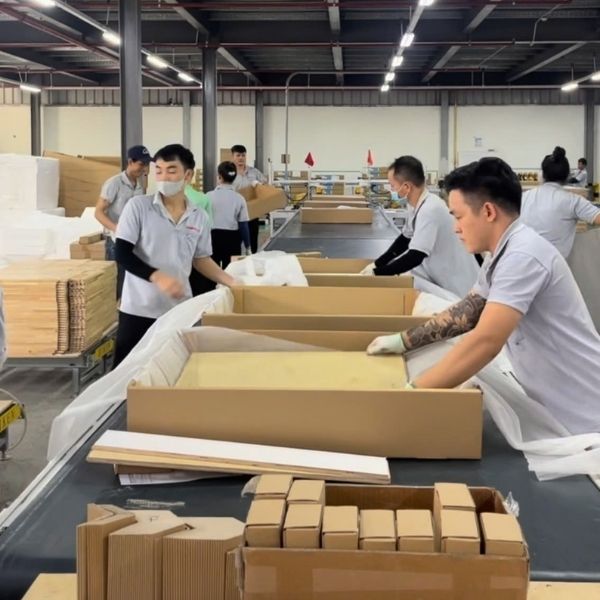
Modern cabinet factories use standardized packaging lines for export shipments.
Among Vietnam’s emerging cabinet manufacturers, Starvia Cabinet has developed strong capabilities in both cabinet production and export logistics.
Starvia Cabinet produces a wide range of cabinet products for international markets.
Its manufacturing portfolio includes:
The factory uses modern CNC machinery and automated production lines to ensure consistent manufacturing quality.
To support global shipments, Starvia Cabinet implements structured cabinet packaging for export systems designed specifically for international transportation.
These systems include:
Such features provide reliable cabinet shipping protection during long-distance shipping.
Before cabinets are shipped internationally, they go through several inspection stages.
Quality control procedures typically include:
These processes ensure cabinets leave the factory in optimal condition.
Responsible material sourcing also plays a role in export cabinet production. Many manufacturers use wood materials that comply with international sustainability standards such as FSC certification, which helps ensure the timber comes from responsibly managed forests.
For cabinet distributors and importers, evaluating packaging quality is an important part of supplier selection.
Buyers should request packaging samples to examine carton strength, internal protection materials, and packaging structure.
Professional manufacturers should be able to explain their packaging testing procedures. This helps buyers determine whether cabinet packaging for export can withstand international shipping conditions.
Factories with export experience typically invest more in export cabinet packaging, which reduces shipping damage and improves supply chain reliability.
Shipping damage remains a major challenge in the international cabinet industry. Even high-quality cabinets can suffer damage if packaging systems are not designed for long-distance transportation.
Reliable cabinet packaging for export provides essential cabinet shipping protection, safeguarding cabinet components from impact, vibration, humidity, and stacking pressure.
For distributors and developers sourcing cabinets globally, choosing manufacturers with strong packaging capabilities is critical. Experienced suppliers combine modern Cabinet Manufacturing technology with professional export cabinet packaging systems to ensure reliable deliveries.
As international cabinet trade continues to grow, well-designed packaging will remain a key factor in reducing shipping damage and maintaining efficient supply chains.




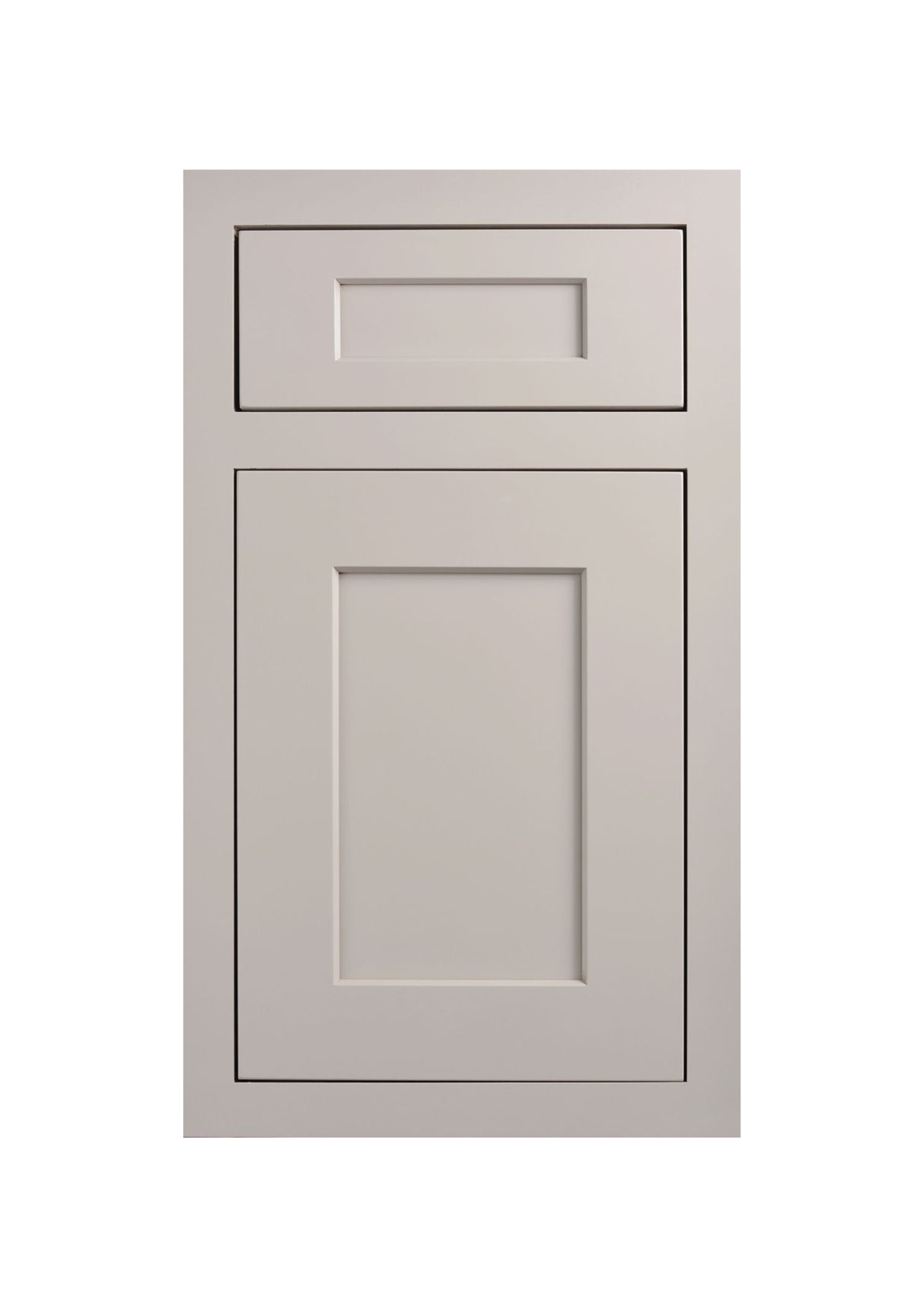 View collection
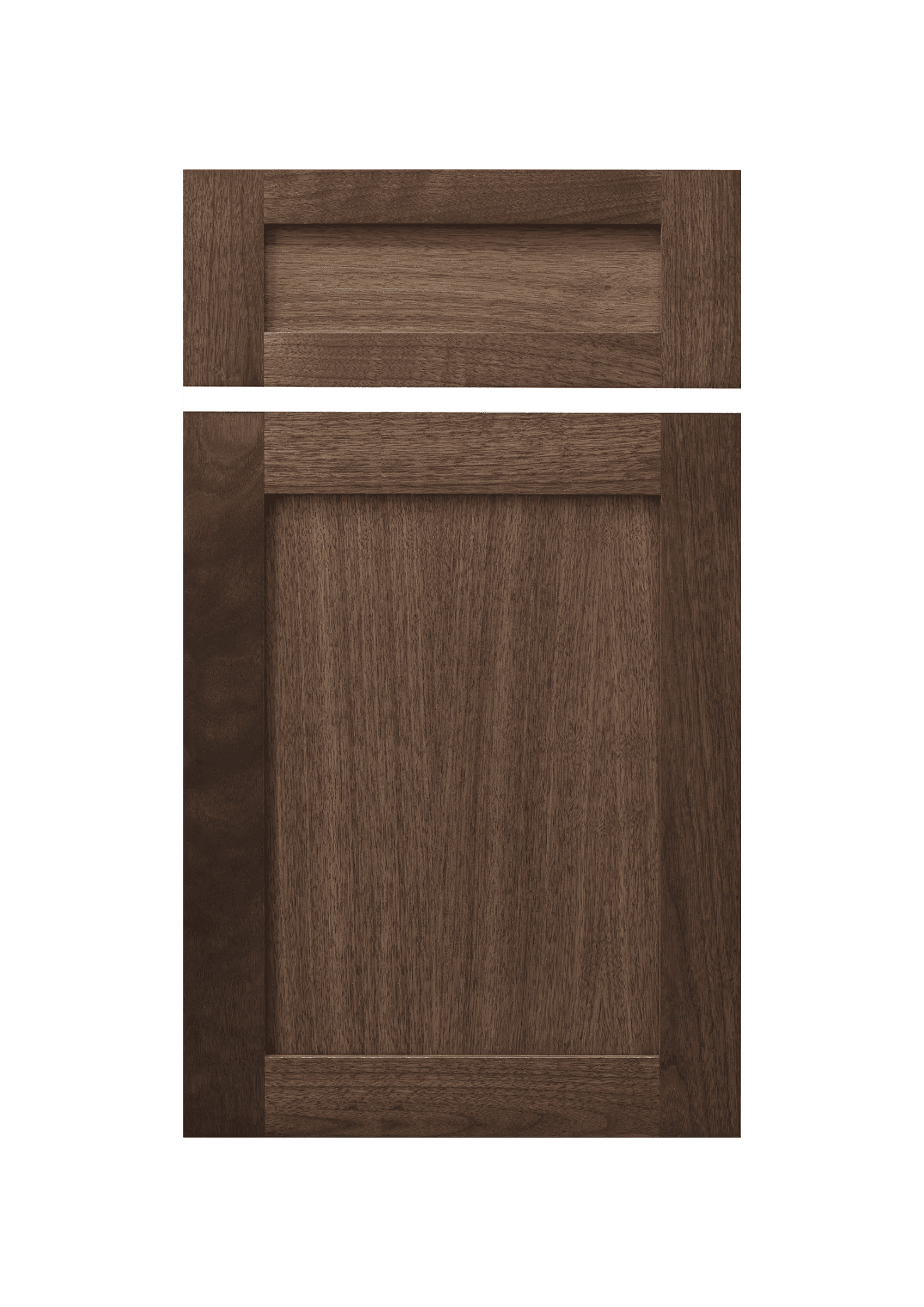 View collection
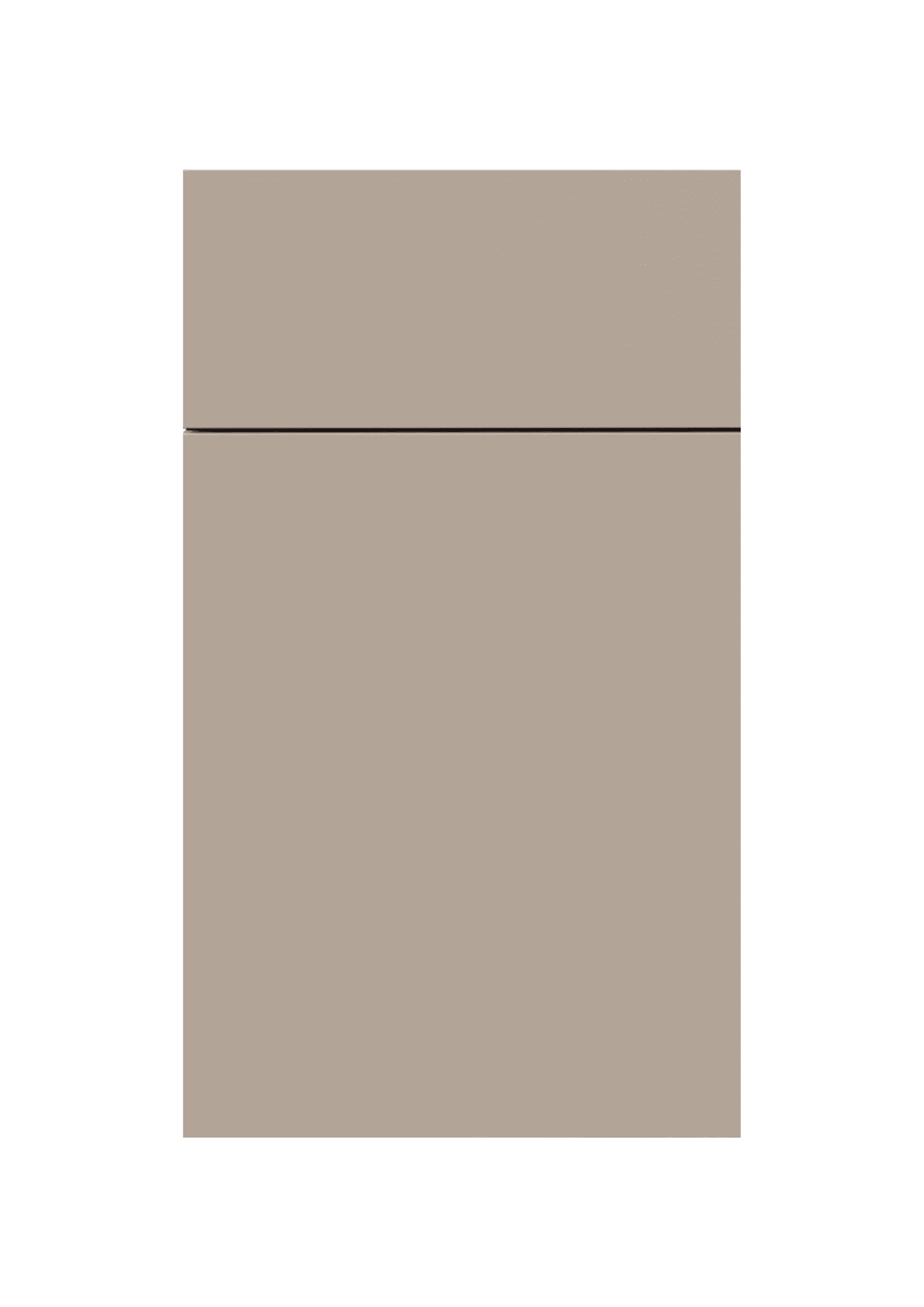 View collection
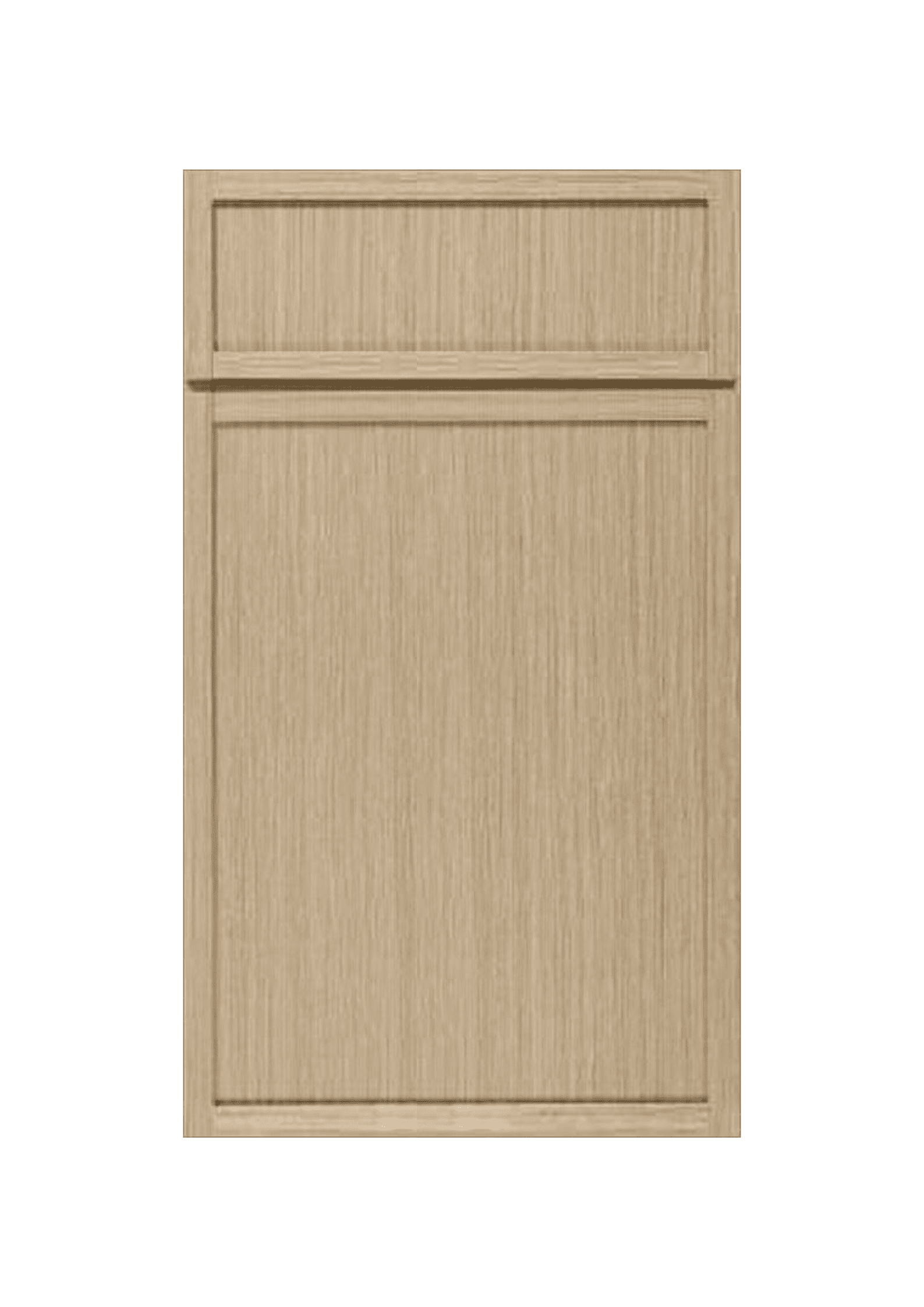 View collection