- Our Products
-
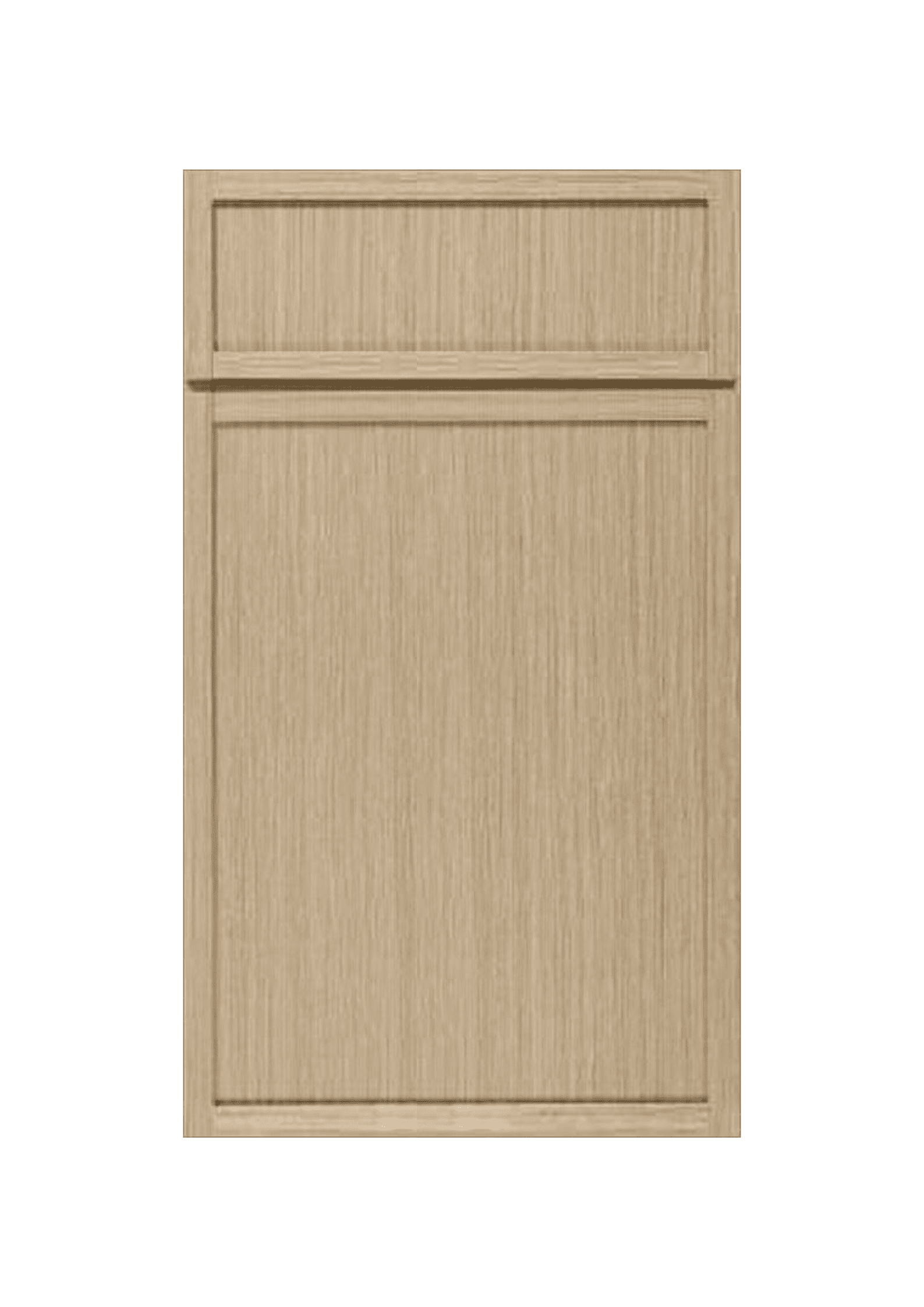
Choose your Cabinet Style
-

Kitchen cabinets experience constant exposure to heat, grease, humidity, water splashes, and daily cleaning. Because of this, cabinet finishes require far more durability than ordinary wall paint. Choosing the best paint for kitchen cabinets is not only about appearance — it directly affects long-term maintenance, surface protection, and overall kitchen performance.
A high-quality cabinet finish should resist scratches, moisture damage, stains, and repeated wear while maintaining a smooth and consistent appearance over time. Poor paint selection often causes peeling edges, yellowing surfaces, uneven sheen, or premature chipping.
This guide explains the most durable cabinet paint options, compares common finishes, and outlines the factors that influence long-term cabinet performance.
Kitchen cabinetry is one of the most heavily used elements in any home. Cabinet doors and drawers are opened repeatedly every day, while cooking steam and grease continuously affect painted surfaces. Unlike walls, cabinets must tolerate frequent touching, cleaning, and moisture exposure without losing their finish quality.
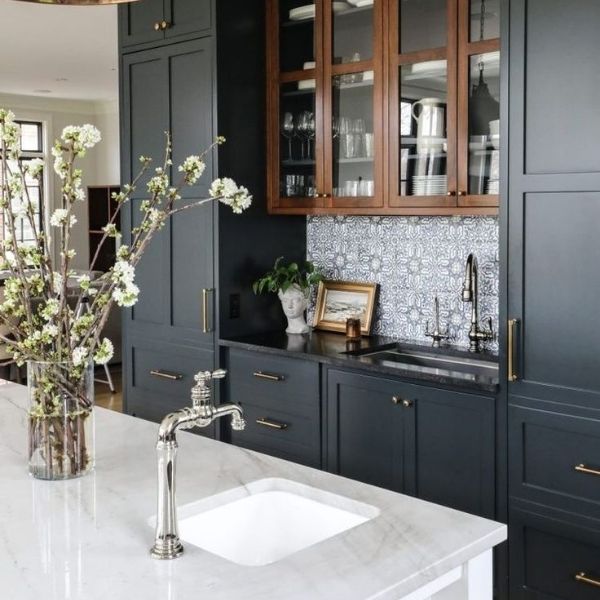
High-quality cabinet paint improves durability and moisture resistance
The best paint for kitchen cabinets should provide strong adhesion, moisture resistance, scratch protection, and long-term color stability. A durable cabinet coating should also be easy to clean and capable of maintaining a smooth appearance after years of use.
Cabinet paint is only one part of the finishing system. Surface preparation, primer quality, curing conditions, and application technique all influence how well the finish performs over time. Even premium paint can fail if the surface is not prepared correctly or if curing conditions are poor.
Factory-finished cabinetry often delivers better durability because professional spray systems and controlled curing environments create more consistent results. Homeowners who want long-lasting painted cabinetry usually benefit from professionally applied finishing systems rather than basic onsite painting methods.
If you are comparing cabinet finish styles, you can also explore painted kitchen cabinets for additional inspiration and design considerations.
Several paint systems are commonly used for kitchen cabinetry, but not all offer the same level of durability or moisture protection.
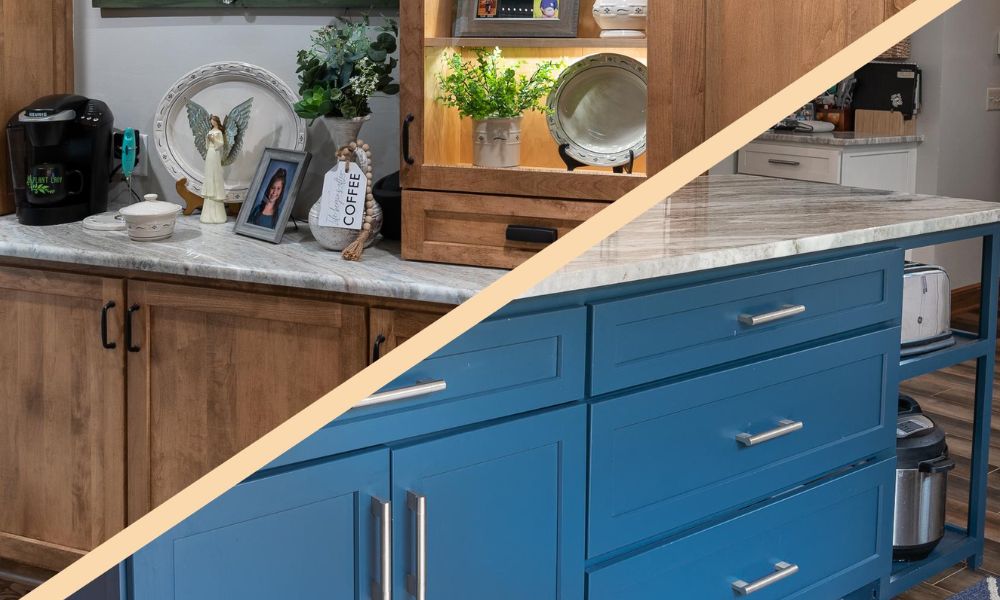
Comparing acrylic and enamel paint finishes for kitchen cabinetry
Acrylic paint is one of the most widely used water-based options for residential kitchens. It dries quickly, produces lower odor during application, and maintains color stability better than many traditional coatings. Modern acrylic formulations have improved significantly in hardness and washability, making them suitable for many residential cabinet projects. Acrylic paint is especially effective for white or light-colored cabinetry because it resists yellowing over time.
Enamel paint is known for creating a harder and smoother finish surface. Many professionals consider enamel coatings among the best paint for kitchen cabinets because they provide stronger scratch resistance and better long-term durability. Enamel systems are easier to clean and more resistant to grease, stains, and repeated wiping. Modern enamel coatings are available in both oil-based and waterborne formulas, allowing homeowners to balance durability with environmental performance.
The choice between acrylic and enamel depends largely on kitchen usage, maintenance expectations, and desired finish appearance. Acrylic systems work well for lower-maintenance residential projects, while enamel coatings are often preferred for high-traffic kitchens that require stronger surface protection.
Acrylic and enamel paints are frequently compared because both are widely used in cabinet finishing. However, they perform differently under long-term kitchen conditions.
Acrylic paint performs well in kitchens where low odor, faster drying times, and stable color retention are priorities. It is commonly selected for modern interiors that use light neutral finishes and contemporary color palettes. Acrylic coatings also tend to remain more flexible, which may help reduce cracking over time.
Enamel paint focuses more heavily on surface hardness and durability. Once fully cured, enamel coatings generally provide stronger protection against scratches, impact damage, and frequent cleaning. This makes enamel particularly suitable for busy kitchens where cabinetry experiences constant use.
For families with children or heavy daily cooking activity, enamel is often considered the best paint for kitchen cabinets because it tolerates wear more effectively. However, modern high-quality acrylic enamel hybrids can also provide excellent durability while maintaining the advantages of water-based technology.
The final choice should consider kitchen traffic levels, moisture exposure, maintenance requirements, and overall design goals.
Paint chemistry has a major impact on cabinet durability, curing behavior, and long-term appearance.
Traditional oil-based paint was once considered the industry standard for cabinetry because of its smooth leveling and durable cured finish. Oil-based coatings adhere well to wood surfaces and create a professional furniture-like appearance. They also provide strong resistance against wear and abrasion.
Despite these advantages, oil-based systems also have several drawbacks. They produce stronger odors, require longer drying times, and contain higher VOC levels. Over time, oil-based coatings also tend to yellow, especially on white cabinetry or in kitchens with limited natural sunlight.
Water-based cabinet paint has become increasingly popular because modern coating technology has improved significantly. High-performance waterborne enamel systems now provide excellent durability while reducing many of the disadvantages associated with oil paint.
Water-based cabinet finishes dry faster, maintain color stability better, and produce lower odor during application. They are also easier to clean and generally more environmentally friendly. Because of these benefits, many professional cabinet manufacturers now use advanced waterborne systems for factory finishing.
For most modern residential kitchens, waterborne enamel coatings are considered among the best paint for kitchen cabinets because they combine durability, color retention, and easier maintenance.
Cabinet sheen affects both appearance and long-term maintenance.
Satin finishes create a softer and more contemporary appearance. They diffuse light gently and help reduce the visibility of small surface imperfections. Satin cabinet finishes are especially popular in modern and minimalist kitchens where softer reflections create a cleaner visual effect.
Semi-gloss finishes remain one of the most practical options for kitchen cabinetry because they provide stronger moisture resistance and easier cleaning. Their smoother surface helps prevent grease and stains from penetrating the finish, making routine maintenance easier.
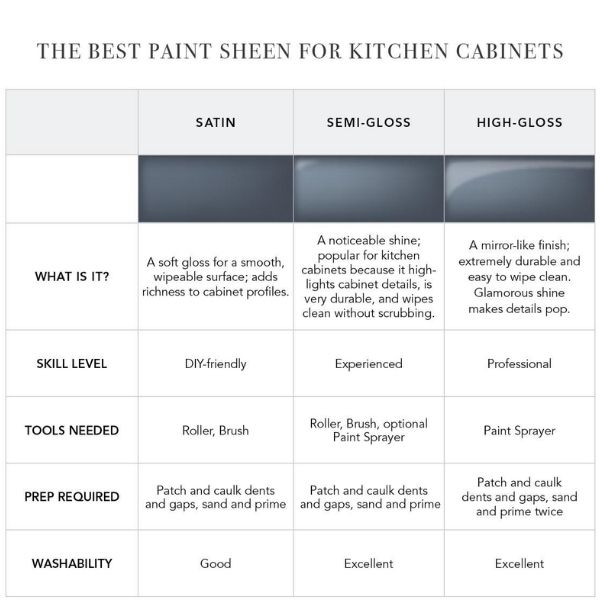
Satin and semi-gloss finishes create different visual effects in kitchen cabinetry
Semi-gloss also reflects more light, helping kitchens appear brighter and more open. For households with heavy daily use, semi-gloss is often recommended as the best paint finish for kitchen cabinets because it balances durability with cleanability.
The choice between satin and semi-gloss usually depends on the desired visual style and the amount of maintenance the homeowner expects.
Moisture is one of the leading causes of cabinet finish failure. Cooking steam, sink splashes, dishwasher heat, and humidity fluctuations continuously stress painted surfaces. Poorly sealed cabinetry may absorb moisture over time, leading to swelling, peeling, cracking, or delamination.
The best paint for kitchen cabinets should create a protective barrier that prevents moisture from penetrating cabinet edges and joints. This protection is especially important for MDF cabinet doors because exposed MDF edges absorb water very quickly when not properly sealed.
High-quality cabinet finishing systems usually involve multiple layers, including careful sanding, moisture-resistant primer, several paint coats, and controlled curing conditions. Each stage improves the overall durability and stability of the cabinet surface.
Durability testing is also an important part of professional cabinet manufacturing. High-performance cabinet finishes are commonly tested for scratch resistance, chemical resistance, adhesion strength, and UV stability. These tests help determine how well the coating will perform after years of cleaning, moisture exposure, and everyday use.
Cabinet finishes with poor adhesion often chip or peel around edges and corners, while low-quality coatings may discolor under sunlight exposure. Durable finishes should maintain both color consistency and surface smoothness over time.
The finishing environment has a major influence on cabinet quality and durability.
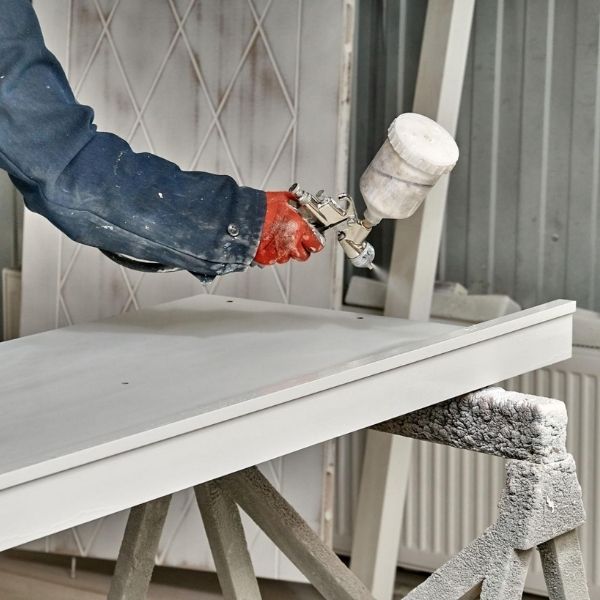
Factory-finished cabinets typically provide more consistent durability
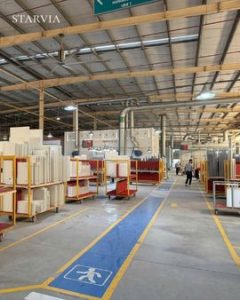
Factory-painted cabinets are produced using professional spray equipment in controlled environments. This allows manufacturers to maintain consistent coating thickness, stable curing temperatures, and cleaner application conditions. Professional factories also use advanced industrial coatings that are difficult to replicate with onsite painting methods.
As a result, factory-finished cabinetry generally provides smoother surfaces, stronger adhesion, and longer-lasting durability. Homeowners looking for premium cabinet performance often benefit from professionally manufactured finishes.
If you are exploring modern cabinet aesthetics, modern painted cabinets offers additional inspiration for contemporary painted kitchen styles.
Onsite cabinet painting can still improve older kitchens and is often more affordable than full cabinet replacement. However, onsite finishing introduces several limitations, including inconsistent environmental conditions, dust contamination, and reduced curing control. Even skilled painters may struggle to achieve the same level of finish consistency as professional cabinet factories.
Because of this, factory-applied coatings are usually considered more reliable for long-term kitchen performance.
Many cabinet finish problems are caused by improper preparation or application techniques rather than the paint itself.
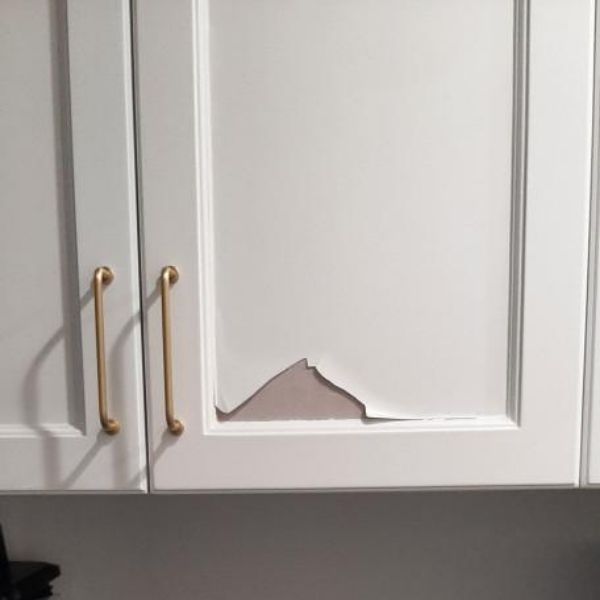
Poor preparation and incorrect paint selection can damage cabinet finishes
Poor surface preparation is one of the most common mistakes. Cabinets often contain grease residue, cooking oils, or contaminants that reduce paint adhesion. Without proper cleaning and sanding, paint may peel prematurely.
Skipping primer is another major issue. Primer improves adhesion, moisture resistance, and surface consistency. Without primer, cabinet paint may absorb unevenly or fail to bond correctly.
Using standard wall paint on cabinets is also a frequent mistake. Wall paint is not designed for repeated touching, cleaning, or moisture exposure. Cabinets finished with ordinary wall paint often scratch easily and become difficult to maintain.
Another common problem is rushing the curing process. Cabinet paint may feel dry within hours, but full curing often requires several weeks. Heavy use before curing is complete can permanently damage the finish surface.
Choosing the wrong sheen can also affect long-term performance. Extremely flat finishes may absorb stains more easily, while overly glossy finishes can emphasize imperfections and fingerprints.
The ideal cabinet paint depends on kitchen usage, maintenance expectations, and overall design goals.
For busy family kitchens, waterborne enamel coatings with semi-gloss finishes generally provide the best balance of durability and cleanability. For modern minimalist interiors, satin finishes and smooth spray-applied coatings often create a softer and more contemporary appearance.
Luxury cabinet projects typically benefit from factory-applied finishes with professional curing systems and industrial-grade coatings. Homeowners completing DIY refinishing projects may prefer simpler water-based systems that dry faster and produce lower odor during application.
Understanding these differences helps homeowners choose the best paint for kitchen cabinets based on both aesthetics and long-term performance requirements.
Choosing the best paint for kitchen cabinets involves far more than selecting a color. Durability, moisture resistance, adhesion quality, curing performance, and finish chemistry all influence how cabinetry performs over time.
Modern waterborne enamel systems have become one of the most reliable choices for residential kitchens because they combine strong durability with long-term color stability and easier maintenance. Satin and semi-gloss finishes remain the most practical options for balancing appearance and functionality.
Many modern kitchens now use waterborne enamel systems because they dry faster, resist yellowing, and maintain a smoother finish over time. Major coating brands like Sherwin-Williams have also shifted toward advanced low-VOC cabinet paint technologies for residential applications.
Although onsite cabinet painting can refresh existing kitchens, factory-finished cabinetry generally delivers more consistent durability because of controlled application and curing conditions.
A properly finished cabinet system should maintain its appearance through years of cooking, cleaning, humidity, and everyday use. Investing in the right cabinet paint helps ensure long-term protection, easier maintenance, and a more durable kitchen environment.
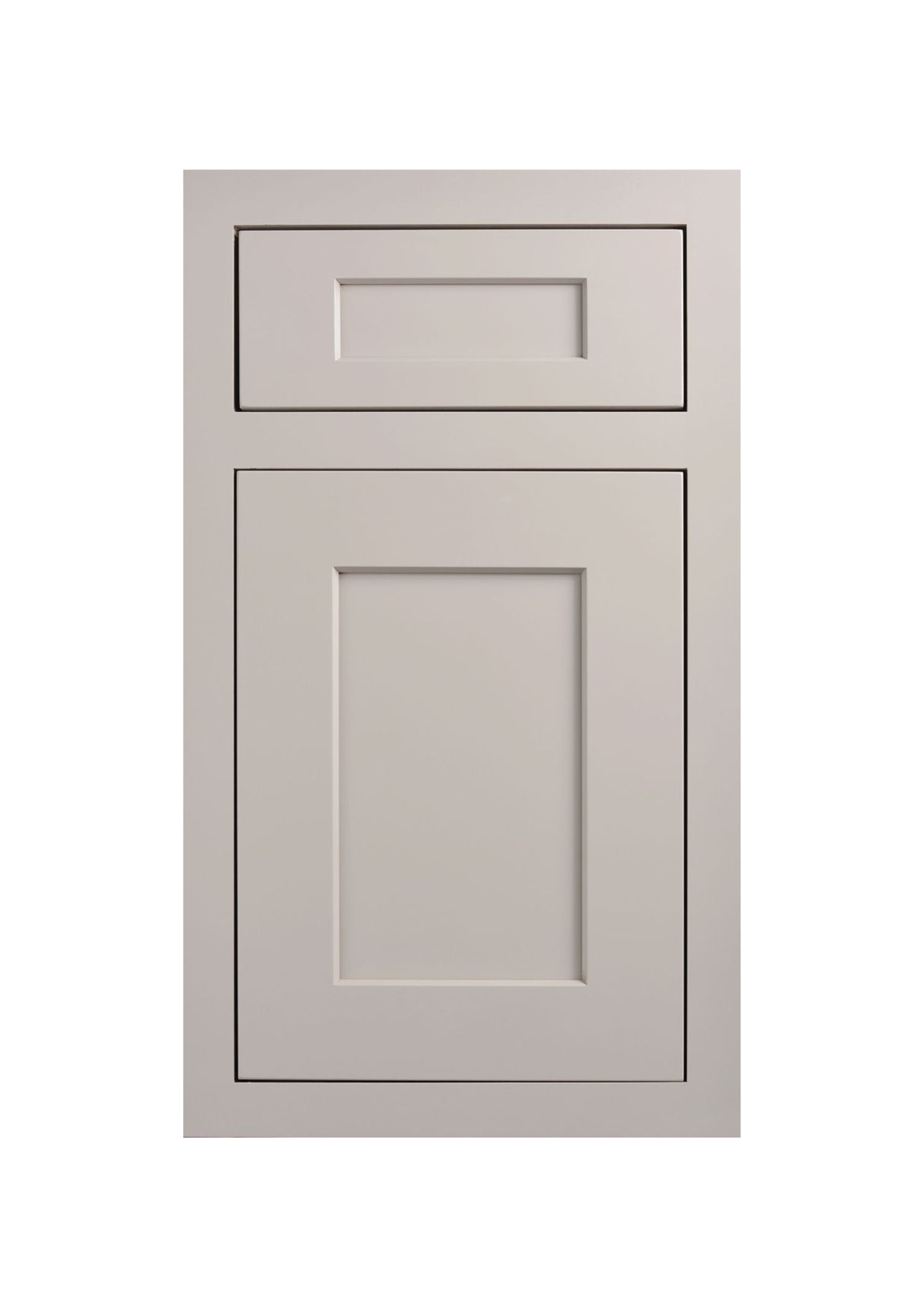 View collection
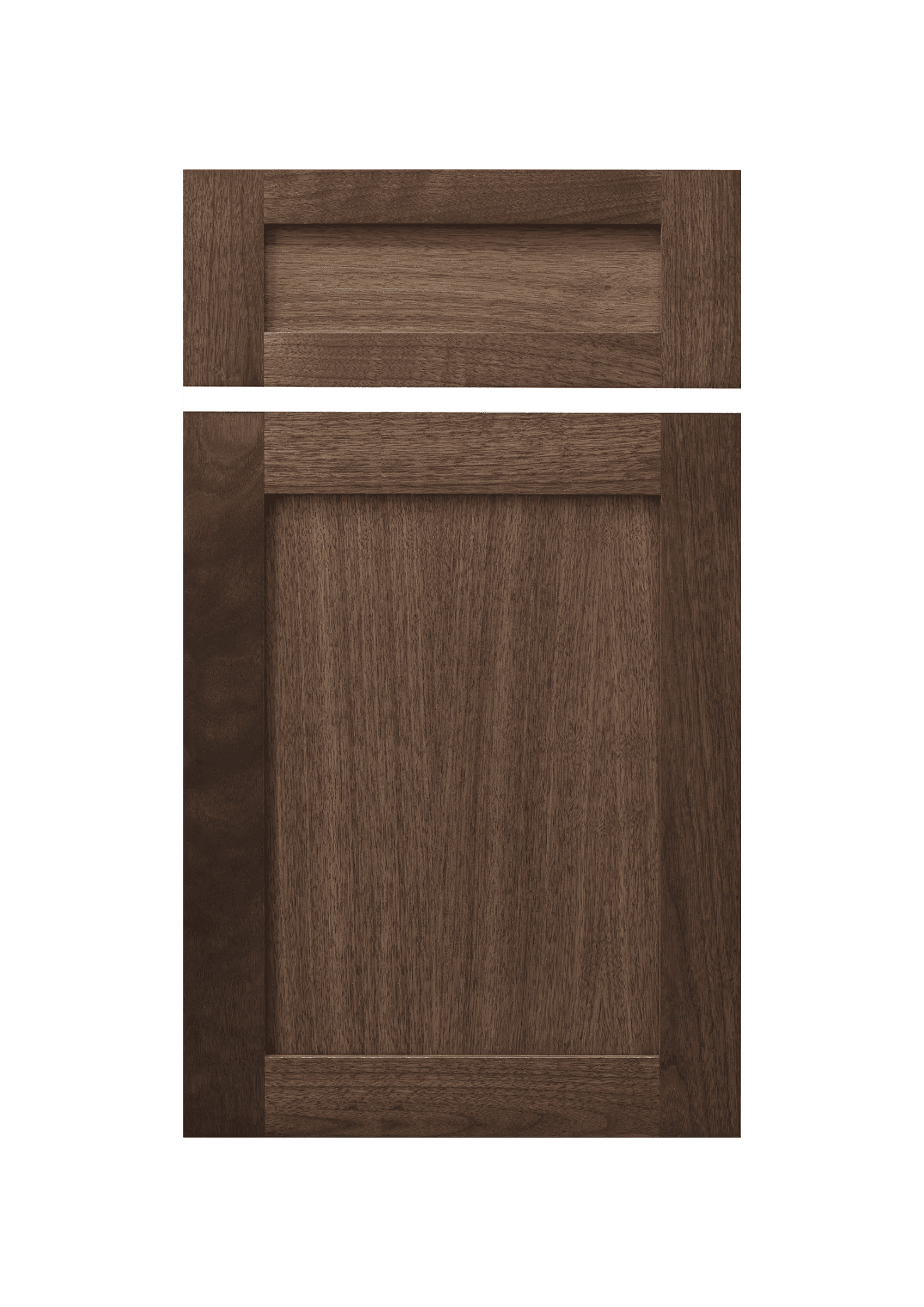 View collection
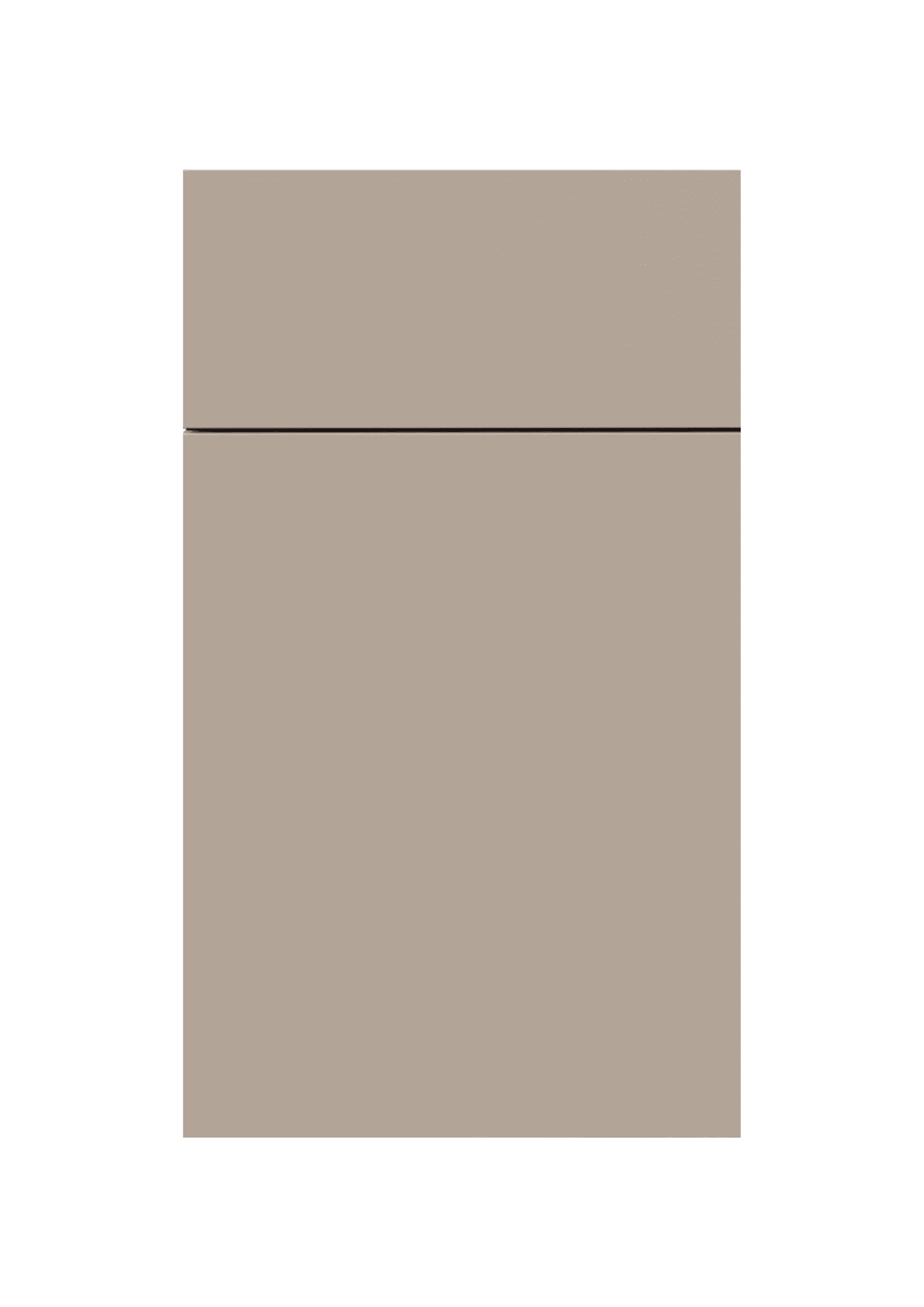 View collection
 View collection