- Our Products
-
Choose your Cabinet Style
-

In modern construction and real estate development, cabinetry is no longer treated as a minor interior element. Instead, it has become a critical factor that directly influences cost structure, project timelines, and long-term asset value. For developers, contractors, and global distributors, the decision between RTA vs custom cabinets plays a significant role in determining overall project profitability.
As competition intensifies across international markets, B2B buyers are under increasing pressure to deliver projects faster while maintaining strict cost control. At the same time, design expectations continue to rise, requiring consistent quality across multiple units. This dual pressure forces decision-makers to evaluate not only upfront cost but also lifecycle value, operational efficiency, and supply chain reliability.
Working with a capable Vietnam Cabinet Factory such as Starvia Cabinet enables buyers to access scalable manufacturing solutions that align with these evolving demands. Understanding how RTA vs custom cabinets affects both short-term execution and long-term return on investment is essential for making strategic sourcing decisions in 2026.
To evaluate RTA vs custom cabinets, it is important to understand how each solution fits within modern industrial production.
RTA cabinets, or Ready-to-Assemble cabinets, are designed for efficiency and repeatability. They are produced using automated systems that cut, drill, and finish components with high precision. These parts are then flat-packed for transportation and assembled on-site. This method aligns with large-scale cabinet manufacturing strategies that prioritize speed, consistency, and cost optimization.
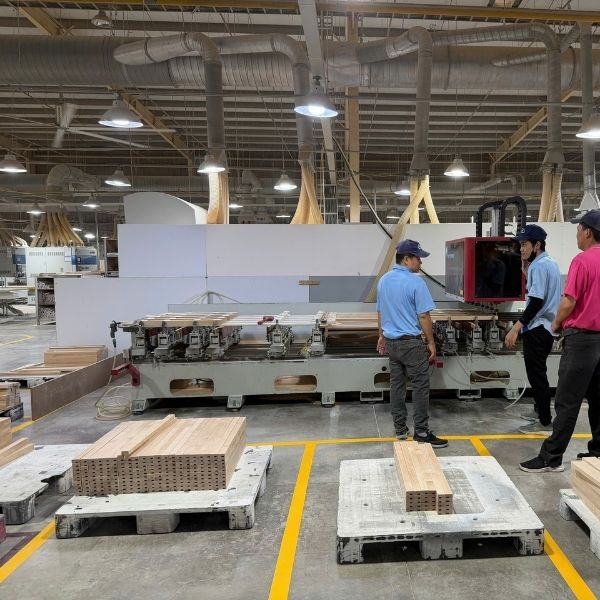
Automated systems enable high-precision RTA cabinet production
Custom cabinets follow a different production model. Each unit is designed and manufactured according to specific project requirements. This often involves manual processes, specialized craftsmanship, and flexible material selection. While this approach allows for greater design freedom, it introduces variability in production speed and cost.
The difference between RTA vs custom cabinets reflects two distinct manufacturing philosophies. RTA cabinets emphasize standardization and efficiency, while custom cabinets prioritize adaptability and uniqueness. For B2B buyers, the choice between these approaches depends on project scale, complexity, and budget constraints.
Cost analysis is one of the most critical aspects of the RTA vs custom cabinets decision.
RTA cabinets are built around a cost-efficient model. Standardized production reduces material waste, while automation minimizes labor costs. Flat-pack shipping significantly lowers transportation expenses, especially for international buyers sourcing from a Vietnam cabinet factory. These factors combine to create a predictable and scalable pricing structure.
Custom cabinets involve a more complex cost framework. Design development requires additional resources, and production relies heavily on skilled labor. Material selection can vary widely, often including premium options that increase overall costs. As a result, the total investment for custom cabinets is typically much higher.
For large-scale projects, the cost difference between RTA vs custom cabinets can have a major impact on financial performance. RTA cabinets allow developers to maintain tighter budget control while still achieving acceptable quality standards.
Scalability is a defining factor in global sourcing, and it is one of the key differences in RTA vs custom cabinets.
RTA cabinet production is highly scalable. Automated machinery such as CNC systems ensures precise and consistent output, allowing manufacturers to produce large volumes efficiently. This is essential for projects that require uniformity across hundreds or thousands of units.
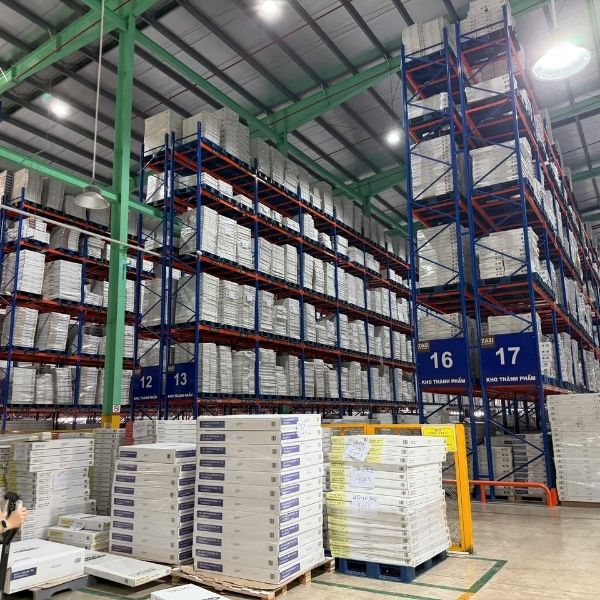
RTA cabinets support large-scale production with consistent quality
Custom cabinet production is less scalable due to its reliance on manual processes. Each unit may require individual adjustments, making it difficult to maintain efficiency at higher volumes. This limitation can lead to increased costs and longer production timelines.
Starvia Cabinet, as a leading Vietnam Cabinet Factory, has optimized its production systems to support large-scale RTA cabinet manufacturing. This enables the company to meet the demands of global B2B clients while maintaining consistent quality.
Time management is a critical consideration in construction, and the choice between RTA vs custom cabinets directly affects project scheduling.
RTA cabinets offer shorter lead times due to their standardized production process. Manufacturing can begin immediately, and flat-pack packaging allows for efficient logistics. Installation is also faster, as components are pre-prepared for assembly.
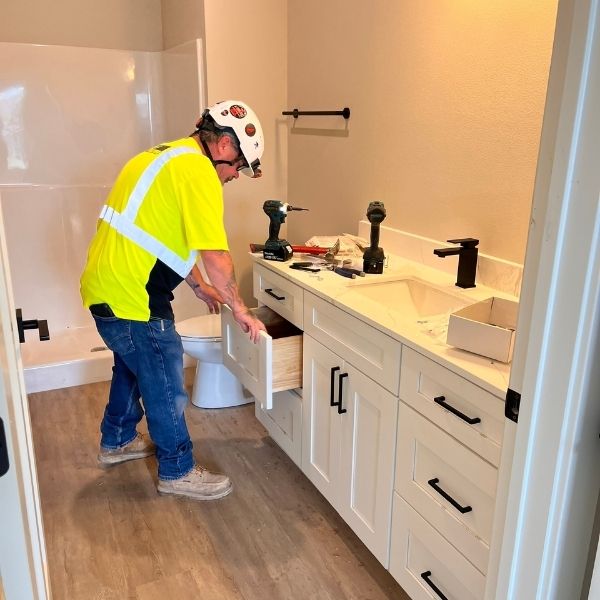
RTA cabinets allow faster installation on-site
Custom cabinets require longer timelines. The design phase must be completed before production begins, and any revisions can cause delays. Manufacturing itself is slower due to the level of customization involved, and installation may require additional adjustments.
For developers working under strict deadlines, RTA cabinets provide a more predictable timeline. This reliability makes them a preferred option in the RTA vs custom cabinets comparison for large-scale projects.
Design flexibility is often considered the main advantage of custom cabinets in the RTA vs custom cabinets discussion.
Custom cabinets allow for complete creative control. Designers can specify unique dimensions, materials, and finishes to match a specific vision. This makes them ideal for luxury projects or developments that require a distinct identity.
However, RTA cabinets have evolved significantly. Modern systems now include a wide range of styles, such as Shaker Cabinet and Inset Cabinet, along with various finishes and configurations. While they may not offer full customization, they can meet the needs of most standard developments.
In many cases, the decision between RTA vs custom cabinets is not about choosing one over the other, but about aligning the solution with the project’s market positioning.
Quality consistency is a major concern in the RTA vs custom cabinets decision, particularly for large-scale developments.
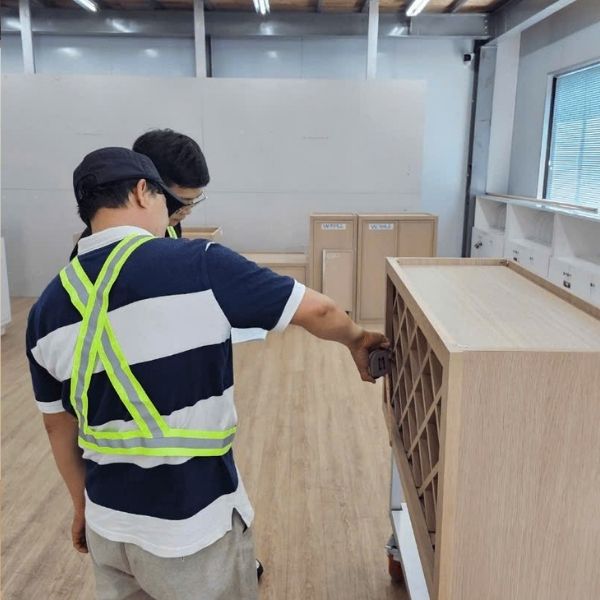
Quality control ensures consistency in large-scale cabinet production
RTA cabinets benefit from automated production, which ensures that each component meets exact specifications. This results in consistent quality across large orders, reducing the risk of defects or variations.
Many manufacturers follow international standards such as ISO certification to ensure consistent product quality and production reliability across large-scale projects.
Custom cabinets can achieve high levels of craftsmanship, but quality may vary depending on labor skill and production conditions. This variability introduces risk, especially in projects that require uniform results.
A modern Vietnam cabinet factory with advanced finishing systems can produce RTA cabinets that meet international standards, making them a reliable choice for B2B applications.
Supply chain performance is another critical factor in RTA vs custom cabinets.
RTA cabinets are designed for efficient logistics. Flat-pack packaging reduces shipping volume, lowers transportation costs, and simplifies handling. This makes them highly suitable for international trade.
Custom cabinets require more complex logistics due to their size and assembly. Shipping costs are higher, and handling is more challenging.
For global buyers, the supply chain advantages of RTA cabinets play a significant role in the RTA vs custom cabinets decision.
Beyond initial cost, lifecycle value is an important consideration in RTA vs custom cabinets.
RTA cabinets offer strong ROI due to their lower upfront cost and efficient installation process. Maintenance and replacement are also easier, as standardized components can be sourced quickly.
Custom cabinets may offer higher perceived value in premium projects, but their higher initial cost and longer production time can affect overall ROI. Maintenance and replacement can also be more complex due to customization.
For B2B buyers, evaluating RTA vs custom cabinets from a lifecycle perspective helps ensure that the chosen solution delivers long-term value.
The global market is gradually shifting toward more efficient and scalable solutions within the RTA vs custom cabinets landscape, driven by both cost pressure and evolving project demands.
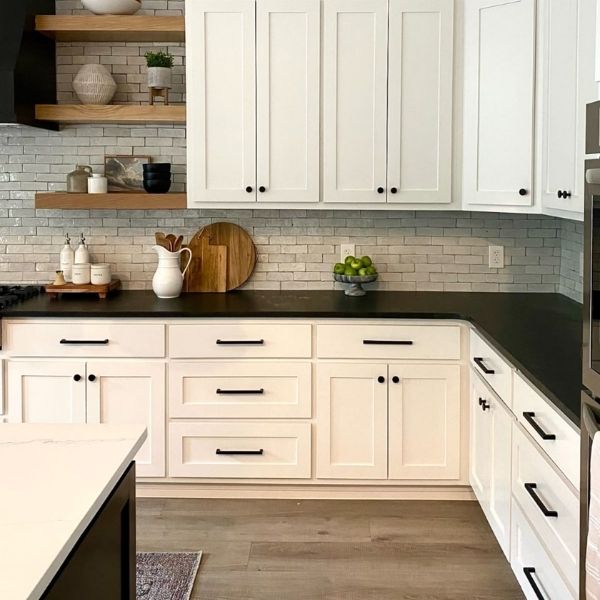
Market trends show increasing demand for scalable cabinet solutions
One key factor is the steady increase in labor costs across many regions. As a result, developers and contractors are looking for solutions that reduce reliance on manual craftsmanship. RTA cabinets, supported by automated production, provide a more predictable and cost-efficient alternative.
At the same time, project timelines are becoming tighter. Faster delivery is now a competitive requirement, not just an advantage. In this context, RTA cabinets offer clear benefits in terms of production speed, shipping efficiency, and on-site installation.
Advancements in manufacturing technology are also narrowing the gap in the RTA vs custom cabinets comparison. Modern RTA systems now offer improved finishes and popular styles, making them suitable for a wider range of projects beyond basic applications.
In addition, global buyers are increasingly prioritizing stable supply chains. Manufacturing hubs like Vietnam are gaining attention for their ability to deliver consistent quality at scale. A professional Vietnam Cabinet Factory can now support both high-volume RTA production and selective customization, giving buyers more flexibility.
Despite these shifts, custom cabinets continue to play an important role in high-end and design-driven projects. Rather than replacing each other, RTA vs custom cabinets are increasingly used together, with many developers adopting a hybrid approach to balance cost efficiency and design value.
Vietnam has become a key hub for kitchen cabinet manufacturing in Vietnam, offering competitive advantages in cost, production capability, and export logistics.
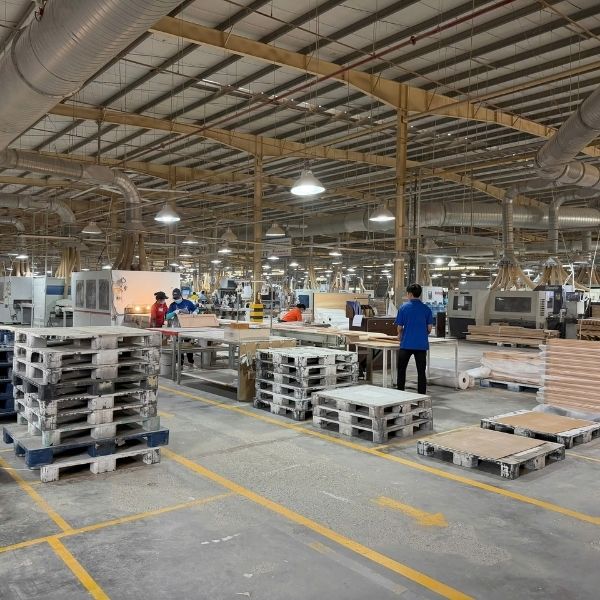
Vietnam has become a global hub for cabinet manufacturing
The country’s manufacturing sector combines skilled labor with modern technology, enabling efficient production of both RTA and custom cabinets. Export-oriented systems ensure reliable service for international buyers.
Starvia Cabinet represents this capability, delivering solutions that meet the needs of global B2B clients in the RTA vs custom cabinets market.
The comparison of RTA vs custom cabinets highlights the importance of aligning product selection with overall business strategy rather than viewing the two options as direct competitors. For most large-scale projects, RTA cabinets provide clear advantages in cost efficiency, scalability, and reliable lead times, making them a practical choice for developers and contractors operating under tight budgets and schedules. At the same time, custom cabinets remain essential for projects that require design flexibility, premium finishes, and a higher level of differentiation.
In this context, partnering with a capable Vietnam Cabinet Factory such as Starvia Cabinet allows buyers to access both standardized and customized solutions within a single supply chain. With advanced manufacturing systems, strict quality control, and strong export experience, Starvia Cabinet supports global clients in optimizing sourcing strategies while maintaining consistent quality at scale. By leveraging the strengths of both RTA and custom cabinetry, B2B buyers can achieve a balanced approach that maximizes efficiency, enhances project value, and supports long-term growth.


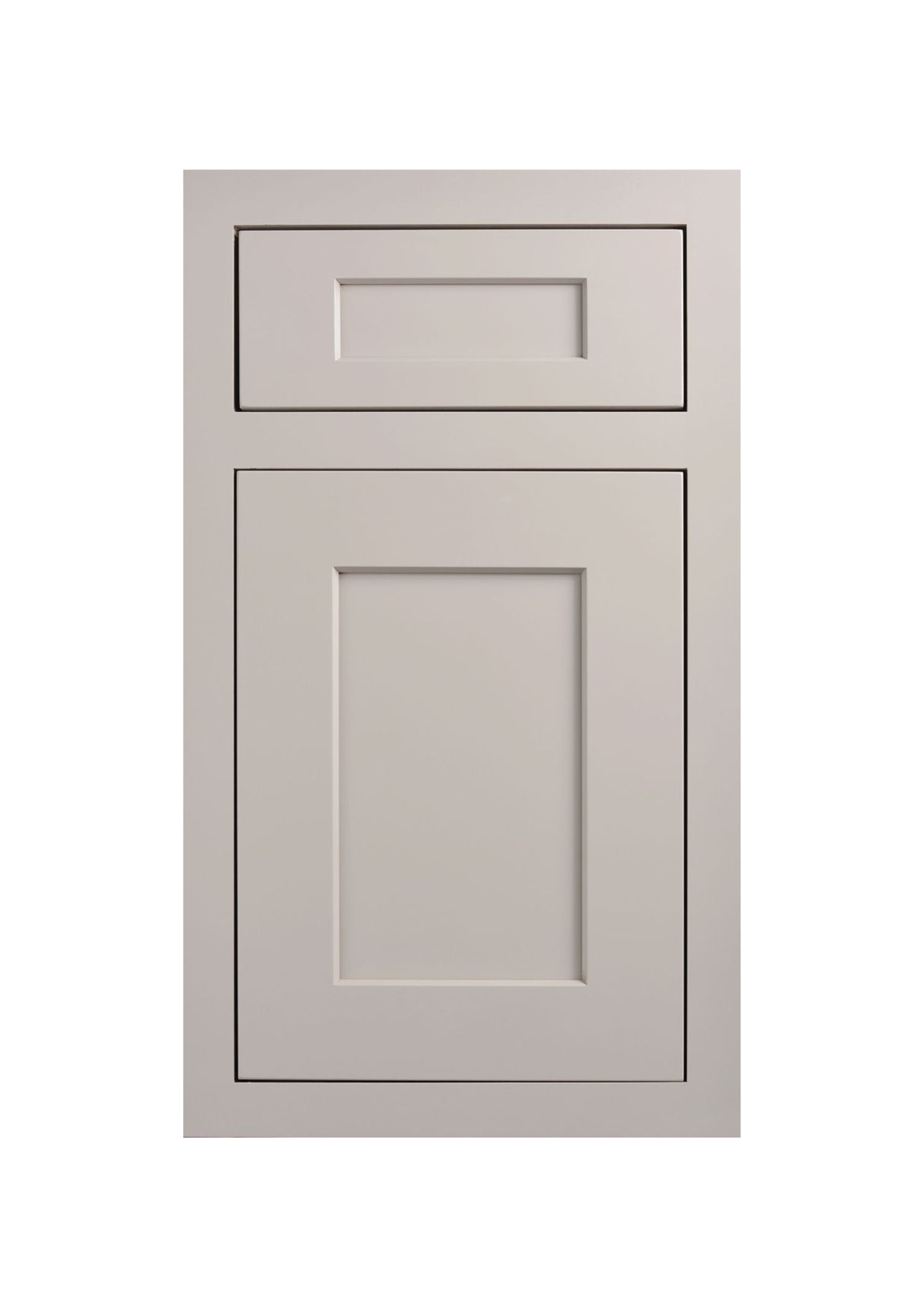 View collection
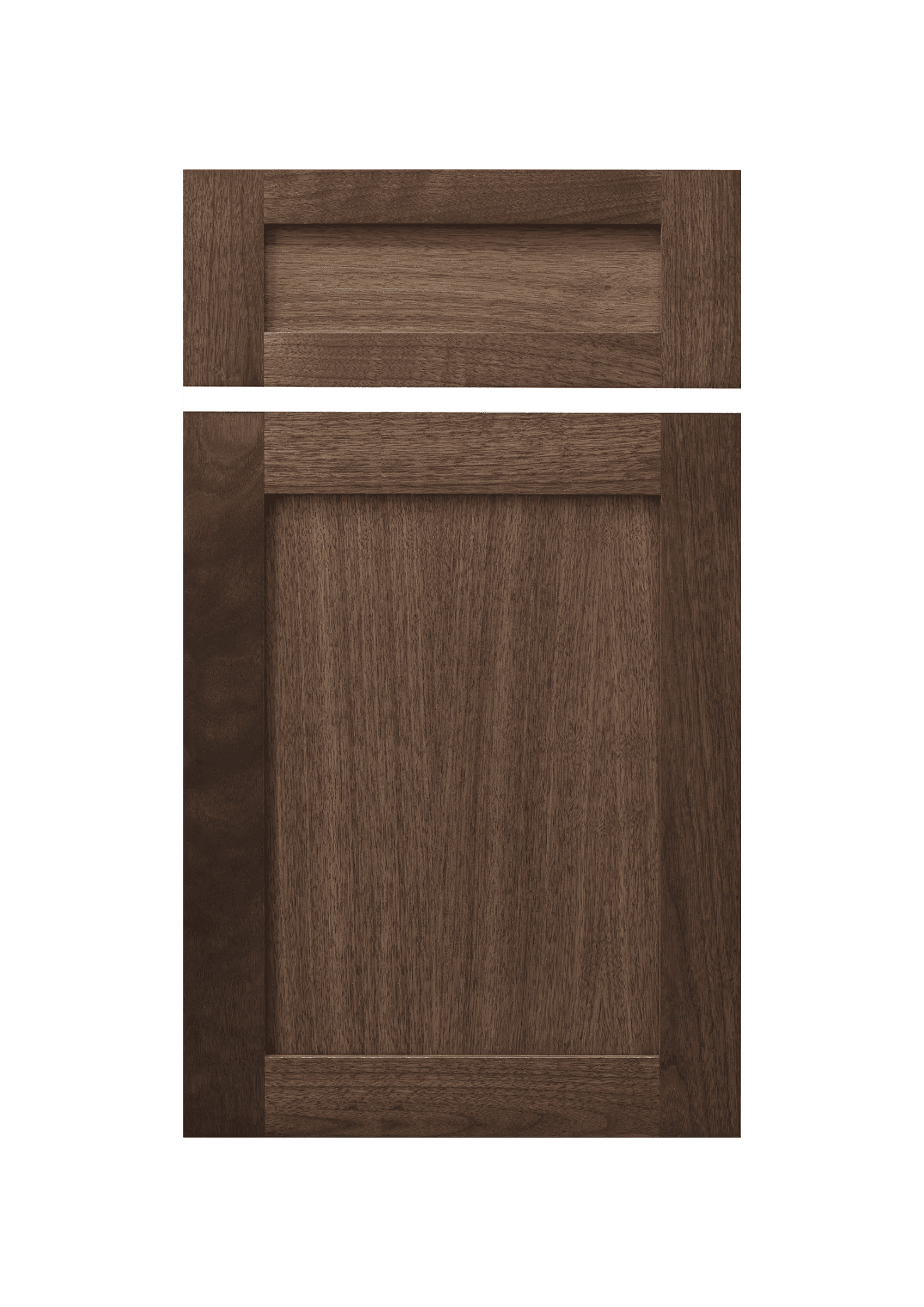 View collection
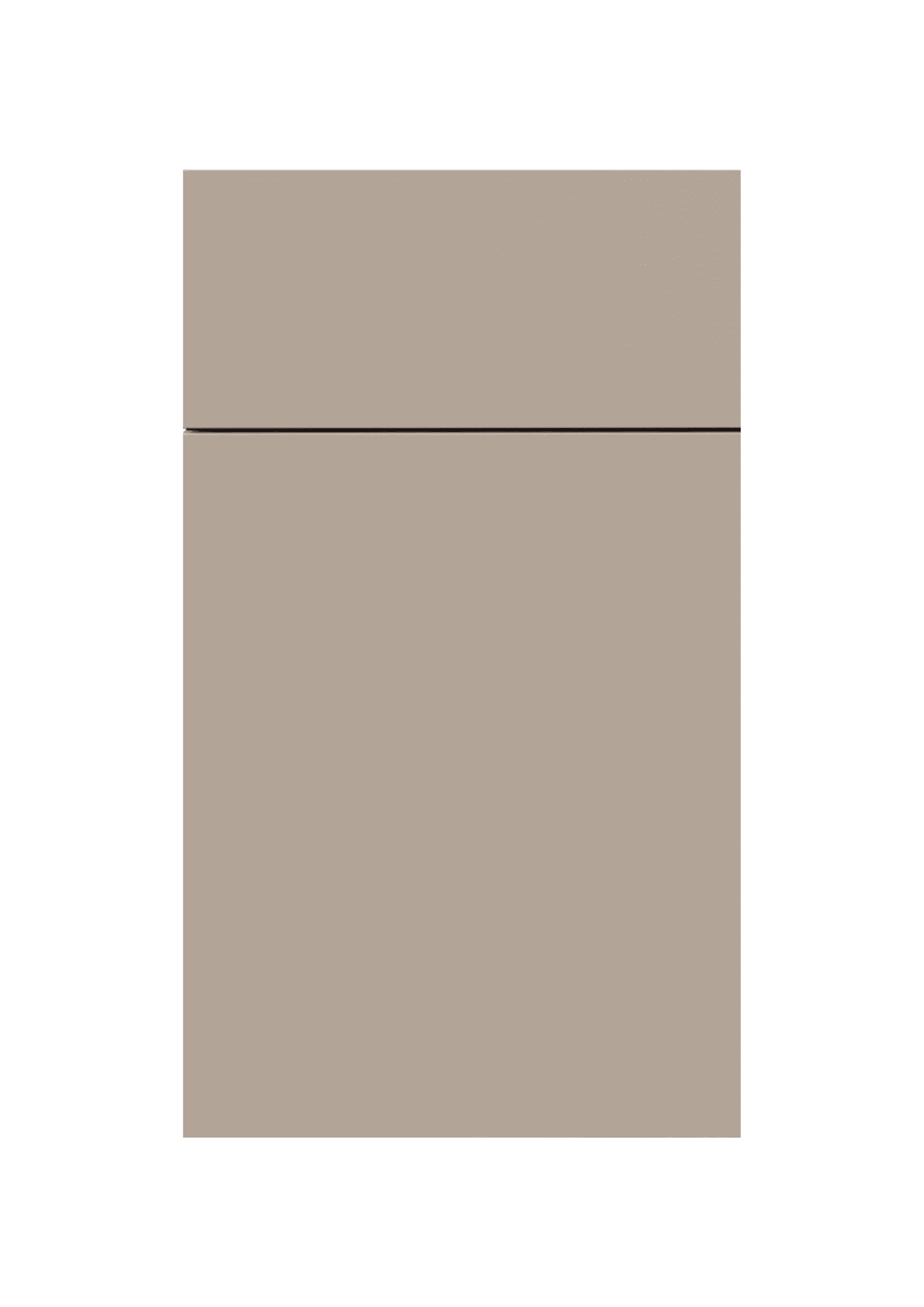 View collection
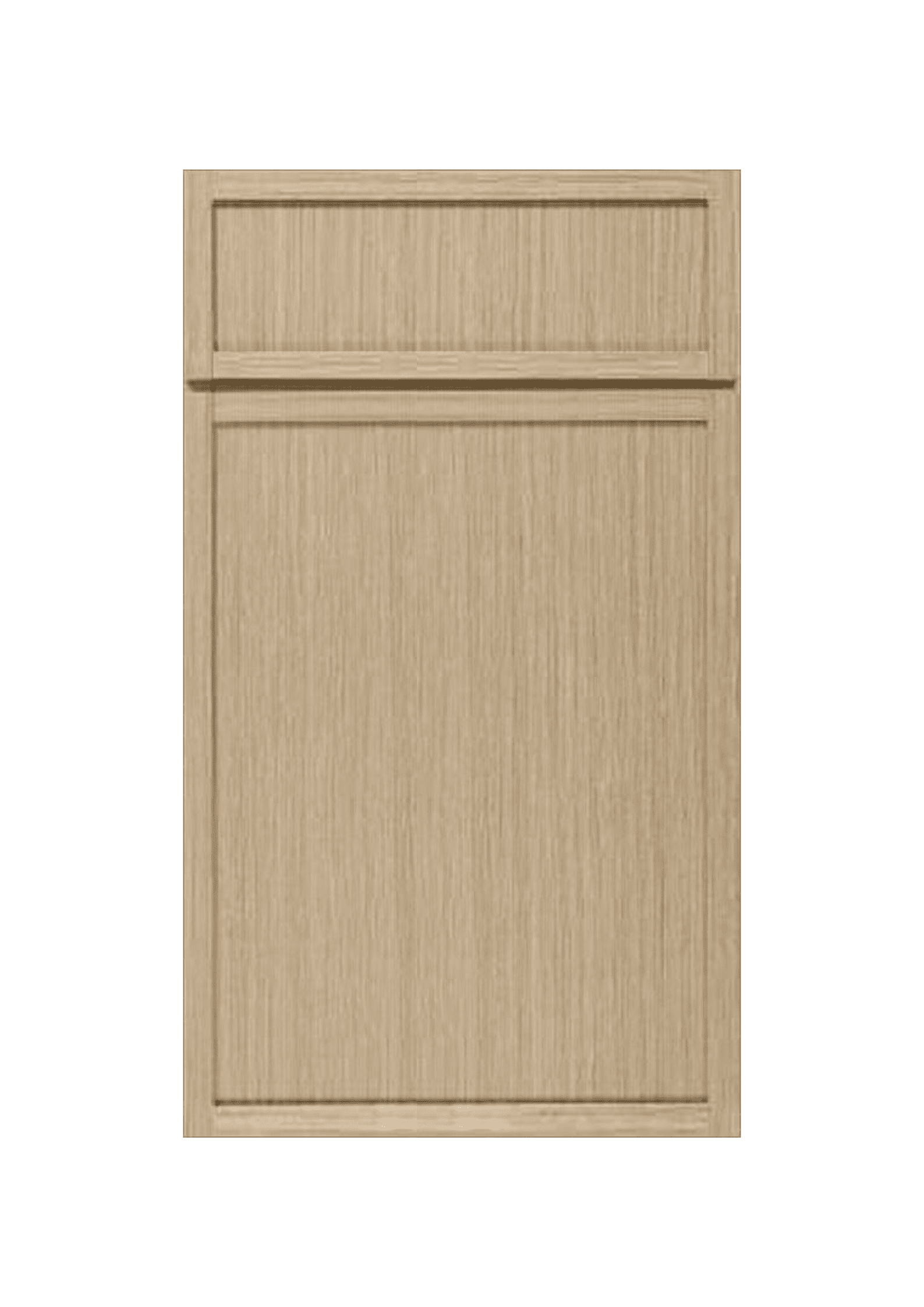 View collection