- Our Products
-
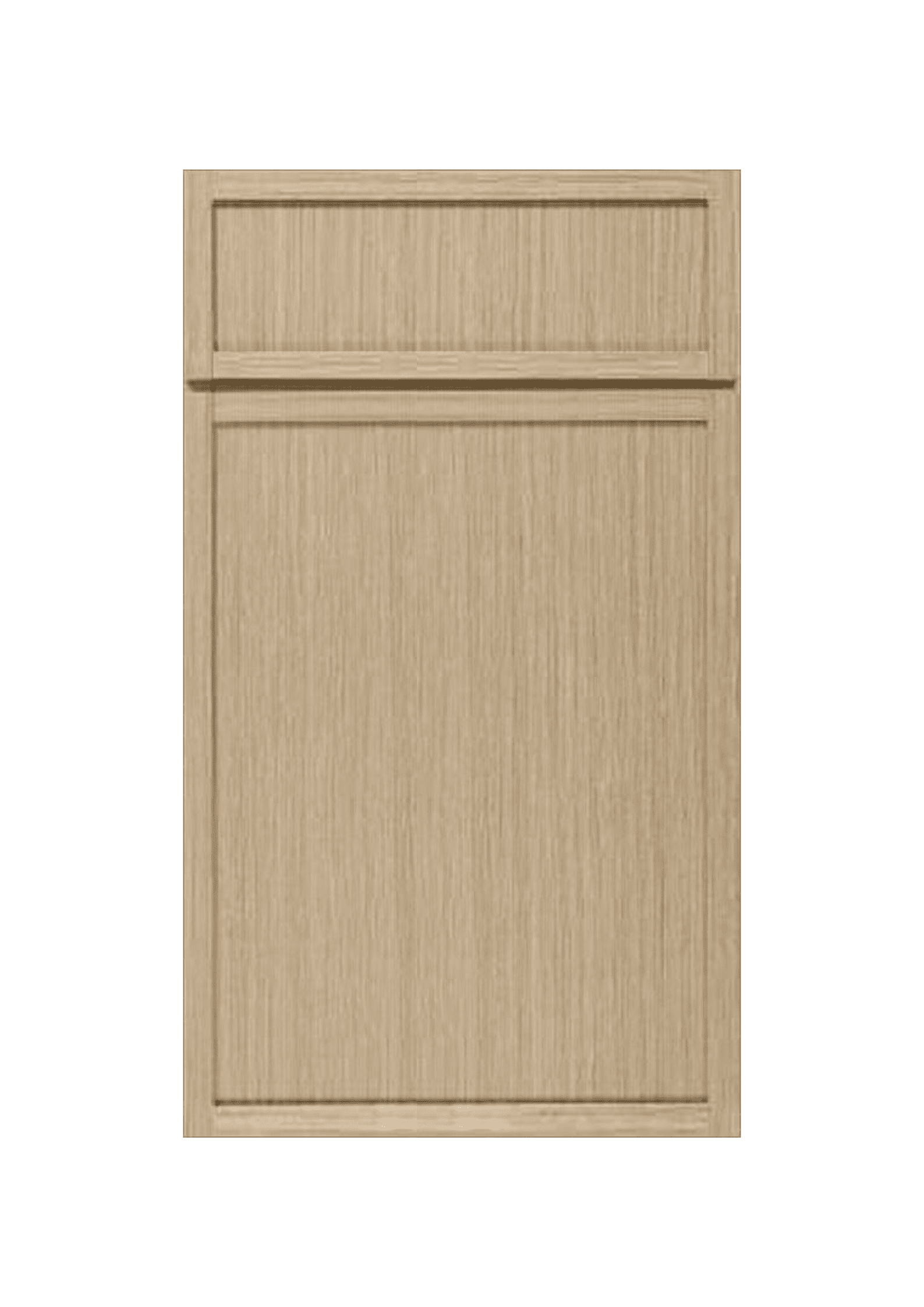
Choose your Cabinet Style
-

Inset cabinets are a premium cabinetry option designed for kitchens where precision, clean detailing, and long-term value are priorities. With doors and drawers set flush inside the cabinet frame, inset construction delivers a tailored, furniture-like appearance that elevates overall kitchen quality. This article explains why inset cabinets are considered a premium investment, where they deliver the best return on investment (ROI), and when they are worth the added cost compared to overlay cabinet systems.
Inset cabinets occupy the premium segment because they demand higher precision in both manufacturing and installation. Unlike overlay cabinets, inset doors and drawers sit inside the cabinet frame, leaving minimal tolerance for misalignment. Any variation in cabinet box dimensions, door sizing, or site conditions becomes immediately visible.
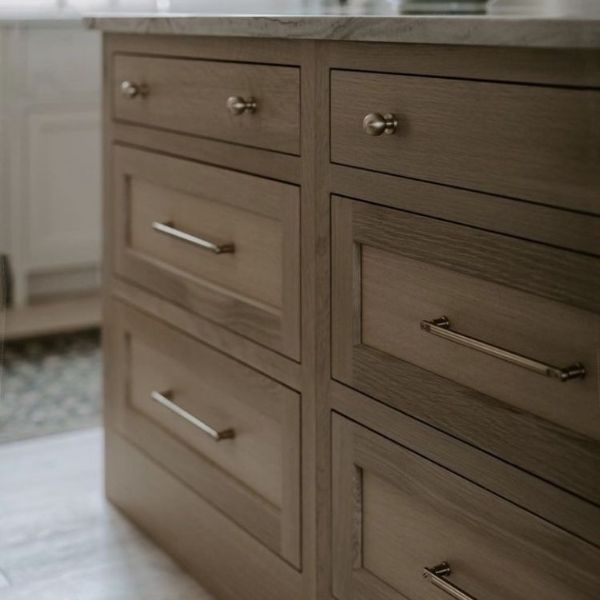
Inset drawer construction creates a clean, seamless kitchen look with precise alignment and durable wood finish.
This construction approach requires stable materials, tight manufacturing tolerances, and careful installation practices. As a result, inset cabinets typically involve higher costs—not due to appearance alone, but because of the technical accuracy required to execute them properly.
From a design standpoint, inset cabinets deliver clean lines, even reveals, and a refined architectural look. The flush alignment creates a balanced, intentional appearance that is often associated with custom-built furniture rather than standard cabinetry.
In premium homes, cabinetry quality plays a significant role in resale perception. Well-executed inset cabinets signal craftsmanship and attention to detail, helping kitchens feel cohesive and thoughtfully designed. This can contribute positively to perceived property value, particularly in higher-end residential markets.
Inset cabinets are best suited for homeowners and projects that prioritize long-term quality, detailing, and overall kitchen value. They perform well in custom homes and high-end remodels where installation conditions can be carefully controlled. However, they may not be ideal for fast-turn renovations, rental properties, or cost-driven projects where flexibility and speed outweigh precision.
The long-term value of inset cabinets also depends on material quality. Many inset cabinet projects use FSC-certified wood materials to ensure responsible sourcing and long-term environmental performance.
Inset kitchen cabinets deliver the strongest ROI in premium residential kitchens where cabinetry is a central value driver. In custom homes and full-scale remodels, buyers expect tight detailing, consistent reveals, and long-term alignment – areas where inset construction consistently outperforms standard overlay options.
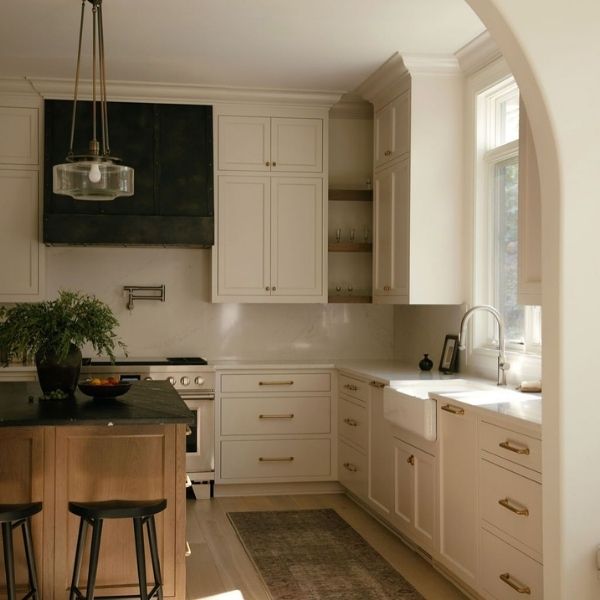
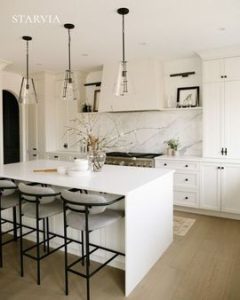
White inset cabinets create a seamless, built-in look that enhances natural light and overall kitchen refinement.
ROI is closely tied to installation conditions. Level floors, straight walls, and proper site preparation help inset cabinets maintain alignment over time, reducing adjustment needs and preserving both visual and functional quality. When installed correctly, inset cabinets retain their appearance longer, supporting long-term use and resale value.
Inset cabinets justify their higher upfront cost when the project is positioned in a higher resale bracket or intended for long-term ownership. In these cases, the investment supports durability and quality perception rather than short-term cost savings.
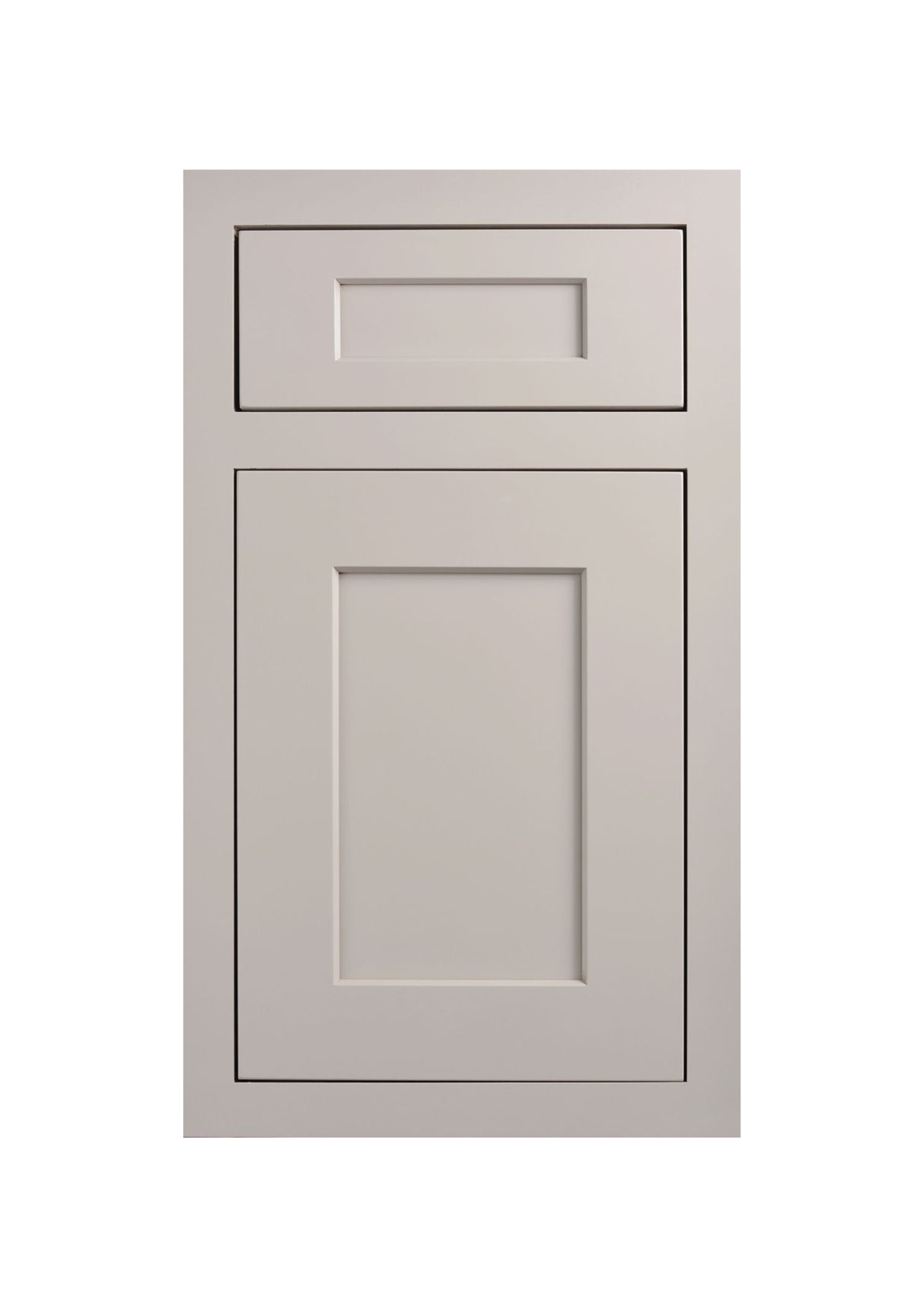
Inset shaker cabinets are the most commonly specified inset style because they balance premium aesthetics with execution reliability. Their simple construction reduces risk while maintaining a refined appearance.
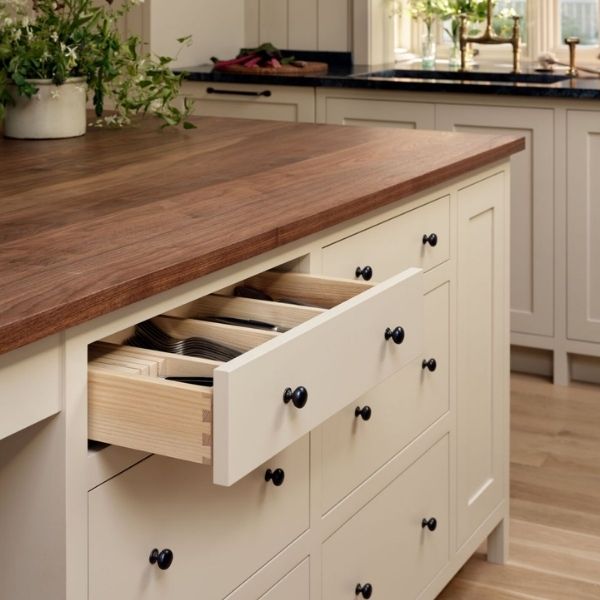
Dovetail drawer construction enhances the durability and precision of inset kitchen cabinetry.
Key advantages of inset shaker cabinets include:
From a design lifecycle perspective, shaker styling remains a stable choice. It is widely accepted across both classic and modern kitchens and is less influenced by short-term trends. This makes inset shaker cabinets particularly suitable for long-term residences and resale-focused projects.
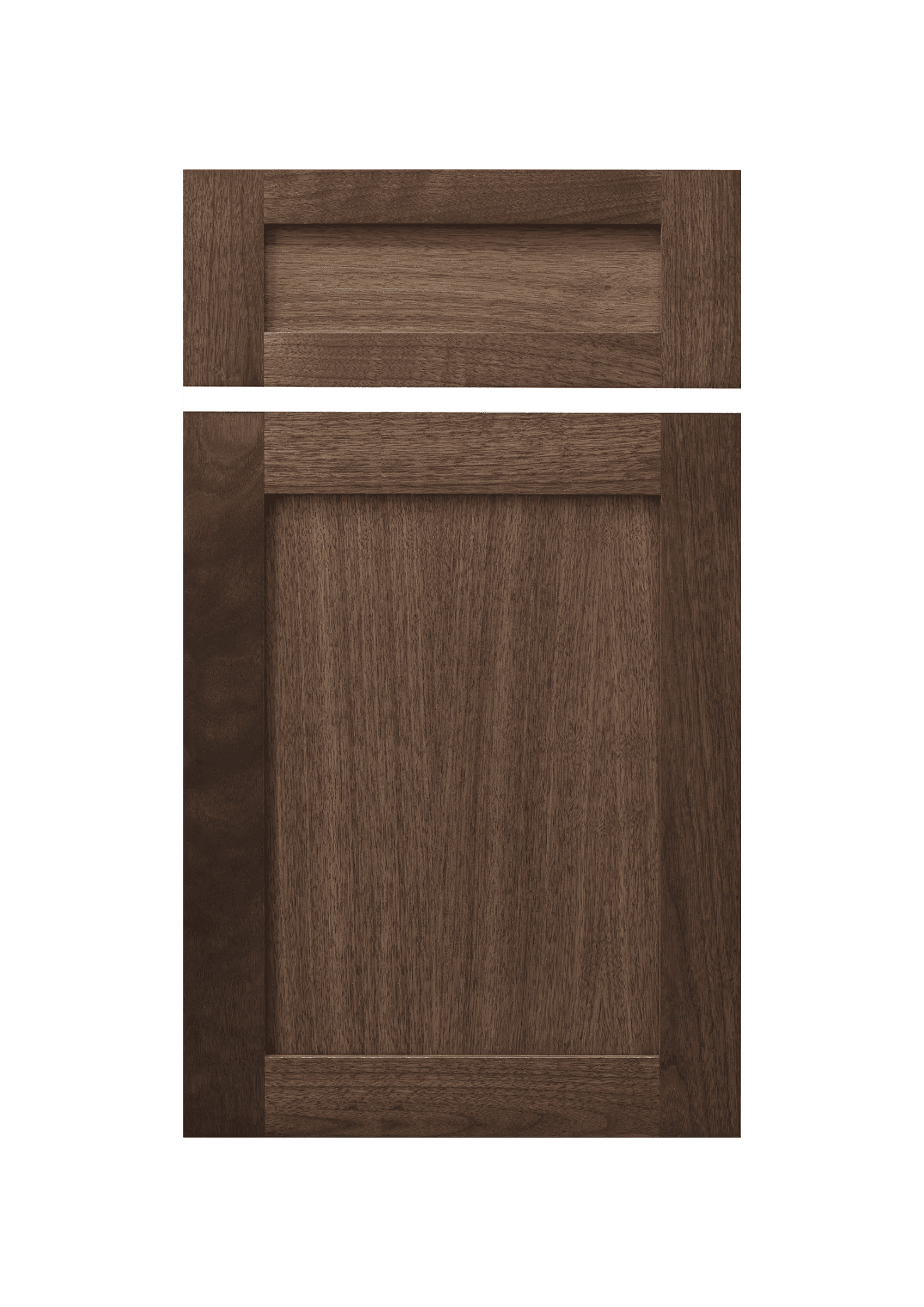
Inset shaker cabinets also work well with both painted and wood finishes. Painted finishes highlight symmetry and clean detailing, while wood finishes introduce warmth without adding visual complexity.
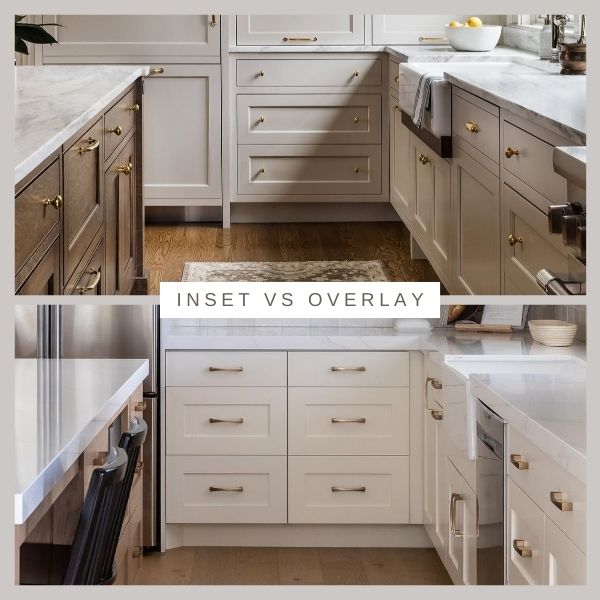
Comparison of inset and overlay cabinets highlighting flush door alignment and full overlay construction.
The primary difference between inset and overlay cabinets lies in door placement. Inset cabinets position doors and drawers flush inside the cabinet frame, while overlay cabinets mount doors on top of the frame.
This structural difference affects appearance, installation tolerance, and cost.
Inset Cabinets
Overlay Cabinets
Inset cabinets are best chosen when clean detailing and visual precision are essential. Overlay cabinets are often a better fit for projects with tighter budgets, faster timelines, or installation environments where perfect alignment is difficult to achieve.
Custom inset cabinets become necessary when standard cabinet sizes cannot maintain consistent reveals. This commonly occurs in older homes, custom floor plans, or kitchens with long cabinet runs and uneven walls.
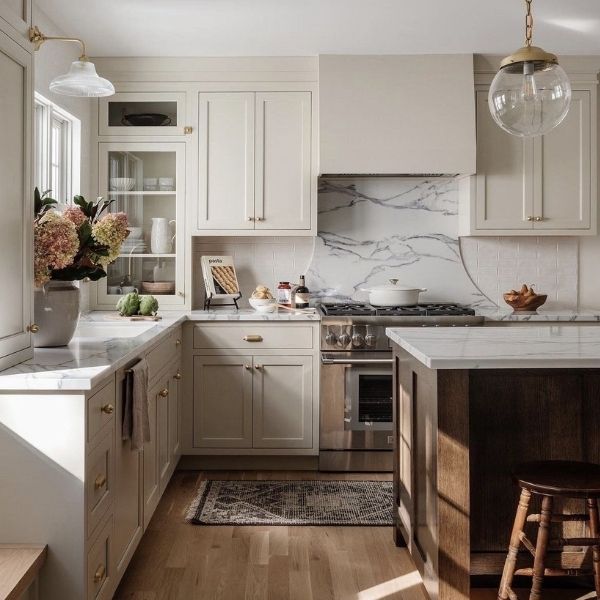
Inset cabinets with glass-front wall units create a timeless and seamless kitchen design.
Custom sizing allows for better control over door spacing, drawer alignment, and overall symmetry-critical factors for inset construction. It also enables tighter control over materials, door thickness, and hardware selection, reducing long-term adjustment and alignment issues.
For projects where cabinetry quality directly affects daily use and resale perception, custom inset cabinets offer a more reliable and durable solution despite higher upfront costs.
Inset cabinets are worth the investment when a kitchen is positioned in the premium segment. They are well suited for custom homes, high-end renovations, and long-term residences where detailing, alignment, and finish quality matter.
They are not the right choice for every project. When budget flexibility, speed, or forgiving installation conditions are the priority, overlay cabinets may deliver better overall value. The key is aligning cabinet construction with the project’s goals rather than choosing based solely on appearance.
Long-term performance of inset cabinetry depends heavily on material stability, hardware quality, and manufacturing precision. Because doors and drawers sit flush within the cabinet frame, even small dimensional changes caused by humidity or structural movement can affect alignment over time.
Engineered substrates such as plywood or MDF are often preferred for cabinet boxes because they provide greater dimensional consistency compared to solid wood components. Stable core materials help preserve reveal spacing and reduce long-term adjustment issues, particularly in kitchens exposed to seasonal climate variation.
Hardware selection also plays an important role in maintaining usability and visual precision. Soft-close concealed hinges and inset-compatible drawer slides allow multi-directional adjustment after installation, helping maintain clean alignment while supporting smooth daily operation.
Proper installation planning further improves long-term durability. Fully leveled cabinet boxes, secure anchoring systems, and stable indoor humidity conditions all contribute to preserving consistent door spacing and reducing stress on hinges and drawer systems over time.
Inset cabinetry performs particularly well in premium residential projects, custom homes, and multi-unit developments where consistency and visual quality are priorities. Flush-aligned construction creates a refined architectural appearance while factory-controlled production supports repeatable sizing, finish matching, and installation efficiency across multiple phases.
Because of their clean lines and balanced proportions, inset cabinets are no longer limited to traditional kitchens. They are increasingly used in contemporary and transitional interiors where minimalist detailing and structured symmetry are preferred. Their ability to work with both painted and natural wood finishes also makes them a flexible long-term design solution across a wide range of architectural styles.
For buyers, designers, developers, and importers evaluating inset cabinetry for premium kitchen programs, partnering with an experienced OEM manufacturer is essential. Starvia supports B2B and project-based clients through controlled production systems, stable material sourcing, and repeatable quality standards tailored for inset cabinet construction.
Inset cabinets continue to be one of the strongest choices for premium kitchen projects because they combine visual precision, long-term durability, and refined architectural detailing. Their flush construction creates a clean, furniture-like appearance that supports both classic and contemporary kitchen designs while adding long-term value to residential spaces.
However, achieving consistent inset cabinet performance depends on more than appearance alone. Material stability, manufacturing accuracy, hardware quality, and installation precision all play critical roles in maintaining alignment and finish quality over time. When these factors are properly controlled, inset cabinetry can deliver reliable functionality and lasting visual consistency across both residential and project-based applications.
For importers, developers, designers, and contractors, selecting the right manufacturing partner is equally important to project success. Starvia supports premium kitchen programs with controlled OEM production, stable specifications, and repeatable quality standards tailored for inset cabinet construction—helping partners achieve consistency, precision, and long-term project reliability.
 View collection
 View collection
 View collection
 View collection