- Our Products
-
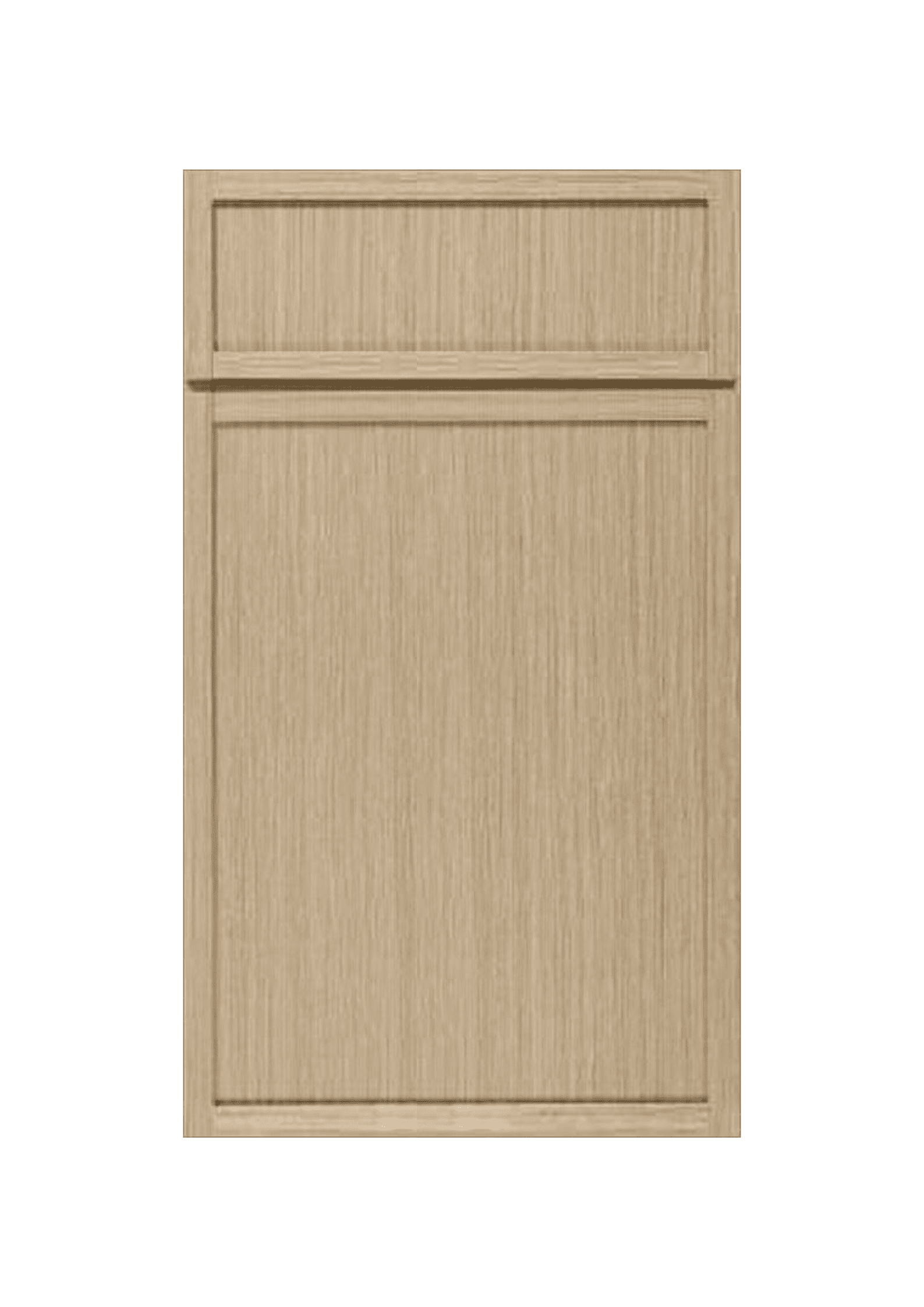
Choose your Cabinet Style
-

In large residential developments, hospitality projects, and commercial construction, every stage of the building process must follow a carefully coordinated timeline. From structural work to interior installation, delays in one stage can affect the entire project schedule.
Among all interior components, cabinets are particularly important because they are installed during the final stages of construction. Kitchens, bathrooms, and storage areas cannot be completed until cabinets are delivered and installed. For this reason, understanding and managing cabinet lead time is essential for developers, contractors, and cabinet distributors working on large-scale projects.
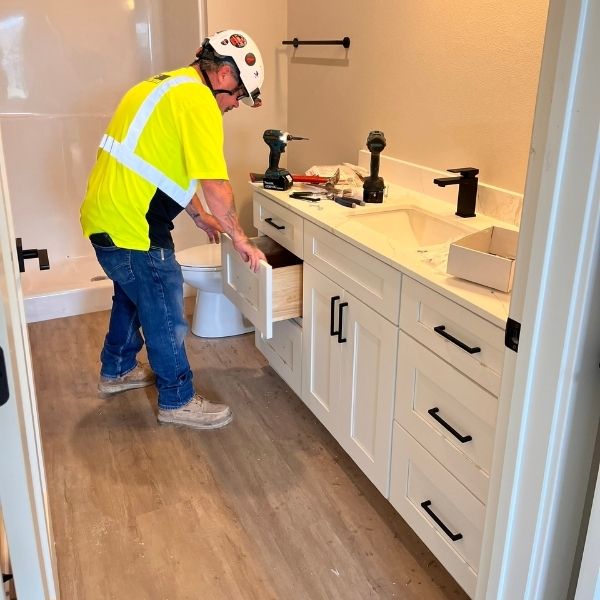
Cabinets are typically installed during the final stages of construction.
When cabinet orders arrive too early, construction teams may face storage challenges or risk damaging finished products while other work is still ongoing. On the other hand, if cabinets arrive too late, installation teams must wait, which can delay project completion and increase overall construction costs.
This challenge becomes even more complex in projects that require hundreds or thousands of cabinet units. Without clear project cabinet planning, coordinating manufacturing timelines, shipping logistics, and installation schedules can quickly become difficult.
As global sourcing becomes more common, many developers and distributors rely on overseas manufacturers for cabinet production. In these situations, careful planning of the cabinet production schedule becomes even more important because international shipping and logistics must also be considered.
This article explains how cabinet lead time planning works, what factors influence cabinet production timelines, and how project teams can maintain reliable cabinet manufacturing schedules for large projects.
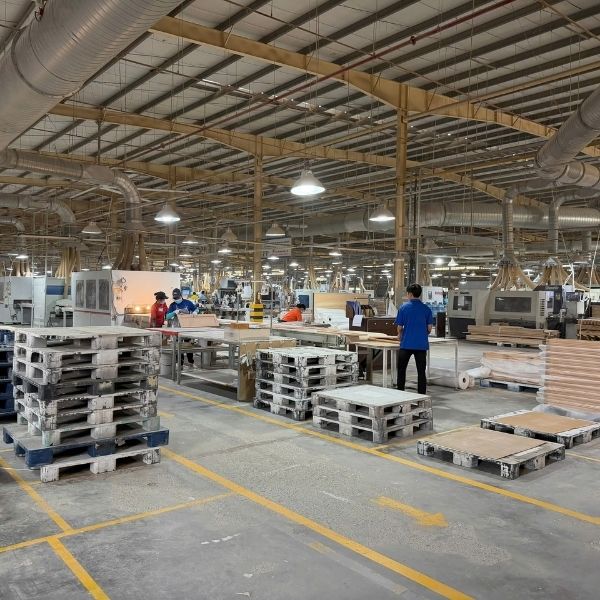
Modern cabinet factories use production lines to maintain stable cabinet lead times.
Before planning cabinet orders for a large construction project, it is important to understand what cabinet lead time actually includes. Many buyers assume that lead time refers only to the manufacturing stage, but in reality it involves several steps from initial design approval to final delivery.
Each of these stages plays an important role in determining the total production timeline.
The first step in managing cabinet lead time is finalizing the design and technical specifications. During this stage, project teams work closely with cabinet manufacturers to confirm all necessary details before production begins.
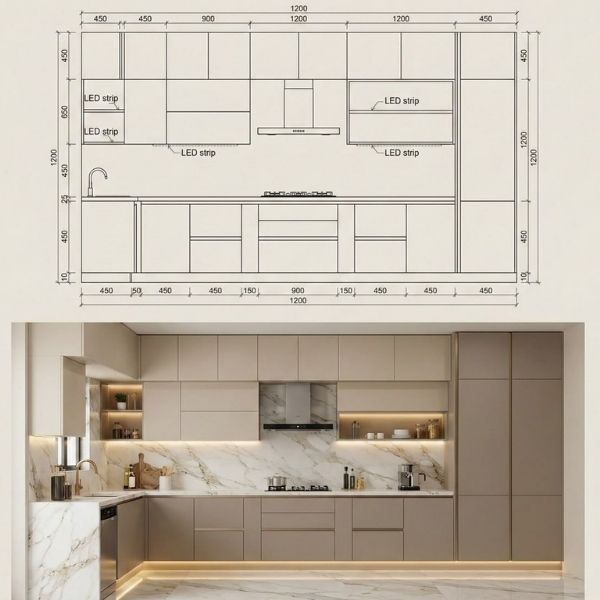
Accurate cabinet design planning ensures smooth manufacturing and production scheduling.
These details typically include cabinet dimensions, layout configurations, materials, finishes, and hardware components. In large projects, multiple cabinet styles may be required for different unit types or building layouts.
Because of this complexity, the design approval process may involve several rounds of technical review. Clear documentation and accurate drawings are essential to prevent production errors and delays later in the process.
Completing design confirmation efficiently helps manufacturers begin production quickly and maintain a stable cabinet production schedule.
After design approval, manufacturers begin planning the cabinet production schedule. This stage involves organizing manufacturing tasks, allocating production lines, and determining the sequence in which cabinet components will be produced.
For large construction projects, cabinet factories often divide orders into production batches. Each batch corresponds to a specific delivery milestone aligned with the construction timeline.
This approach ensures that cabinets are produced in a logical order that matches installation needs. By organizing production in phases, manufacturers can support smoother project cabinet planning and reduce the risk of delivery delays.
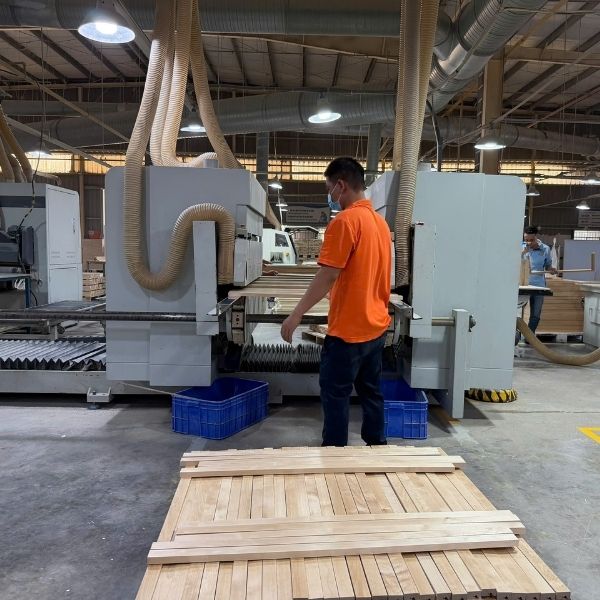
CNC machines improve efficiency and precision in cabinet manufacturing.
Once production planning is complete, the manufacturing stage begins. This stage transforms raw materials into finished cabinet components through a series of specialized processes.
The first step is material preparation, where panels are cut and components are sized according to design specifications. This is followed by machining processes such as drilling, edge banding, and shaping cabinet panels.
Next, cabinet doors and frames are constructed, and all necessary hardware drilling is completed. These components are then prepared for assembly and finishing.
Modern cabinet factories rely heavily on automated machinery such as CNC cutting equipment and digital production systems. These technologies allow manufacturers to produce large volumes of cabinets efficiently while maintaining consistent quality standards.
Efficient manufacturing operations play a major role in maintaining predictable cabinet lead time.
After cabinet components are manufactured, they move to the finishing stage. Finishing processes give cabinets their final appearance and protect the materials from moisture, wear, and daily use.

Finishing processes such as painting and coating determine cabinet appearance and durability.
Finishing typically includes sanding surfaces, applying primer coatings, painting or staining cabinet doors, and applying protective top layers.
Because finishing requires careful surface preparation and drying periods, it often represents a significant portion of the production timeline. Factories equipped with modern finishing lines and controlled spray environments can complete this stage more efficiently.
After finishing is completed, cabinets undergo detailed quality inspections to ensure that color consistency, surface quality, and structural integrity meet project specifications.
Many cabinet factories also rely on advanced industrial finishing systems to improve coating consistency and production efficiency. Equipment from global manufacturers such as Cefla Finishing plays an important role in helping cabinet manufacturers maintain stable production quality while managing large-scale cabinet orders.
The final stage in cabinet lead time planning is packaging and delivery. Cabinets must be carefully packed to prevent damage during transportation and handling.
For international cabinet orders, this stage also includes preparing export packaging, organizing container loading, and coordinating shipping schedules. Customs documentation and logistics arrangements must also be completed before the shipment leaves the factory.
Shipping timelines vary depending on the destination, but international deliveries often require several weeks. Because of this, logistics planning must always be considered when developing a reliable cabinet production schedule.
Although cabinet manufacturing timelines vary depending on order size and customization level, most large projects follow a relatively consistent production process.
The first stage is design confirmation, which usually takes one to two weeks as project teams finalize drawings, materials, and specifications.
After designs are approved, manufacturers prepare materials and organize production resources. This stage often takes about one week depending on the availability of materials and factory scheduling.
The main cabinet manufacturing process typically requires three to five weeks. During this time, panels are processed, cabinet structures are assembled, and components are prepared for finishing.
Finishing and quality inspection usually require another one to two weeks depending on the type of coatings and surface treatments used.
Finally, cabinets are packaged and prepared for shipping. International shipping timelines may range from two to five weeks depending on the destination and logistics arrangements.
When all stages are combined, the total cabinet lead time for large international projects typically ranges from approximately eight to twelve weeks.
Several variables can affect cabinet production timelines. Understanding these factors helps developers and distributors plan cabinet orders more effectively.
The total number of cabinets required for a project has a direct impact on production timelines. Large apartment developments or hotel projects may require thousands of cabinet units.
Manufacturers must allocate sufficient production capacity to handle these large orders while maintaining quality standards.
Factories with larger production facilities and multiple manufacturing lines can often manage high-volume orders more efficiently.
The complexity of cabinet designs also affects manufacturing timelines. Standard cabinet designs with simple construction are generally faster to produce.
However, cabinets that include custom dimensions, decorative details, or specialty finishes may require additional production steps.
Because of this, design complexity should always be considered during project cabinet planning.
Cabinet production relies on a consistent supply of materials such as plywood panels, solid wood components, hardware, and finishing coatings.
If materials are delayed or unavailable, cabinet production schedules may be affected. Manufacturers with stable supplier networks are better able to maintain predictable cabinet lead times.
The type of finish selected for cabinets also plays an important role in production timelines. Some finishes require multiple layers of coating and extended drying times.
Decorative finishes, specialty paints, or custom color matching can further increase production time. Factories equipped with advanced finishing systems can often manage these processes more efficiently.
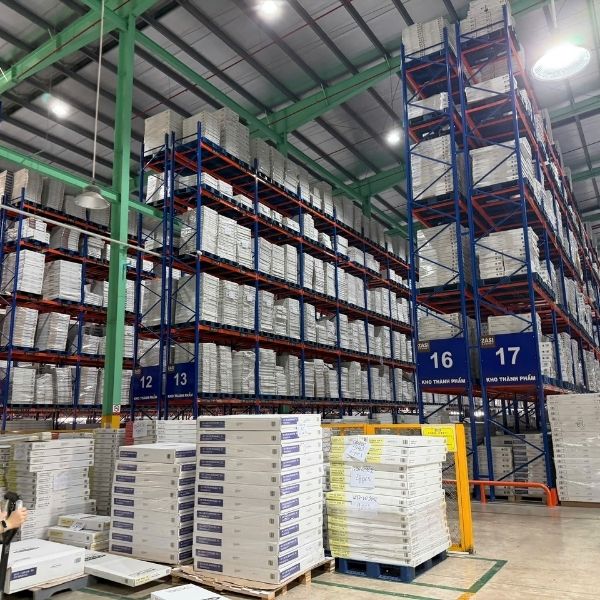
Cabinets are packaged and prepared for delivery according to project installation schedules.
To ensure smooth cabinet delivery in large construction projects, developers and distributors should follow several best practices for project cabinet planning.
One of the most effective strategies for managing cabinet lead time is starting the planning process early in the project timeline.
Cabinet orders are often placed several months before installation begins. Early planning allows sufficient time for design approval, manufacturing, finishing, and shipping.
This approach reduces the risk of delays and ensures cabinets arrive when installers are ready.
Large construction projects often involve multiple buildings or phases. Instead of producing all cabinets at once, manufacturers may schedule production according to installation stages.
This phased production strategy allows cabinet deliveries to align with construction progress while reducing storage challenges at the project site.
Effective communication between buyers and cabinet manufacturers is essential for maintaining a reliable cabinet production schedule.
Project teams should regularly review design approvals, production progress, and shipping timelines to ensure all stages remain aligned with the overall construction schedule.
Clear communication helps prevent misunderstandings and allows teams to respond quickly to potential delays.
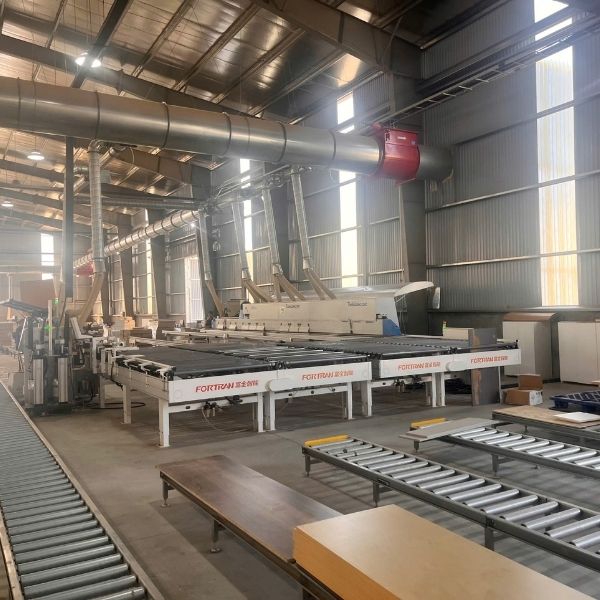
Automation technology helps cabinet factories maintain efficient production schedules.
Modern manufacturing technology has significantly improved cabinet production efficiency. Many cabinet factories now rely on advanced equipment and digital production systems to streamline operations.
Technologies such as CNC cutting machines, automated drilling systems, and digital production planning software allow manufacturers to maintain consistent quality while producing large volumes of cabinets.
These systems also allow factories to track production progress in real time and adjust the cabinet production schedule when necessary.
As a result, modern cabinet factories can manage complex projects while maintaining reliable cabinet lead times.
Effective cabinet lead time planning plays a critical role in the success of large construction projects. Cabinets must be manufactured, finished, and delivered according to carefully coordinated schedules in order to support installation timelines across residential, hospitality, and commercial developments.
By understanding the stages involved in cabinet manufacturing and the factors that influence production timelines, developers and cabinet distributors can build more accurate and reliable project schedules. Early design confirmation, clear technical documentation, and strong coordination between project teams and manufacturers are essential for maintaining a stable cabinet production schedule.
Equally important is choosing a manufacturing partner that has the capacity and operational systems to support large-scale projects. Factories with modern production equipment, efficient finishing processes, and experience in export logistics are better positioned to maintain consistent cabinet lead times while delivering reliable product quality.
As global sourcing continues to grow, working with an experienced Vietnam cabinet factory can provide both manufacturing efficiency and supply chain flexibility. Companies such as Starvia Cabinet, with export-scale production capabilities and modern manufacturing systems, are increasingly supporting international developers, distributors, and cabinet retailers who require dependable cabinet production for large projects.
With careful planning and the right manufacturing partner, project teams can ensure that cabinet production schedules remain aligned with construction timelines—helping large developments move forward smoothly from production to installation.




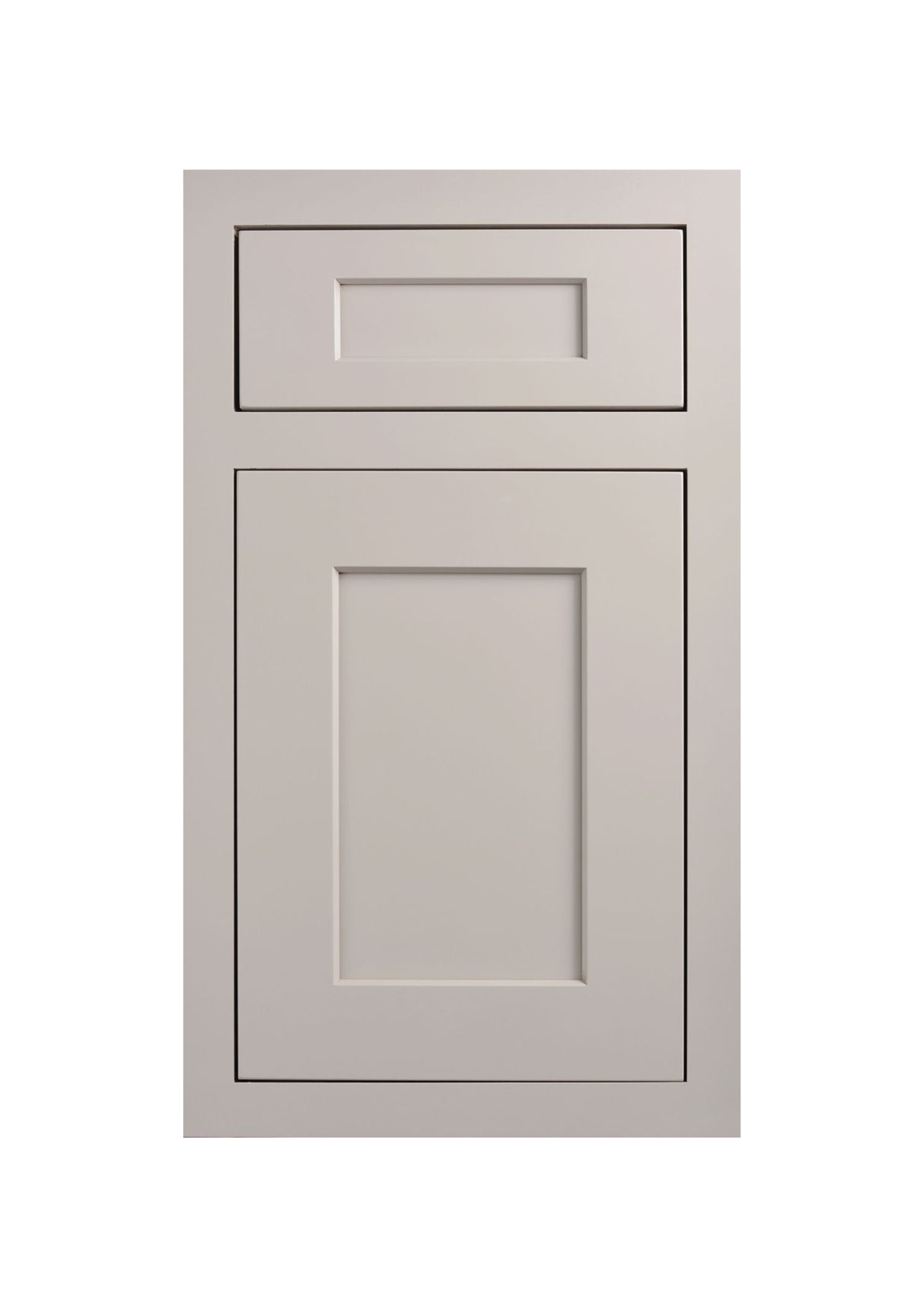 View collection
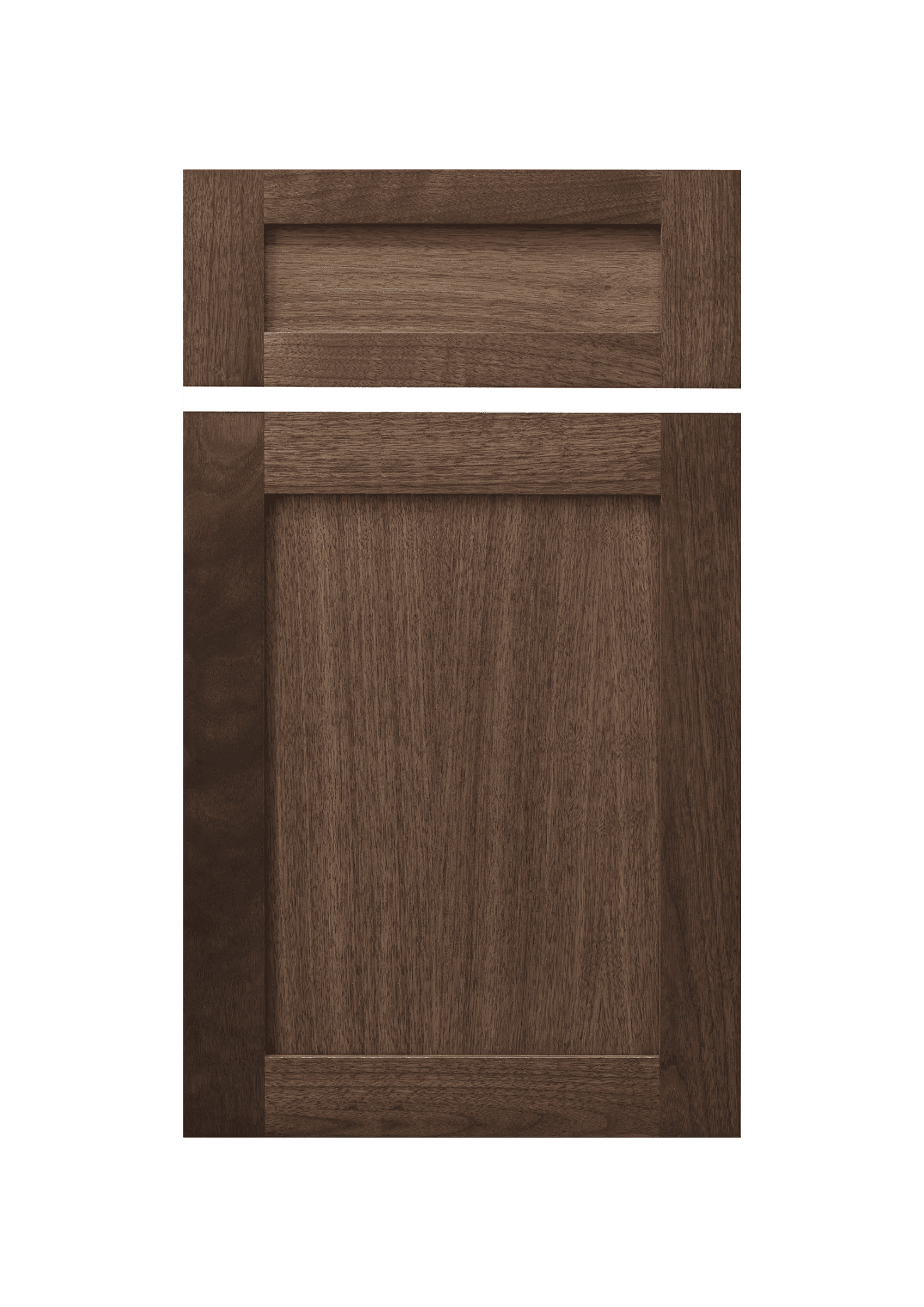 View collection
 View collection
 View collection