- Our Products
-
Choose your Cabinet Style
-

In the global kitchen cabinet market, Shaker Cabinet remains one of the most consistently specified cabinet styles for both residential and commercial projects. Unlike trend-driven designs that quickly lose relevance, Shaker cabinets are valued for their clean structure, timeless appearance, and manufacturing efficiency. These characteristics make them especially suitable for builders, developers, and distributors who prioritize long-term reliability, cost control, and repeatable quality.
As international buyers continue to diversify their sourcing strategies, Shaker Cabinet manufacturing in Vietnam has gained strong attention. Vietnam offers a competitive manufacturing environment supported by skilled labor, export-oriented factories, and established experience supplying the U.S. and other global markets. For B2B buyers, sourcing shaker-style cabinetry from Vietnam is not simply a cost decision—it is a strategic move to secure stable supply, consistent quality, and scalable production.
This article examines shaker-style cabinetry manufacturing from a B2B perspective, focusing on design fundamentals, production capability, materials, and why Vietnam has become a reliable manufacturing base for residential and commercial Shaker cabinet programs.
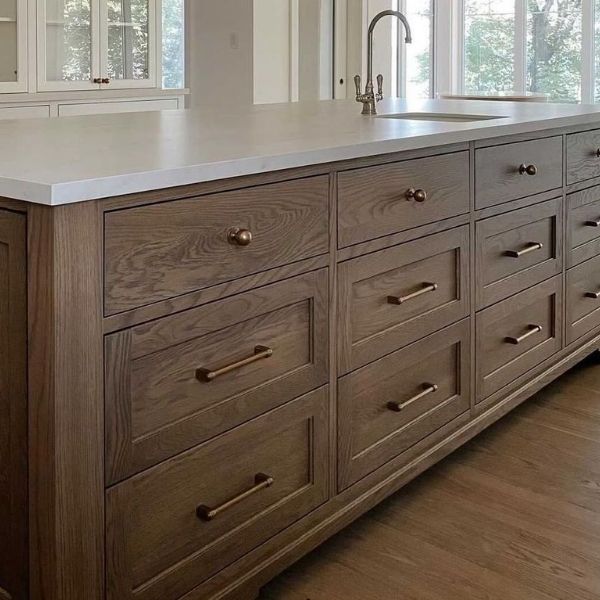
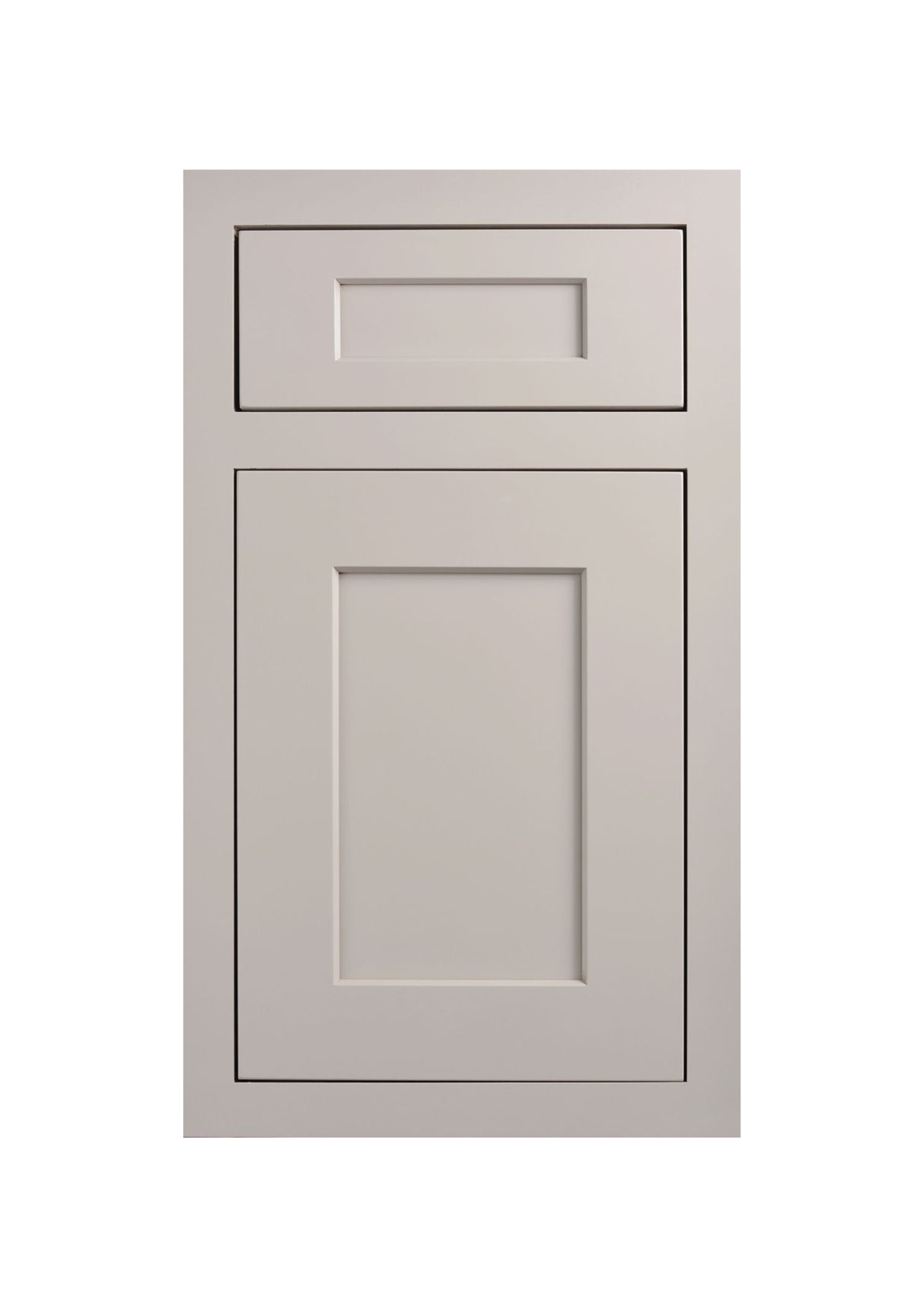
Standard five-piece Shaker cabinet door with a recessed center panel.
A shaker-style cabinetry is defined by a simple five-piece door construction consisting of a flat recessed center panel, two vertical stiles, and two horizontal rails. The design avoids decorative molding, bevels, or ornamentation, emphasizing balance, proportion, and structural clarity.
From a manufacturing standpoint, shaker-style cabinetry offer several advantages:
Because of this simplicity, shaker-style cabinetry are widely used across:
For B2B buyers, the shaker-style cabinetry is a low-risk, high-acceptance product that performs consistently across different markets and price segments.
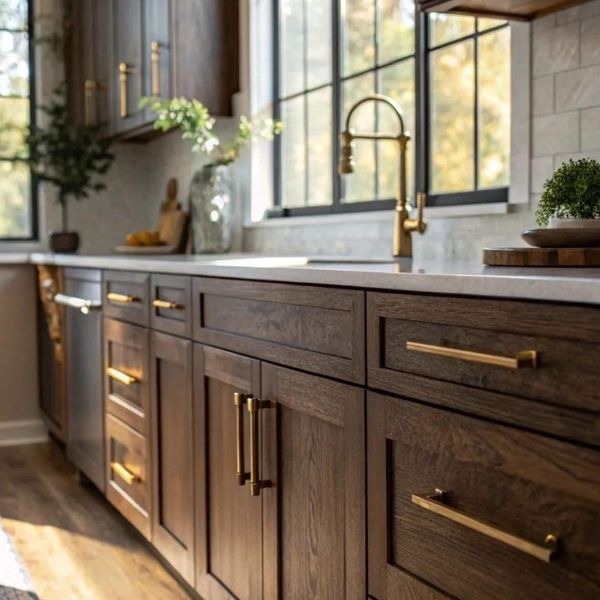
Shaker cabinets specified for repeatable residential housing developments.
One of the main reasons Shaker Cabinet remains dominant in project-based construction is design longevity. shaker-style cabinetry do not rely on short-term design trends, allowing builders and developers to specify the same cabinet program across multiple phases or projects without aesthetic obsolescence.
The structural simplicity of shaker-style cabinetry allows manufacturers to maintain tight tolerances during production. This consistency is critical for:
In Shaker cabinet factory in Vietnam, factories are optimized to produce uniform door profiles and cabinet boxes across thousands of units.
Standardized shaker-style cabinetry dimensions and construction reduce installation complexity on site. For contractors and installers, this translates into:
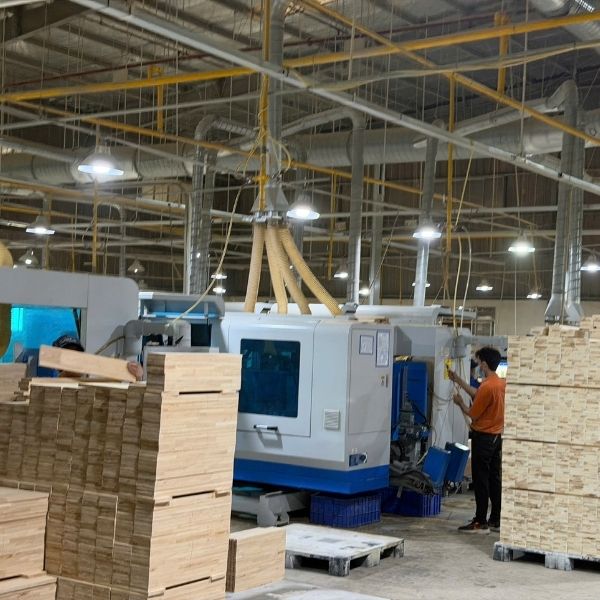
CNC machining and controlled production lines in Vietnam.
Vietnam has developed a strong reputation as an export-oriented manufacturing hub for kitchen cabinets. A professional shaker-style cabinetry manufacturer in Vietnam typically operates under structured industrial processes rather than small-scale workshop methods.
Key characteristics of modern shaker-style cabinetry factories in Vietnam include:
These factories focus on process stability and scalability, making them suitable partners for international B2B buyers.
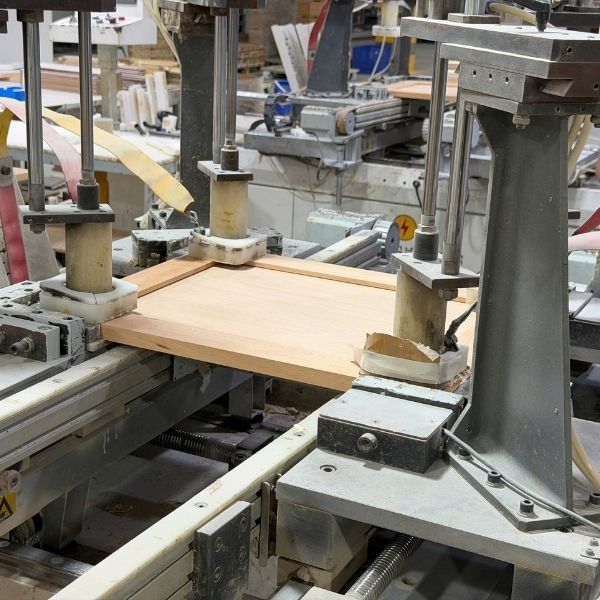
Engineered and solid wood materials used in Shaker cabinet production.
Material selection directly affects the durability and performance of shaker-style cabinetry in real-world residential and commercial environments.
Common materials used include:
In Shaker cabinet factory in Vietnam, materials are evaluated based on:
Proper material conditioning before production helps minimize warping and movement during overseas shipping and long-term use.
Shaker-style cabinetry doors are produced using CNC routers to ensure precise rail-and-stile profiles and consistent panel depth. CNC machining allows factories to maintain uniformity across large production volumes.
Door components are assembled and pressed to ensure tight joints and long-term structural integrity. This step is essential for maintaining door alignment after repeated use.
Uniform sanding prepares the surface for finishing. Proper sanding is critical to achieving a smooth, durable paint finish on shaker-style cabinetry doors.
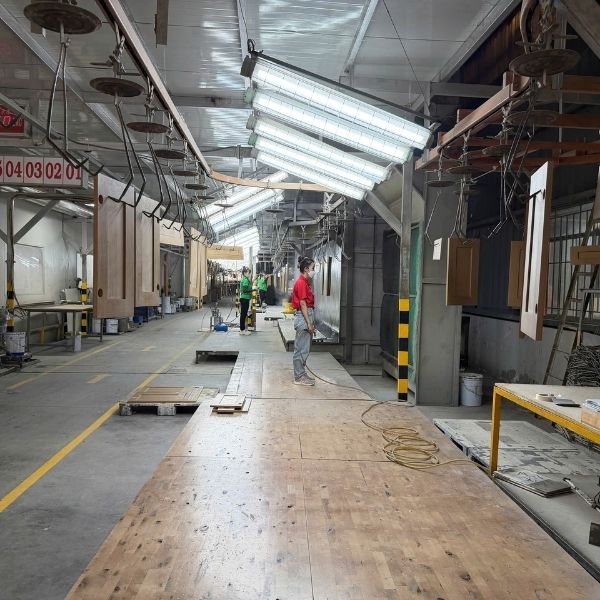
Multi-layer paint systems for export-quality Shaker cabinets.
Paint quality is one of the most important evaluation criteria for shaker-style cabinetry, especially in export markets.
Vietnamese manufacturers commonly apply:
Controlled spray environments and curing processes help ensure consistent color tone and surface durability. Neutral colors such as white, off-white, gray, and beige are most commonly specified for residential and commercial shaker-style cabinetry programs.
Beyond the door, cabinet box construction plays a major role in overall performance.
Common shaker-style cabinetry box options include:
A reliable Shaker Cabinet manufacturer will offer standardized box dimensions to support efficient installation and logistics planning.
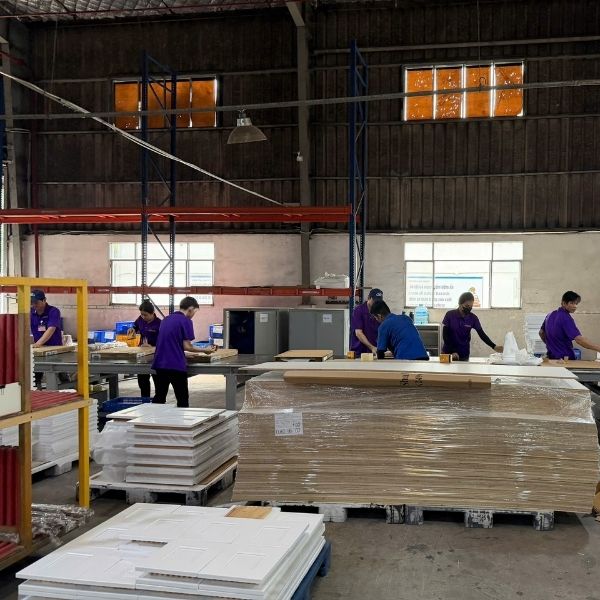
Ready-to-assemble Shaker cabinets optimized for international shipping.
Ready-to-Assemble (RTA) formats are widely used in Shaker Cabinet manufacturing in Vietnam to optimize international shipping.
Benefits of RTA shaker-style cabinetry include:
RTA systems are engineered with pre-drilled components and clear assembly logic to maintain structural integrity after installation.
The quality of a Shaker cabinet depends heavily on the manufacturing process. While the design itself is simple, precision and material selection play a crucial role in achieving a refined final product.
Most shaker-style cabinetry are manufactured using solid hardwood frames combined with engineered panels such as plywood or MDF for stability. Popular wood species include maple, oak, ash, and birch. These materials provide durability while maintaining the clean, straight lines that define Shaker cabinet construction.
The hallmark of shaker-style cabinetry manufacturing is the five-piece door:
Each joint must be accurately cut to ensure tight alignment and long-term structural integrity.
To preserve the minimalist aesthetic, finishes are typically smooth and consistent. Painted shaker-style cabinetry often undergo multiple sanding and coating stages, while stained versions highlight natural wood grain. Quality-controlled finishing ensures color consistency across large production runs.
Shaker-style cabinetry are widely used in residential projects due to their versatility and timeless appearance.
In kitchens, shaker-style cabinetry adapt effortlessly to both traditional and modern layouts. Their clean design pairs well with various countertop materials, backsplashes, and hardware styles.
Shaker-style vanities offer a balanced look for bathrooms, providing storage without overwhelming the space. Moisture-resistant finishes enhance longevity in humid environments.
Laundry rooms, pantries, and built-in storage solutions often feature shaker-style cabinetry because of their simplicity and functionality.
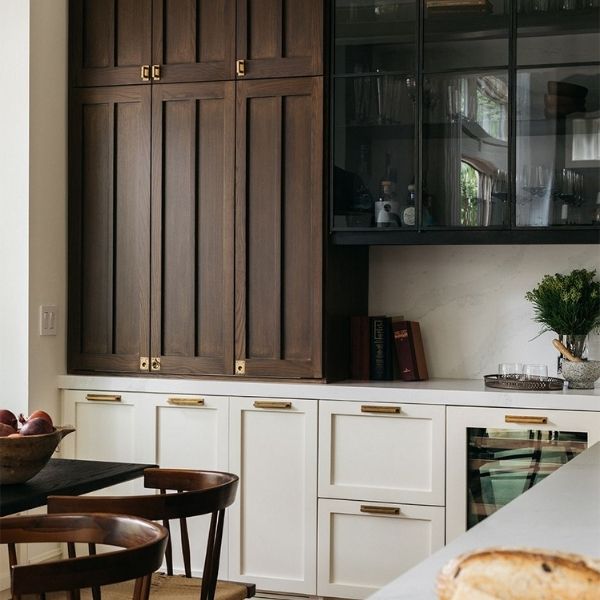
Shaker cabinets specified for hospitality and commercial environments.
Beyond residential use, shaker-style cabinetry are increasingly specified for commercial and multi-unit developments.
Hotels and serviced apartments favor shaker-style cabinetry for their neutral appeal and ease of maintenance.
Developers choose shaker-style cabinetry to achieve a consistent look across units while controlling costs and simplifying installation.
In office pantries and retail interiors, shaker-style cabinetry provide a professional, understated appearance that complements various branding styles.
Althoughshaker-style cabinetry are minimalist by design, they offer a wide range of customization options.
Depth of the recessed panel and frame width can be adjusted to suit different aesthetic preferences.
From classic white and gray to natural wood stains, shaker-style cabinetry can be finished to match diverse interior concepts.
Handles and knobs significantly influence the final look. Minimal bar pulls enhance a modern feel, while cup pulls or classic knobs lean traditional.
The enduring popularity of shaker-style cabinetry is not driven by trends but by practicality.
These advantages make Shaker cabinets a reliable choice for both short-term projects and long-term investments.
Selecting the right manufacturing partner is essential for achieving consistent quality.
Ensure the factory can meet your volume requirements without compromising finish quality.
Reliable manufacturers implement strict inspection standards at every stage of production.
For project-based orders, flexibility in dimensions, finishes, and packaging is critical.
Manufacturers with export experience understand international standards, packaging, and logistics requirements.
Shaker cabinets have strong demand in markets such as North America, Europe, and Australia. Their adaptability allows them to meet diverse regulatory and design requirements across regions.
Builders and distributors often select shaker-style cabinetry because they appeal to a broad customer base, reducing the risk of unsold inventory.
Modern shaker-style cabinetry manufacturing increasingly emphasizes sustainability. Responsible sourcing of wood materials, low-VOC finishes, and optimized production processes contribute to environmentally conscious projects.
Sustainability is becoming a decisive factor for developers and buyers when selecting cabinet suppliers.
Responsible sourcing of FSC-certified wood materials helps ensure long-term sustainability in cabinet manufacturing.
While the core design remains unchanged, subtle innovations continue to emerge. Integrated storage solutions, soft-close hardware, and advanced finishing technologies enhance usability without altering the classic Shaker appearance.
This balance between tradition and innovation ensures Shaker cabinets remain relevant in evolving markets.
Shaker cabinets represent a perfect balance between form and function. Their clean lines, structural simplicity, and adaptability make them suitable for residential and commercial applications alike.
By understanding the manufacturing process, application possibilities, and selection criteria, builders, designers, and distributors can confidently specify shaker-style cabinetry for projects that demand long-term value, aesthetic flexibility, and dependable quality.
 View collection
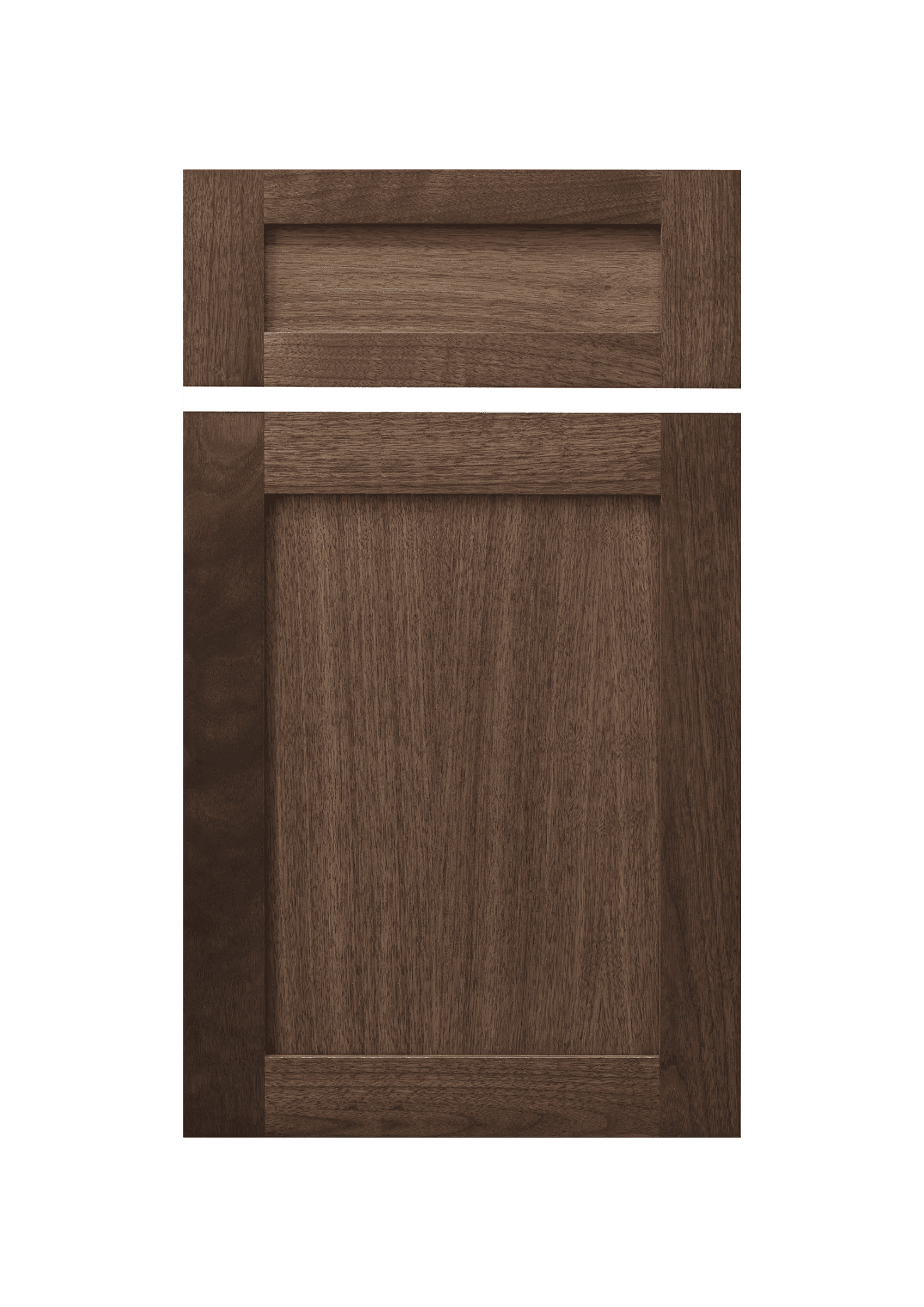 View collection
 View collection
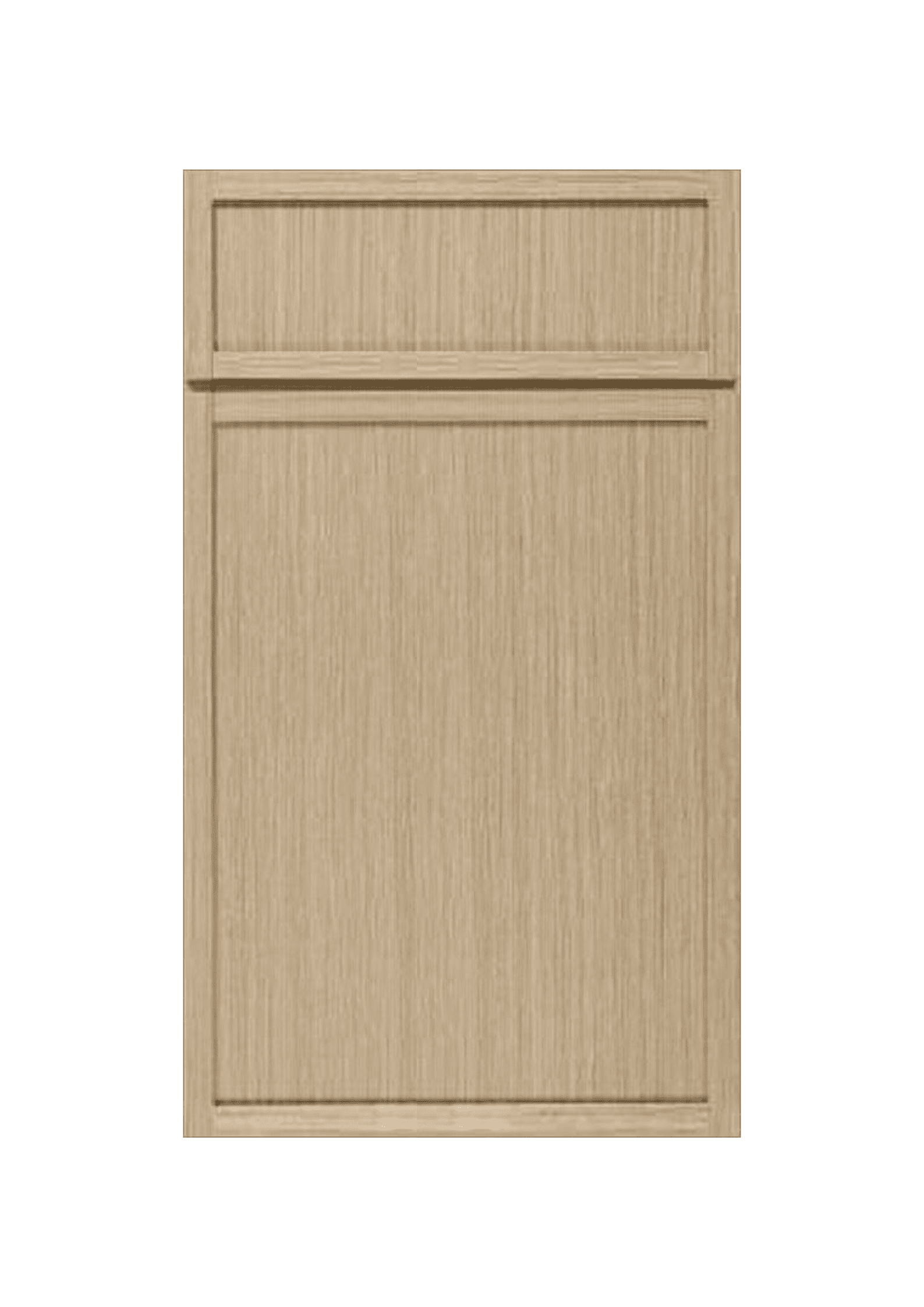 View collection