- Our Products
-
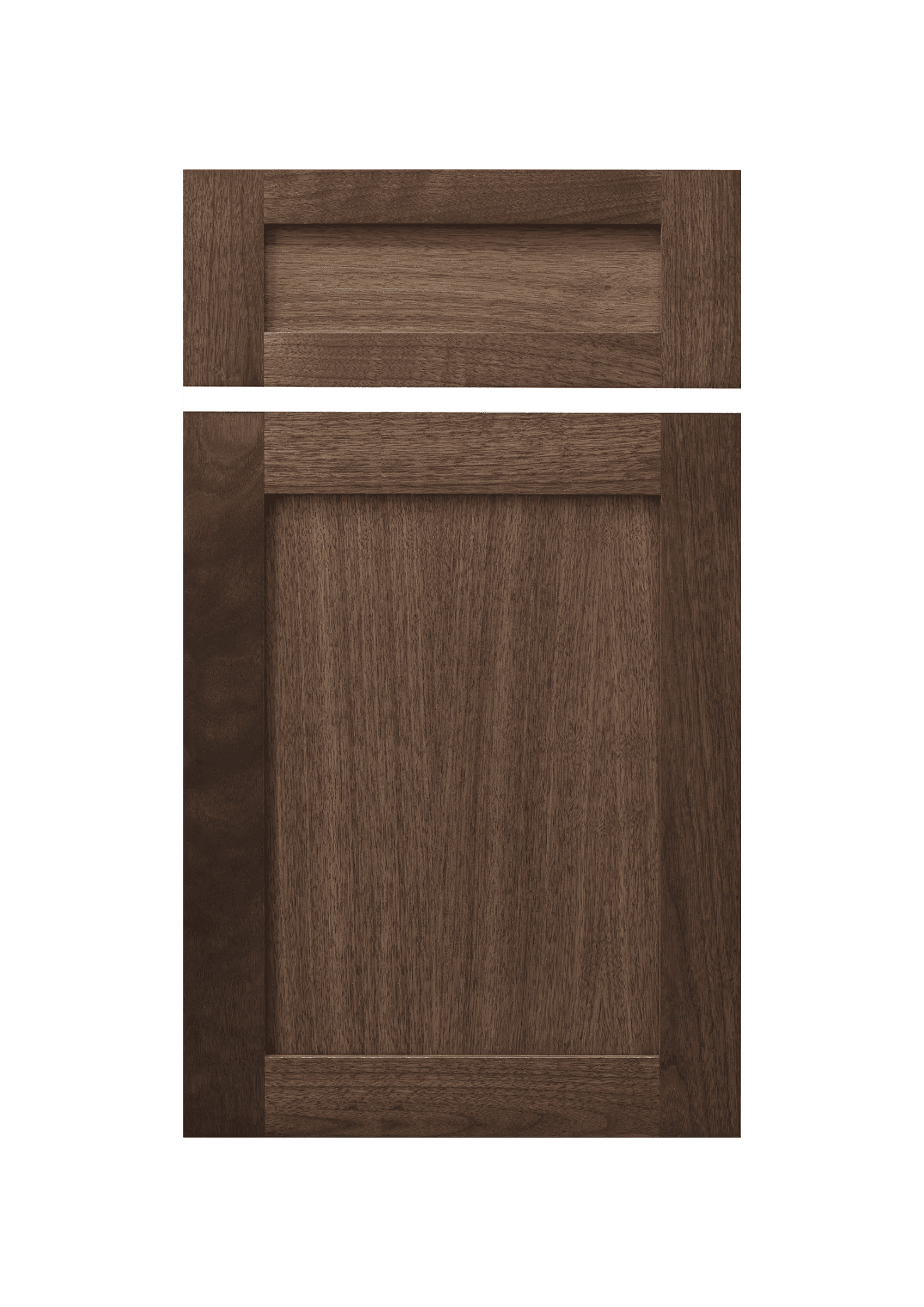
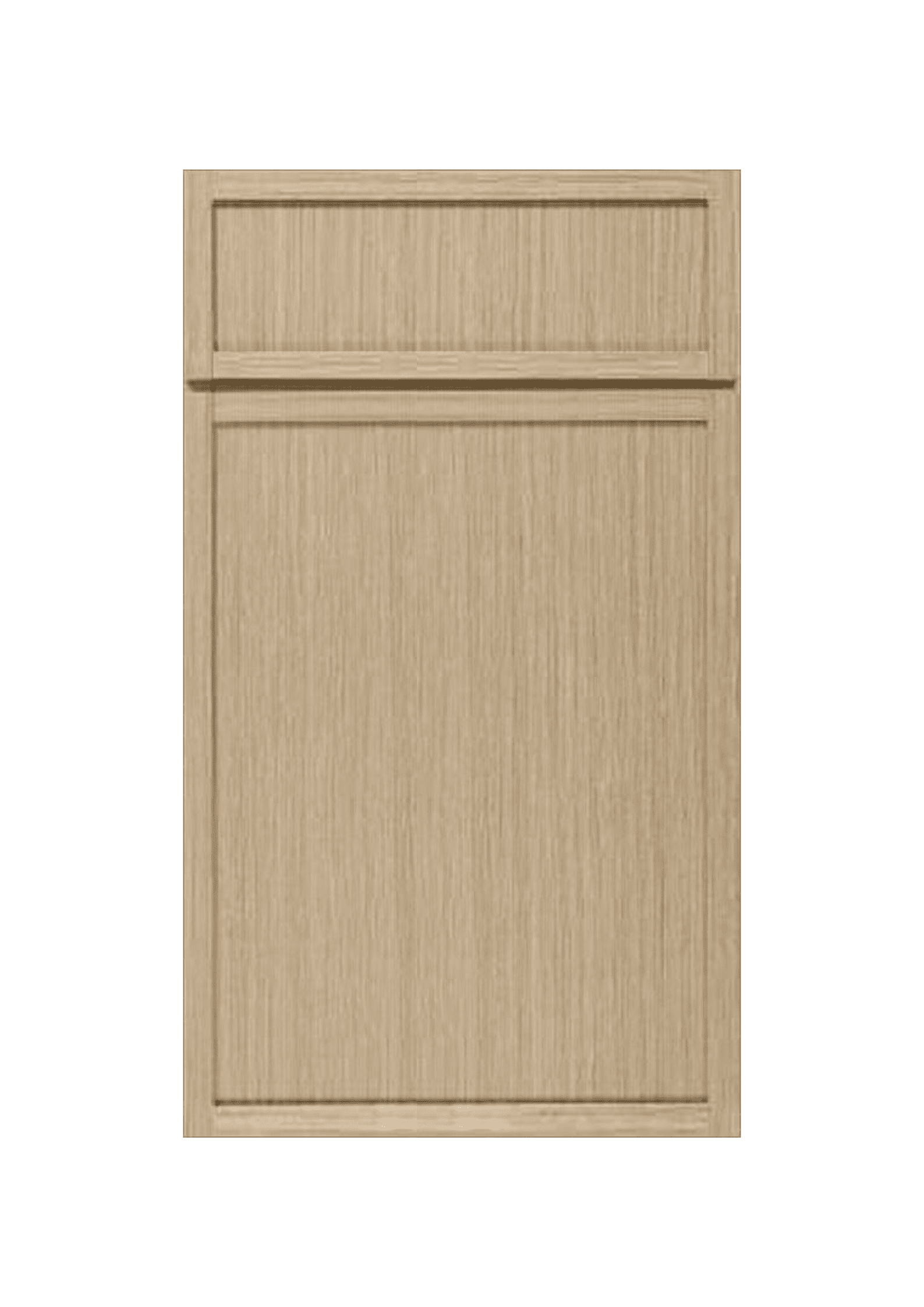
Choose your Cabinet Style
-

Kitchen cabinets are one of the most essential components in residential and commercial interior projects. While they are often viewed as a design feature, their importance goes far beyond aesthetics. For B2B buyers such as developers, importers, contractors, and distributors, kitchen cabinets directly influence project cost, installation efficiency, and long-term performance.
In large-scale developments, even small inconsistencies in kitchen cabinets can lead to delays, increased labor costs, and post-installation issues. As a result, sourcing decisions must be approached strategically, with careful evaluation of manufacturing capability, quality control, and supply chain reliability.
As global sourcing continues to evolve, buyers are increasingly looking beyond traditional markets. Vietnam has emerged as a competitive manufacturing hub, offering a combination of cost efficiency, improving quality standards, and strong export capabilities. Understanding how to evaluate kitchen cabinets suppliers in this context is essential for long-term success.

Kitchen cabinets installed across multiple residential units with consistent design and finish.
Kitchen cabinets are fundamental to kitchen organization and usability. In multi-unit housing or hospitality projects, cabinets must be designed for durability, ease of installation, and consistent performance across hundreds or thousands of units.
From a B2B perspective, poorly manufactured kitchen cabinets can create a chain reaction of problems. Installation teams may face alignment issues, components may not fit correctly, and replacement costs can quickly escalate. These risks highlight the importance of working with manufacturers that prioritize precision and consistency.
In addition to functionality, kitchen cabinets define the visual identity of a kitchen. Developers targeting international markets must align their designs with regional preferences, whether that involves modern minimalism or more traditional aesthetics.
Consistency is critical. Buyers expect uniform color, finish, and dimensions across all units. Achieving this level of standardization requires advanced manufacturing processes and strict quality control systems.
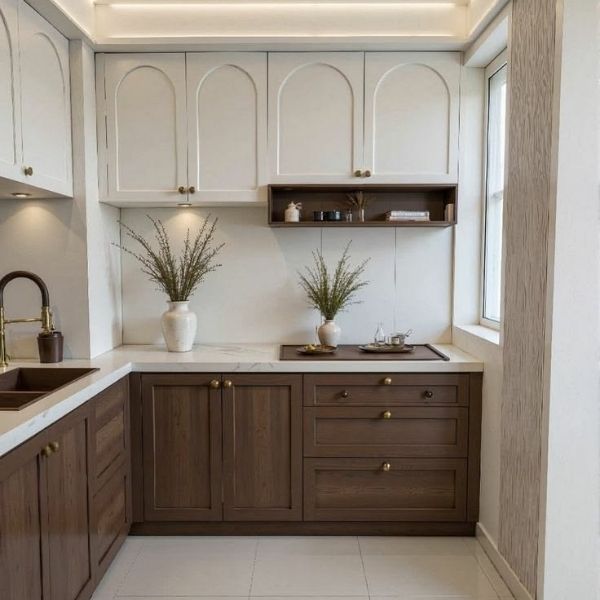
Shaker kitchen cabinets featuring a timeless design suitable for both modern and traditional interiors.
Shaker kitchen cabinets are among the most widely used cabinet styles globally. Their clean lines and simple construction make them highly adaptable across different market segments.
For B2B buyers, shaker kitchen cabinets offer several advantages:
Because of their simplicity, shaker cabinets are ideal for large-scale manufacturing, where consistency and cost control are priorities.
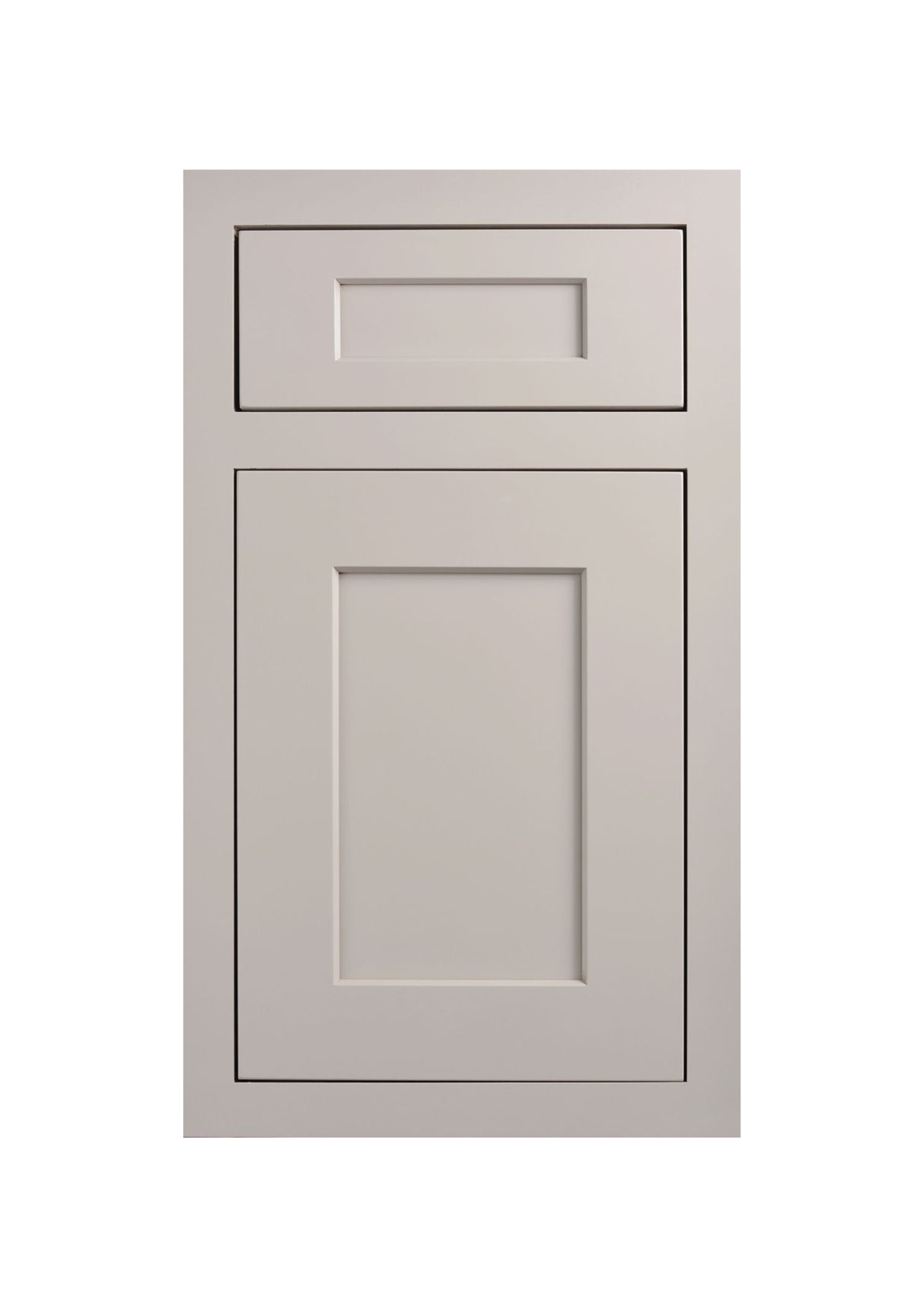
Inset kitchen cabinets are designed with doors that sit flush within the cabinet frame. This style requires a high level of precision and craftsmanship during manufacturing.
While inset kitchen cabinets are more expensive to produce, they are often used in premium projects where attention to detail is essential. For developers targeting high-end markets, inset cabinets can enhance perceived value and differentiation.
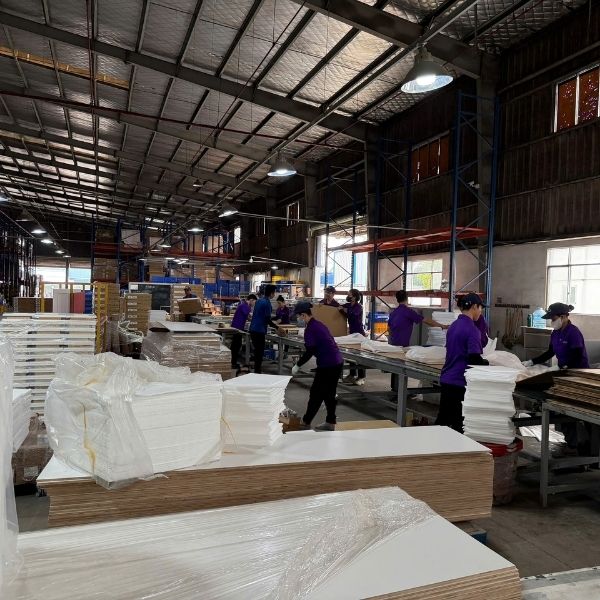
RTA kitchen cabinets designed for flat-pack shipping and easy assembly.
RTA kitchen cabinets are engineered for flat-pack shipping and on-site assembly. This approach offers significant logistical advantages, especially for international distribution.
For B2B buyers, RTA kitchen cabinets provide:
However, RTA systems require precise engineering to ensure that assembly is straightforward and reliable.
Solid wood is commonly used for cabinet doors and frames in higher-end kitchen cabinets. It offers durability and
a natural appearance that appeals to premium markets.
However, solid wood must be carefully processed and treated to prevent issues such as warping, especially when products are shipped across different climates.
MDF is widely used in painted kitchen cabinets due to its smooth and consistent surface. It allows for high-quality finishes and is more cost-effective than solid wood.
For B2B buyers, MDF-based kitchen cabinets offer a balance between cost and visual quality, making them suitable for mid-range projects.
Plywood is a preferred material for cabinet boxes because of its strength and resistance to moisture. It performs well in demanding kitchen environments and is often used in export-grade kitchen cabinets.
The choice of materials plays a critical role in determining the durability and overall value of the final product.
Many international buyers today prioritize responsibly sourced materials. Certifications such as Forest Stewardship Council (FSC) help ensure that wood used in kitchen cabinets comes from sustainably managed forests, supporting both environmental responsibility and long-term supply stability.
Vietnam has become an increasingly important manufacturing base for kitchen cabinets. Key advantages include:
These factors allow Vietnam manufacturers to meet the needs of global buyers while maintaining cost efficiency.
Modern Vietnam factories are capable of handling:
This scalability is particularly valuable for buyers managing large projects or expanding distribution networks.
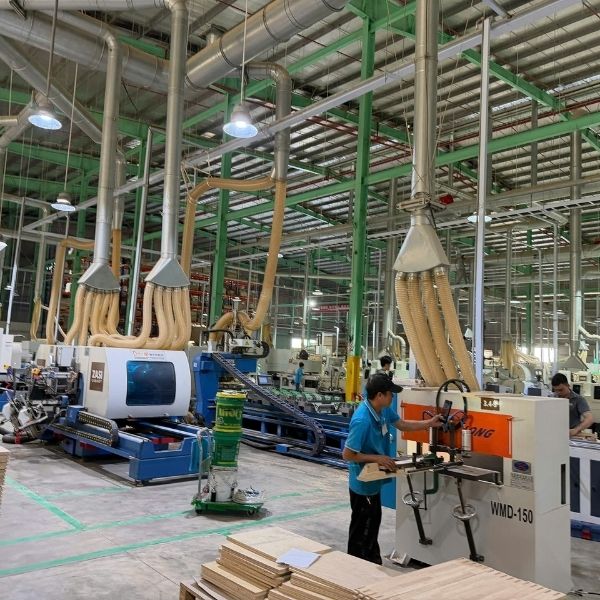
Advanced CNC machinery used in kitchen cabinets production for precision and consistency.
Advanced manufacturing technologies play a key role in ensuring the quality of kitchen cabinets. CNC machines, automated cutting systems, and edge banding equipment are widely used to achieve high precision.
Automation reduces human error and ensures consistency across large production volumes, which is critical for B2B projects.
The finishing process is one of the most important stages in cabinet production. High-quality kitchen cabinets require consistent color, smooth surfaces, and durable coatings.
Common finishing techniques include:
A controlled finishing environment ensures that each unit meets the same quality standards.
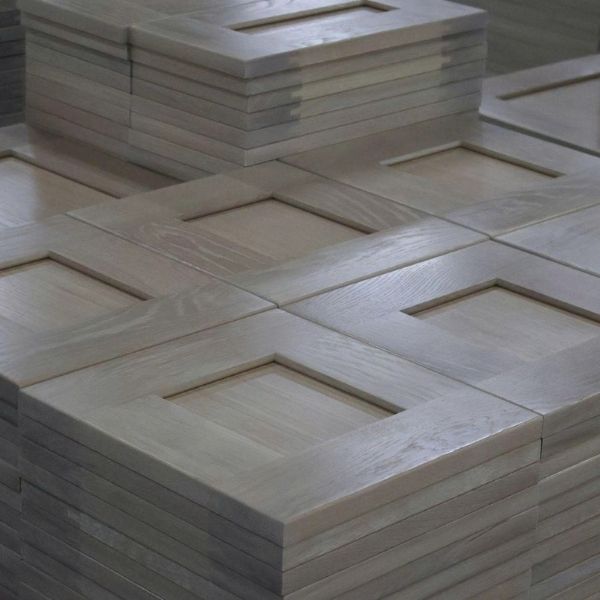
Finishing process ensuring smooth surface and consistent color in kitchen cabinets.
Quality control is essential for ensuring that kitchen cabinets meet both functional and aesthetic requirements. Reliable manufacturers implement inspections at multiple stages:
This approach reduces the risk of defects and ensures consistent quality.
Kitchen cabinets intended for export must meet various regulatory requirements, including:
Compliance is particularly important for accessing markets such as North America and Europe.
Understanding cost structure is essential for making informed sourcing decisions. The total cost of kitchen cabinets typically includes:
Each component can vary significantly depending on the manufacturer and production location.
While cost is an important factor, B2B buyers must consider long-term value. Lower-priced kitchen cabinets may lead to higher maintenance or replacement costs over time.
A balanced approach focuses on achieving consistent quality at a competitive price point.
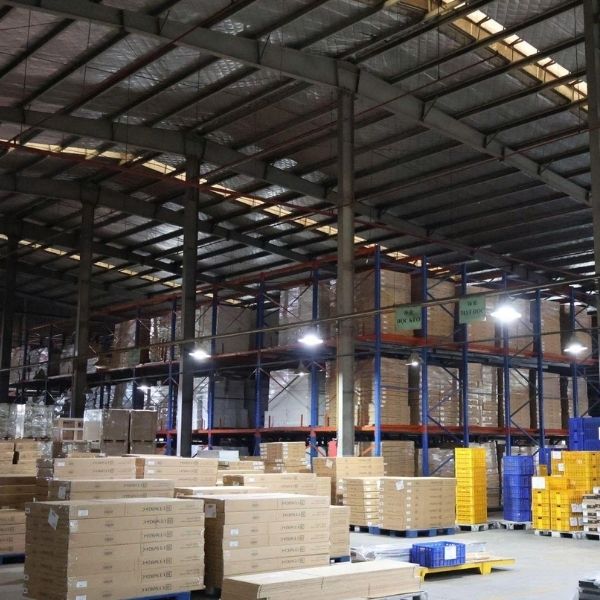
Kitchen cabinets securely packaged for international shipping.
Effective packaging is critical for protecting kitchen cabinets during international shipping. Common solutions include:
Good packaging reduces the risk of product loss and ensures that cabinets arrive in optimal condition.
Reliable lead times are essential for project planning. Vietnam’s logistics infrastructure supports efficient export operations, allowing buyers to manage timelines effectively.
Working with experienced manufacturers helps ensure that production and shipping schedules are aligned with project requirements.
Sourcing kitchen cabinets internationally involves several risks, including:
Identifying these risks early allows buyers to implement mitigation strategies.
To minimize risk, B2B buyers should:
Strong supplier relationships also play a key role in reducing uncertainty.
Selecting the right manufacturer requires a comprehensive evaluation of:
Reliable suppliers should demonstrate consistency and transparency throughout the process.
Building a long-term partnership with a kitchen cabinets manufacturer provides strategic advantages. It enables better collaboration, improved pricing stability, and continuous product development.
For B2B buyers, strong partnerships contribute to more efficient operations and sustainable growth.
Modern design trends favor simplicity and functionality. Clean lines and neutral colors are increasingly popular in global markets.
Sustainability is becoming a key consideration in kitchen cabinets manufacturing. Buyers are prioritizing eco-friendly materials and production processes.
The ability to adapt products to different markets is essential. Manufacturers who offer flexible customization options are better positioned to meet diverse customer needs.
Kitchen cabinets are a critical investment for B2B buyers, influencing both project performance and long-term value. Successful sourcing requires a comprehensive understanding of materials, manufacturing processes, and supply chain dynamics.
Vietnam has emerged as a strong contender in the global kitchen cabinets industry, offering a combination of cost efficiency, improving quality standards, and scalable production capabilities. For international buyers, this creates new opportunities to optimize sourcing strategies.
Rather than focusing solely on price, B2B buyers should evaluate suppliers based on consistency, reliability, and long-term partnership potential. Manufacturers such as Starvia Cabinet reflect this shift, emphasizing operational strength, modern production systems, and export readiness.
By taking a strategic approach, businesses can ensure that their kitchen cabinets sourcing decisions support both immediate project goals and long-term growth.


 View collection
 View collection
 View collection
 View collection