- Our Products
-
Choose your Cabinet Style
-

In global cabinet manufacturing, consistency is no longer just a quality preference—it has become a fundamental requirement for scalable production and reliable supply. Among all quality factors, cabinet finish consistency stands out as one of the most visible and most difficult to control.
For B2B buyers such as developers, distributors, and kitchen brands, inconsistent finishes are not minor imperfections. They can lead to project delays, increased costs, and compromised brand perception in highly competitive markets. When cabinets are installed side by side, even subtle differences in color tone, sheen, or surface texture become immediately noticeable.
As sourcing shifts toward high-volume manufacturing hubs like Vietnam, the expectation is no longer just cost efficiency, but the ability to deliver repeatable quality across batches, timelines, and projects. This is where cabinet finish consistency becomes a key benchmark in evaluating manufacturing capability.
This article explores the importance of finish consistency in cabinet production, the challenges manufacturers face, and the systems required to achieve reliable, large-scale results for global B2B supply chains.
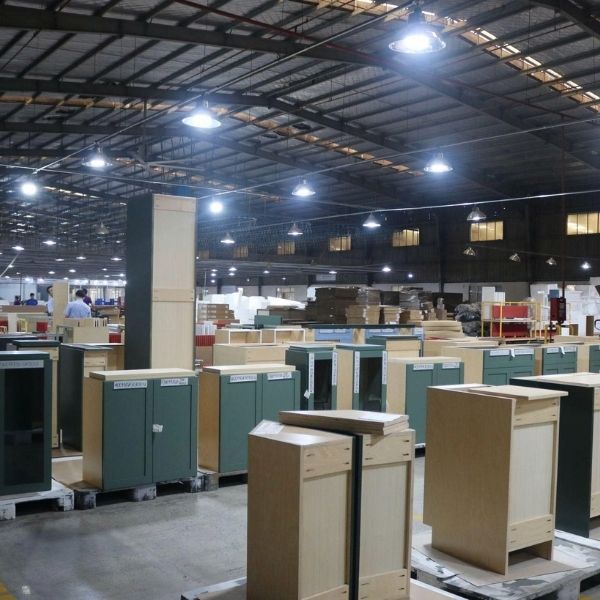
Uniform cabinet finishes are critical for maintaining visual consistency in completed kitchen projects.
In large-scale cabinet manufacturing, visual quality is no longer a secondary consideration. For developers, importers, and kitchen brands operating in competitive markets, cabinet finish consistency has become a defining factor in supplier selection.
Unlike structural components that may remain hidden after installation, cabinet finishes are immediately visible. They are evaluated under consistent lighting conditions, across continuous surfaces, and often within tightly designed interior spaces. Even slight variations in color tone, sheen, or texture can disrupt the overall visual harmony of a project.
From a B2B perspective, these inconsistencies translate into measurable risks. Projects may face delays due to rejected batches, installers may need to spend additional time sorting components, and brands may experience negative feedback from end users. Over time, these issues accumulate and affect long-term business performance.
As global sourcing continues to shift toward high-volume manufacturing in countries like Vietnam, the ability to maintain consistent finishes across multiple shipments has become a key indicator of operational reliability. In this context, cabinet finish consistency is not simply about aesthetics—it reflects how well a manufacturer controls its processes at scale.
In practical terms, cabinet finish consistency refers to the ability to produce cabinet components that maintain uniform visual and physical characteristics across different production batches. This includes alignment in color, coating thickness, surface smoothness, and sheen level.
Consistency must be achieved not only within a single batch but also across production timelines that may extend over several months. For example, a residential project may require cabinets delivered in phases. If the finish varies between early and later shipments, the final installation will appear mismatched, even if each batch individually meets quality standards.
Achieving this level of uniformity requires strict control over every stage of production. Surface preparation must be standardized, coating materials must be carefully managed, and curing conditions must remain stable. Even small variations—such as differences in sanding pressure or drying time—can lead to noticeable changes in the final product.
For this reason, manufacturers that consistently deliver high-quality finishes are typically those with well-defined processes, advanced equipment, and strong quality management systems.
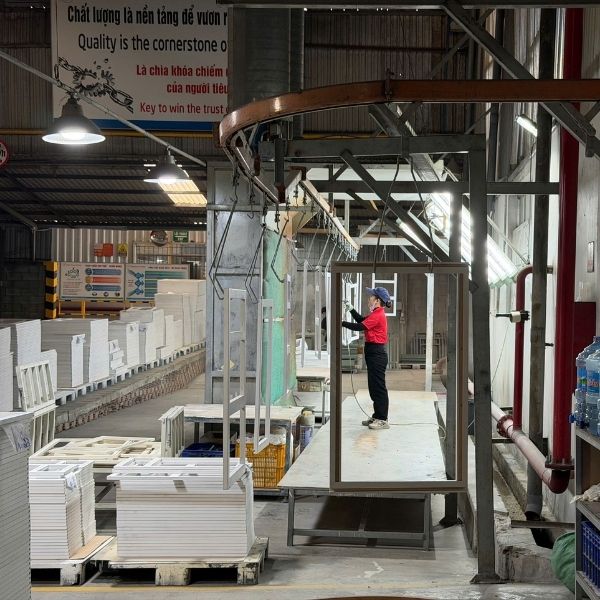
Temperature and humidity control are essential for maintaining cabinet finish consistency.
Maintaining cabinet finish consistency at scale is a complex task, and many factories encounter challenges that limit their ability to deliver uniform results.
One of the most common issues is material variability. Different batches of MDF or plywood may have slight differences in density or moisture content, which affect how coatings are absorbed. Without proper control, these variations can lead to uneven color or texture.
Another significant challenge comes from manual production methods. When finishing processes rely heavily on individual workers, results can vary depending on technique and experience. Differences in spray angle, pressure, or application speed can create inconsistencies that become more pronounced in large production runs.
Environmental conditions also play a critical role. Temperature and humidity directly influence how coatings behave during application and curing. In facilities without controlled environments, fluctuations can lead to defects such as bubbling, uneven drying, or color shifting.
Finally, the absence of standardized procedures often results in inconsistent outcomes. Without clearly documented processes, production teams may apply slightly different methods across batches. Over time, these small variations lead to noticeable differences in finish quality.
To overcome these challenges, leading manufacturers invest in systems and processes designed to ensure repeatable results. Achieving cabinet finish consistency requires a combination of technology, process discipline, and skilled management.
Automation is one of the most effective tools for reducing variability. Automated finishing lines provide consistent application of coatings, ensuring uniform thickness and coverage across all components. By minimizing reliance on manual techniques, these systems improve repeatability and reduce the risk of human error.
Controlled finishing environments are equally important. Modern factories use enclosed spray booths and drying rooms with regulated temperature and humidity. This creates stable conditions that allow coatings to perform as intended, regardless of external weather conditions.
Surface preparation is another critical factor. Advanced sanding equipment ensures that all components have a uniform base before finishing. This allows coatings to adhere evenly and produce a consistent appearance.
In addition, digital color management systems enable manufacturers to maintain accurate color matching across different batches. These systems are particularly valuable for projects that require phased production, as they allow the factory to replicate exact color tones over time.
Together, these elements form a comprehensive approach to maintaining cabinet finish consistency in high-volume manufacturing.
In large-scale cabinet production, automated finishing systems play a critical role in maintaining consistent coating quality. Advanced equipment from manufacturers such as Cefla Finishing demonstrates how precision-controlled spraying and curing processes can significantly improve cabinet finish consistency across high-volume output.
Different finishing techniques present unique challenges when it comes to maintaining consistency, and understanding these differences is important for both manufacturers and buyers.
Painted finishes are among the most demanding in terms of process control. Matte and satin surfaces, in particular, require precise application to avoid variations in sheen or texture. Any inconsistency in spraying or curing can become visible once the cabinets are installed.
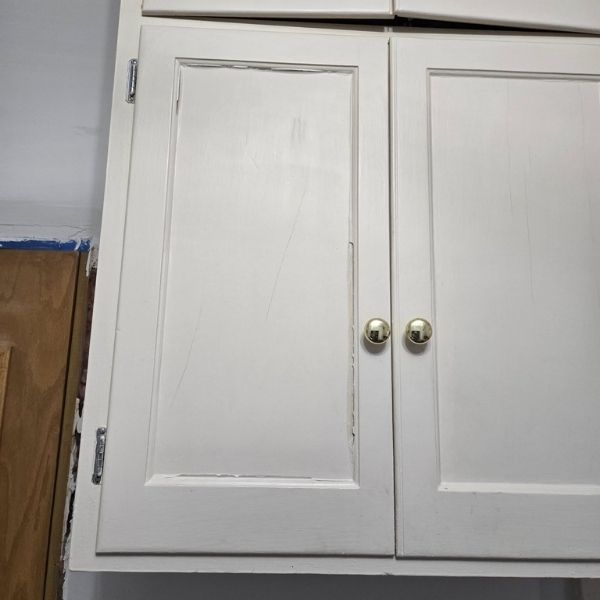
Inconsistent finishes can result in visible defects such as uneven coating and color variation.
Thermofoil and PVC finishes offer a higher level of inherent uniformity because they are applied using heat and pressure. However, consistency still depends on proper adhesion and edge sealing. Poor bonding or uneven pressure can result in defects that compromise the overall appearance.
Laminate finishes are generally more stable, as they are produced under controlled conditions before being applied to cabinet components. The main challenge lies in ensuring precise cutting and edge finishing to maintain a uniform look across all pieces.
Wood veneer finishes introduce natural variation due to grain patterns. Achieving visual consistency requires careful selection and matching of veneer sheets, as well as controlled staining processes. While some variation is expected, it must be managed to ensure a cohesive final appearance.
Each of these finishing methods requires a tailored approach to maintain cabinet finish consistency, highlighting the importance of technical expertise in the manufacturing process.

Quality control processes ensure cabinet finish consistency before shipment.
Consistent finishing cannot be achieved without a structured quality control system. Manufacturers that prioritize cabinet finish consistency implement multiple layers of inspection throughout the production process.
The first stage involves incoming material inspection. Raw materials are evaluated for moisture content, surface quality, and uniformity before entering production. This helps reduce variability at the source.
During production, in-process monitoring ensures that key parameters such as coating thickness and color accuracy remain within defined standards. Any deviations can be identified and corrected before they affect the final product.
Final inspection is conducted before packaging, focusing on visual consistency and surface quality. Components are checked for defects such as scratches, dust particles, or color mismatches.
In addition to these steps, advanced factories maintain detailed production records. By tracking materials, machine settings, and environmental conditions, they can replicate results across future orders. This level of traceability is essential for maintaining long-term cabinet finish consistency.
For international buyers, the importance of cabinet finish consistency extends beyond product quality. It directly influences operational efficiency and business outcomes.
Consistent finishes help protect brand reputation. When products meet expectations across multiple projects, buyers can build trust with their customers and strengthen their market position.
They also improve installation efficiency. Uniform components reduce the need for on-site adjustments, allowing projects to be completed more quickly and with fewer complications.
In large-scale developments, consistency is essential for scalability. Projects that require multiple shipments over time depend on the ability to match finishes across batches. Without this capability, even well-planned projects can encounter significant challenges.
Finally, consistent quality helps control costs. By reducing defects, returns, and rework, manufacturers and buyers can achieve more predictable and efficient operations.
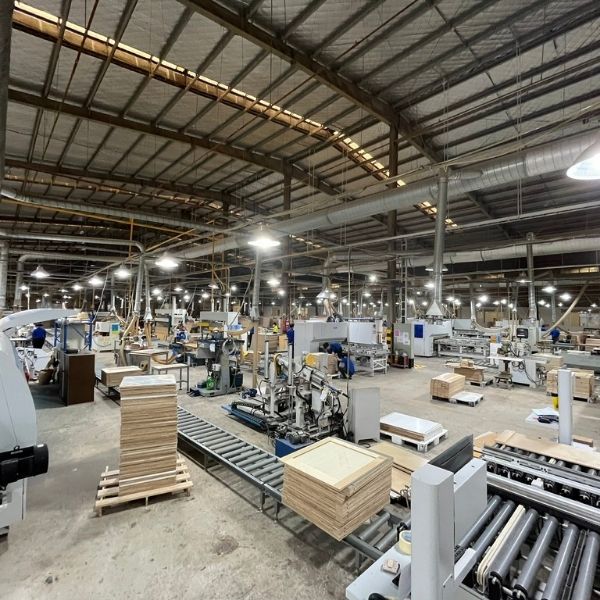
Modern Vietnam factories are increasingly capable of delivering consistent cabinet finishes at scale.
Vietnam has become an increasingly important player in global cabinet manufacturing, offering competitive pricing and growing technical capabilities. However, the ability to deliver consistent quality varies significantly between factories.
Manufacturers that excel in cabinet finish consistency typically invest in modern equipment, standardized processes, and skilled technical teams. They also have experience working with international clients, which requires adherence to strict quality standards.
For buyers, selecting the right partner in Vietnam involves more than comparing prices. It requires evaluating the factory’s ability to maintain consistent results across large production volumes and extended timelines.
Factories that prioritize process control and continuous improvement are better positioned to meet the expectations of global markets.
Before committing to a manufacturing partner, buyers should take a structured approach to evaluating cabinet finish consistency.
One effective method is to review samples from different production batches. This provides insight into how well the factory maintains consistency over time.
It is also important to assess the factory’s production capabilities. The presence of automated finishing systems and controlled environments is a strong indicator of reliability.
Understanding the quality control process is another key step. Manufacturers that can clearly explain their inspection procedures and documentation systems are more likely to deliver consistent results.
Finally, reviewing past project experience can help buyers gauge the factory’s ability to handle large-scale production. Suppliers with a proven track record are generally more reliable partners.
In modern cabinet manufacturing, cabinet finish consistency has become a critical benchmark for evaluating supplier capability. It reflects not only the visual quality of the product but also the manufacturer’s ability to manage complex production processes with precision.
Achieving consistent finishes requires a combination of advanced technology, controlled environments, and disciplined quality management. Manufacturers that invest in these areas are better equipped to deliver reliable results across large-scale projects.
For B2B buyers, prioritizing cabinet finish consistency when selecting a supplier helps reduce risk, improve efficiency, and ensure long-term success. In an industry where visual quality plays a central role, consistency is not an added value—it is a fundamental requirement.
From a practical standpoint, working with a Vietnam cabinet factory that emphasizes standardized production and controlled finishing processes—such as Starvia Cabinet—provides a balanced approach to achieving both cost efficiency and reliable quality in global supply chains.




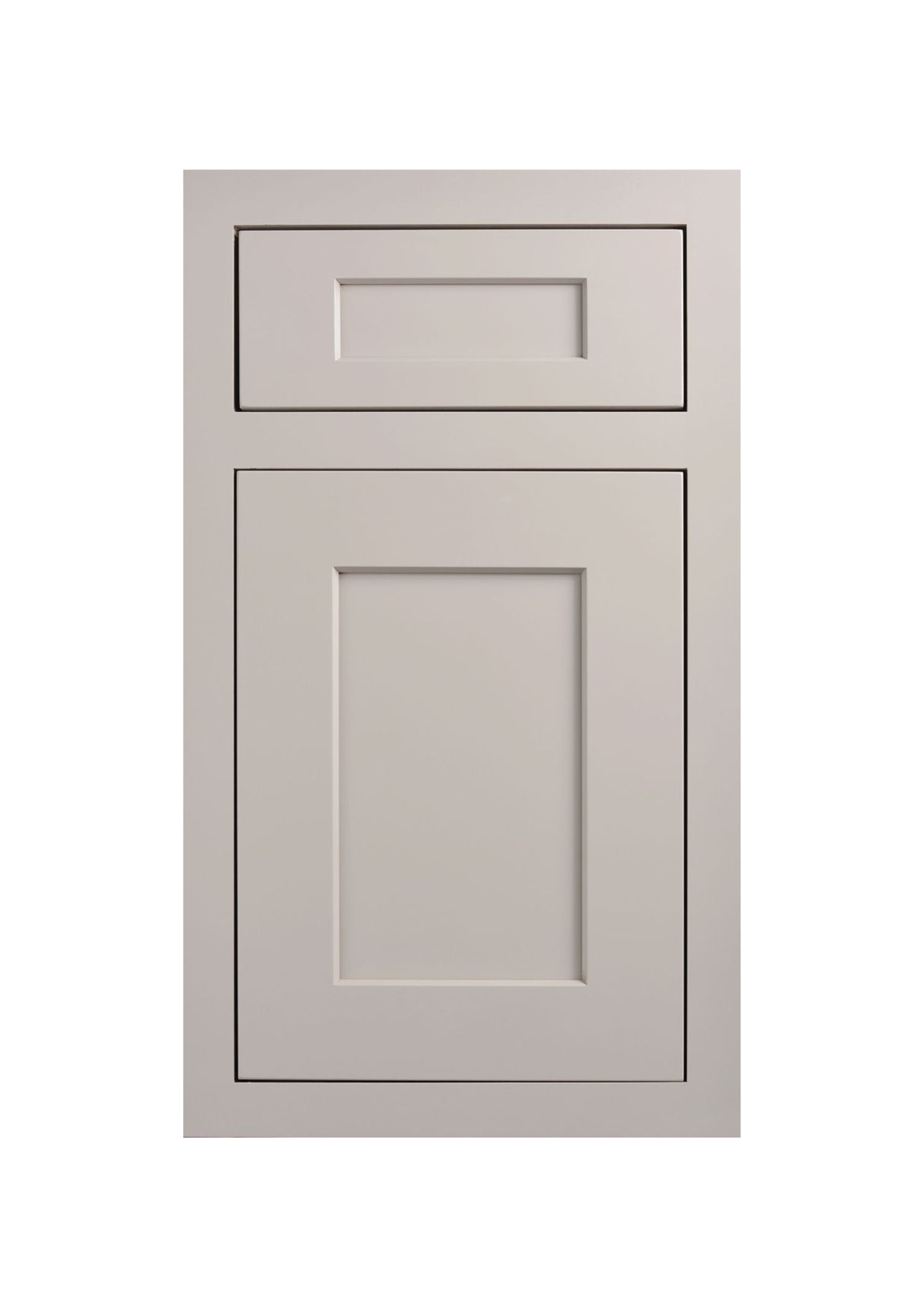 View collection
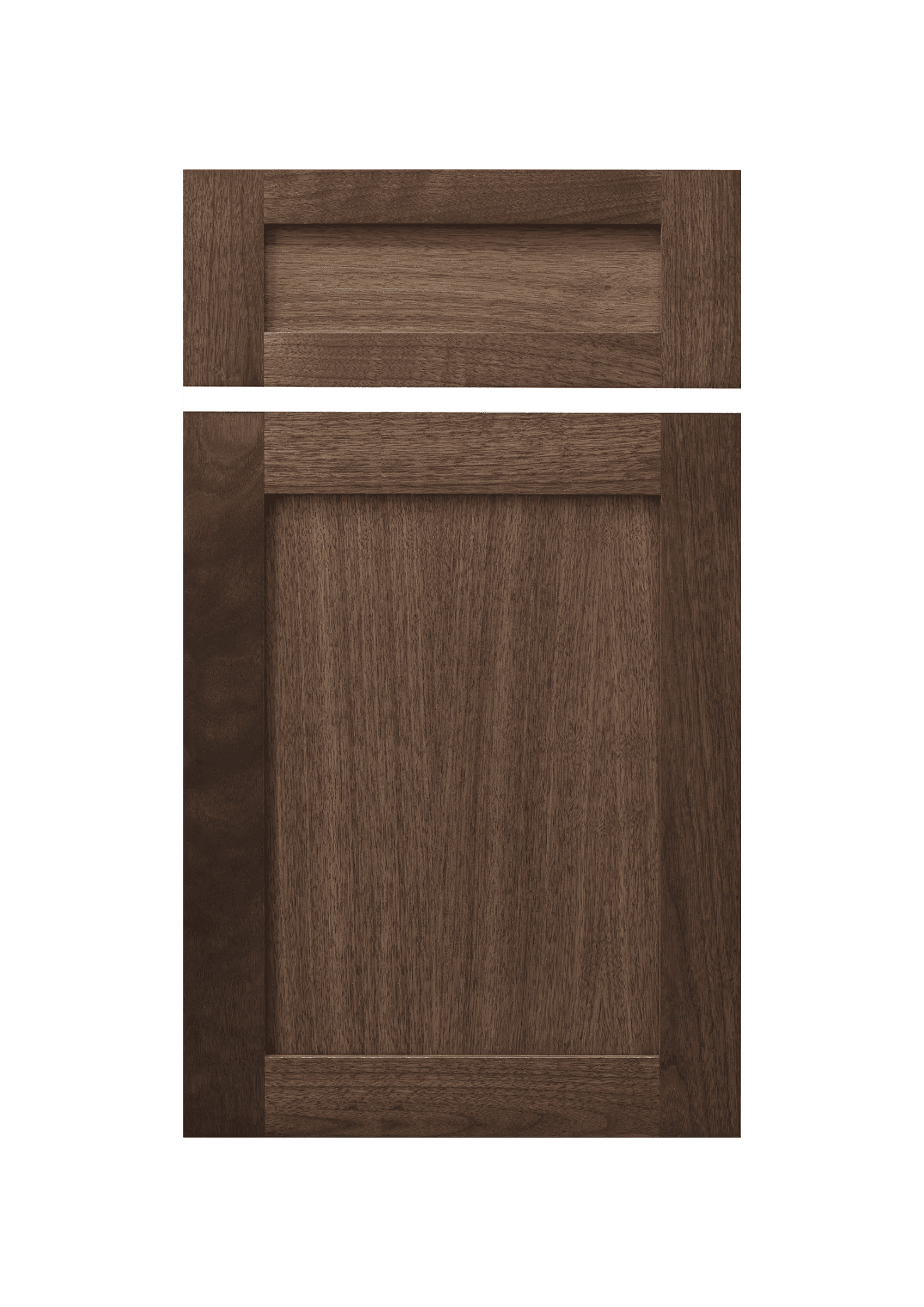 View collection
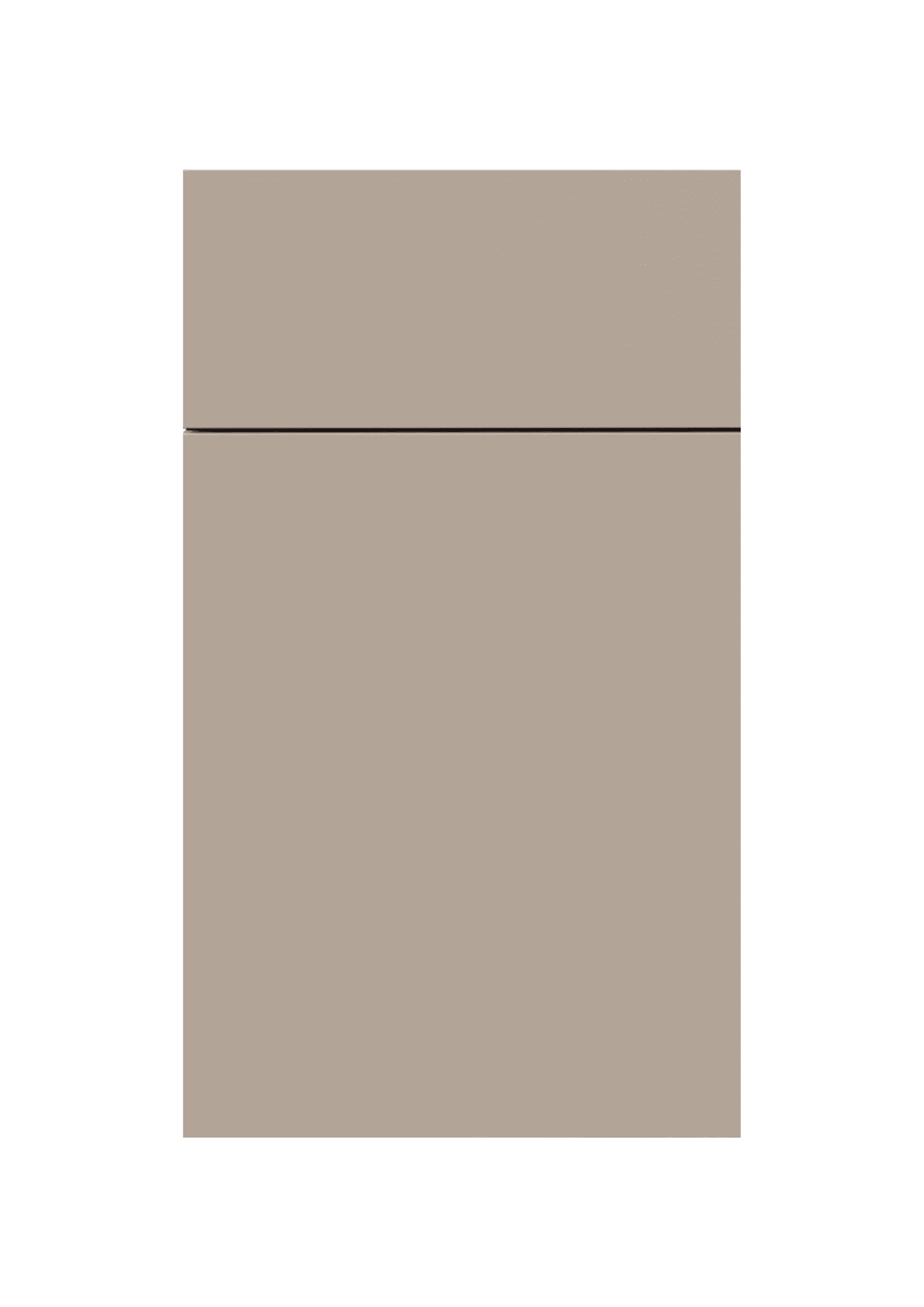 View collection
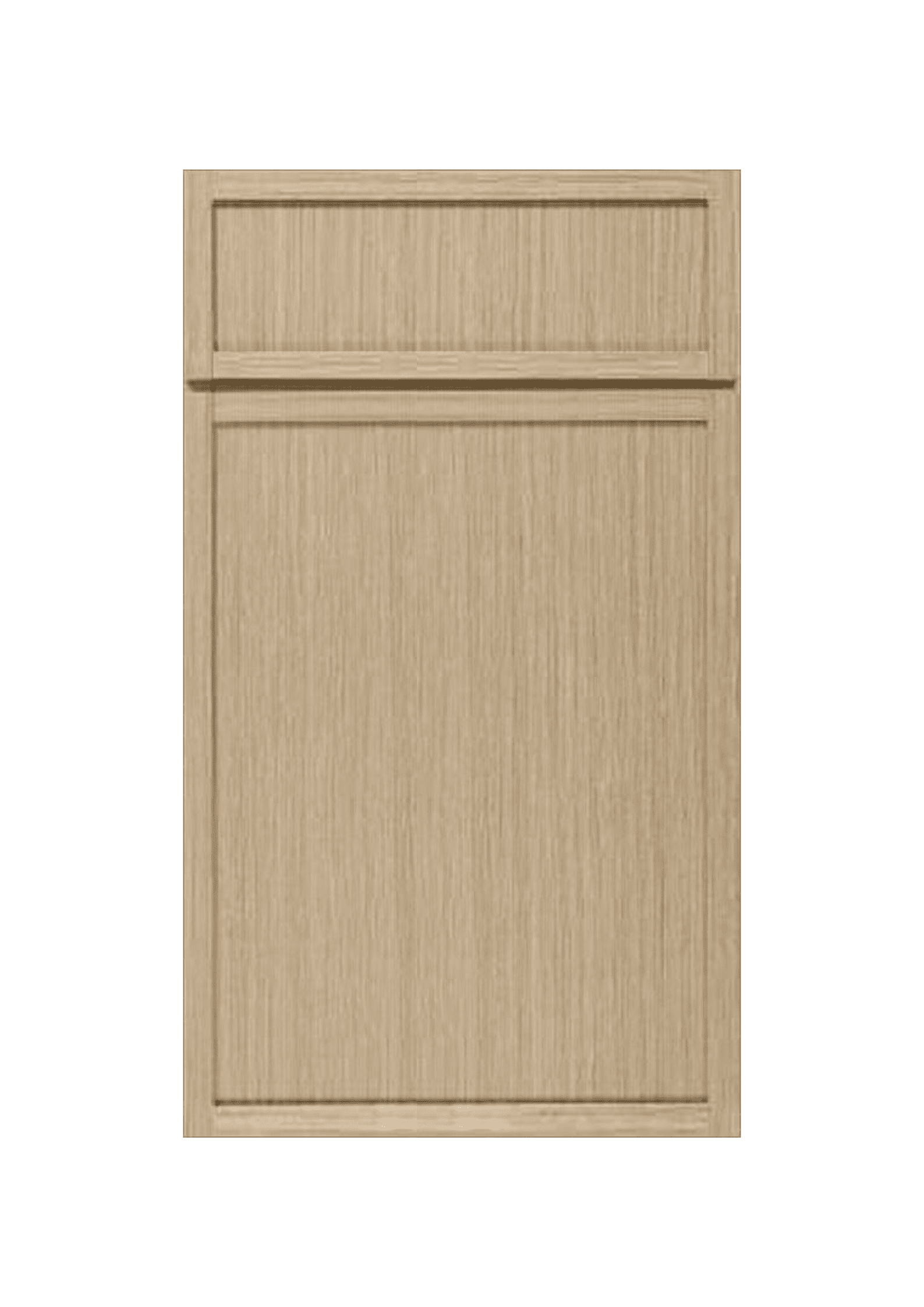 View collection