- Our Products
-
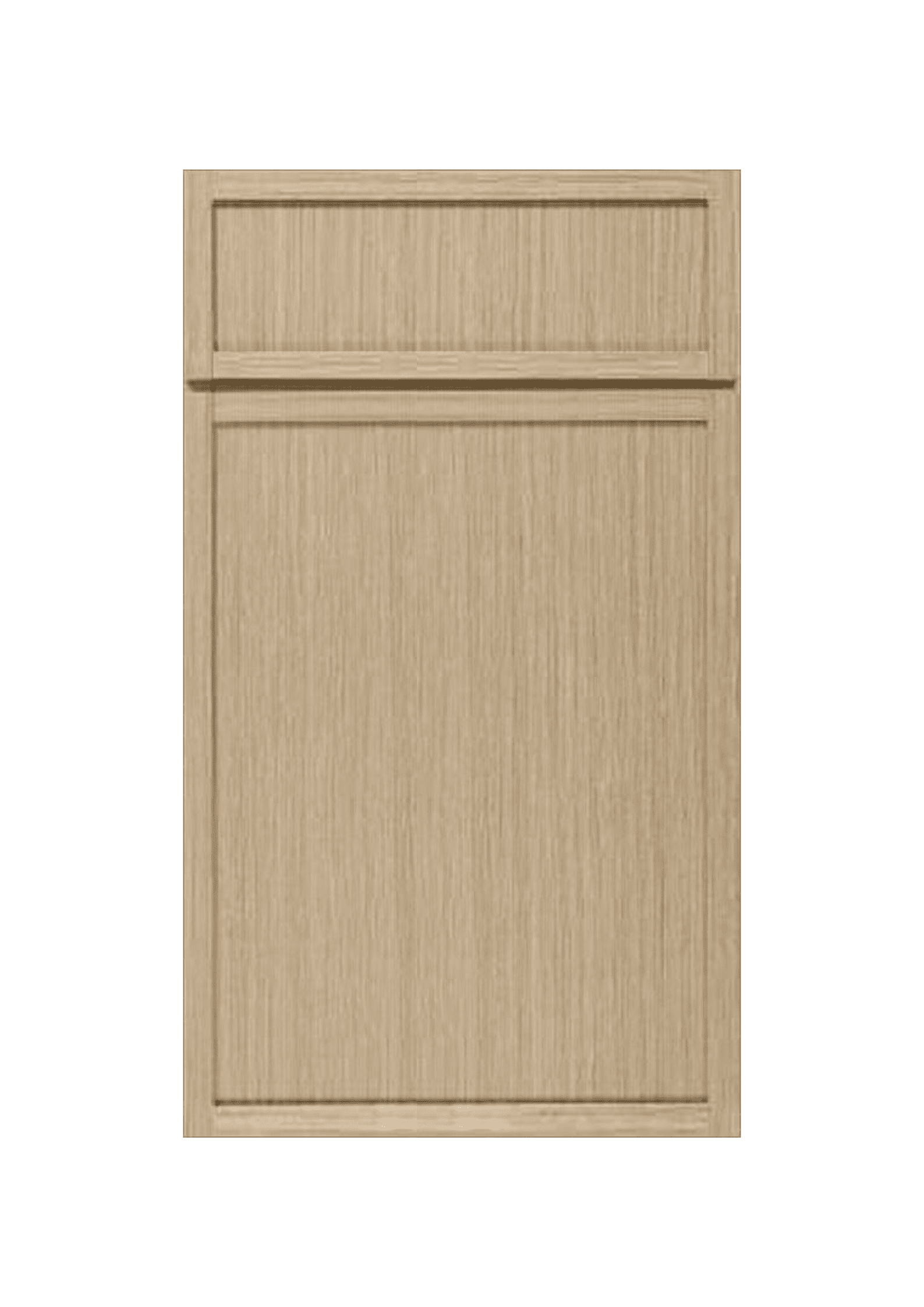
Choose your Cabinet Style
-

Over the past decade, black kitchen cabinets have transitioned from a bold design experiment to a widely accepted standard in modern kitchen design. Today, they are featured across residential, commercial, and mixed-use developments, particularly in high-demand markets such as North America, Australia, and parts of Europe.
For B2B buyers—including kitchen brands, distributors, contractors, and developers—this shift signals more than just a design trend. It represents a stable and scalable product category with long-term commercial value. However, sourcing black kitchen cabinets at scale requires careful consideration of manufacturing quality, finishing consistency, and supply chain reliability.
Unlike lighter finishes, black cabinetry demands higher production precision. Small imperfections are more visible, and inconsistencies in color or coating can affect the overall perception of quality. As a result, choosing the right manufacturing partner is essential for maintaining brand reputation and meeting market expectations.
This article provides a comprehensive overview of black kitchen cabinets from a B2B perspective, covering materials, styles, production challenges, and sourcing strategies with a focus on Vietnam as a manufacturing hub.
One of the key reasons black kitchen cabinets have gained global traction is their ability to combine visual impact with long-term design flexibility. Unlike trend-driven colors that may quickly go out of style, black offers a neutral yet sophisticated foundation that works across various interior concepts.
In contemporary kitchens, black kitchen cabinets are often used to create contrast with lighter countertops or backsplashes. In more traditional or transitional settings, they can be paired with wood textures or metallic accents to create depth and warmth. This adaptability allows designers and developers to reuse similar cabinet lines across multiple projects without compromising aesthetic appeal.
From a commercial perspective, this translates into reduced design risk and better inventory management. Distributors can confidently stock black kitchen cabinets, knowing they are less likely to become outdated compared to more seasonal color trends.
Additionally, the perception of black cabinetry as a premium option enhances its positioning across mid-range and high-end segments. This makes it a versatile product for businesses targeting different customer groups while maintaining a consistent product strategy.
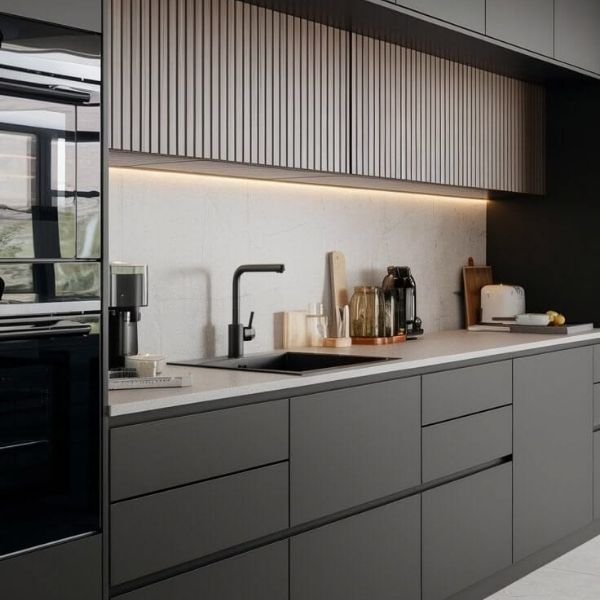
Black kitchen cabinets creating contrast with light surfaces
The performance and durability of black kitchen cabinets depend heavily on the materials used in their construction. For B2B buyers, understanding these materials is critical for aligning product specifications with target market expectations.
MDF (Medium Density Fiberboard) is widely used for painted black kitchen cabinets due to its smooth and uniform surface. This allows for even paint application, resulting in a consistent and high-quality finish. MDF is also cost-effective, making it suitable for large-scale production and export.
Plywood is commonly used for cabinet boxes and structural components. Compared to particleboard, plywood offers better moisture resistance and strength, making it a preferred option for projects in humid environments. For mid-range and premium black kitchen cabinets, plywood construction provides added durability and long-term value.
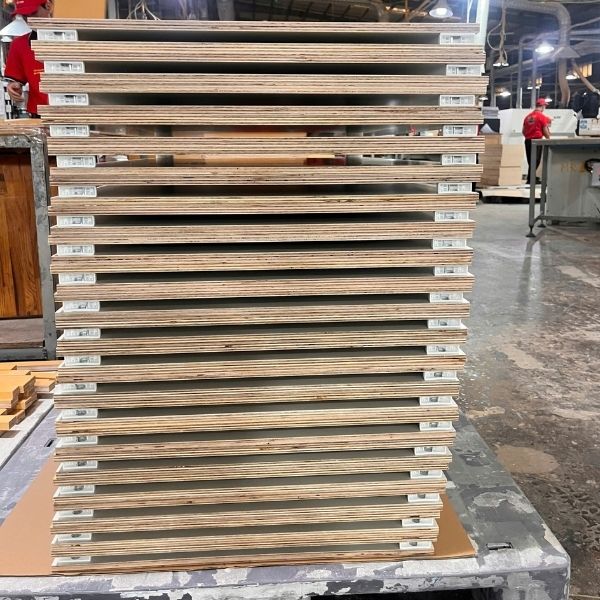
Common materials used in cabinet manufacturing
Solid wood is typically reserved for higher-end product lines. It offers a natural appearance and strong structural integrity, but it also requires more complex processing and higher costs. In many cases, solid wood is used selectively, such as for cabinet doors, while other components are manufactured using engineered materials.
Choosing the right material combination is essential for balancing cost, performance, and finish quality in black kitchen cabinets, especially when producing at scale.
Different markets and customer segments require different cabinet styles. Understanding these variations helps B2B buyers select the right product mix when sourcing black kitchen cabinets.
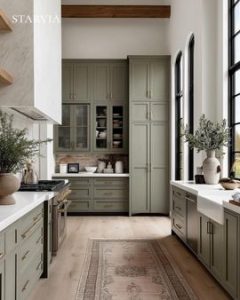
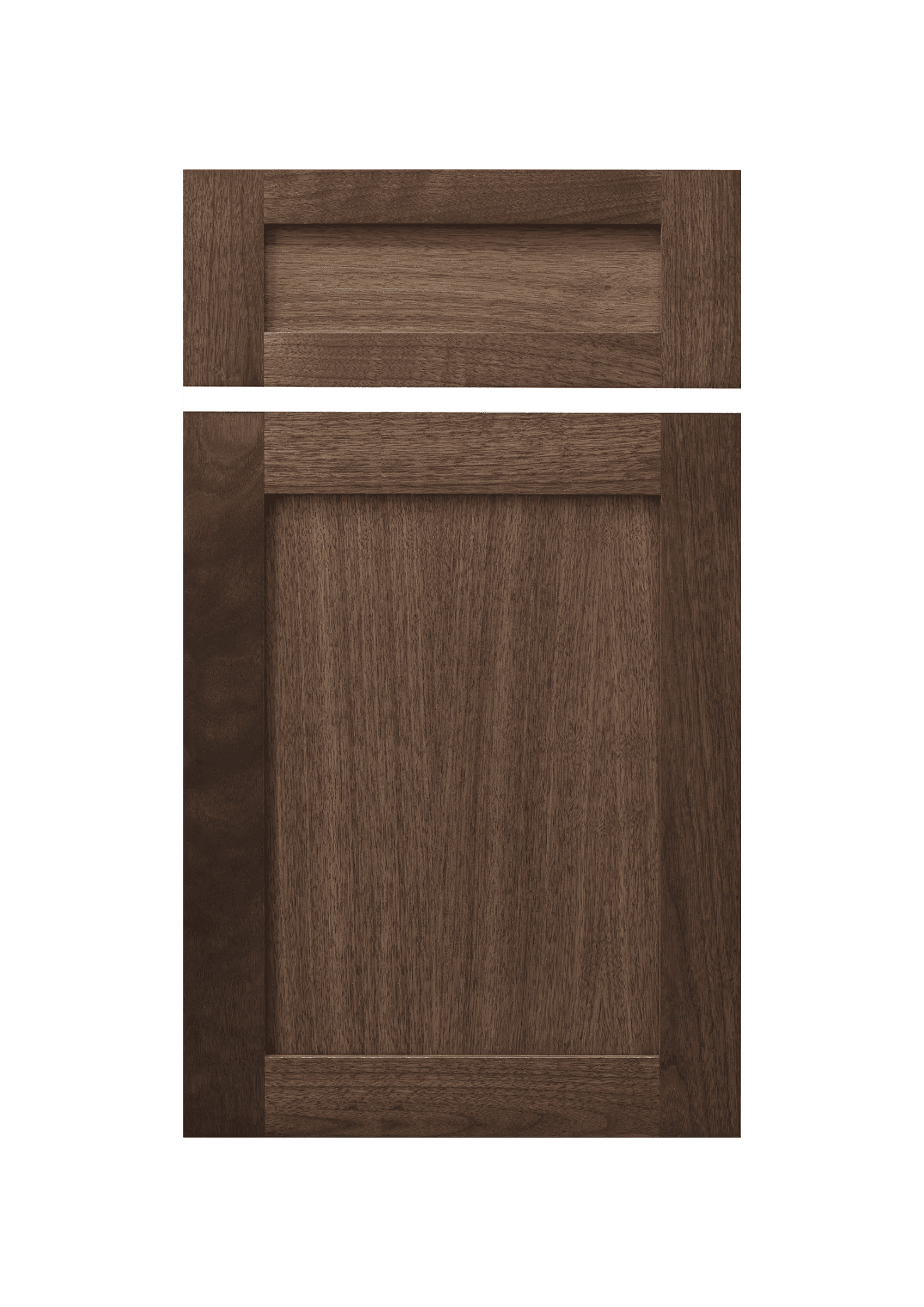
Shaker-style cabinets remain one of the most popular choices. Their simple and clean design makes them suitable for both traditional and modern kitchens. Shaker black kitchen cabinets are widely used in large-scale residential projects due to their versatility and cost efficiency.
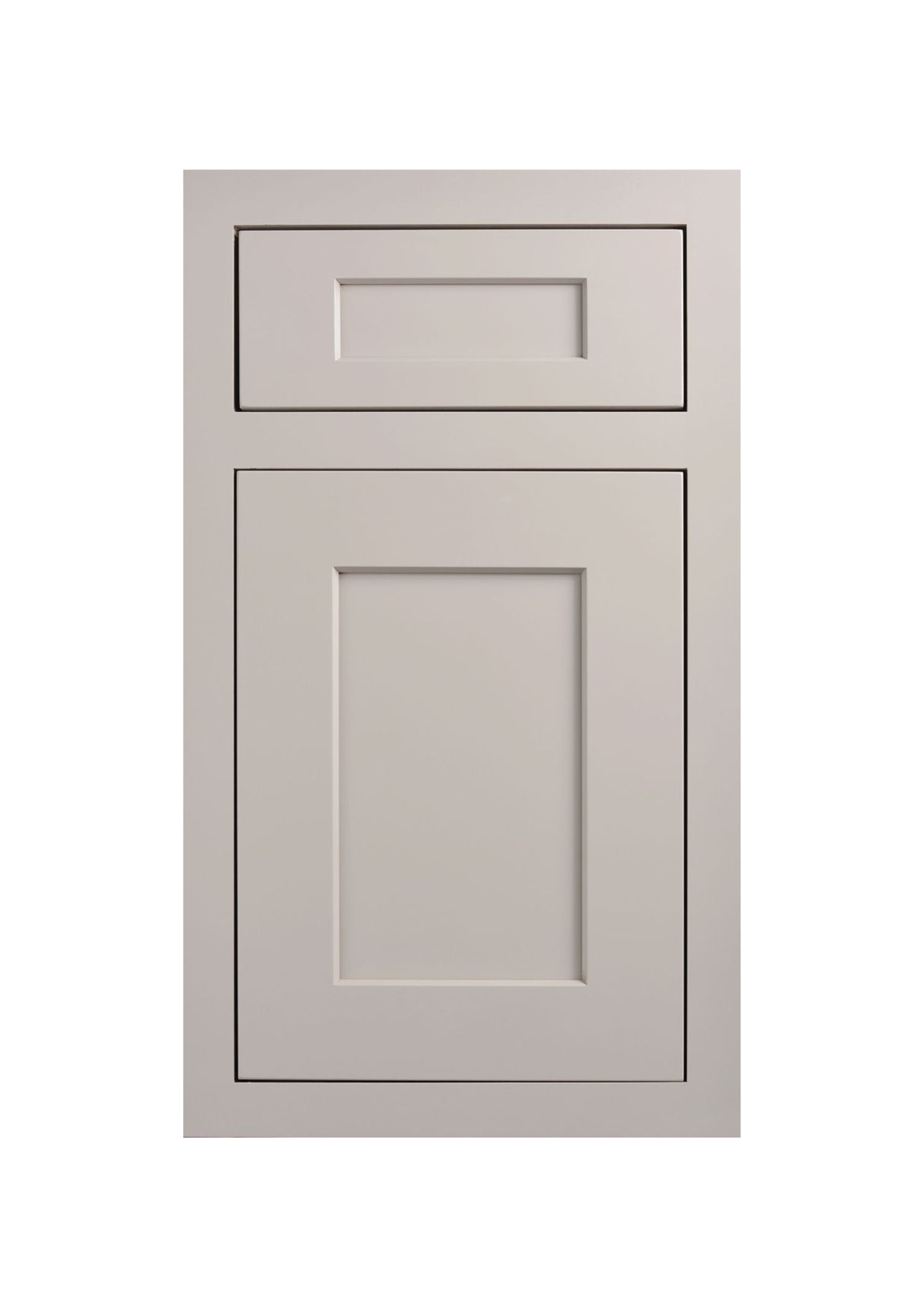
Inset cabinets are often associated with premium and custom kitchens. In this style, cabinet doors sit flush within the frame, creating a refined and seamless appearance. However, producing inset black kitchen cabinets requires higher precision and tighter tolerances, which can increase manufacturing complexity.
Flat-panel or slab cabinets are commonly used in contemporary designs. These black kitchen cabinets emphasize minimalism and are often paired with matte or high-gloss finishes to create a sleek and modern look.
RTA (ready-to-assemble) cabinets are designed for efficient shipping and easy installation. For distributors and retailers, RTA black kitchen cabinets offer logistical advantages, including reduced shipping costs and simplified inventory management.
By offering a combination of these styles, B2B buyers can effectively serve multiple market segments while optimizing production and sourcing strategies.
Among all aspects of cabinet production, finishing plays the most critical role in determining the quality of black kitchen cabinets. Dark surfaces tend to highlight imperfections, making it essential to maintain strict control over the finishing process.
High-quality black kitchen cabinets typically require multi-layer coating systems, including primer, base coat, and topcoat. Each layer must be applied evenly and cured under controlled conditions to achieve a consistent and durable surface.
Matte finishes are widely used in modern kitchens due to their soft and understated appearance. However, matte black kitchen cabinets can be more prone to fingerprints and smudges if not treated with advanced coatings.
Satin finishes offer a slight sheen, providing a balance between aesthetics and practicality. These black kitchen cabinets are generally easier to maintain and are popular in mid-range markets.
High-gloss finishes create a bold and reflective surface, often used in contemporary or luxury designs. Producing high-gloss black kitchen cabinets requires precise polishing and a controlled environment to prevent defects.
For B2B buyers, evaluating a manufacturer’s finishing capability is essential. This includes reviewing their equipment, processes, and quality control standards to ensure consistent results across large production volumes.
Advanced finishing systems, such as those developed by Cefla Finishing, play a key role in ensuring consistent coating quality and surface durability in large-scale cabinet production.
Producing black kitchen cabinets at scale involves several technical challenges that are less pronounced in lighter-colored cabinetry.
Color consistency is one of the most significant issues. Even slight variations in paint formulation or application can result in noticeable differences between batches. Reliable manufacturers address this by standardizing paint systems and implementing strict quality control procedures.
Surface defects are another concern. Dust particles, scratches, or uneven coatings are more visible on black surfaces. To minimize these issues, manufacturers must operate in clean, controlled environments with advanced spray systems.
Edge finishing also requires special attention. Poorly finished edges can lead to chipping or uneven coverage over time, affecting both durability and appearance.
These challenges highlight the importance of working with experienced manufacturers who specialize in black kitchen cabinets and understand the technical requirements involved.
Vietnam has emerged as a leading manufacturing hub for black kitchen cabinets, particularly for export markets. Several factors contribute to this position.
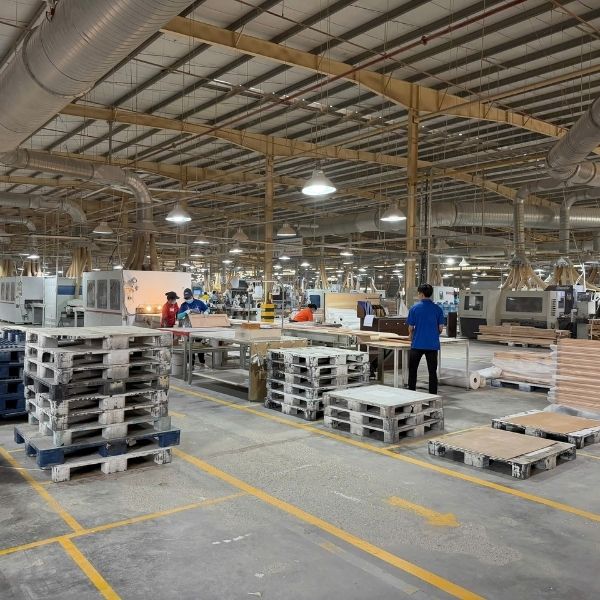
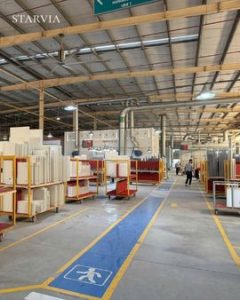
Cabinet manufacturing facility in Vietnam for export production
First, Vietnam offers a strong balance between cost and quality. Compared to other manufacturing regions, production costs remain competitive while maintaining high standards of workmanship.
Second, the country has a skilled workforce with extensive experience in furniture production. This enables manufacturers to produce black kitchen cabinets that meet international quality expectations.
Third, Vietnam’s export infrastructure supports efficient global shipping. Manufacturers are familiar with international packaging standards and logistics requirements, reducing risks for overseas buyers.
For B2B companies looking to scale their sourcing operations, Vietnam provides a reliable and cost-effective solution for black kitchen cabinets.
Selecting the right supplier is critical for ensuring the success of any black kitchen cabinets project. B2B buyers should evaluate several key factors before making a decision.
Finishing capability is one of the most important considerations. Manufacturers should have advanced spray systems, controlled environments, and experience handling dark finishes.
Production capacity is equally important. Suppliers must be able to deliver consistent volumes of black kitchen cabinets within agreed timelines, especially for large-scale projects.
Quality control systems should be clearly defined and implemented at every stage of production. This helps reduce defects and ensures that products meet international standards.
Finally, product range and flexibility are essential. A reliable manufacturer should be able to produce different types of black kitchen cabinets, including shaker, inset, and RTA options, as well as accommodate customization when needed.
For international buyers, logistics play a crucial role in sourcing black kitchen cabinets.
Proper packaging is essential to protect surfaces from scratches and damage during transportation. High-quality packaging materials and methods help maintain product integrity throughout the shipping process.
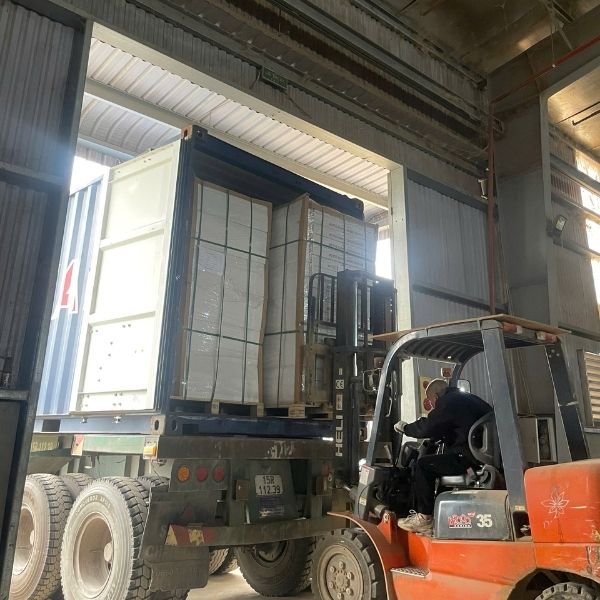
Export packaging for black kitchen cabinets
Lead times typically range from 30 to 60 days, depending on order size and complexity. Efficient manufacturers can manage production schedules to meet tight deadlines without compromising quality.
Shipping efficiency is another key factor. Vietnam’s port system provides strong connectivity to major global markets, making it easier to distribute black kitchen cabinets internationally.
As demand continues to grow, black kitchen cabinets have become a strategic product category for B2B buyers. Their versatility, strong market appeal, and long-term relevance make them a reliable choice across multiple segments.
However, success in this category depends on more than design. It requires consistent manufacturing quality, advanced finishing technology, and a dependable supply chain. Buyers who invest time in selecting the right partner are more likely to achieve stable growth and maintain product consistency.
Vietnam has positioned itself as a competitive sourcing destination, offering the capabilities needed to produce high-quality black kitchen cabinets at scale. Manufacturers with experience in export production, modern machinery, and strict quality control systems can support long-term business expansion.
Among these, companies like Starvia—known for their focus on manufacturing capability and international standards—represent the type of partner that B2B buyers often look for when building sustainable supply chains.


 View collection
 View collection
 View collection
 View collection