- Our Products
-
Choose your Cabinet Style
-

This temporary delay means that exporters can avoid an immediate cost shock at the start of 2026, helping maintain existing orders and market relationships while buyers and suppliers adjust pricing and supply strategies. However, the tariff landscape remains fluid: the possibility of future changes—either increases or additional policy tools—remains a real risk, and exporters should monitor trade negotiations and legal developments closely.
Looking beyond tariffs themselves, broader factors will shape the 2026 cabinet market outlook. U.S. import volumes have shown volatility, with imports dropping towards the end of 2025 amid tariff concerns and global logistics shifts. Meanwhile, remodeling activity and home improvement spending are expected to remain steady into mid-2026, which could sustain demand for kitchen and bathroom cabinets despite higher import costs.
To navigate these conditions effectively, exporters should focus on several key response strategies:
In summary, 2026 is shaping up to be a year of incremental adjustments rather than dramatic shifts for the cabinet export sector. Although tariff increases have been postponed, the underlying risk has not disappeared. Exporters who stay informed, adaptable, and proactive in strategy development will be best positioned to grow as the global cabinet market continues to evolve.
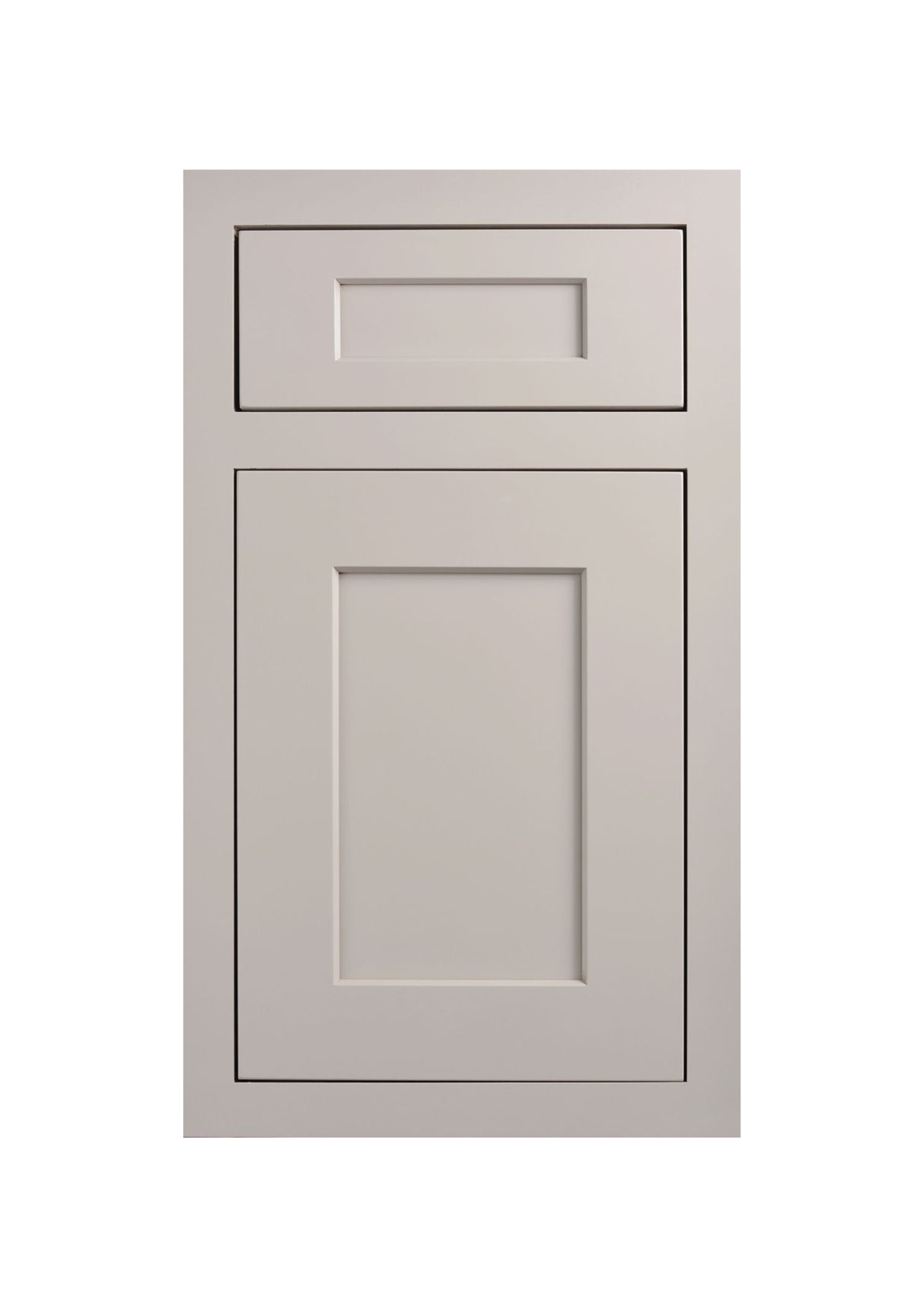 View collection
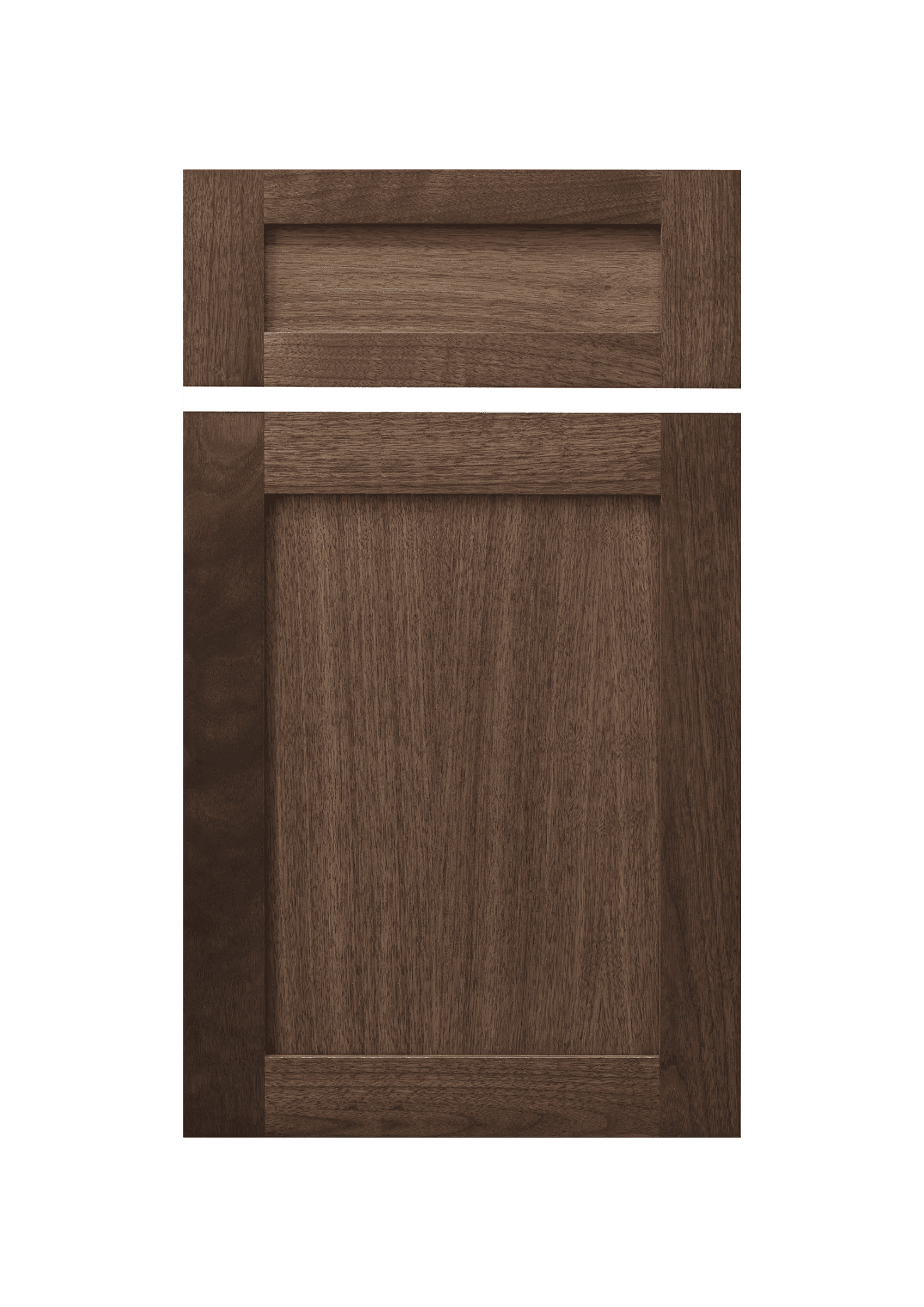 View collection
 View collection
 View collection