- Our Products
-
Choose your Cabinet Style
-
In large-scale residential developments, cabinets for rental properties are not simply aesthetic elements—they are operational assets that directly influence maintenance costs, tenant turnover efficiency, and long-term profitability. Unlike single-family homes, rental units must endure constant use, varying tenant behavior, and repeated occupancy cycles.
For developers, contractors, and property managers, the challenge lies in selecting multi-unit cabinet solutions that balance durability, cost-efficiency, and visual appeal while remaining scalable across dozens or even hundreds of units. Every design and manufacturing decision—from materials to installation methods—affects the lifecycle cost of the project.
This article provides a comprehensive guide to choosing and designing durable cabinets specifically for rental and multi-unit housing, with a focus on performance, manufacturing scalability, and return on investment.
Rental properties are subject to significantly higher usage compared to owner-occupied homes. Tenants may not treat interiors with the same level of care, leading to increased wear and tear over time. Cabinets must withstand:
Because of these conditions, investing in durable cabinets is not optional—it is essential. High-quality construction reduces repair frequency and extends replacement cycles, ultimately lowering operational expenses.
Standardization is a cornerstone of efficient multi-unit development. Using consistent cabinet designs across all units allows developers to:
Standardized cabinets for rental properties also make maintenance teams more efficient, as they can quickly repair or replace components without dealing with multiple variations.
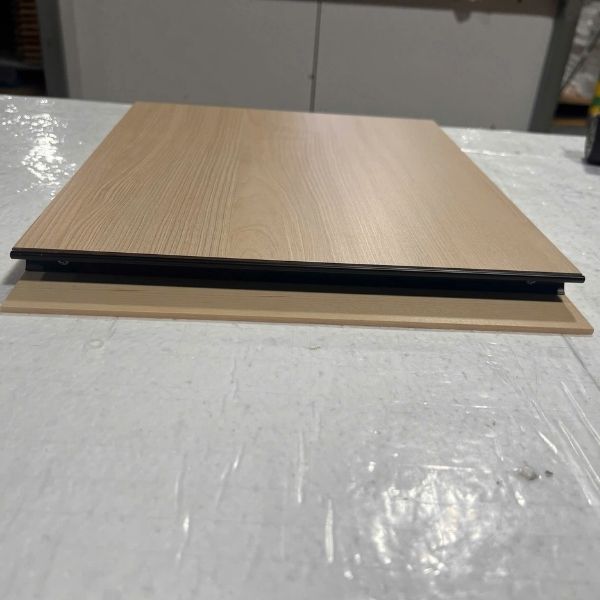
Comparison of cabinet materials used in rental and multi-unit housing
Choosing Core Materials That Last
Material selection plays a critical role in cabinet longevity. In rental environments, durability should always take priority over minimal upfront savings.
Common material options include:
While particleboard may be cheaper, it tends to degrade quickly in high-moisture areas, making it less suitable for long-term use in rental units.
Surface Finishes That Enhance Durability
The exterior finish of cabinets determines how well they resist scratches, stains, and daily wear. Popular finishes in multi-unit cabinet solutions include:
These finishes not only extend the lifespan of cabinets but also reduce maintenance costs, making them ideal for high-traffic rental environments.
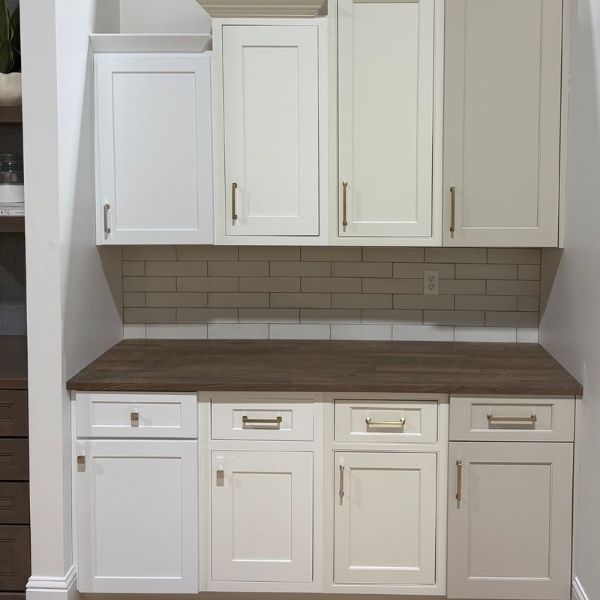
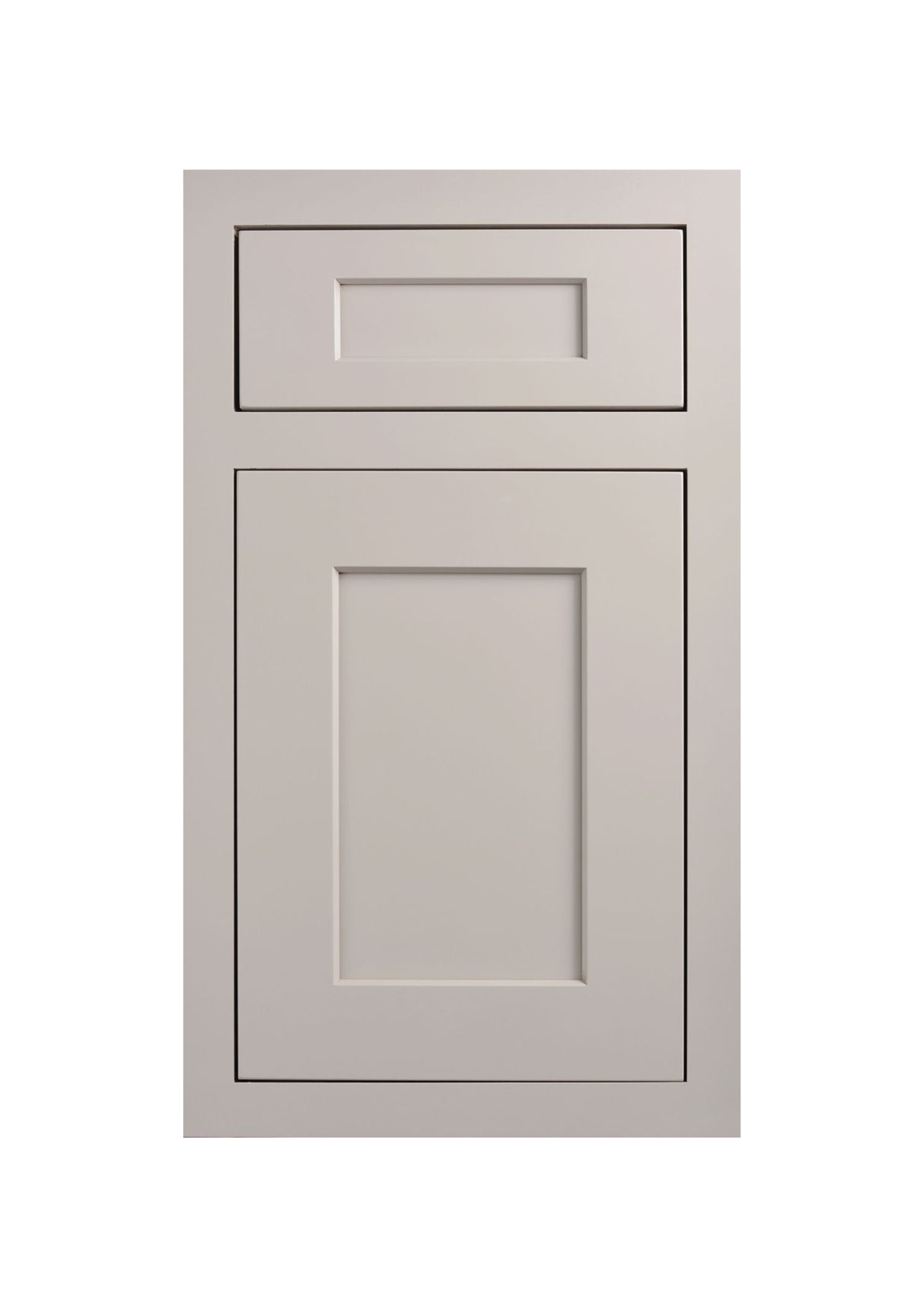
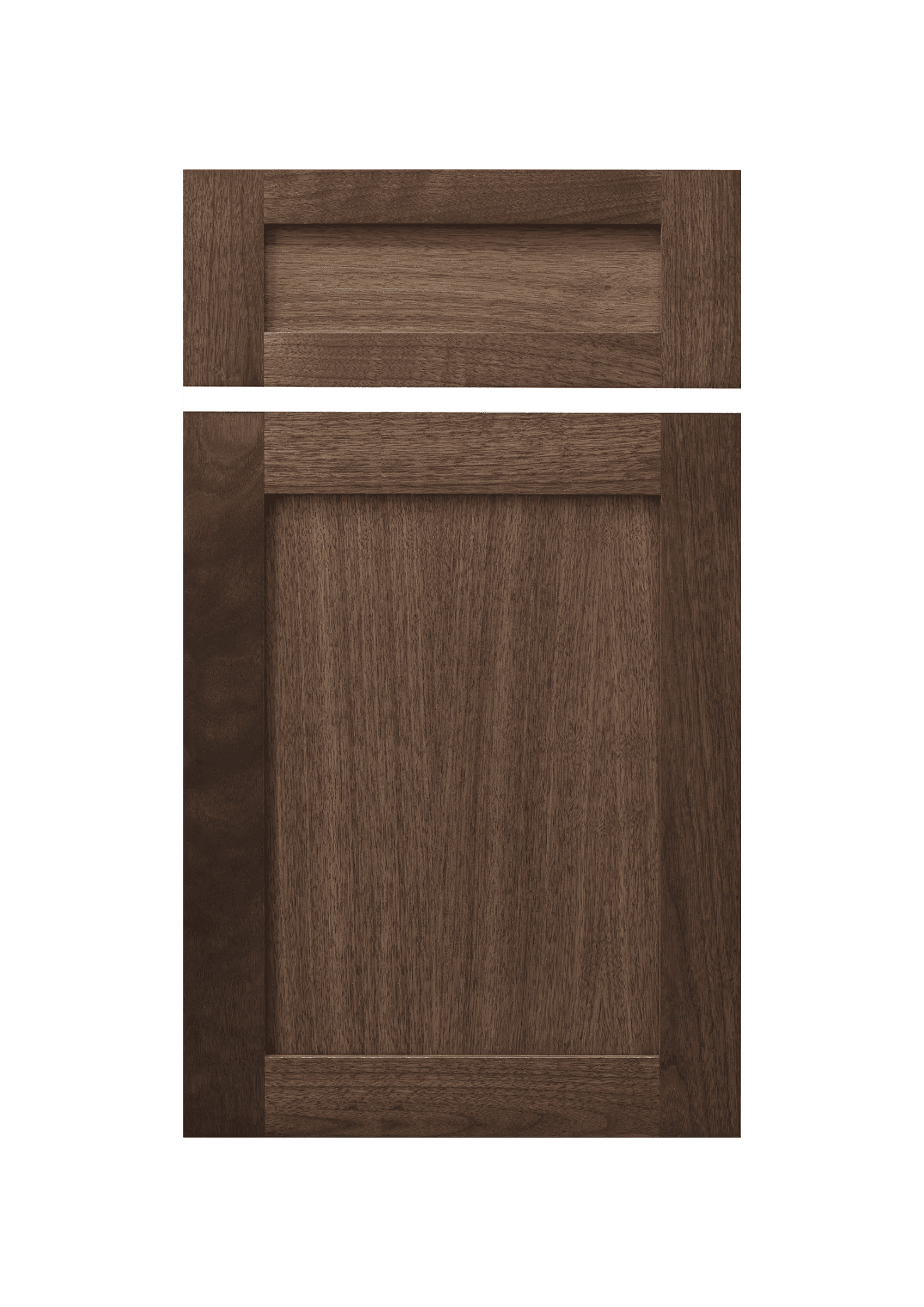
Comparison between shaker and inset cabinet styles in apartment projects
Shaker-style cabinets are widely used in rental housing due to their simplicity and versatility. They offer:
Because of their straightforward construction, Shaker cabinets are easier to produce in bulk and simpler to repair or replace when needed.
Inset cabinets provide a more refined and high-end appearance, with doors that sit flush within the cabinet frame. While visually appealing, they come with certain considerations:
For upscale developments, inset cabinets can enhance property value, but they may not be the most practical choice for all rental applications.
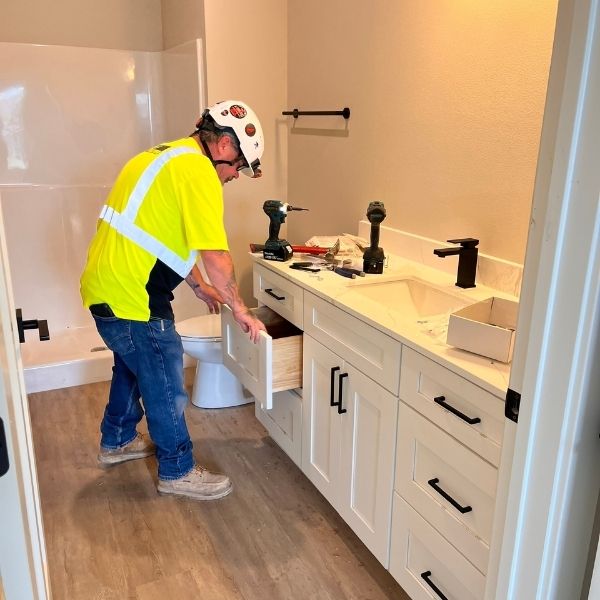
On-site installation of ready-to-assemble cabinets in apartment construction
Ready-to-Assemble (RTA) cabinets are an increasingly popular choice for cabinets for rental properties, particularly in large developments. Their advantages include:
These features make RTA cabinets a practical solution for projects with tight timelines and logistical constraints.
Efficient installation is crucial in multi-unit construction. Delays in cabinet installation can affect the entire project schedule. RTA and modular systems help:
This efficiency becomes especially valuable in large-scale developments where time and cost control are critical.
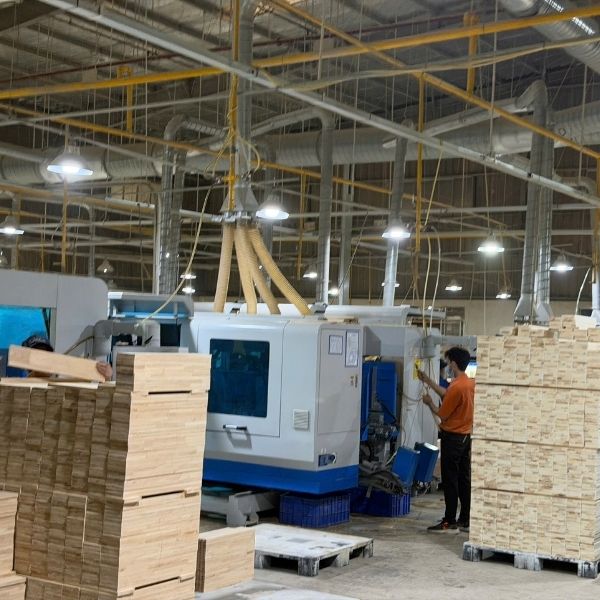
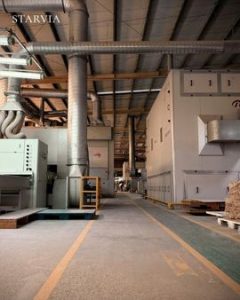
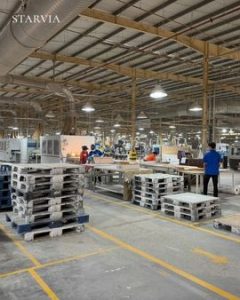
CNC machinery and automated production lines in cabinet manufacturing
Large housing developments require manufacturing partners capable of handling high-volume orders without compromising quality. Key factors include:
Reliable cabinet manufacturing ensures that all units receive uniform, high-quality products.
Vietnam has become a global hub for cabinet manufacturing, particularly for B2B buyers seeking cost-effective and high-quality solutions. Key advantages include:
For developers sourcing multi-unit cabinet solutions, Vietnam offers a compelling combination of quality, efficiency, and cost savings.
Modern cabinet manufacturing relies on advanced technologies to ensure precision and consistency. These include:
A controlled production environment ensures that durable cabinets meet international standards and perform reliably over time.
Modular cabinet designs are particularly beneficial for rental properties. They allow individual components—such as doors, panels, or drawers—to be replaced without removing the entire cabinet.
This approach offers several advantages:
Modular cabinets for rental properties are a practical solution for long-term maintenance efficiency.
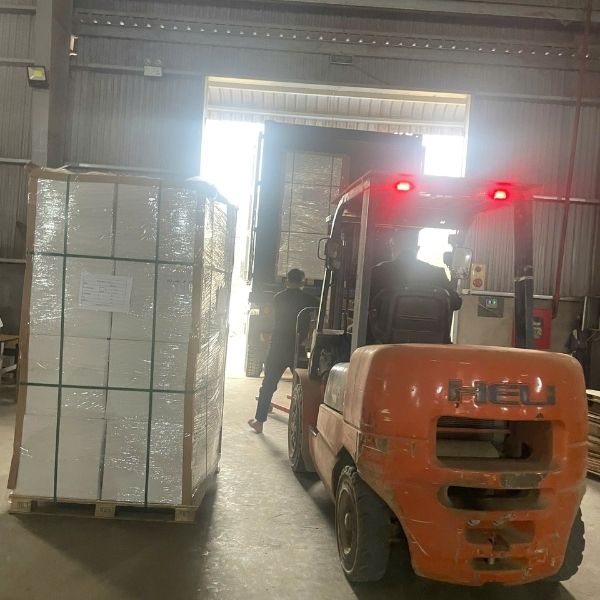
Soft-close hinges and heavy-duty drawer slides for rental cabinets
Cabinet hardware is often overlooked, yet it plays a critical role in durability. High-quality hardware can significantly extend the lifespan of cabinets.
Recommended features include:
Investing in reliable hardware supports the overall performance of durable cabinets in rental environments.
One of the key advantages of multi-unit projects is the ability to produce cabinets in large quantities. Bulk production enables:
Working with experienced cabinet manufacturing partners ensures these benefits are fully realized.
While controlling costs is essential, design should not be compromised. Cabinets play a major role in the overall look and feel of a unit, influencing tenant satisfaction.
Timeless design choices offer several advantages:
Neutral finishes and simple styles are ideal for cabinets for rental properties, ensuring longevity in both function and appearance.
Sustainability is becoming a key consideration in construction and property management. Developers are increasingly choosing:
These choices not only reduce environmental impact but also enhance the appeal of rental properties to environmentally conscious tenants.
For international projects, compliance with environmental and safety standards is essential. This includes:
Manufacturers with export experience are better equipped to meet these standards, ensuring that multi-unit cabinet solutions are suitable for global markets.
Using FSC-certified wood materials (Forest Stewardship Council) helps developers meet sustainability standards while enhancing brand credibility in environmentally conscious markets.
Choosing the right supplier is critical to the success of any multi-unit project. Important considerations include:
A reliable partner ensures that cabinets are delivered on time and meet project specifications.
Establishing long-term relationships with cabinet manufacturers offers several advantages:
For developers managing multiple properties, this consistency is invaluable.
One of the most common mistakes developers make is focusing too heavily on upfront cost while overlooking long-term performance. Cheap materials may reduce initial investment, but they often lead to:
Investing in durable cabinets from the beginning helps avoid these hidden expenses and ensures better long-term value.
Failing to standardize cabinet designs across units can create unnecessary complexity. Without consistent multi-unit cabinet solutions, property managers may face:
Standardization simplifies both installation and long-term property management.
Even well-built cabinets can fail if the hardware is substandard. Hinges and drawer slides are high-use components, and poor-quality options can quickly wear out.
Choosing reliable hardware ensures that cabinets for rental properties maintain functionality and reduce tenant complaints over time.
Selecting the right cabinets for rental properties is a strategic decision that impacts every aspect of property management—from maintenance efficiency to tenant satisfaction and overall profitability.
By focusing on durable cabinets, standardized designs, and scalable multi-unit cabinet solutions, developers can reduce long-term costs while maintaining high-quality living spaces. Additionally, partnering with experienced cabinet manufacturing suppliers—particularly in competitive markets like Vietnam—ensures access to reliable, cost-effective solutions.
In a sector where efficiency and longevity are key, investing in well-designed cabinets is not just a construction decision—it is a long-term business strategy that delivers measurable returns over time.
 View collection
 View collection
 View collection
 View collection